December 28, 2024
Day-1- West Coast Lighthouse Tour
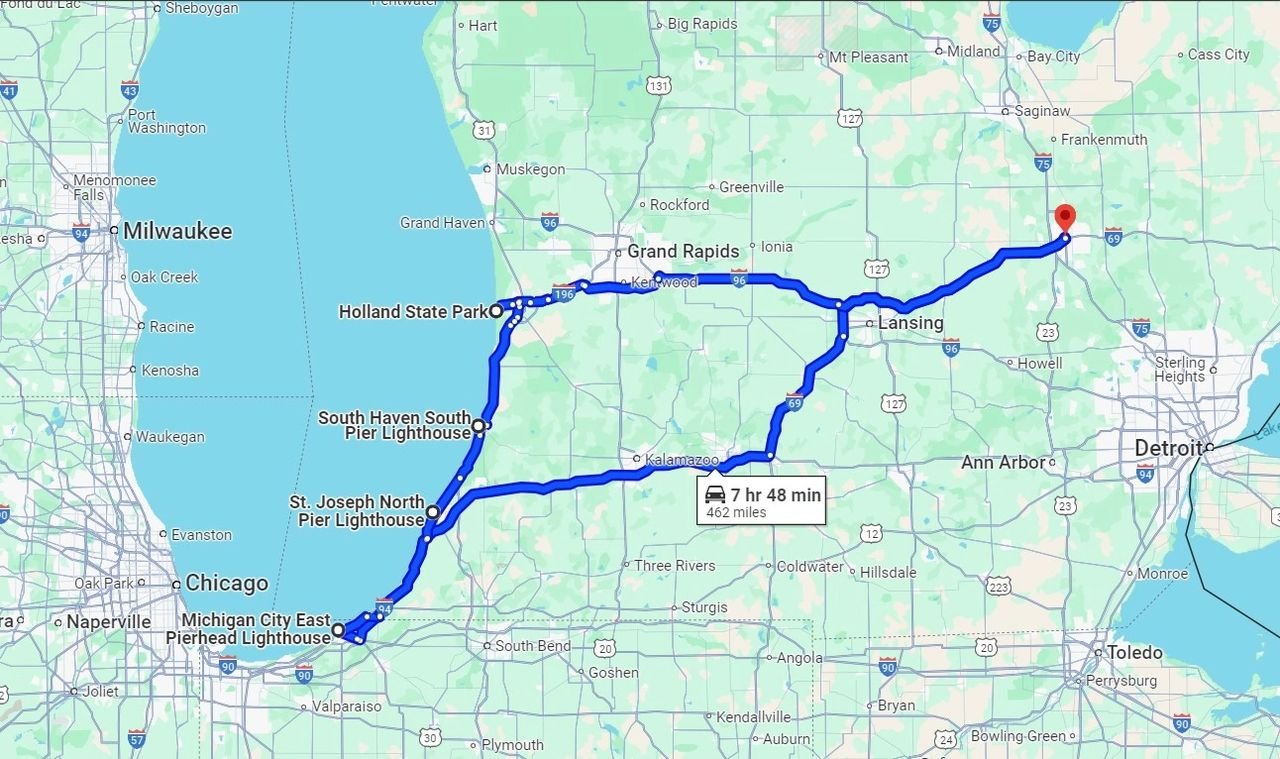
Our day began in Flint, Michigan, with an ambitious goal: to visit four iconic lighthouses along Michigan’s west coast and return home before midnight. Covering over 450 miles in a single day, we knew it would be a whirlwind adventure, but we were ready for it! … We’re fortunate to have Tyler and Danielle accompanying us on this trip. They’ve been the perfect local shepherds, guiding us through the sights and sounds of Michigan with a deep knowledge and love for the area.
On the way to our first lighthouse destination, we stopped by Horrocks Farm Market, a true gem in the heart of Michigan. As we strolled through the market, they shared insights about the local produce, vendors, and hidden treasures tucked away in every corner. The vibrant atmosphere of the market, with its fresh produce, artisanal goods, and friendly faces, felt even more special with them by our side. With a family-friendly atmosphere, it’s a great spot to explore, try new foods, and experience the vibrant local community.

Stop 1: Michigan City Pier Lighthouse
We reached our first destination, the Michigan City Pier Lighthouse in Indiana, around mid-morning. The 3.5-hour drive (approximately 200 miles) brought us to this picturesque spot-on Lake Michigan. The weather was perfect—sunny, 75°F, with a gentle breeze—ideal for exploring.
We parked at Washington Park Beach ($20 parking fee) and enjoyed a leisurely walk along the sandy shore. With soft, golden sand that invites visitors to relax, sunbathe, or take a stroll along the shoreline.
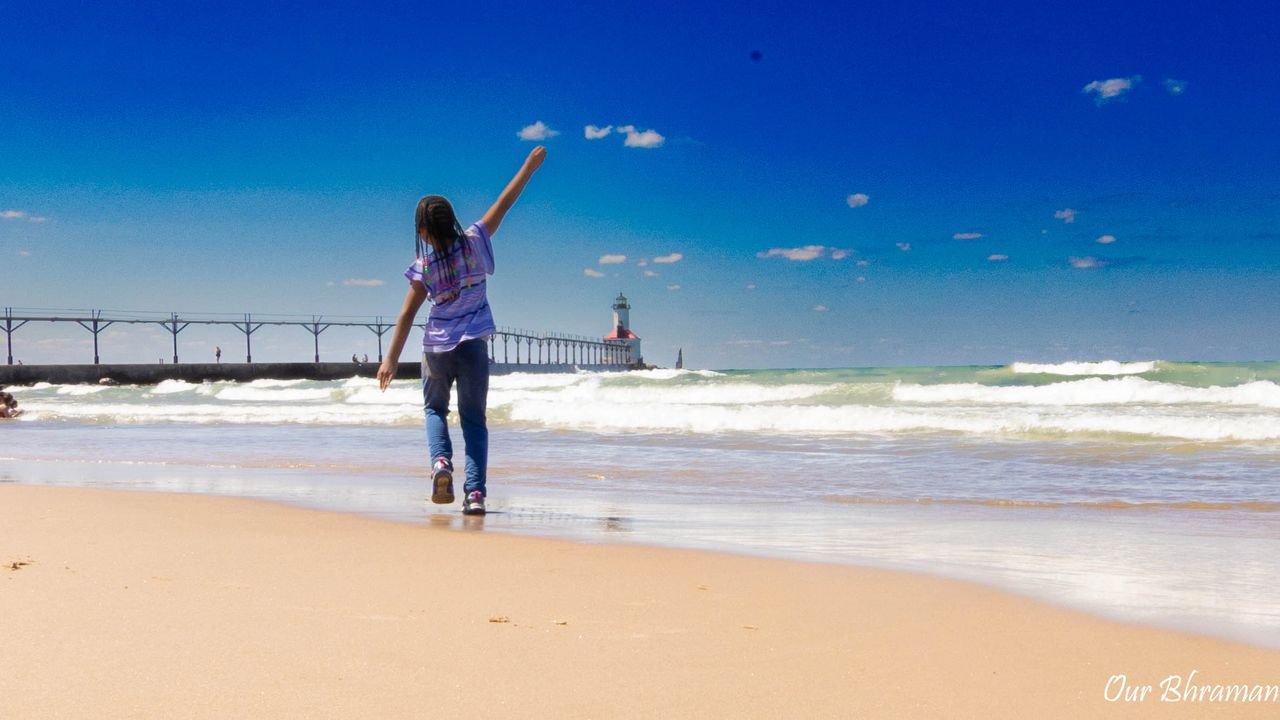
There’s something about soft, golden sand that brings out the inner child in all of us. This beach was no different. With the sun shining brightly and the gentle waves of Lake Michigan in the background, I couldn’t resist kicking off my shoes and letting loose.
I found myself jumping like a kid, the sand shifting underfoot with every leap, cushioning each landing like a playful embrace. It felt exhilarating, carefree, and just pure fun.
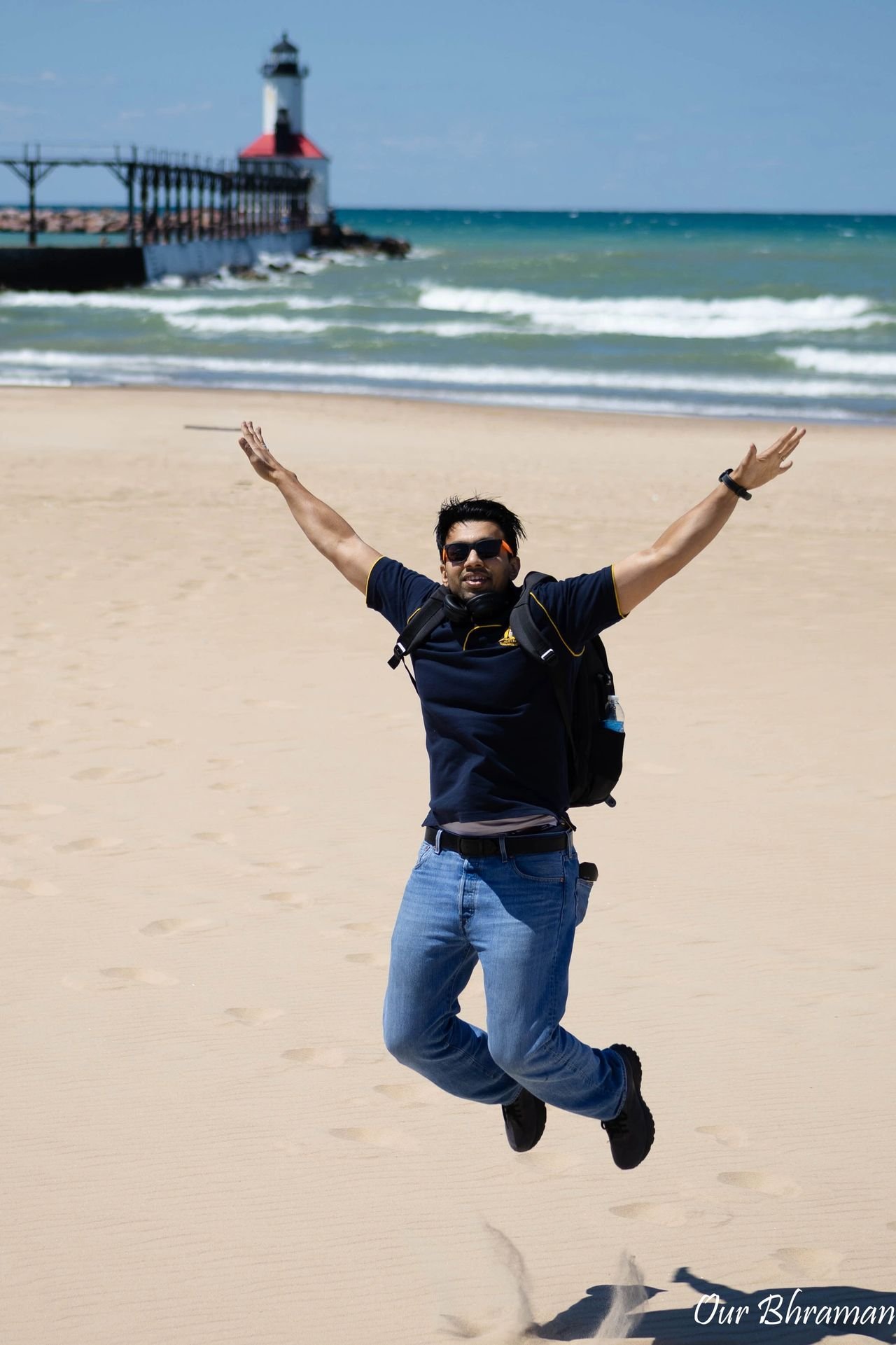
The beach became a playground, and for a moment, I forgot about schedules and plans—just relishing the simple joy of being in the moment.
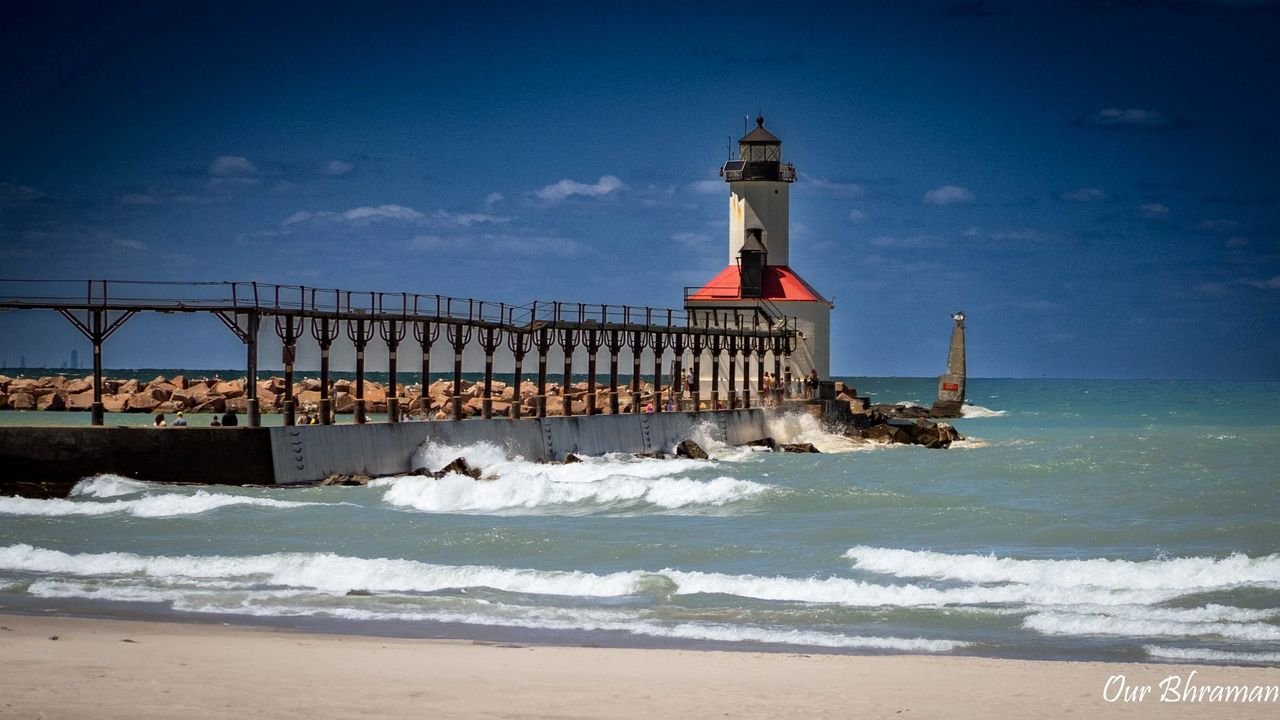
The Michigan City Pier Lighthouse is the only remaining public operating lighthouse in Indiana. Built in 1904, it features a classic design and sits proudly at the end of a long pier that extends into Lake Michigan.
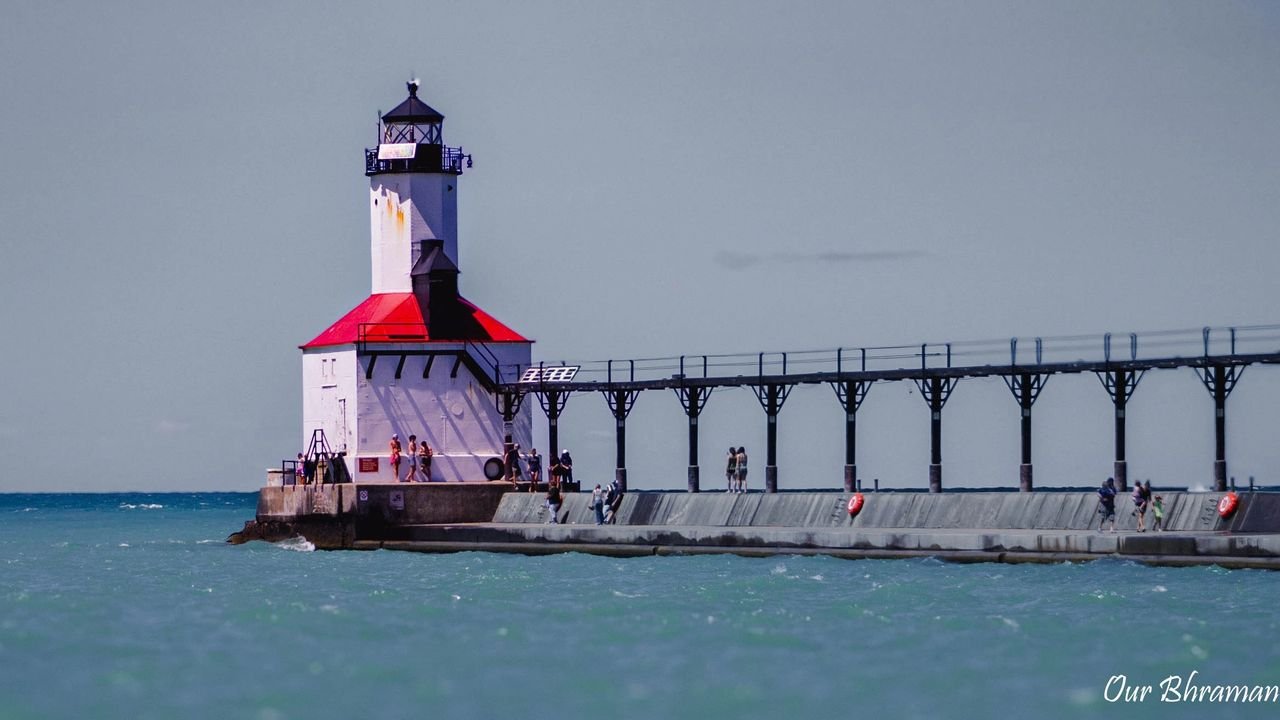
Walking along the pier provides breathtaking views of the lake, making it a perfect spot for photography or simply enjoying the tranquility of the water.

We took our time soaking in the serene beauty of the area before settling down for a quick picnic of PB&J sandwiches we had packed for the trip.
Stop 2: St. Joseph Pier Lighthouse
With our energy recharged, we hit the road again, heading north to our second stop: the St. Joseph Pier Lighthouse, about an hour away (45 miles).
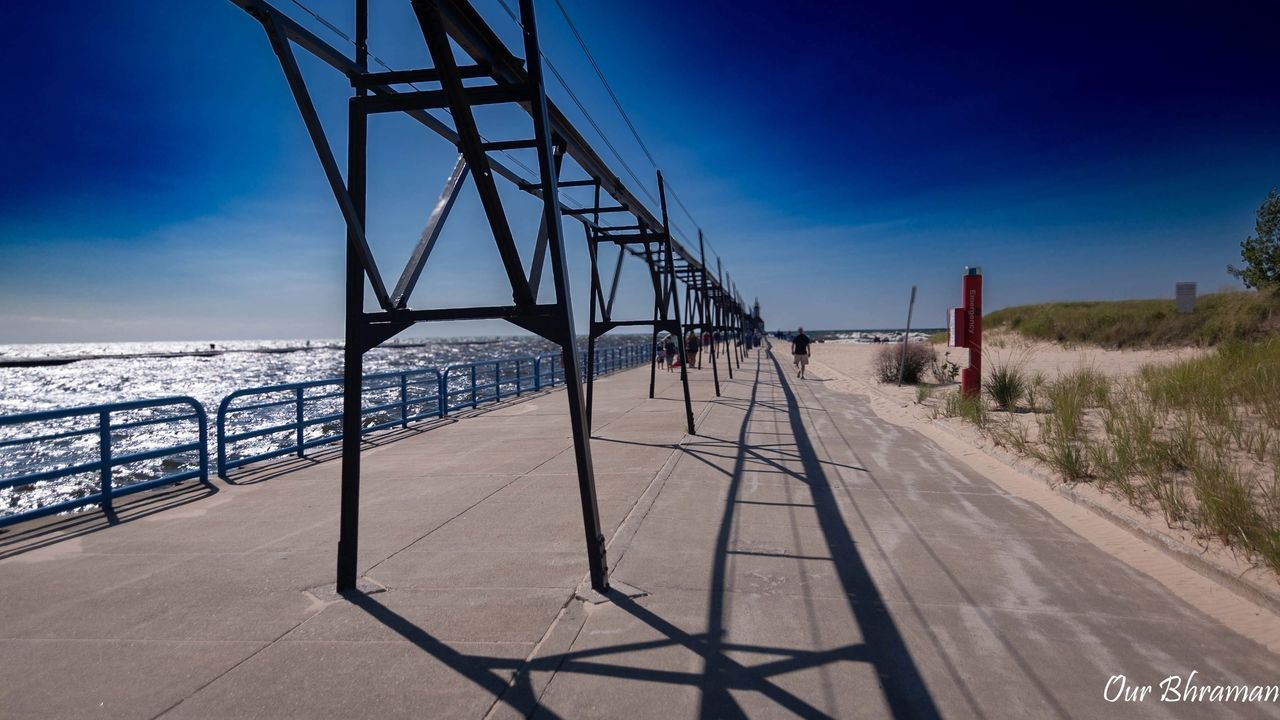
The drive was pleasant, with glimpses of Lake Michigan along the way. The St. Joseph North Pier was nothing short of dramatic during our visit. Strong winds howled across Lake Michigan, sending waves crashing against the pier with a ferocity that left us in awe—and slightly apprehensive.
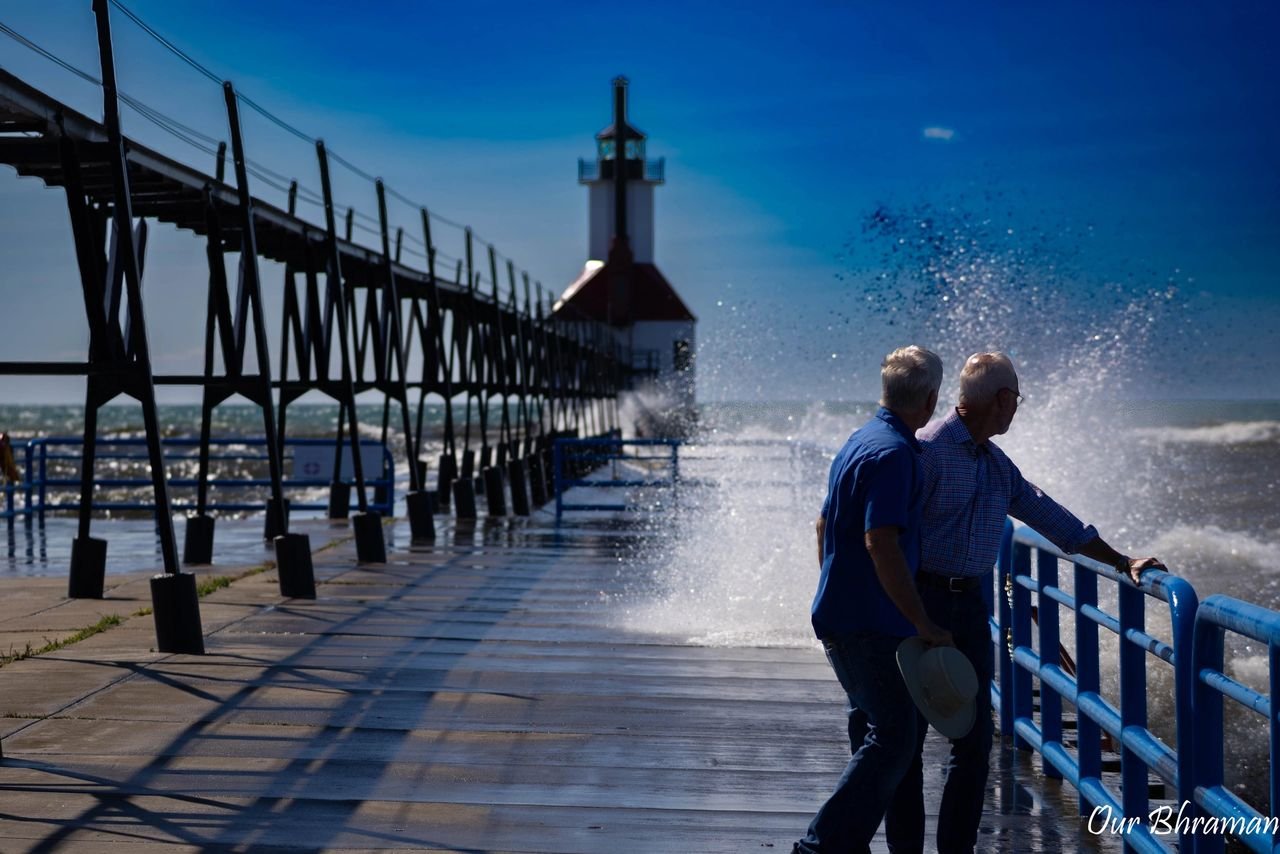
As much as we wanted to get closer to the lighthouse, the sheer power of the elements made it clear that safety came first. Twenty years ago, perhaps we might have braved the challenge, driven by youthful daring. But now, a little wisdom (and risk awareness) reminded us that some adventures are better admired from a safe distance. Watching nature’s raw energy unfold from the shore was an exhilarating experience in itself, leaving us with a deep respect for both the lighthouse and the unpredictable beauty of the Great Lakes.
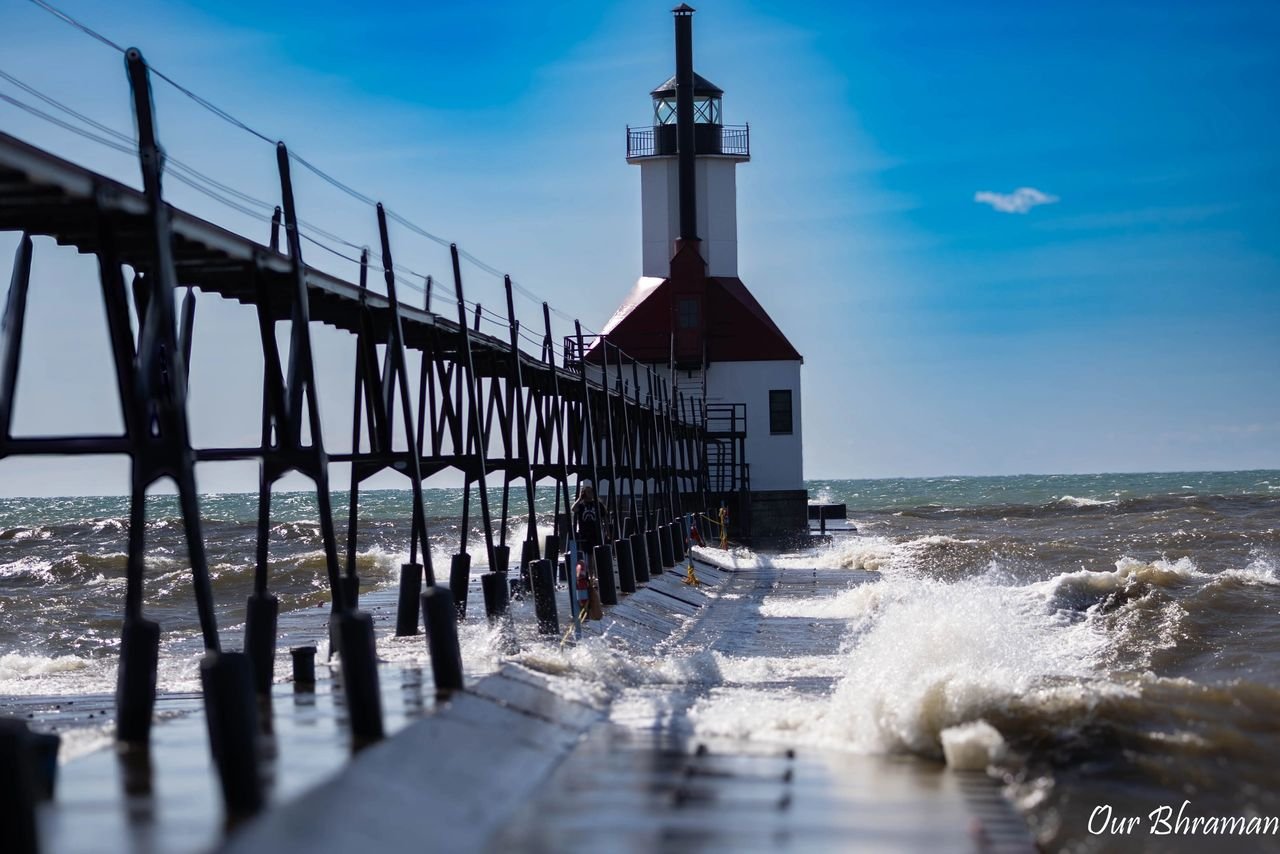
The Outer Lighthouse stands as a striking sentinel on Lake Michigan, marking the north breakwater at the mouth of the St. Joseph River. This round, 35-foot-tall cast-iron tower features a circular watch room and a distinctive 10-sided lantern room, adding to its timeless charm.
Nearby, the St. Joseph North Pier Inner Lighthouse complements its outer counterpart, positioned midway along the North Pier. What makes these lighthouses particularly unique is the elevated catwalk connecting the shore to the outer light. Originally built for keepers to safely access the lights during harsh weather, the catwalk now serves as a historic feature that adds to the allure of this picturesque site.
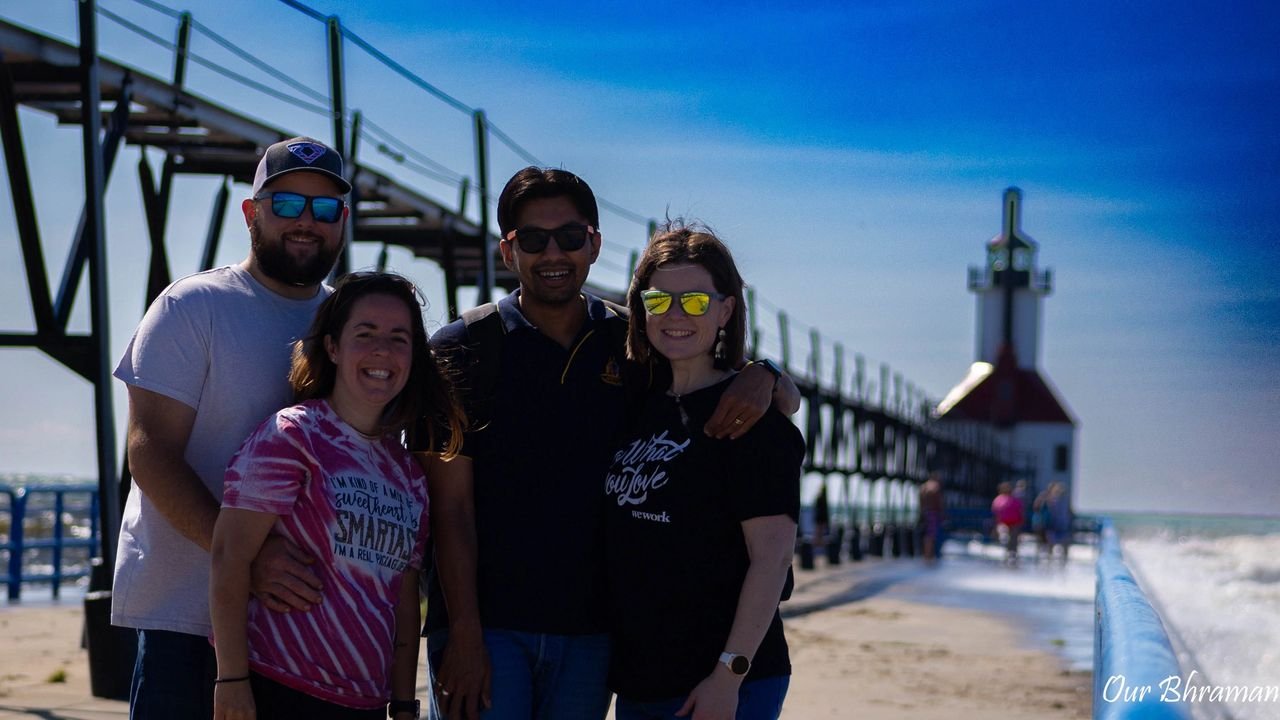
The beach near the St. Joseph Pier is know as Silver Beach, it’s a wide expanse of soft, golden sand that stretches out, inviting visitors to relax, explore, or simply take in the stunning lake views.
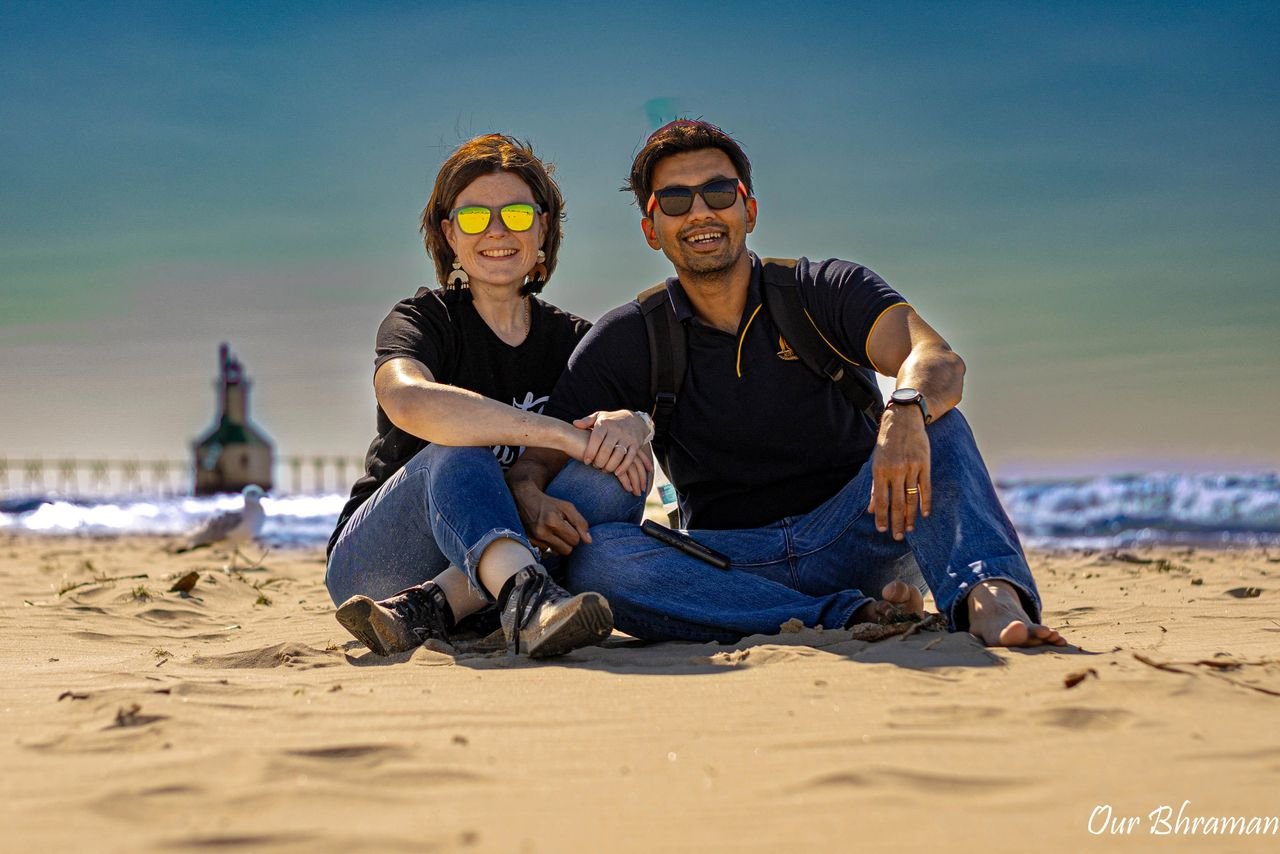
I’ve always loved the feeling of cold sand beneath my feet. There’s something about it, the way the grains press against your skin, that just melts away the stress. Every time I’m on the beach, it’s like a switch flips, and I feel instantly calmer. It’s almost as if the cold sand acts as a natural distress, grounding me and letting go of everything else.
But my wife? Well, she’s not quite as fond of the sand. She doesn’t love the feeling of it getting into her shoes—she’d rather keep her feet tucked away in the safety of her shoes. For her, the idea of sand between her toes, let alone in her shoes, is more of a hassle than a calming experience.
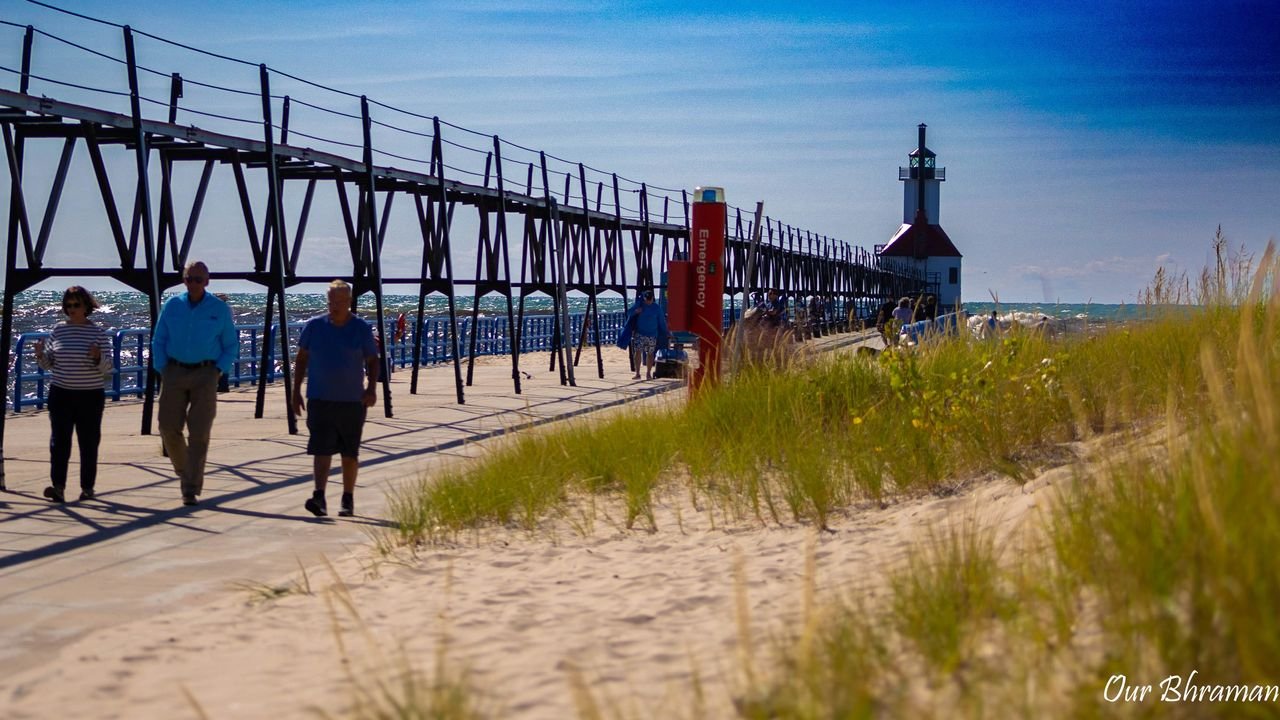
Together, these lighthouses form an iconic duo, offering stunning views and a glimpse into maritime history—a must-visit for anyone exploring Michigan’s west coast.
Stop 3: South Pier Lighthouse
Our next stop was the South Pier Lighthouse only 40 mins drive from previous destination. This place is often referred to as the South Haven South Pierhead Light, is an iconic destination along the Lake Michigan shoreline.
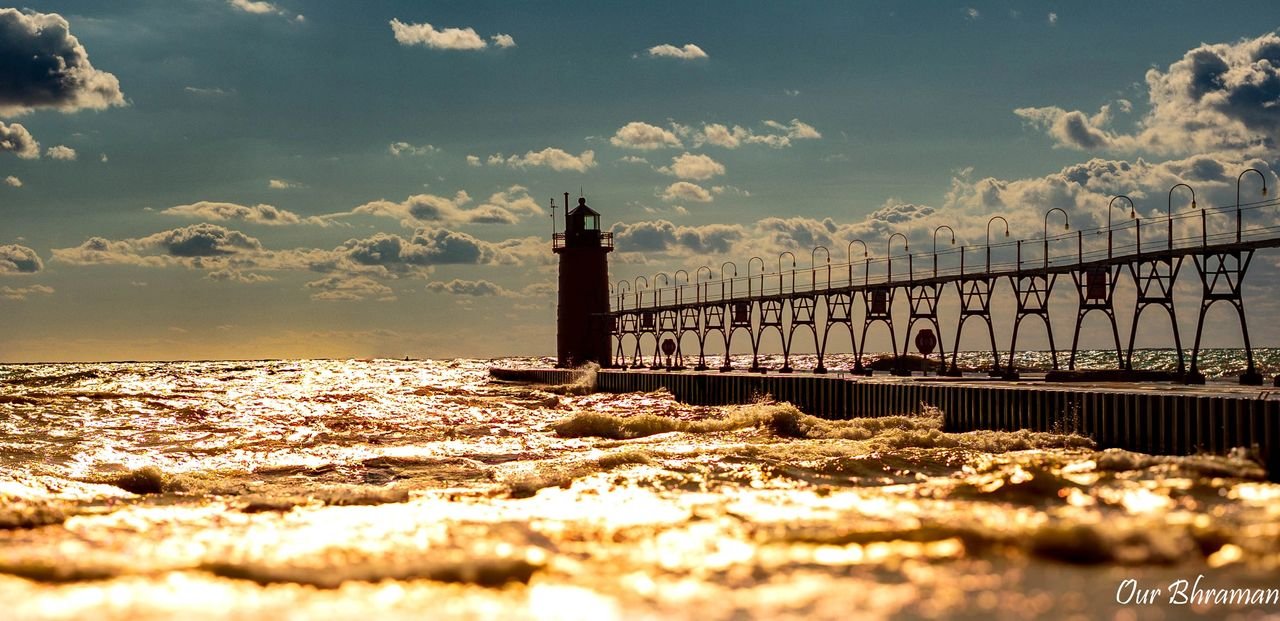
This historic lighthouse has been a beacon of guidance since 1872, and remarkably, it remains operational to this day.
The tower, a shortened version of the Muskegon South Pierhead Light, replaced an original wooden structure built in 1872. Its striking red exterior and location on a long pier make it a favorite spot for photographers and history enthusiasts alike. One of its most unique features is the original catwalk that connects the lighthouse to the shore. This piece of maritime history is one of only four remaining in the state of Michigan, adding to the lighthouse’s charm and historical significance.
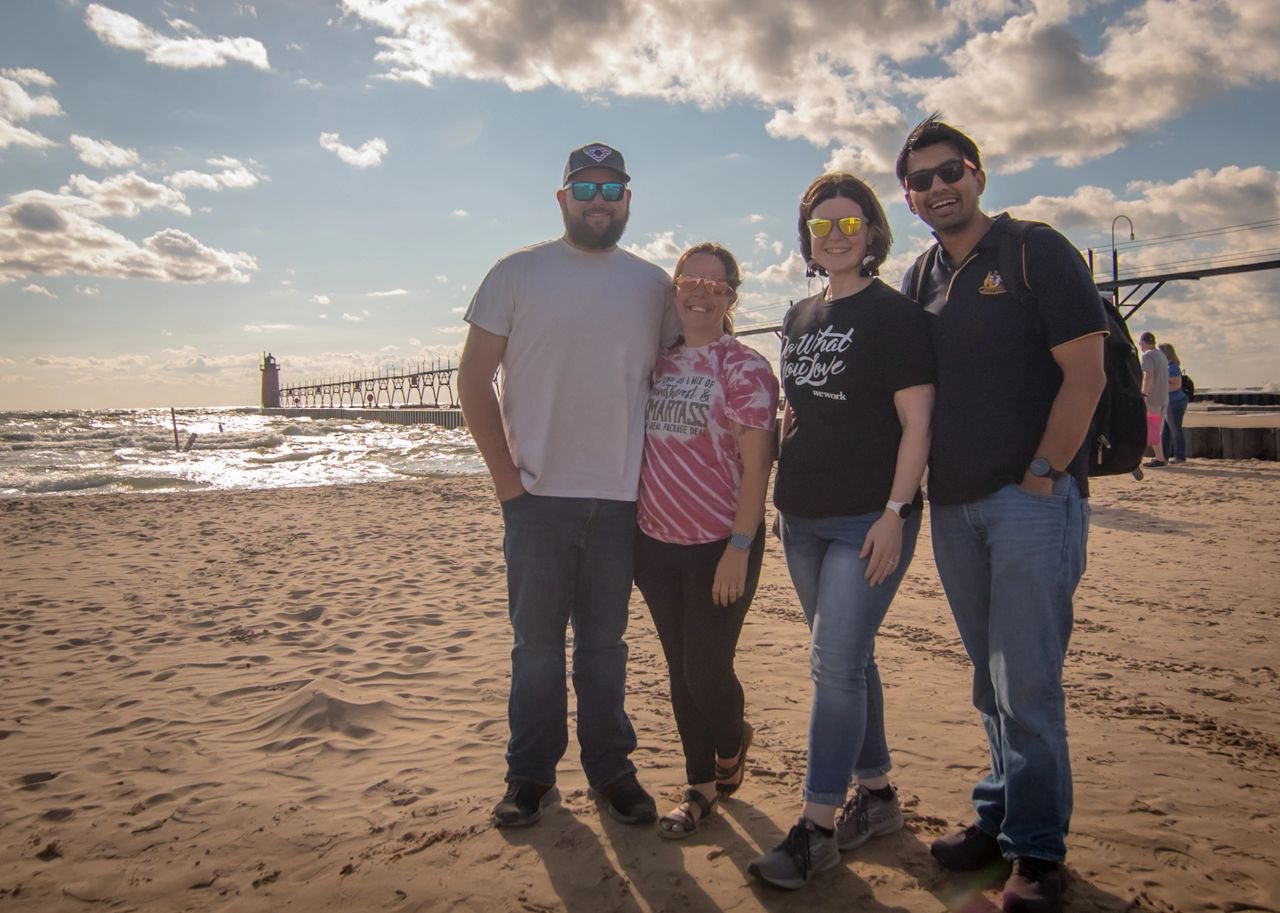
Visitors can walk along the pier to admire the lighthouse up close, especially during sunny days when the crashing waves create a dramatic and invigorating scene. Whether you’re a fan of history, architecture, or simply enjoy serene lakeside views, the South Haven South Pierhead Light offers an unforgettable experience. Make sure to bring your camera and take your time soaking in the timeless beauty of this iconic Michigan destination. The ideal time to visit is at sunset, as we visited in the middle of the afternoon, which made it challenging to capture good pictures of this beautiful spot.
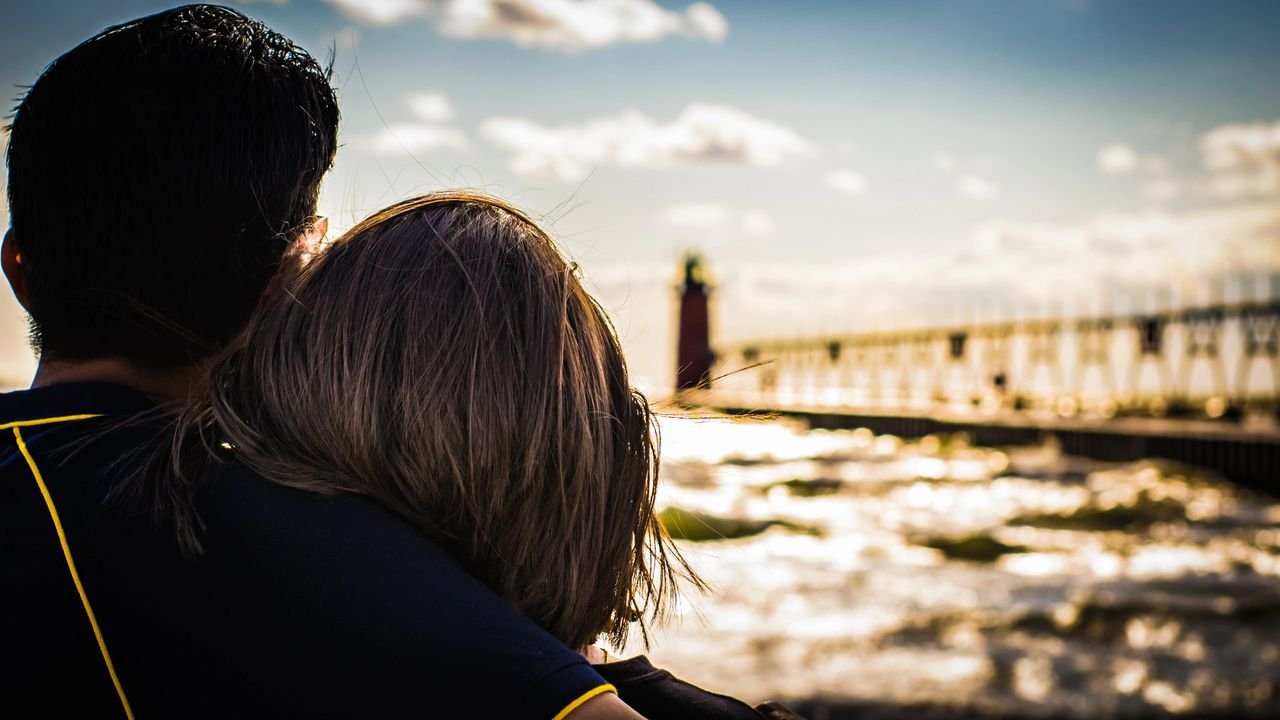
The surrounding South Beach is equally beautiful, offering sandy shores, picnic spots, and a family-friendly atmosphere. It’s a great place to relax, enjoy the lake breeze, and take in the views of this picturesque Michigan landmark.
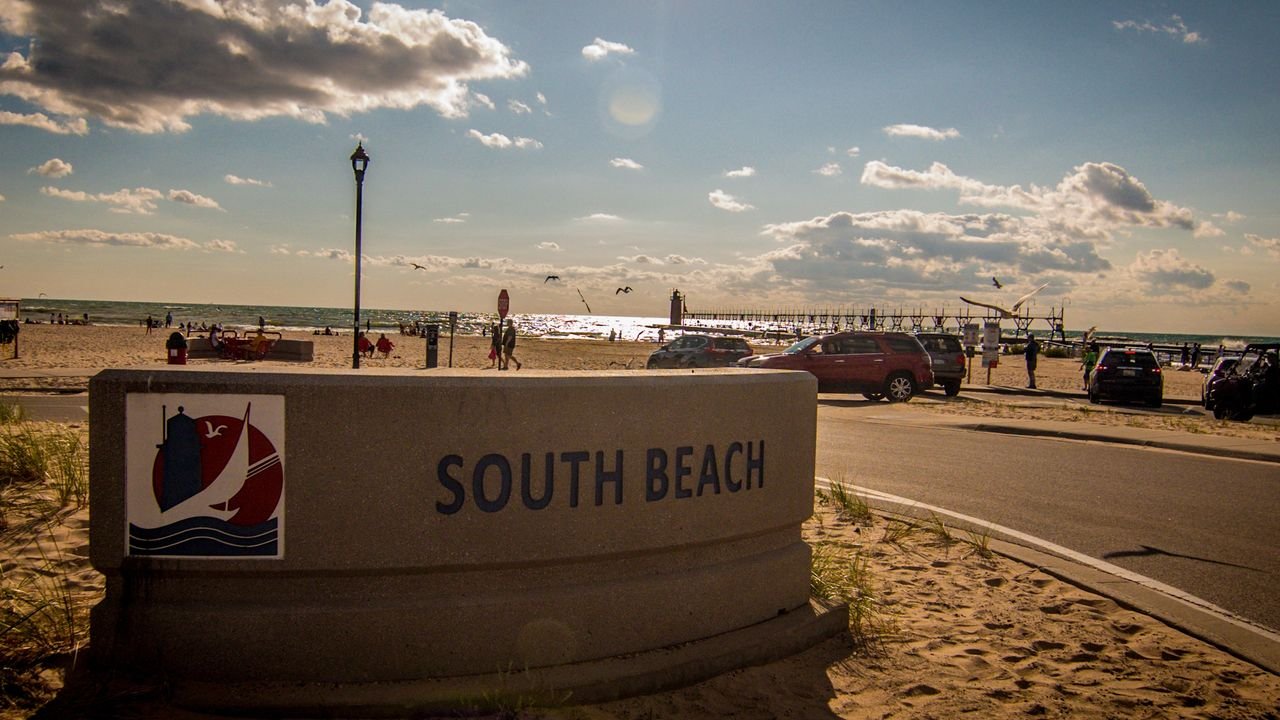
After spending close to hour exploring this place we head to our last spot of the day.
Stop 4: Big Red Lighthouse
The Big Red Lighthouse, located at the entrance of the Holland Channel in Holland, Michigan, is one of the most iconic and photographed lighthouses in the state. Its striking red structure, set against the backdrop of Lake Michigan, makes it a favorite destination for visitors and a symbol of the area.
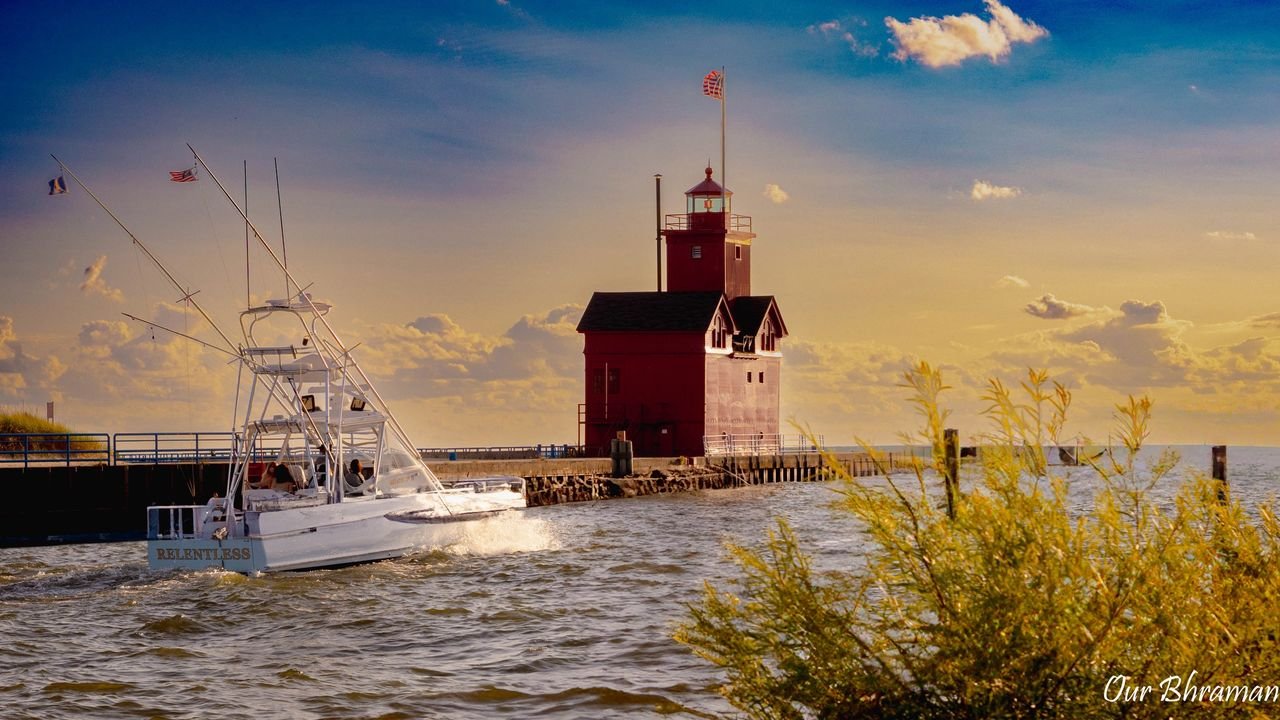
The lighthouse is located on the south side of the Holland Channel, but direct access to the structure is limited due to its position on private property. Visitors can view it from across the channel at Holland State Park, which offers beautiful perspectives of the lighthouse, especially during sunset. The lighthouse stands proudly across the channel, and while you can’t get too close—about 100 feet away—it’s still a sight to behold. Standing there, with the soft sand underfoot and the sound of waves crashing, was such a peaceful experience.
A sunset at the Big Red Lighthouse in Holland, Michigan, is nothing short of magical. As the day winds down, the vibrant red of the lighthouse becomes even more striking against the golden hues of the setting sun. The sky transforms into a masterpiece, blending shades of orange, pink, and purple, all reflecting off the calm waters of Lake Michigan.
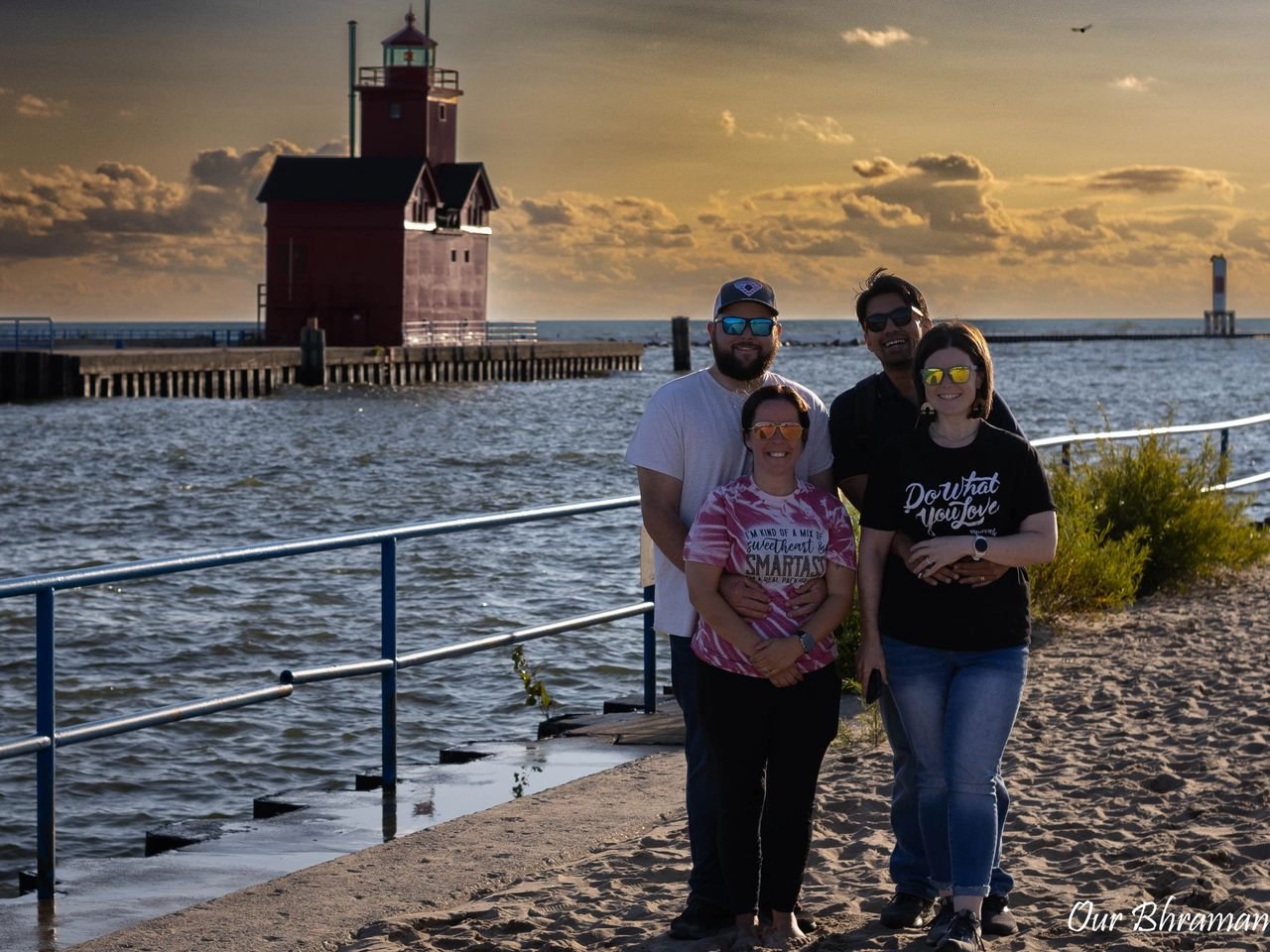
We found free parking near the marinas, which was super convenient since we visited during the off-season. The beach was clean, and the sand was so soft, making it perfect for a relaxing walk along the shoreline.
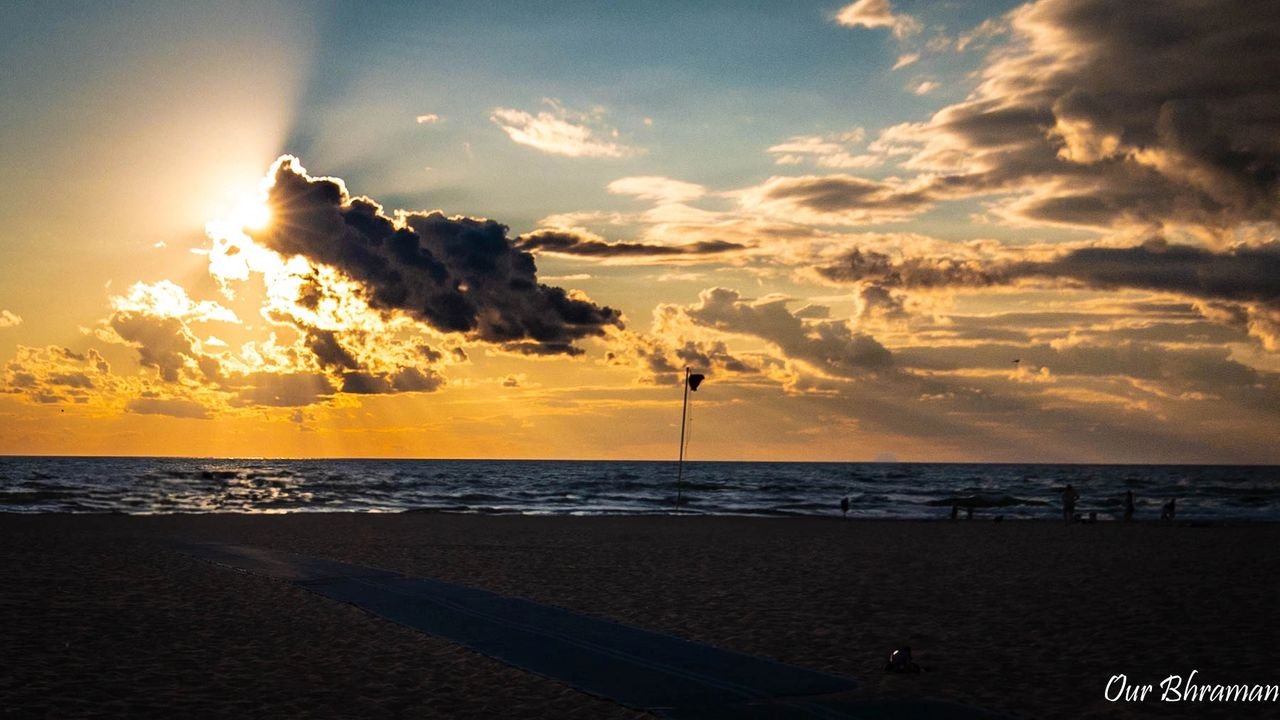
Families and couples gather along the soft, sandy beach to share the moment, often with cameras in hand to capture the fleeting magic.
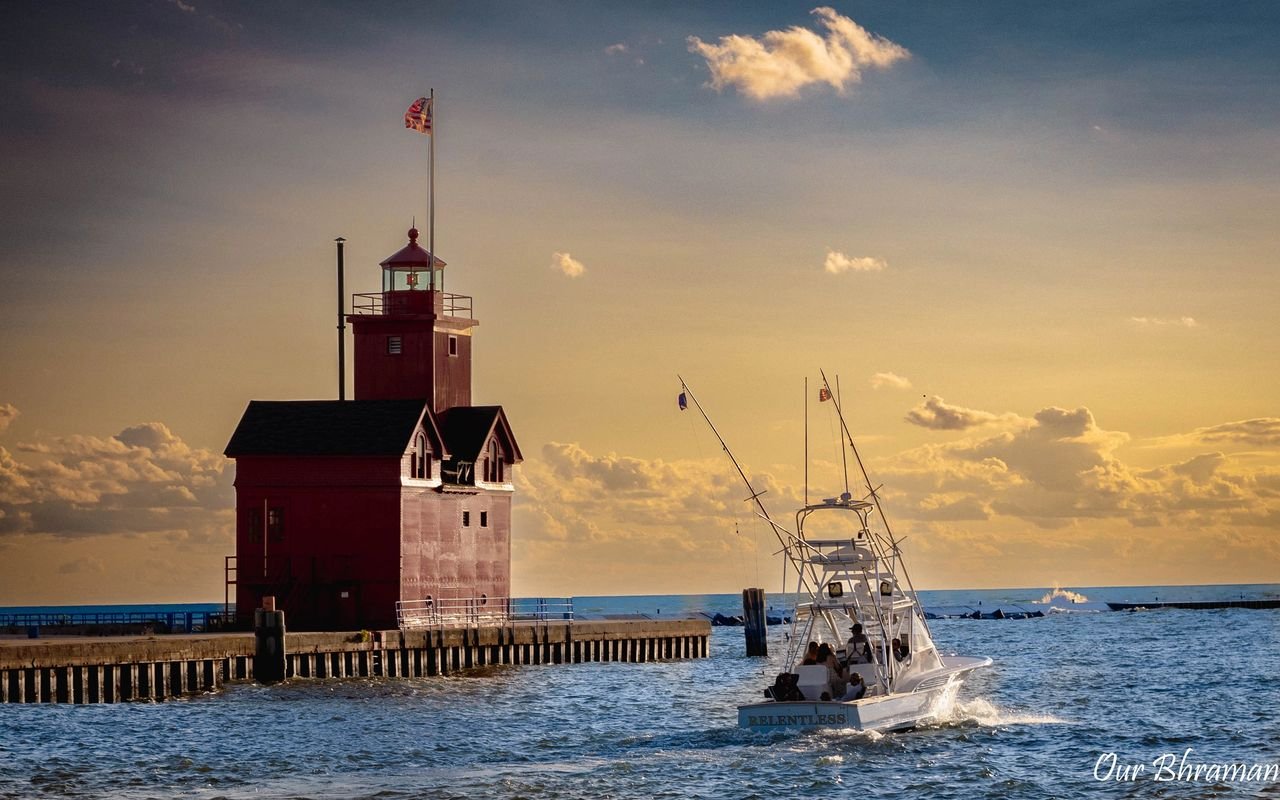
As the sun dipped below the horizon, painting the sky in hues of orange and pink, we stood there, soaking in the serene beauty of the moment. Watching the sunset at Big Red Lighthouse was the perfect way to end the day.
With the sky transitioning to twilight, we decided it was time to head back home. This day would not be feasible without Tyler driving us around really appreciate him for that.
As the sun dipped below the horizon, painting the sky in hues of orange and pink, we stood there, soaking in the serene beauty of the moment. Watching the sunset at Big Red Lighthouse was the perfect way to end the day. The tranquil sound of the waves and the gentle breeze made it an experience to remember.
With the sky transitioning to twilight, we decided it was time to head back home. We couldn’t help but feel grateful to Tyler for driving us around and showing us these stunning Michigan lighthouses. His enthusiasm and knowledge made the journey even more special, and it’s thanks to him that we got to witness these beautiful landmarks. It was a day filled with unforgettable moments, capped off by the magic of a Michigan sunset.
Day-2- East Coast Lighthouse/Port Huron Attraction
On second day we end up visiting east cost side of MI, close stop from flint to visit the city of the Port Huron attractions and Fort Gratiot Lighthouse.
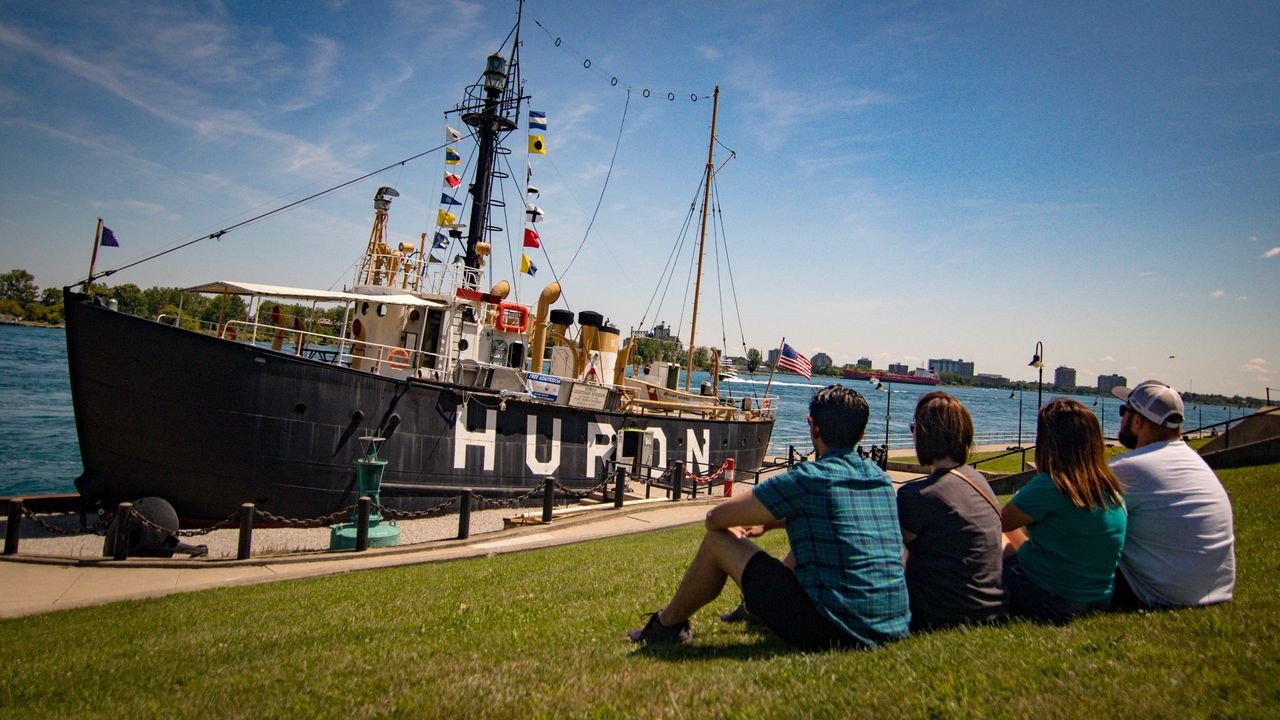
We started the day with a visit to the Huron Lightship. This was the last operating lightship on the Great Lakes and served for over 50 years before being retired in 1970. The Huron Lightship was stationed as a navigational aid at various points in Lake Huron, including its final location near the mouth of the St. Clair River. Unlike traditional lighthouses built on land, lightships were mobile and could anchor in deep water where permanent structures were impractical.
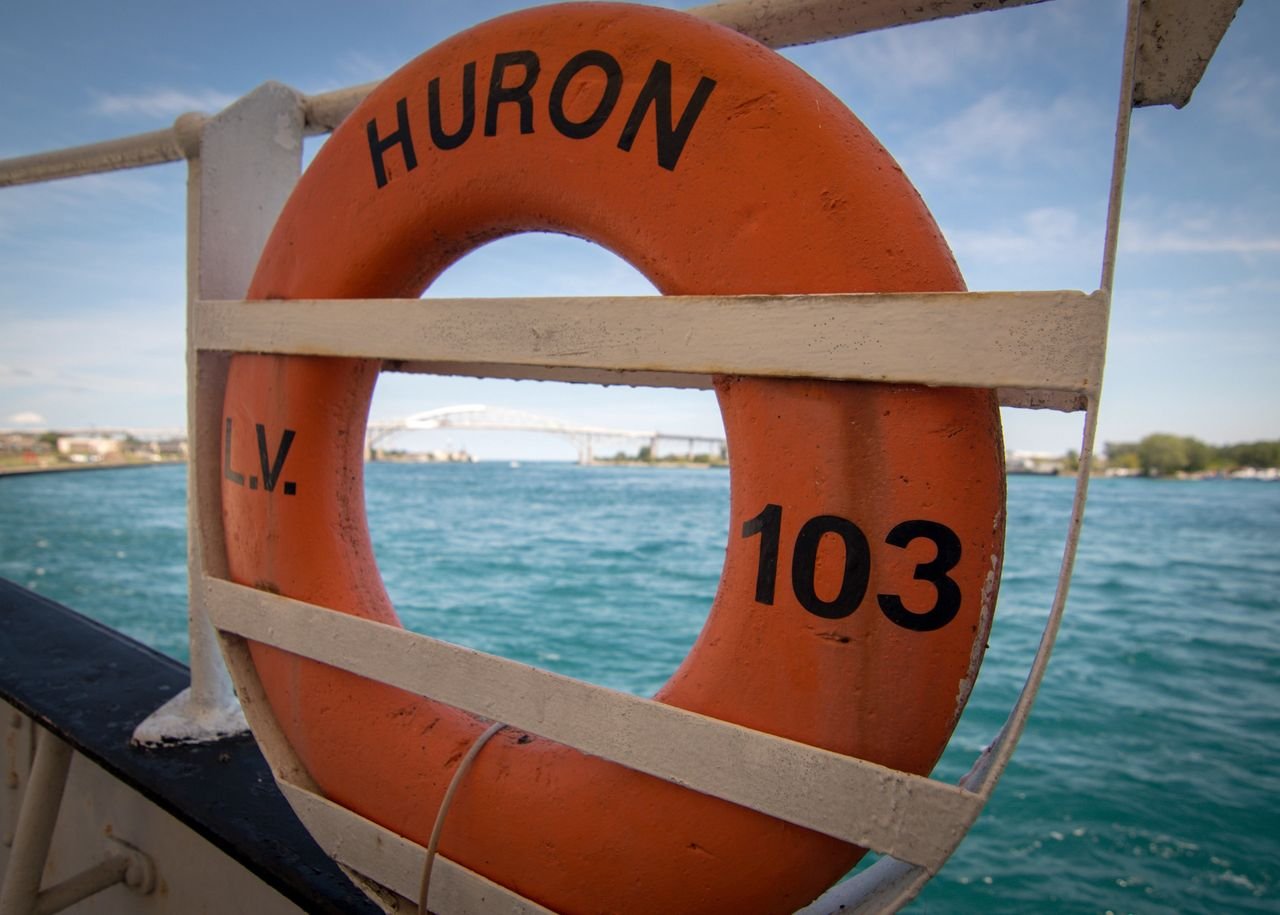
A tour of this historic vessel offers a fascinating glimpse into maritime history. Known as the last lightship operating on the Great Lakes, the Lightship Huron played a vital role in ensuring safe navigation for vessels traveling through Lake Huron. Now a floating museum, it provides visitors with an immersive experience of life aboard this remarkable ship.
We explored the crew quarters to see how the crew lived and worked during their long assignments at sea. Walking through the engine room, we learned about the technology that powered this unique vessel. We also saw the beacon light and fog signal and discovered how these essential tools kept ships safe during challenging weather conditions and poor visibility.
Walking through the ship felt like stepping back in time. The compact living spaces, the smell of polished wood, and the clanging metal fixtures gave us a sense of what life was like for the crew. Knowledgeable guides and self-guided plaques provided rich context, making the tour both educational and engaging.
Next stop for the day was walk along the lake shore
We strolled through St. Clair River Walk. This is a beautifully maintained path that stretches along the riverbank, providing stunning views of the Blue Water Bridge, the St. Clair River, and Canada just across the water. The walk is lined with park benches, gardens, and sculptures, creating a peaceful environment perfect for a leisurely stroll or a moment of relaxation.
We took our time, stopping at benches to watch the freighters glide gracefully through the calm waters of the St. Clair River. Seeing these massive ships up close was fascinating—it’s incredible to think about the journeys they’ve made and the cargo they carry.
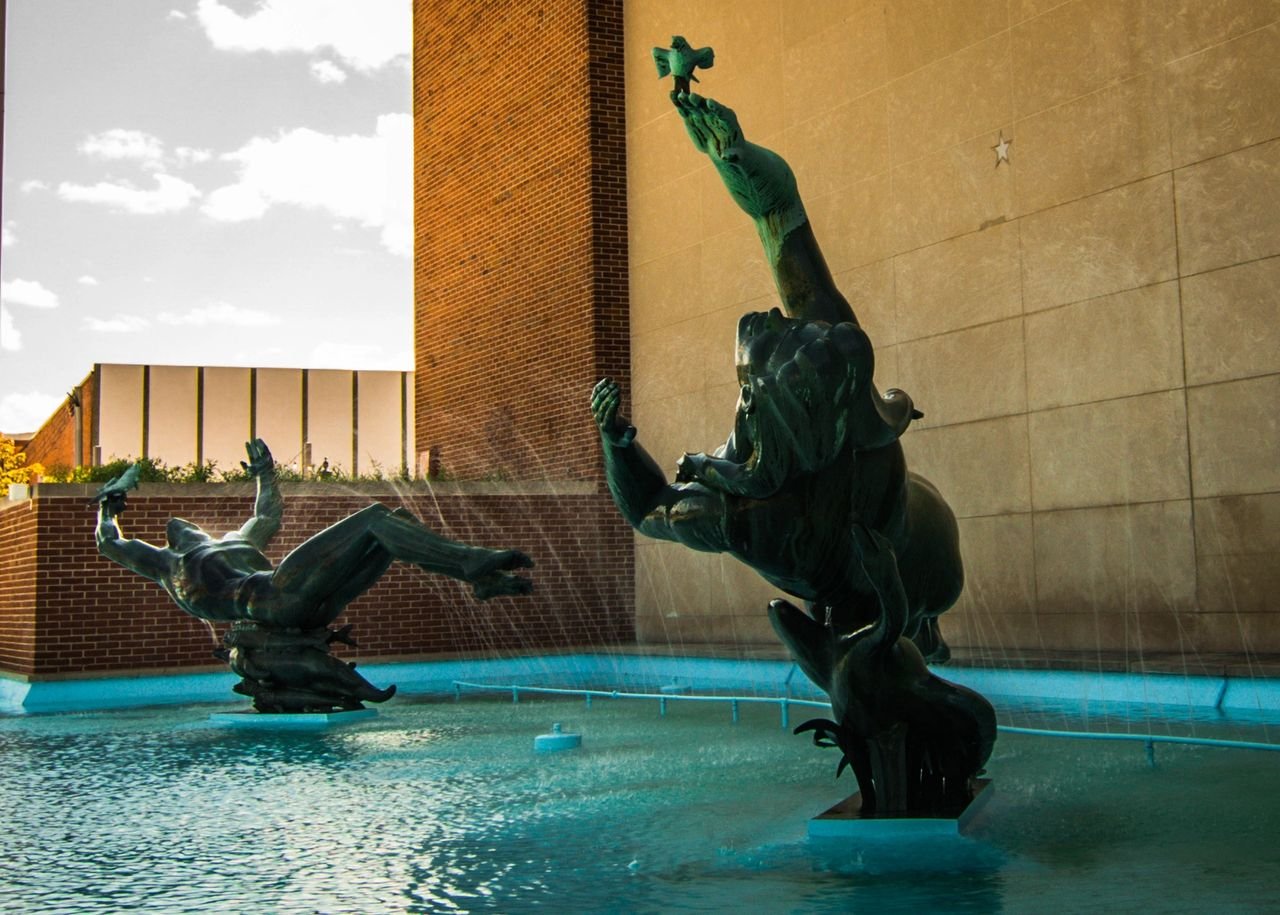
The gentle sound of the waves lapping against the shore and the crisp breeze coming off the river added to the peaceful atmosphere. Along the way, we came across charming sculptures and interpretive signs that shared stories of the area’s rich maritime history. It was a nice touch that made the walk not only scenic but also educational.
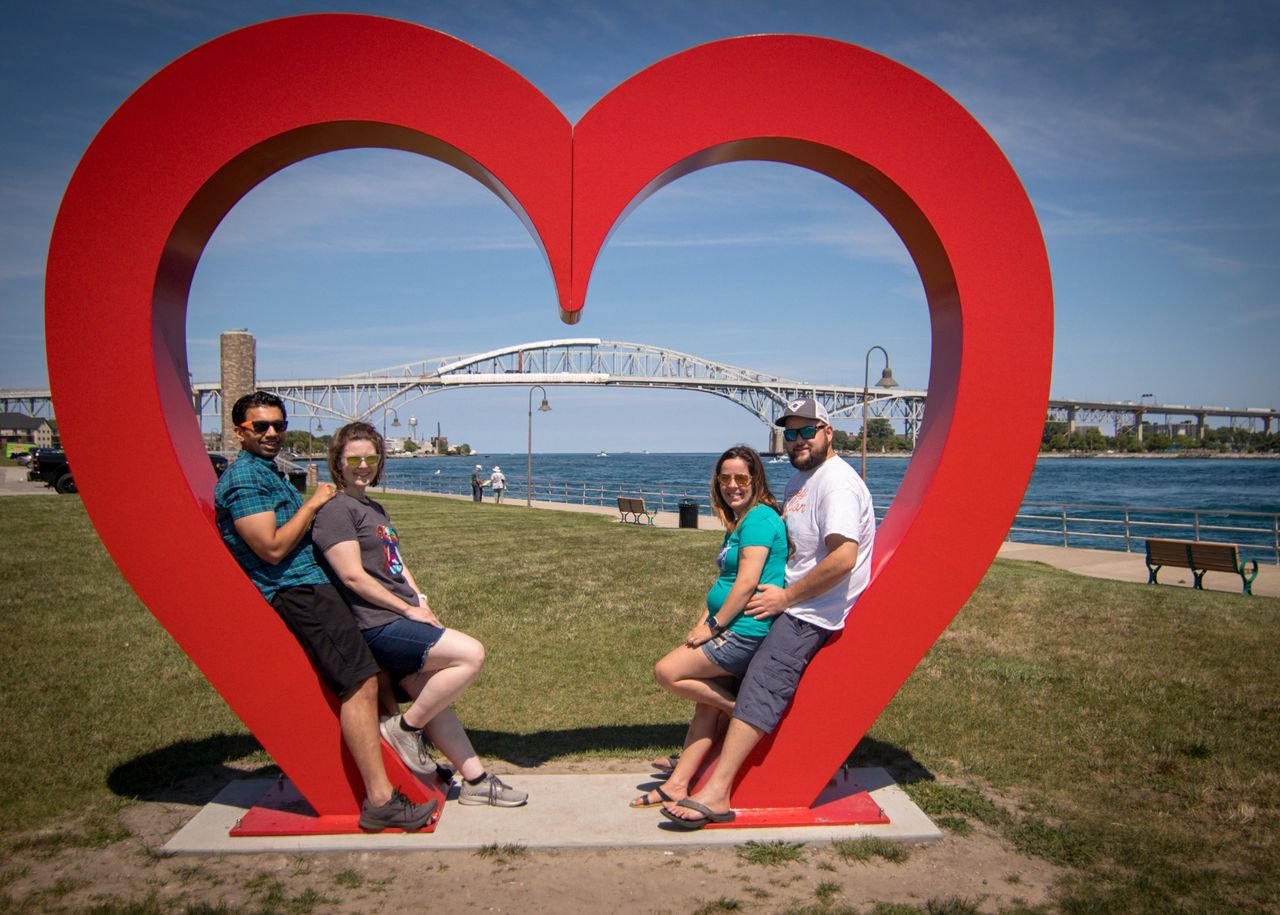
As we walked, we couldn’t help but admire the vibrant blue of the water, contrasting beautifully with the greenery around us and the bridge overhead. It was one of those moments that felt timeless—just enjoying the simplicity of nature and the quiet beauty of Michigan’s waterways.

If we don’t snap some funny pictures along the way, can we even call it a fun adventure?
One of the uniqe and most cheap to free activity to do in the Blue Water Trolley. This is a charming and nostalgic way to explore the city. Offering a one-hour narrated tour, the trolley takes passengers to 50 points of interest, showcasing the rich history, vibrant culture, and scenic beauty of the area.
For just 10¢ for adults and 5¢ for seniors, this budget-friendly ride provides incredible value. Tips are appreciated but not required, ensuring an accessible experience for all. Passengers can board the trolley at the city bus center opposite the McMorran Complex or at the stop on Huron Avenue near Farm Bureau Insurance.
Whether you’re a first-time visitor or a local looking to rediscover your city, the Blue Water Trolley is a fantastic way to get an overview of Port Huron’s downtown area while enjoying a relaxing and informative journey.
Next on the walk, we came across the Military Street Tunnel. This place holds both practical and cultural significance for the community. Serving as an underpass beneath Military Street, it provides a crucial pedestrian link between neighborhoods and local attractions. Over time, the tunnel has evolved from a simple walkway into a canvas for artistic expression and community engagement.
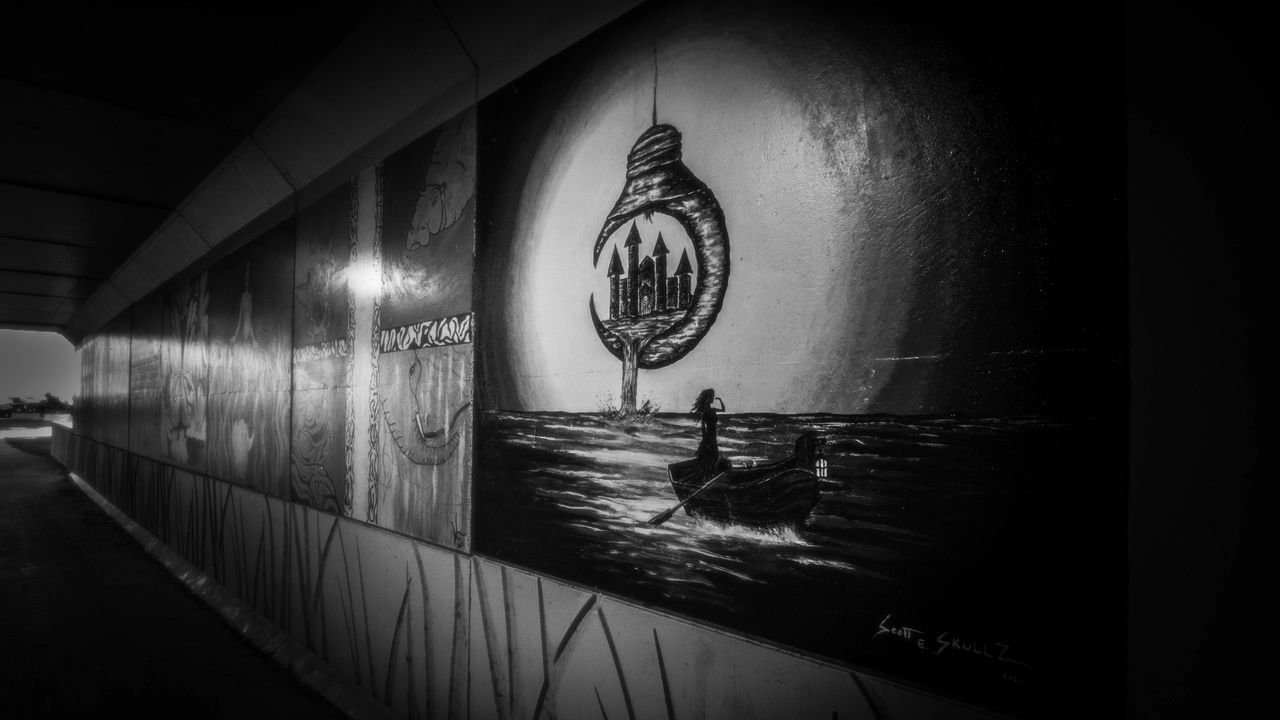
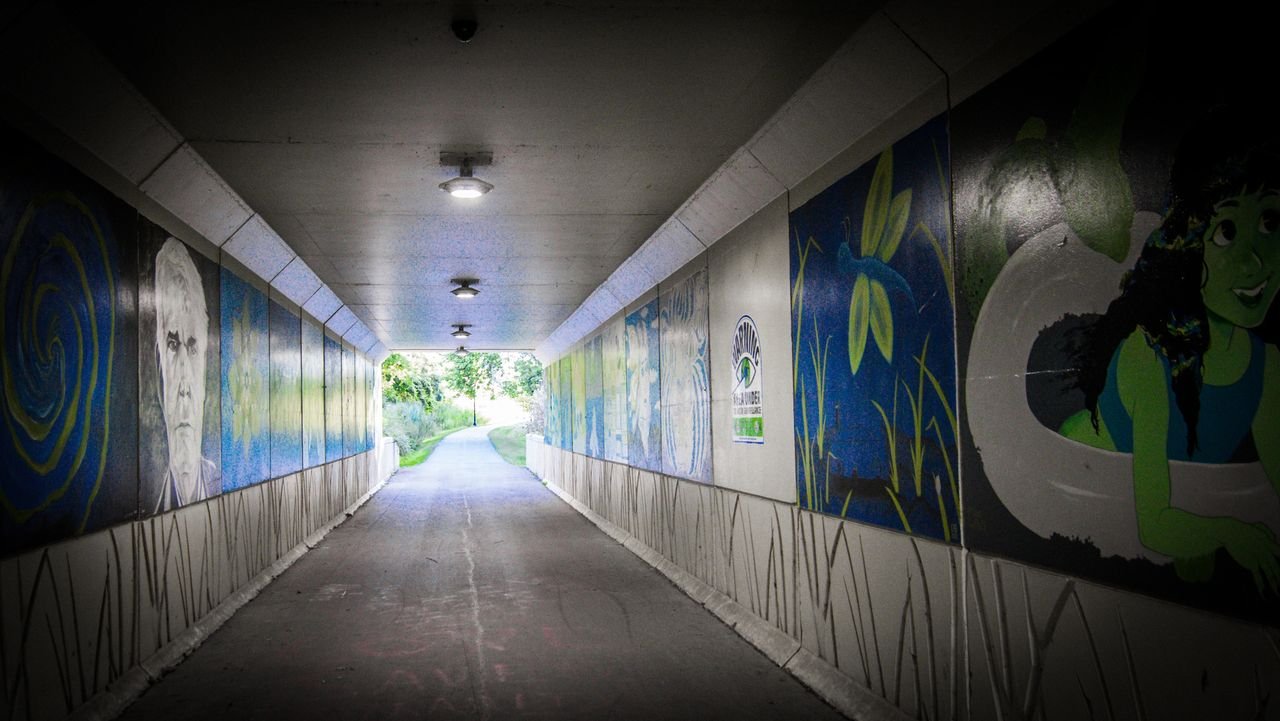
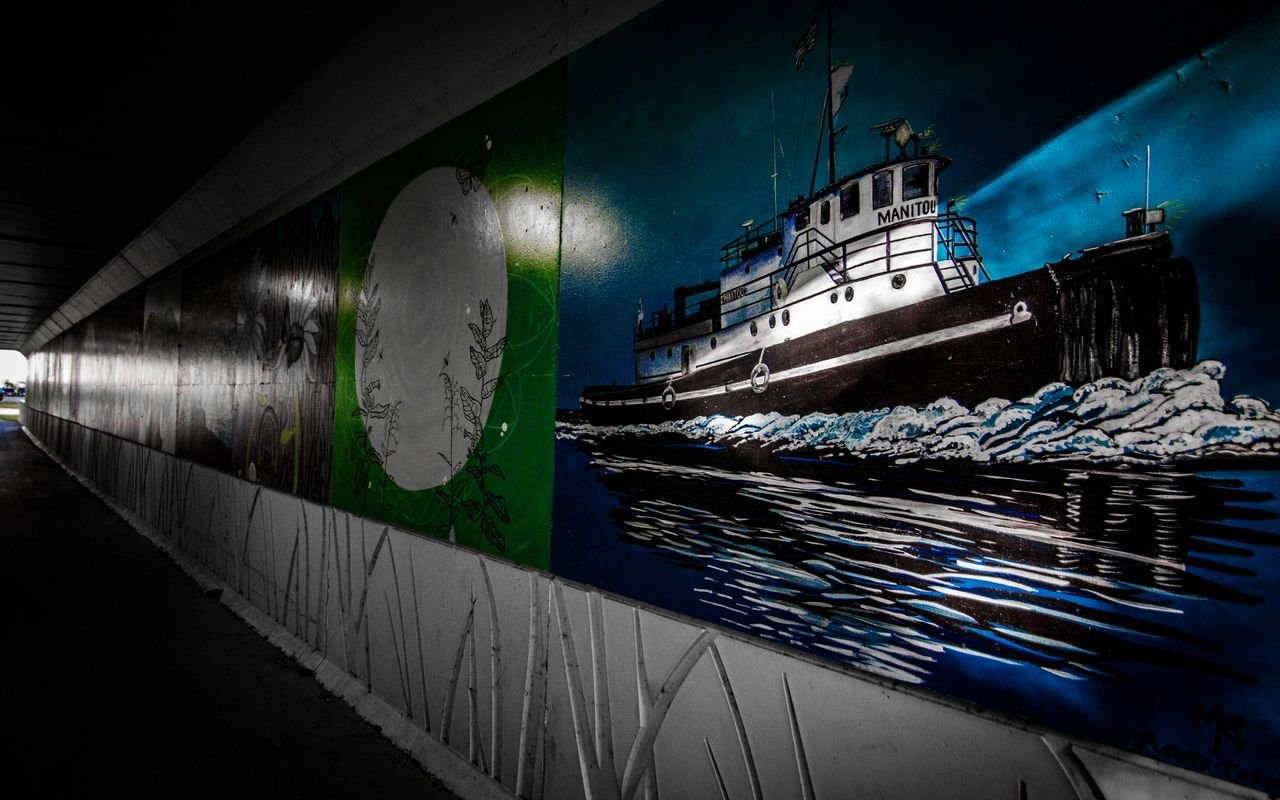

In the past, this place was covered with graffiti, but the revitalization of the Military Street Tunnel demonstrates Port Huron’s commitment to enhancing public spaces, making them more welcoming, and fostering a sense of pride and connection among residents.
Finally, we decided to get to our main attraction for the day Fort Gratiot Light Station. Located at the mouth of the St. Clair River on Lake Huron, is a significant historical landmark and the oldest lighthouse in Michigan. It holds the distinction of being the second oldest lighthouse on the Great Lakes. The current tower, standing tall since its construction in 1829, has guided mariners for over 187 years. Over the years, the lighthouse has undergone various renovations, with the tower itself being one of the most prominent and enduring features of the site.
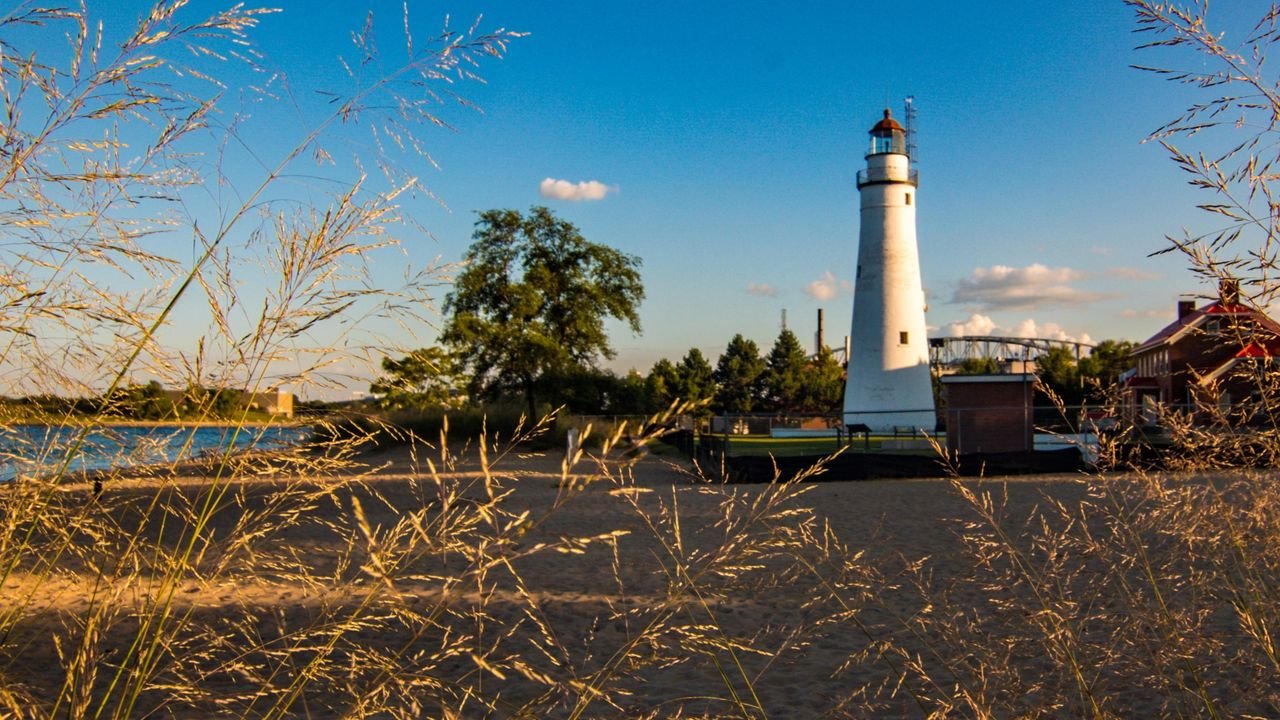
The first thing we notice upon arriving at the Fort Gratiot Light Station is the striking white lighthouse tower, which reaches 86 feet into the sky. The surrounding grounds are well-maintained, and the view of the lighthouse against the backdrop of Lake Huron is picturesque. The site has a calm and historical ambiance that invites visitors to reflect on its long-standing history of maritime service.
The highlight of any visit is, of course, the lighthouse tower itself. Visitors can climb to the top (if open to the public), offering a stunning panoramic view of the St. Clair River, Lake Huron, and the surrounding area. The climb up the narrow staircase is steep but manageable, and the reward at the top is well worth it. From this vantage point, one can appreciate just how significant the lighthouse has been in guiding vessels into safe harbor.
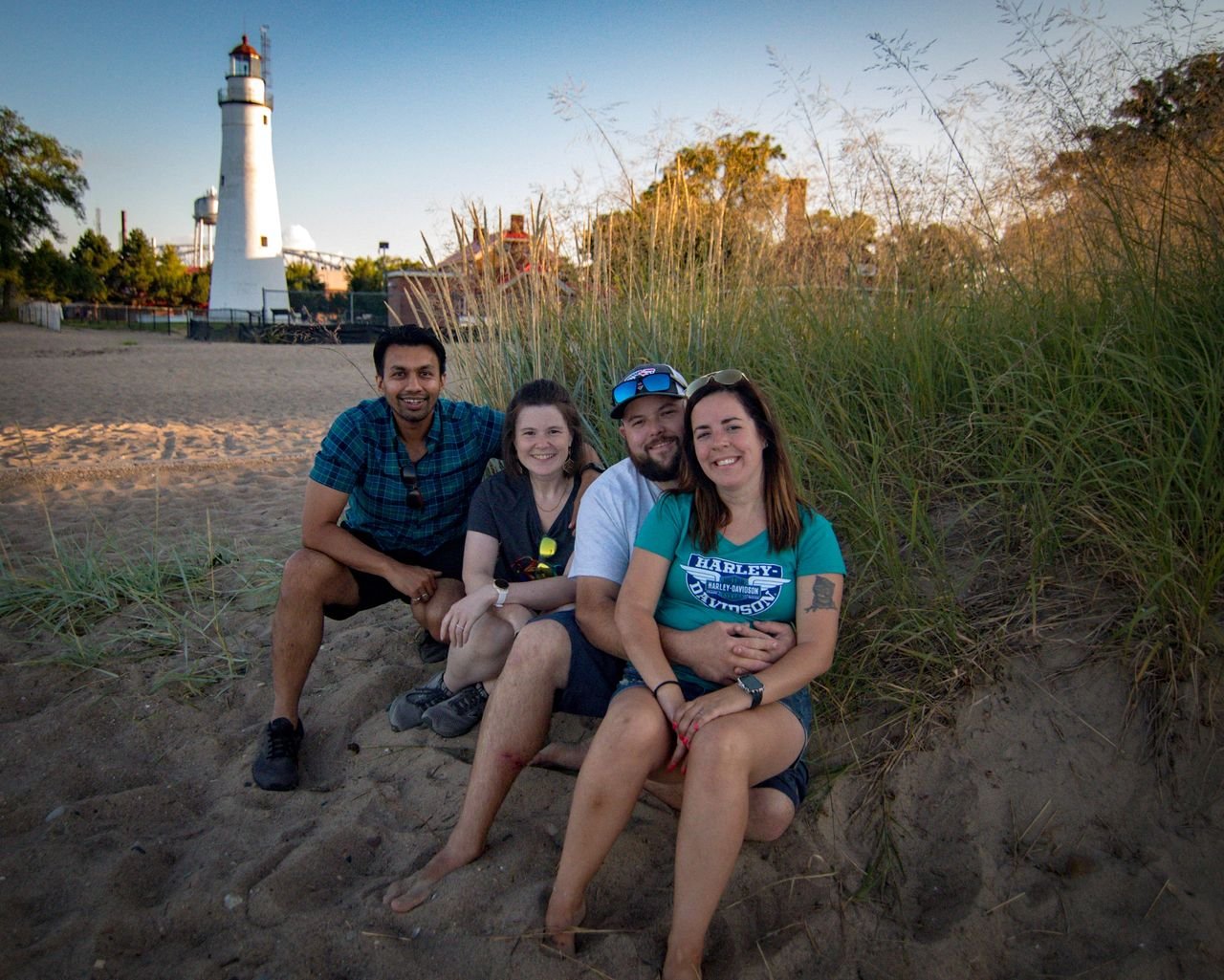
The beach next to the Fort Gratiot Light Station is a beautiful and peaceful spot, offering a relaxing environment with scenic views of Lake Huron and the nearby lighthouse. This small beach area is perfect for those looking to enjoy the waterfront without the crowds of larger, more commercialized beaches.
The beach offers stunning views of the Fort Gratiot Light Station, creating a picturesque setting for photos or simply enjoying the surroundings. You can watch ships pass through the St. Clair River and out into Lake Huron.
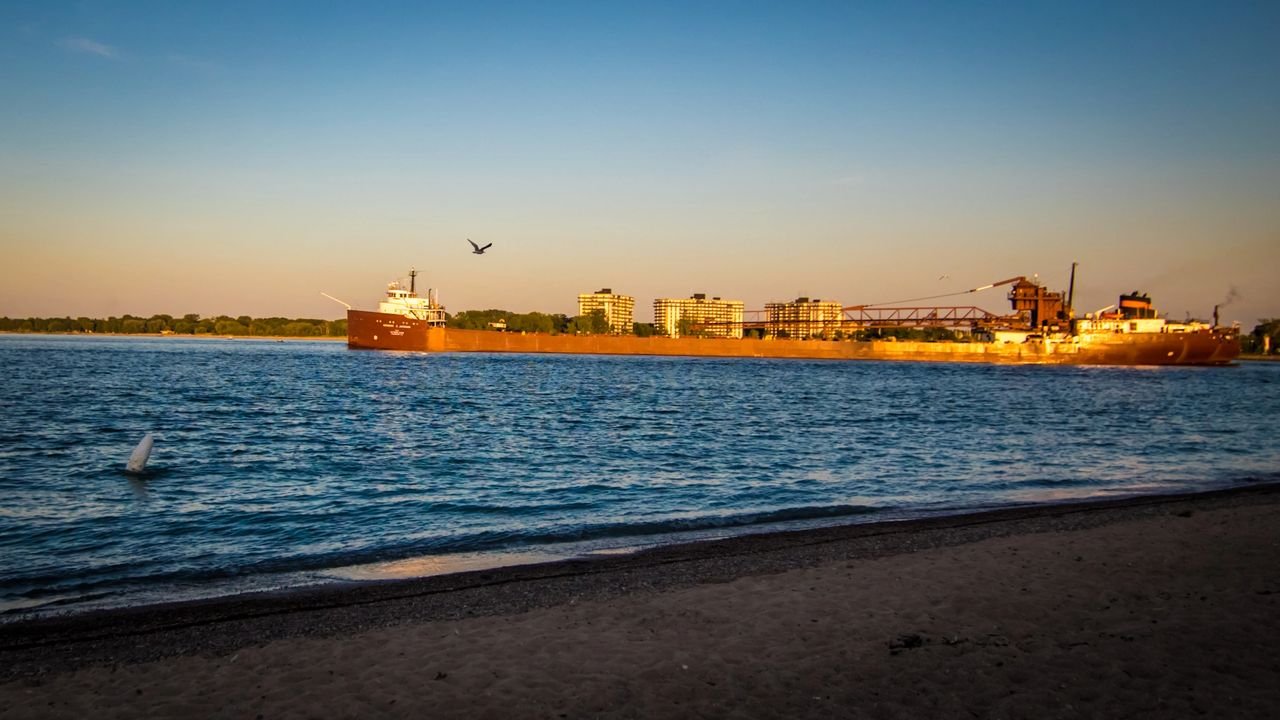
After a long day of exploring Port Huron and its many attractions, we decided to drive back and conclude the day.
Day-3 Camping up North Michigan
We decided to make St. Ignace / Mackinac Island KOA Holiday as our camp to drive to different destination UpNorth.
After parking the camper, we headed to our first destination of the day in Manistique, MI, nearly 100 miles from our campground. The Big Spring, also known as Kitch-iti-kipi, was named the “Mirror of Heaven” by early Native Americans. This natural freshwater spring is Michigan’s largest and is located within Palms Book State Park in the Upper Peninsula. The name Kitch-iti-kipi is an Ojibwe phrase often interpreted as “The Big Cold Spring” or “The Great Spring.” Its alternative poetic title, “Mirror of Heaven,” reflects the pristine, crystal-clear waters that mirror the surrounding natural beauty.
To reach Kitch-iti-kipi, you’ll take a very short walk through a scenic path lined with pine trees to the spectacular emerald springs. The path is flat and accessible, with no stairs, making it easy for everyone to enjoy. Interestingly, the best way to view the spring is by boarding a self-guided raft that can carry multiple people.
We hopped aboard the self-guided, accessible observation raft at Lake Kitch-iti-kipi in Palms Book State Park. The raft glides across the stunning, bubbling emerald-green waters, offering a close-up view of Michigan’s largest freshwater spring.
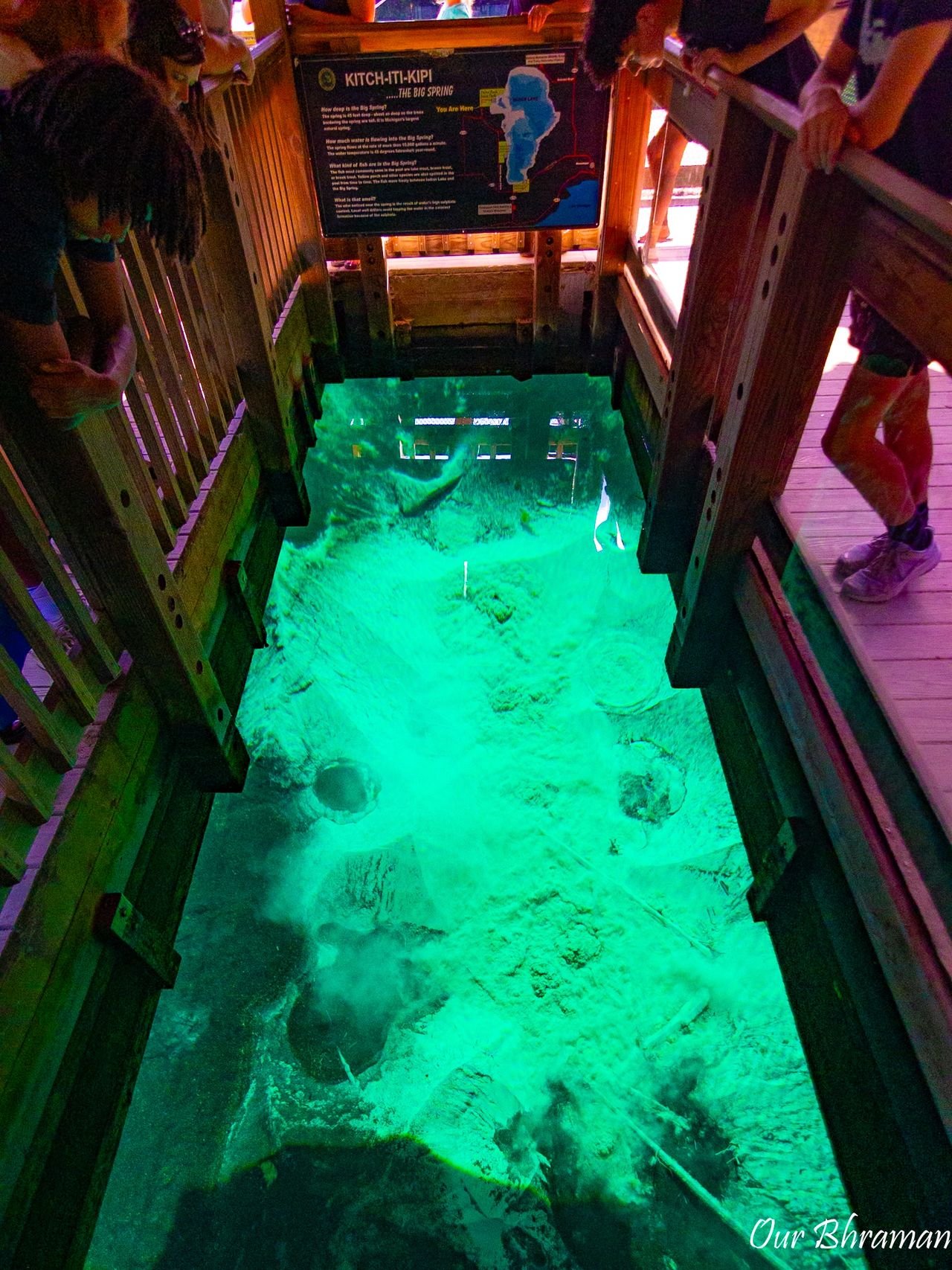
The middle viewing area was my favorite part—the crystal-clear water allowed us to see fish swimming gracefully and ancient tree trunks resting at the bottom. The magical bubbling springs added an enchanting touch to the experience.
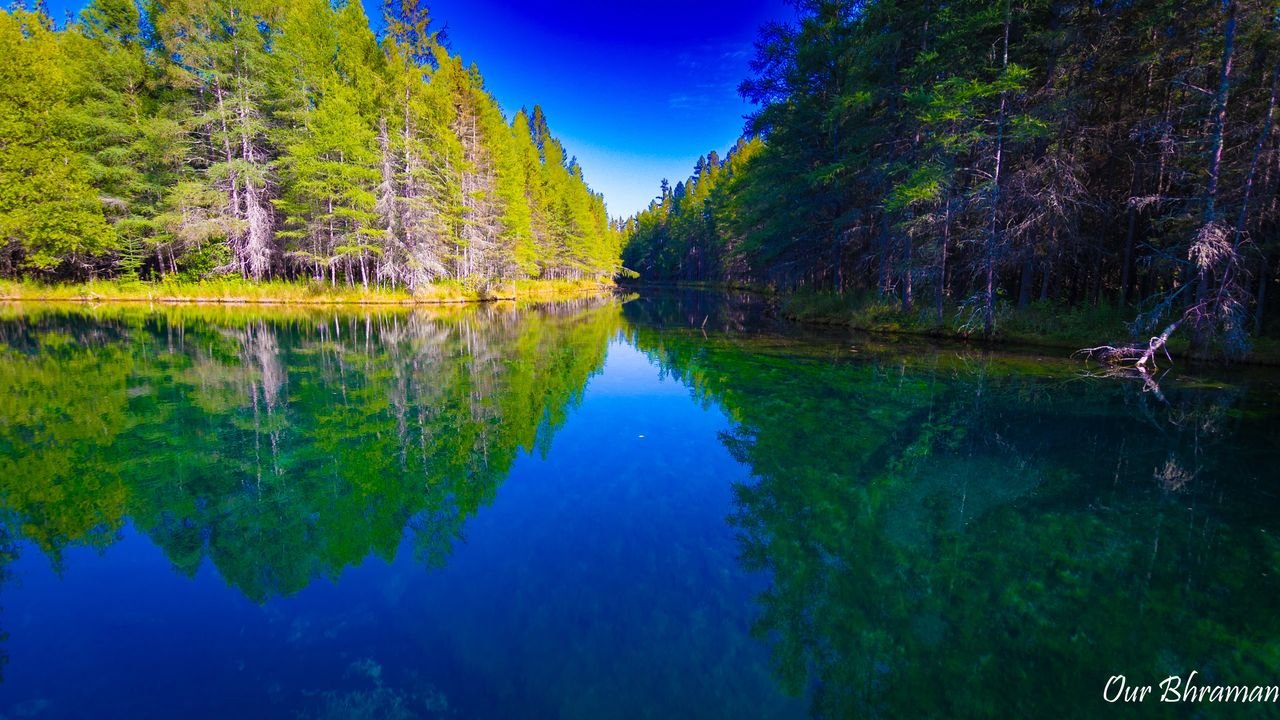
The spring maintains a constant temperature of 45°F year-round and features mesmerizing emerald-green hues. Visitors can enjoy its tranquility via a self-operated observation raft, which provides views of the bubbling sand and fish below the surface. Its serene beauty and cultural significance make it a must-see destination for nature enthusiasts and history lovers alike.
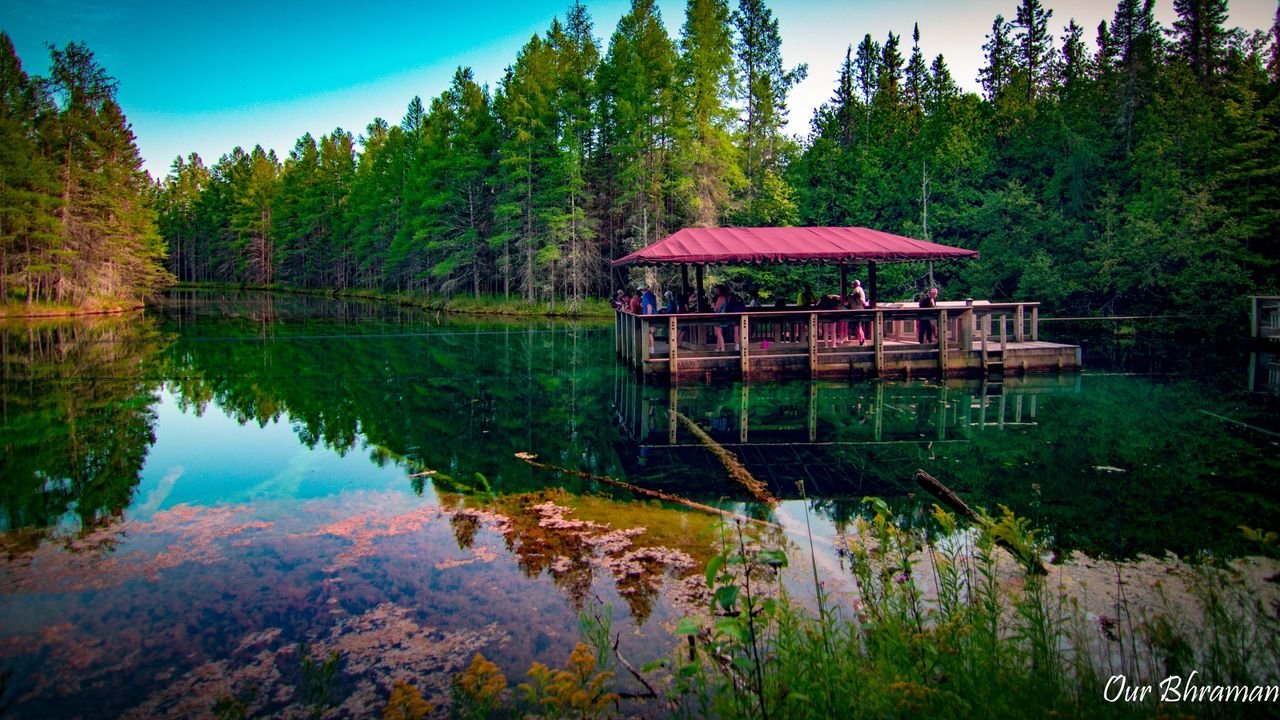
The raft, which has a roof to reduce sun glare, provides a perfect view of the underwater world. It’s operated by a crank, and someone in our group took turns propelling the raft along its guided line. The best part? The ride is completely free, and you can go as many times as you like.
We stayed on the raft for about half an hour, captivated by the peaceful beauty and unique perspective of this natural wonder. It’s no surprise that Kitch-iti-kipi is a favorite spot for visitors.
During our trip, the Cut River Bridge turned out to be one of those delightful, unexpected stops that added a touch of adventure to our journey. We hadn’t planned for it, but curiosity got the better of us, and we decided to explore.
As we made our way down the 300+ stairs to the bottom, the view became increasingly mesmerizing.
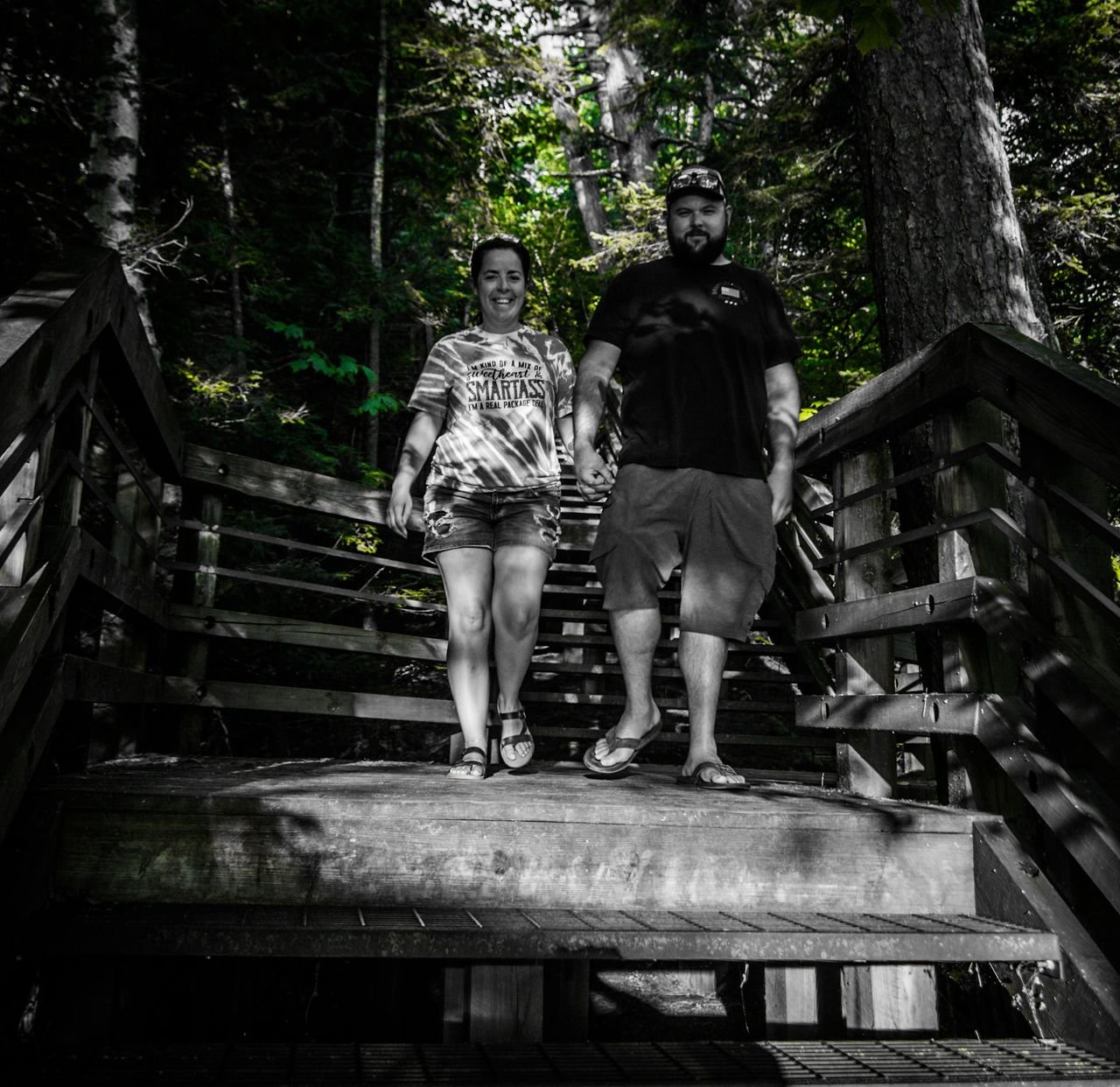
At the base, we were greeted by a serene beach with a peaceful stream flowing gracefully into the lake. The contrast between the dense forest framing the stairs and the open, shimmering waters below was simply stunning.
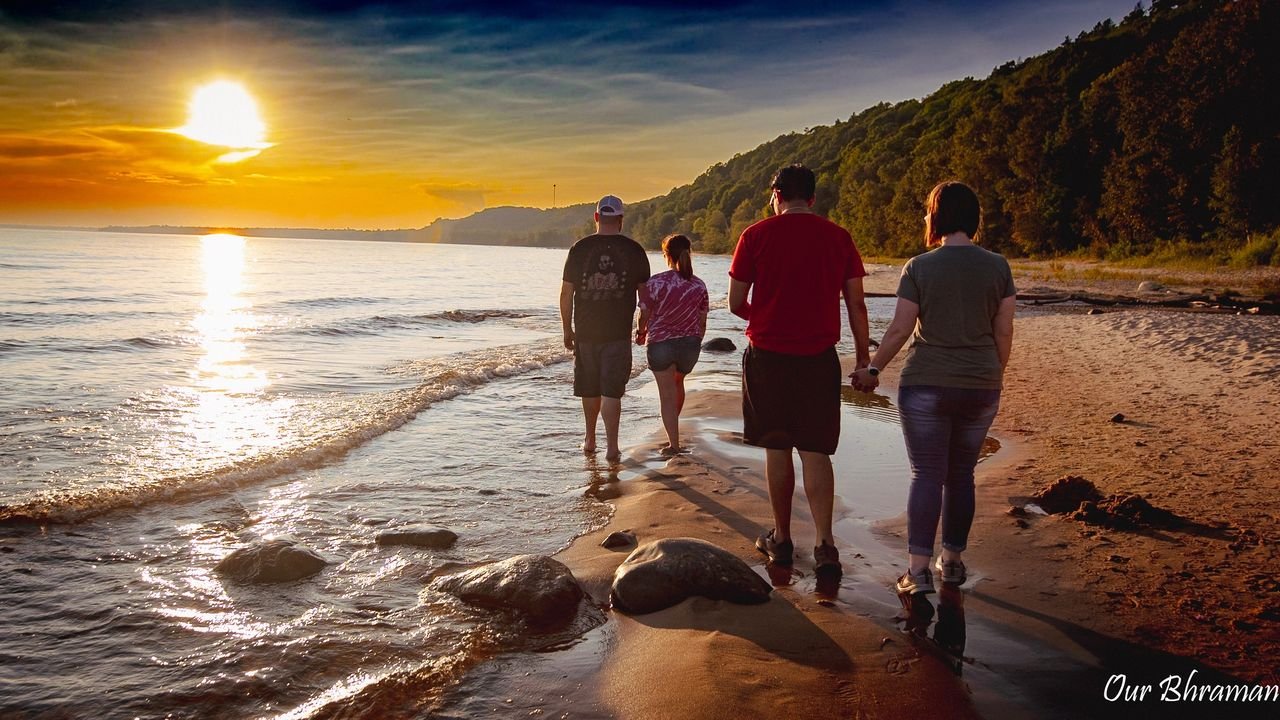
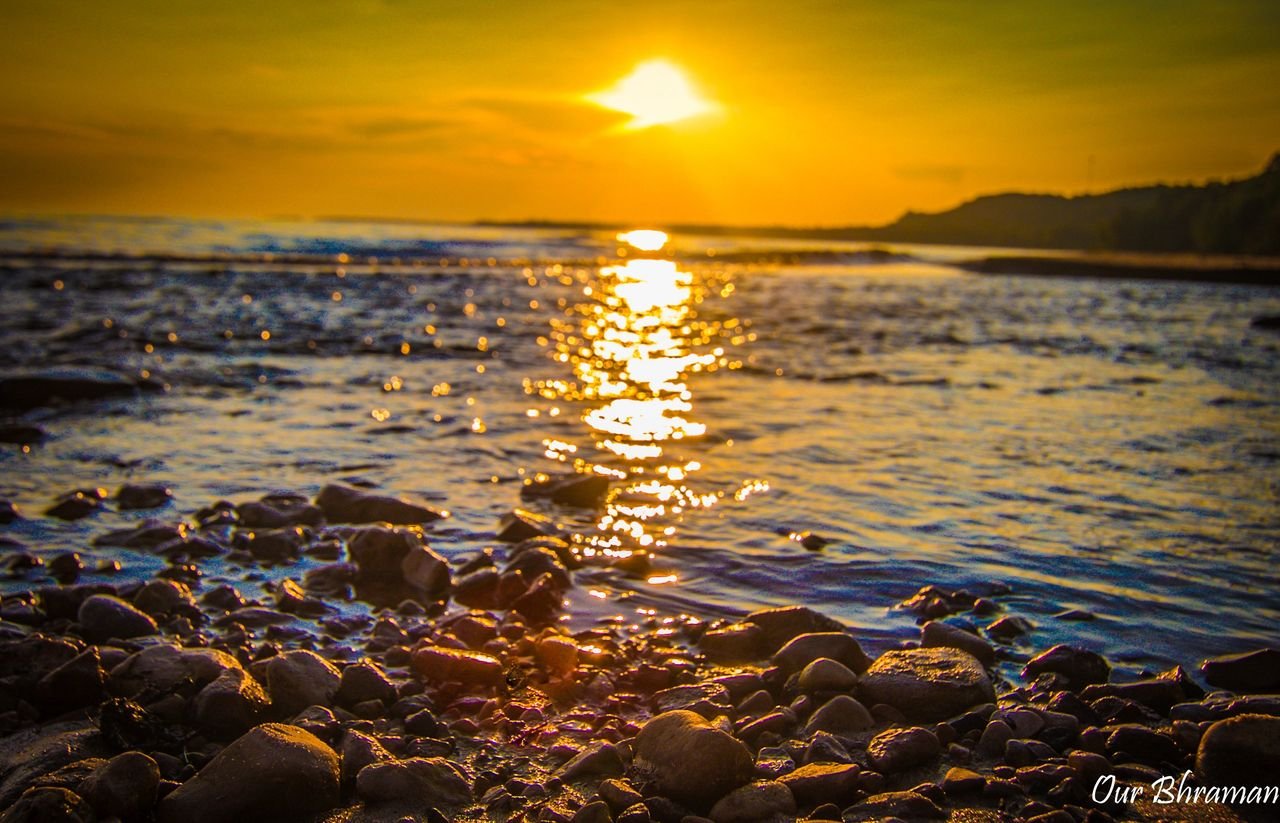
The spot is perfect for watching the sunset. As the sun dipped below the horizon, the sky exploded into hues of orange and pink, reflecting beautifully off the lake. It was one of those moments where time seemed to stand still, and we couldn’t help but pause and soak it all in.
Climbing back up the stairs, however, was a whole different experience—a bit of a workout, to say the least! Cut River Bridge isn’t just about the views; it’s about the adventure of reaching them and appreciating the beauty along the way.
Day-4 Camping up North Michigan
Today, we visited Munising, Michigan, a gem in the Upper Peninsula of Michigan. With its stunning Pictured Rocks National Lakeshore, beautiful waterfalls, and endless outdoor activities, it’s a paradise for nature lovers.
After a drive of more than 2 hours and 30 minutes from the KOA campground, we arrived at our first destination of the day—Wagner Falls. This beautiful scenic site is located just 1.5 miles south of Munising, Michigan. It is part of the Michigan State Park system and is operated by the Michigan Department of Natural Resources. The falls consist of a series of three cascades that flow through a virgin hemlock and pine forest, offering a stunning view of Michigan’s natural beauty.
There’s a short, half-mile hike from the parking area to the falls, with a packed-gravel trail and boardwalk leading to an observation platform. Keep in mind that there are no restrooms or water available at the site, so plan accordingly. It’s a great spot for a quick and easy nature walk, especially if you’re in the Munising area.
Next destination not far from current fall was munising falls. This beautiful waterfall is located within the city limits of Munising, where Washington Street becomes Sand Point Road, near Munising Memorial Hospital.
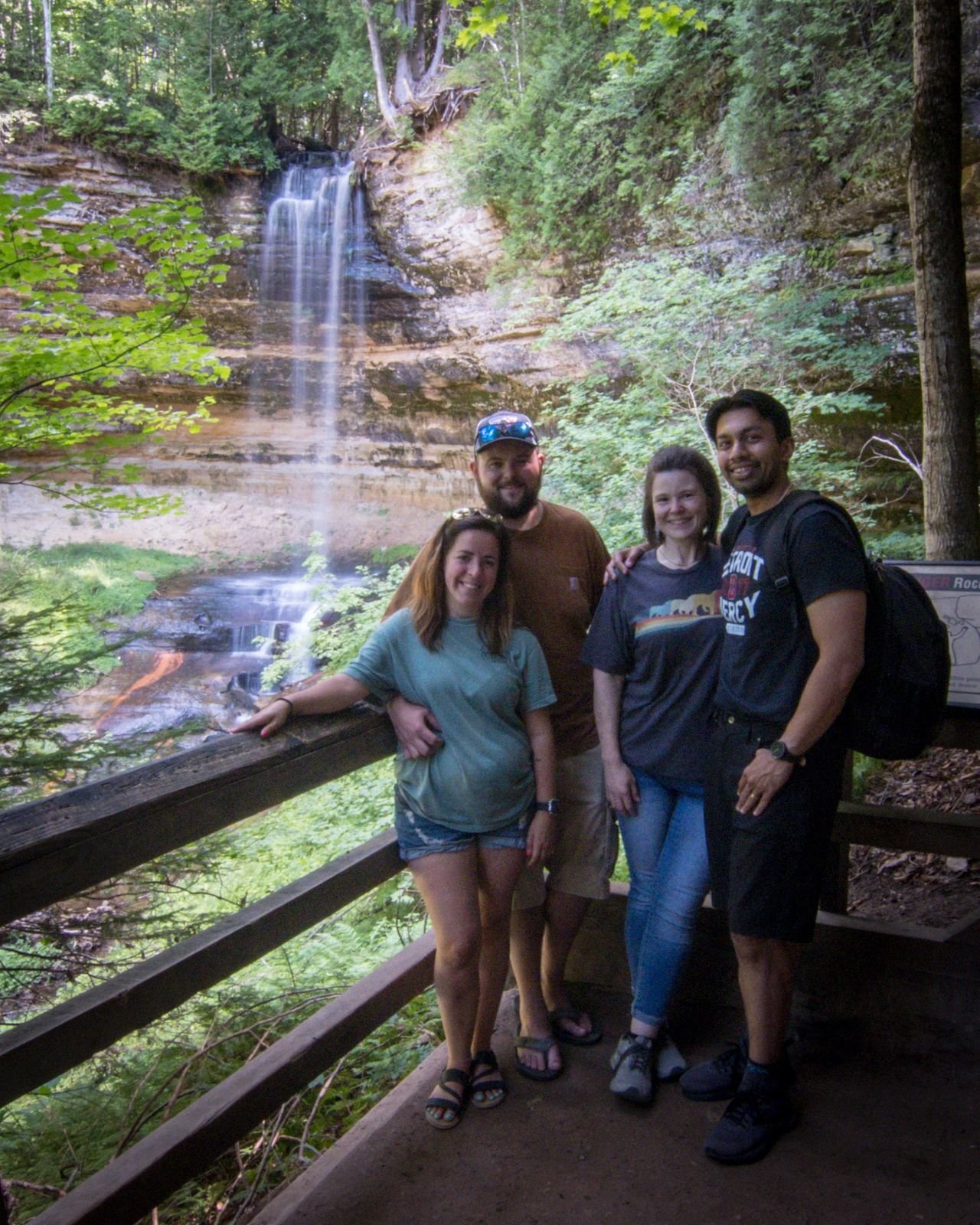
We walked the paved 800-foot trail up a cool, shaded canyon along Munising Creek to the base of the falls. Two sets of stairs lead to platforms for additional views of the 50-foot waterfall as it drops over a sandstone cliff. Watch for ferns, wildflowers, and the occasional mink. In winter, the waterfall exhibits dramatic ice formations. We followed all the posted rules and stayed on the paved trail and stayed away from walking behind the falls. This trail does accommodate wheelchairs to the main viewing platform.
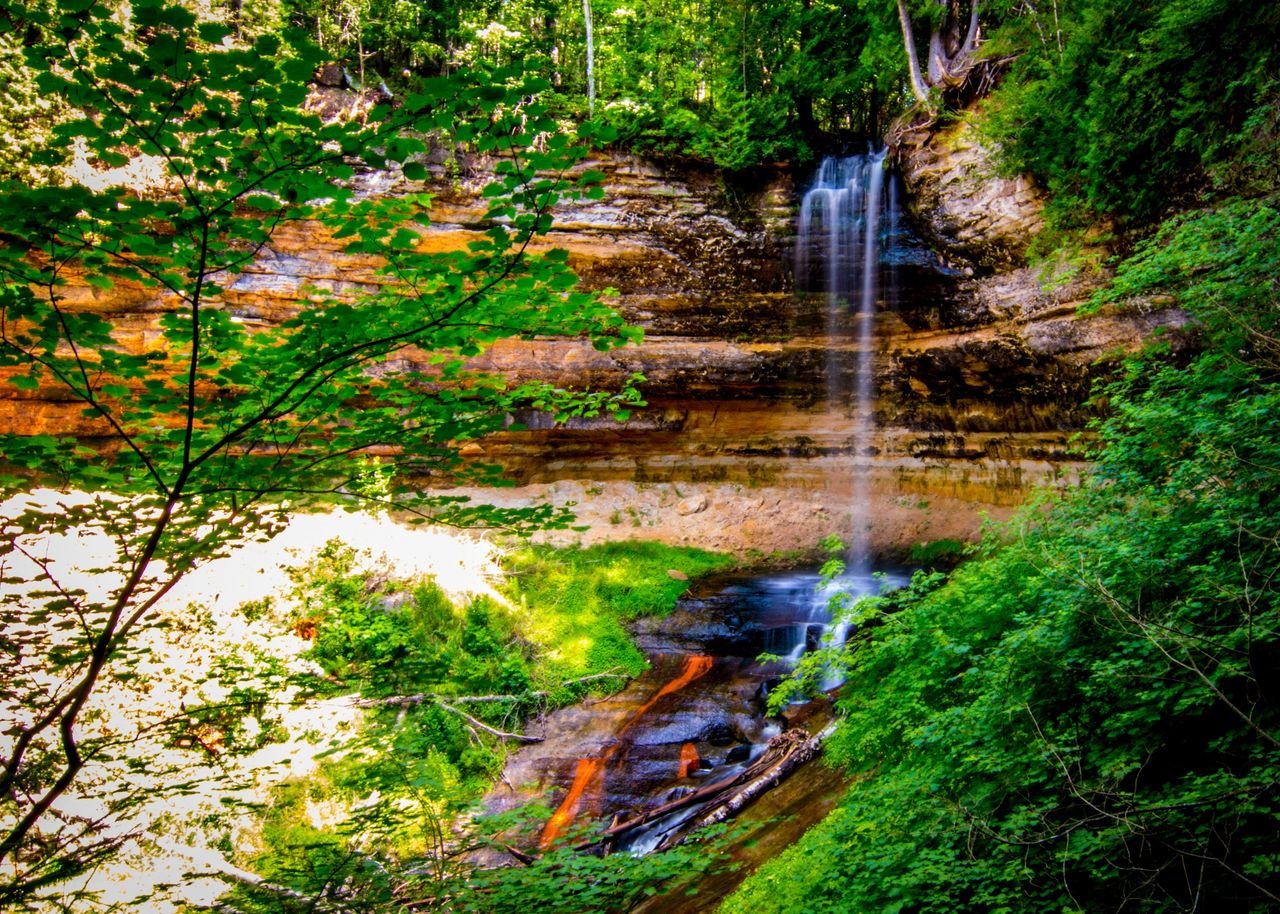
We explored the area and took multiple pictures to preserve the memory of this beautiful place.
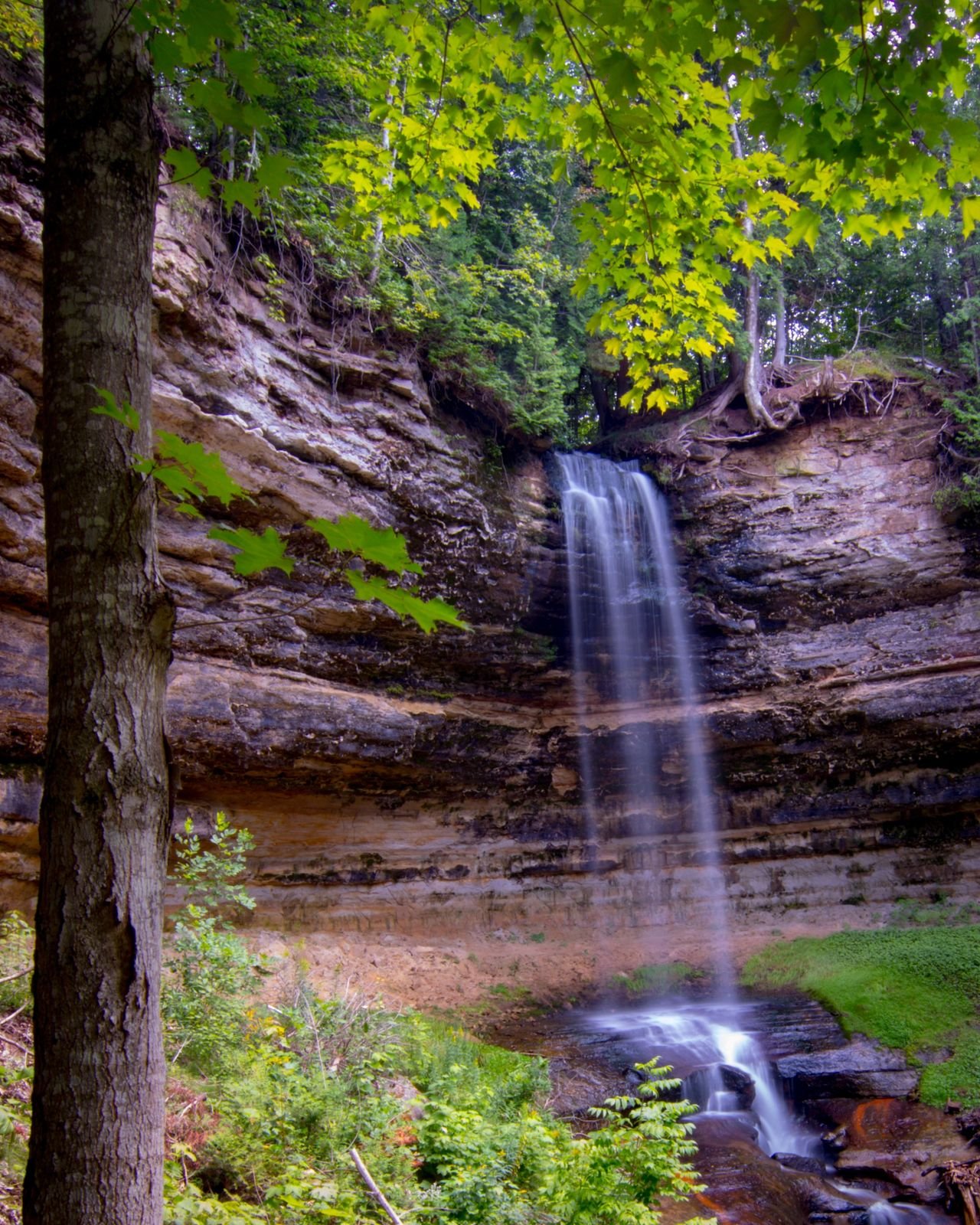
Our next stop was Mineral Falls, The fast-flowing Miners River drops about 50 feet over a sandstone outcrop, creating the park’s most powerful waterfall. A small parking lot is located half a mile off Miners Castle Road (H-11), four miles north of Alger County Road H-58. The walk from the parking area to the waterfall is 0.6 miles one way. The gently rolling gravel and dirt path through the forest leads to an upper and a lower overlook. There are 64 steps down to the lower viewing platform.
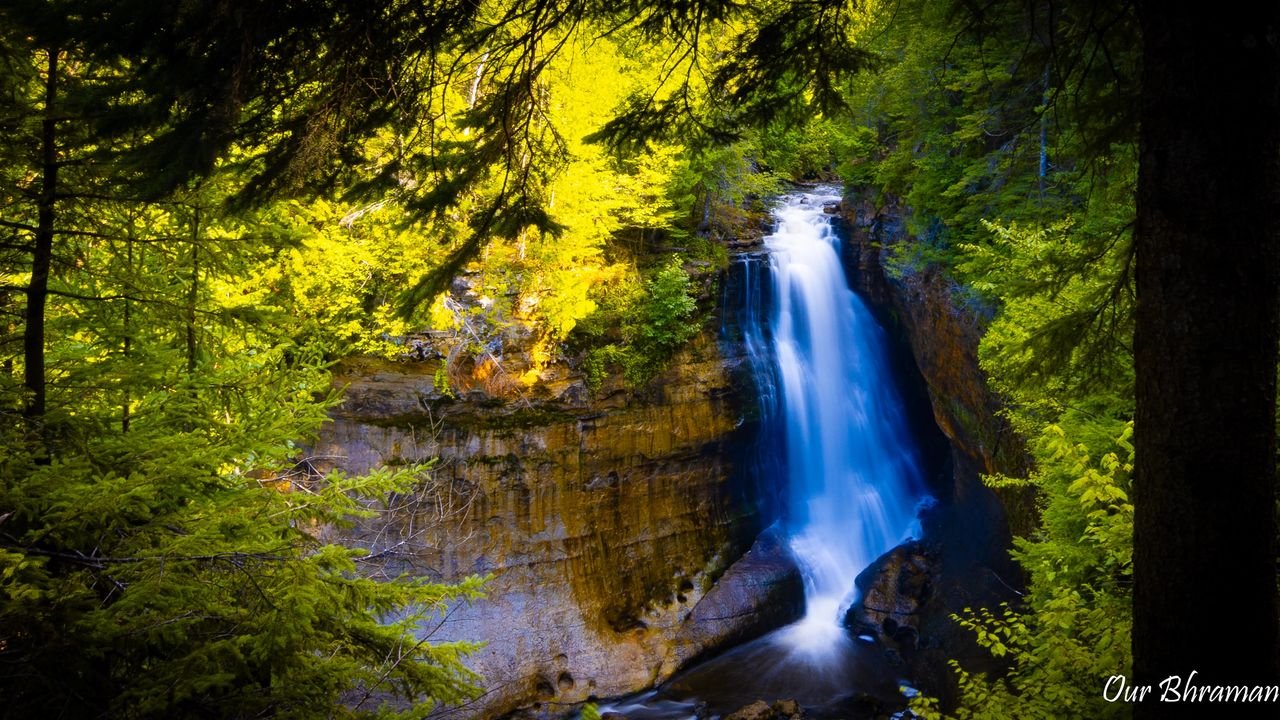
The walk is pretty easy, with a few rough areas, but there are benches every so often for you to rest on. The forest surrounding you as you walk along the trail is lovely, but the falls will blow you away while viewing them from the platform. We saw some people go down from the platform to see the falls from a lower vantage point. We decided not to join them, as it was not a designated path.
By the time we covered the three falls we realized its midafternoon we drove close to the Pictured Rocks National Lakeshore boat tour place to grab a late lunch. We had a ticket to the Sunset Spray Falls Cruise. We are really excited for this cuisse as its hard-to-get tickets. We stood in line almost 90 before cruise time to get a better seat on the cruise upper deck and close to the edge for unobstructed view of the natural vista to capture the beauty of the picture rock. This excursion allows passengers to experience the vibrant colors of the cliffs bathed in the warm hues of the setting sun.
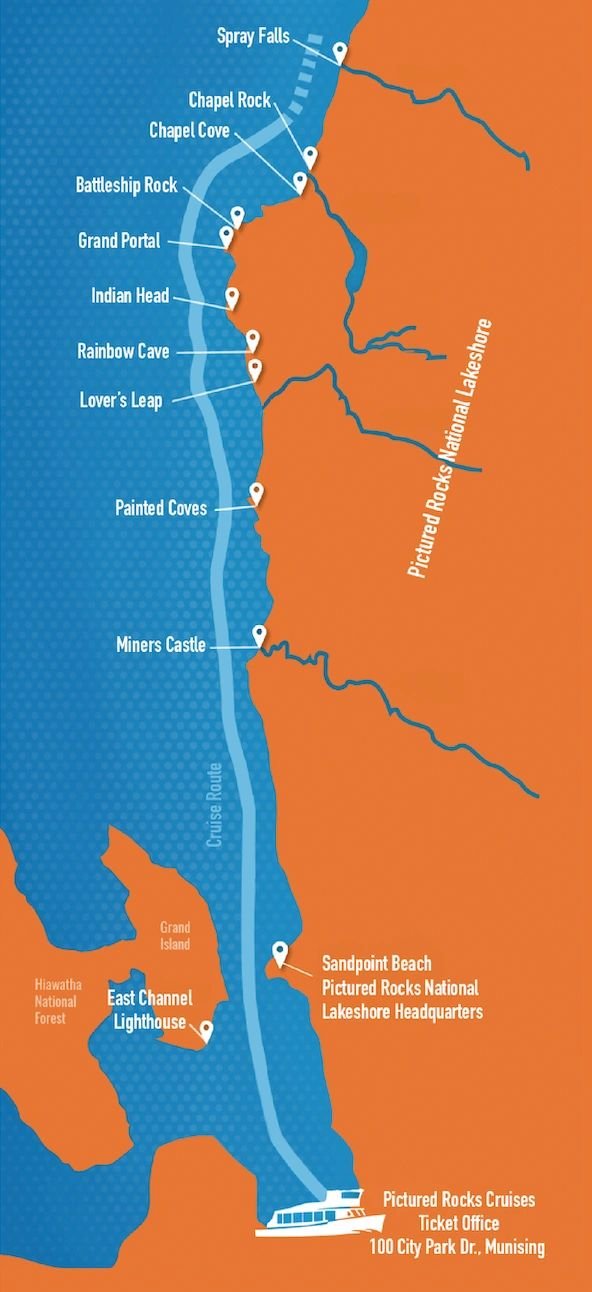
The Sunset Spray Falls Cruise offers an extended journey along the Pictured Rocks National Lakeshore, combining the highlights of the Classic Cruise with a visit to Spray Falls—a 70-foot waterfall cascading directly into Lake Superior. We got a opportunity to see the stunning sandstone cliffs, sea caves, and pristine beach. and some of the iconic landmarks like the East Channel Lighthouse, Miner’s Castle, Lovers’ Leap, Indian Head, Grand Portal, and Chapel Rock.
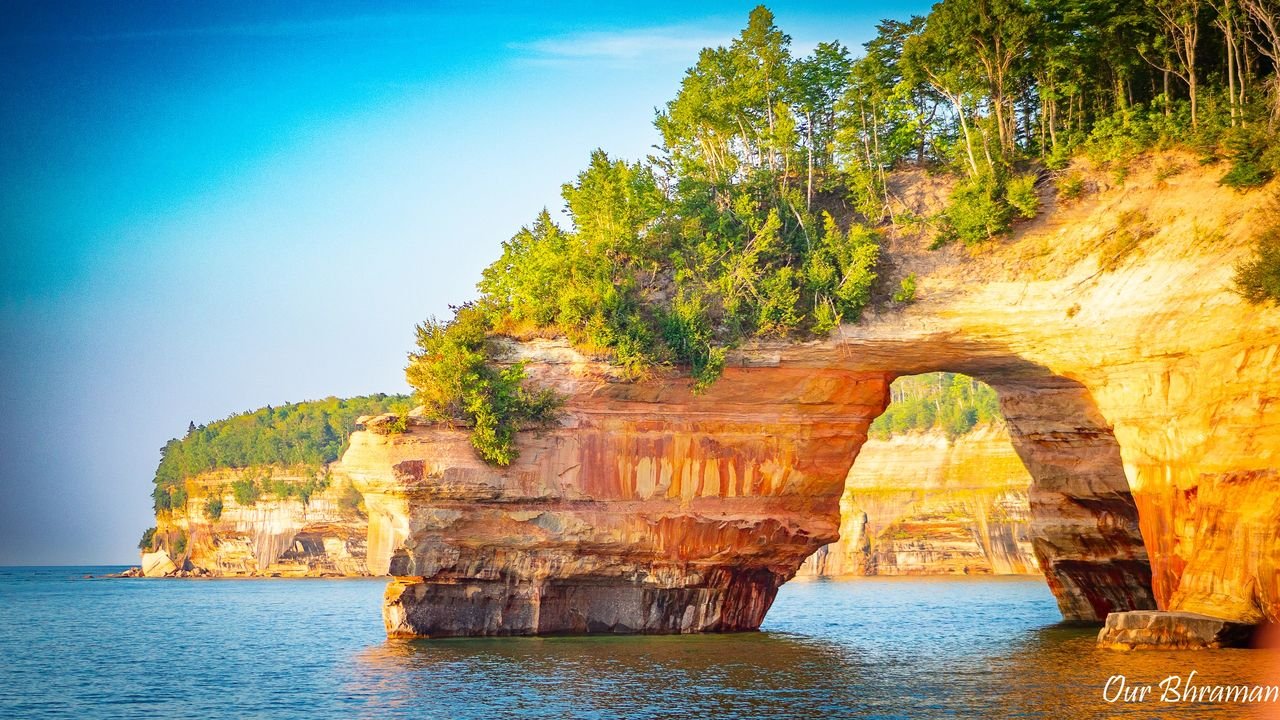
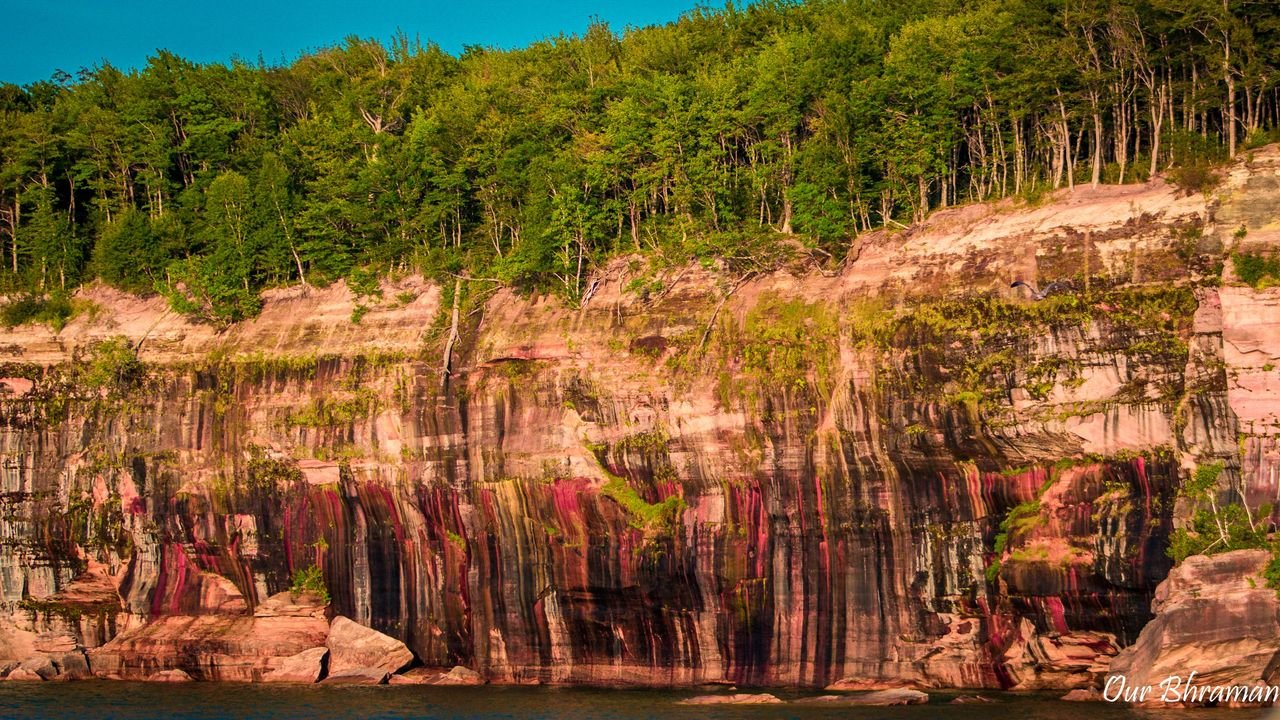
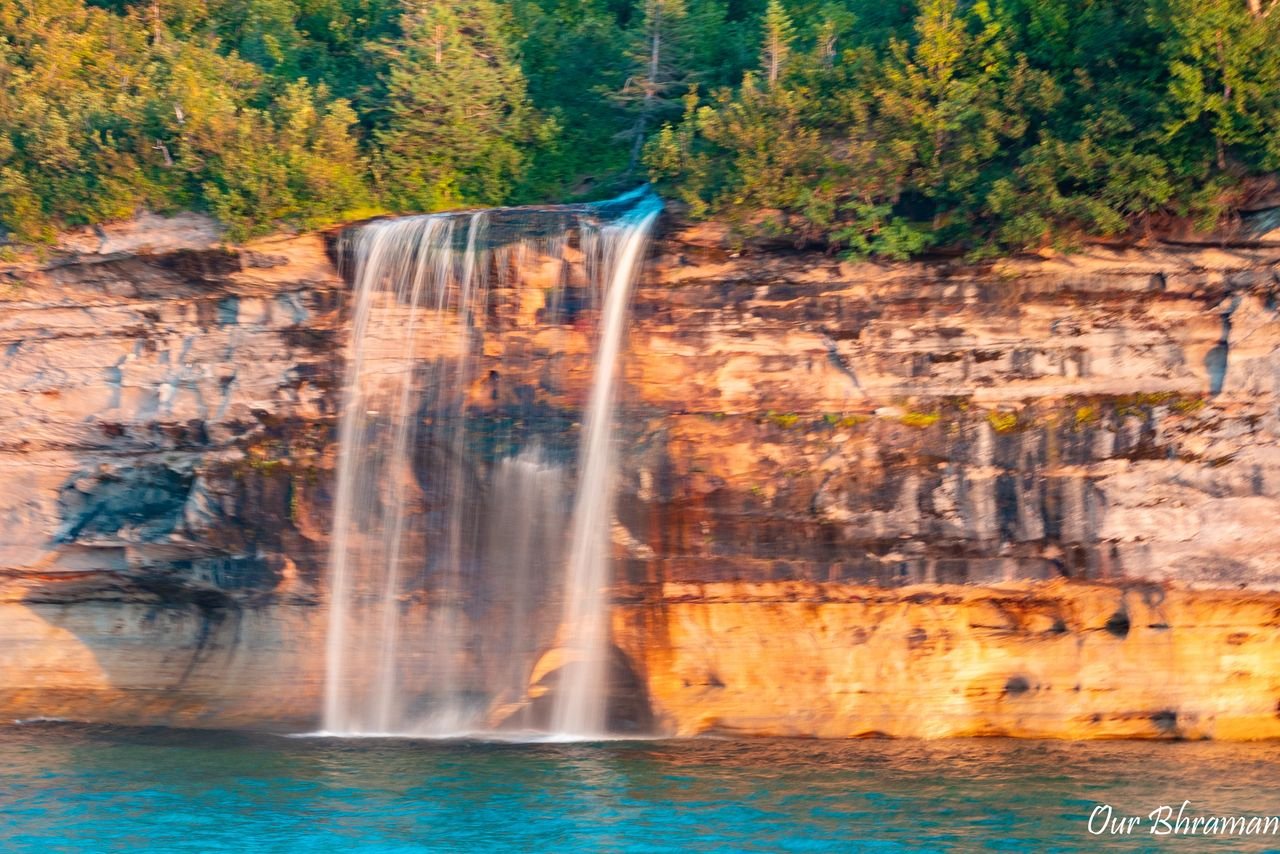
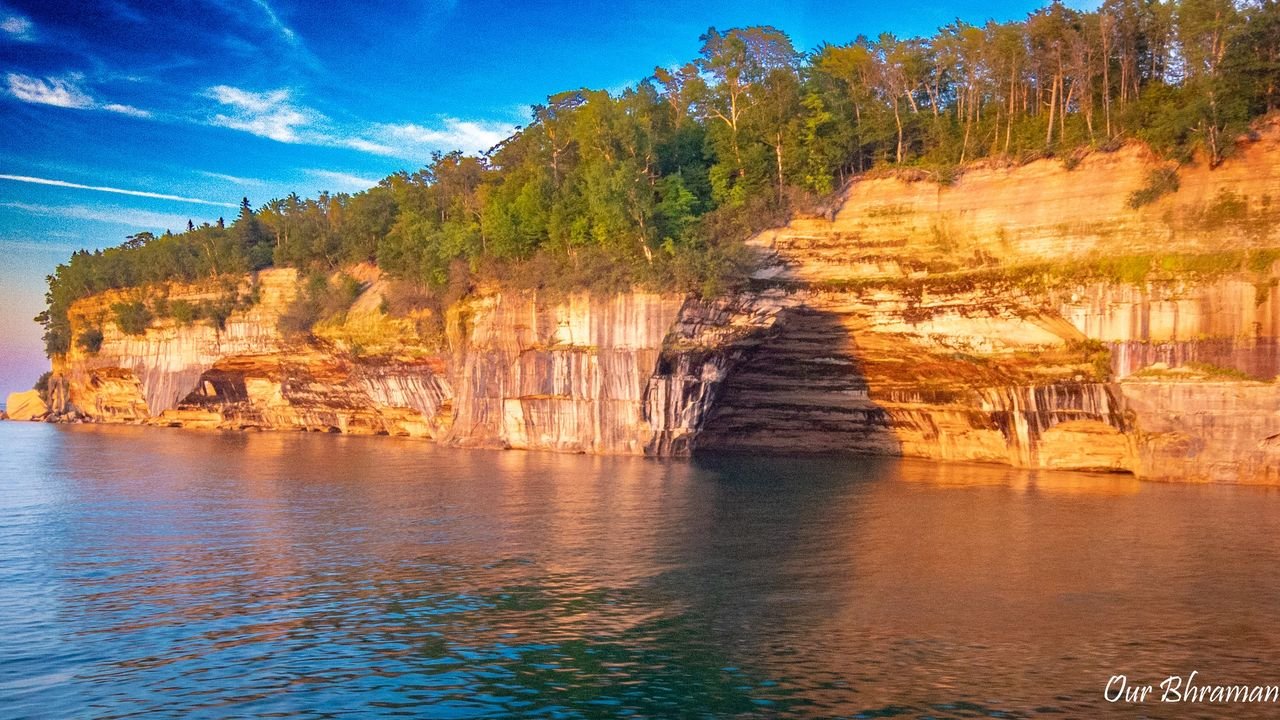
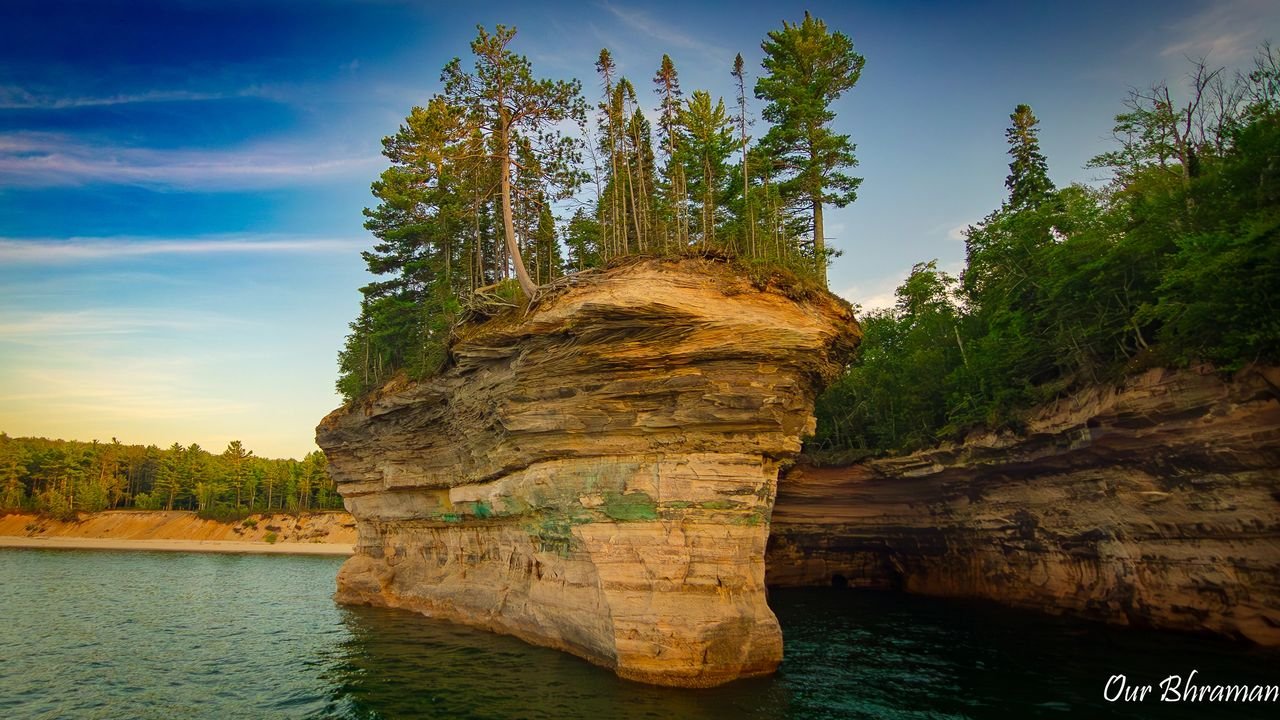
We always heard of how beautiful the sun sets make the picture rocks look but seeing it actually with the eye is very different experience. The cliffs and the surrounding landscape transform into a beautiful canvas of colors, creating an unforgettable evening. We took plenty of pictures for our memory.
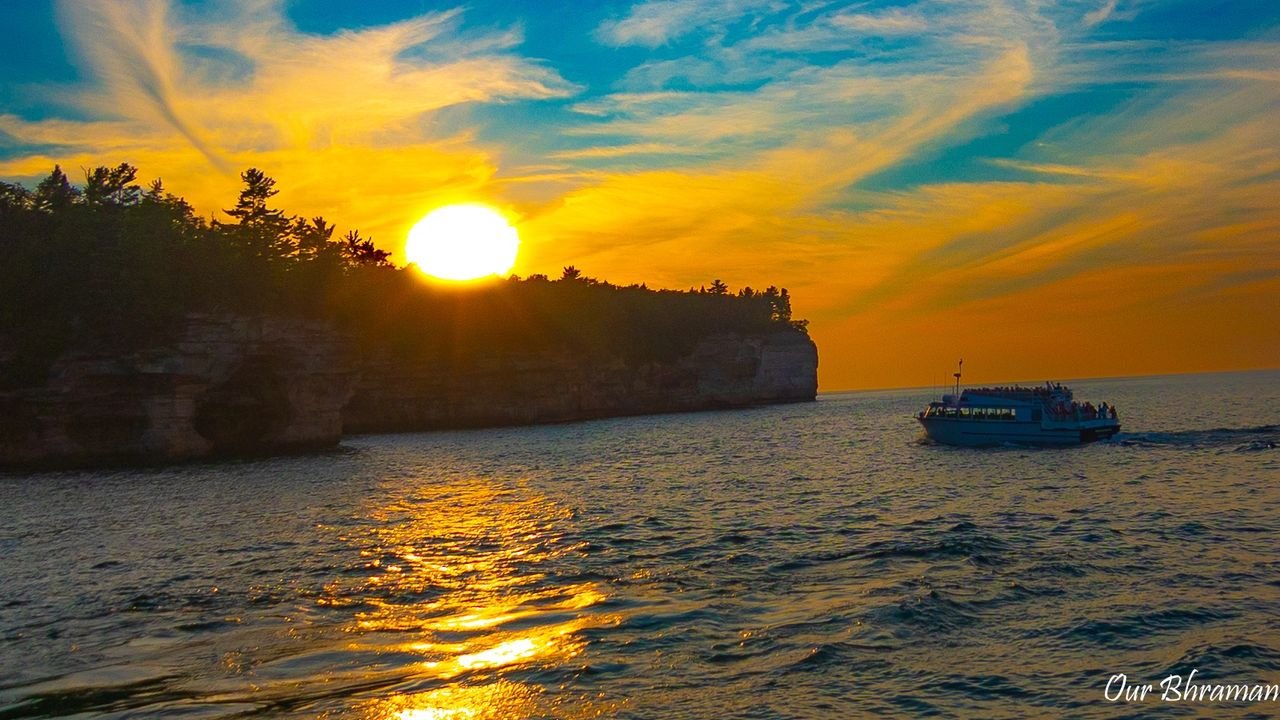
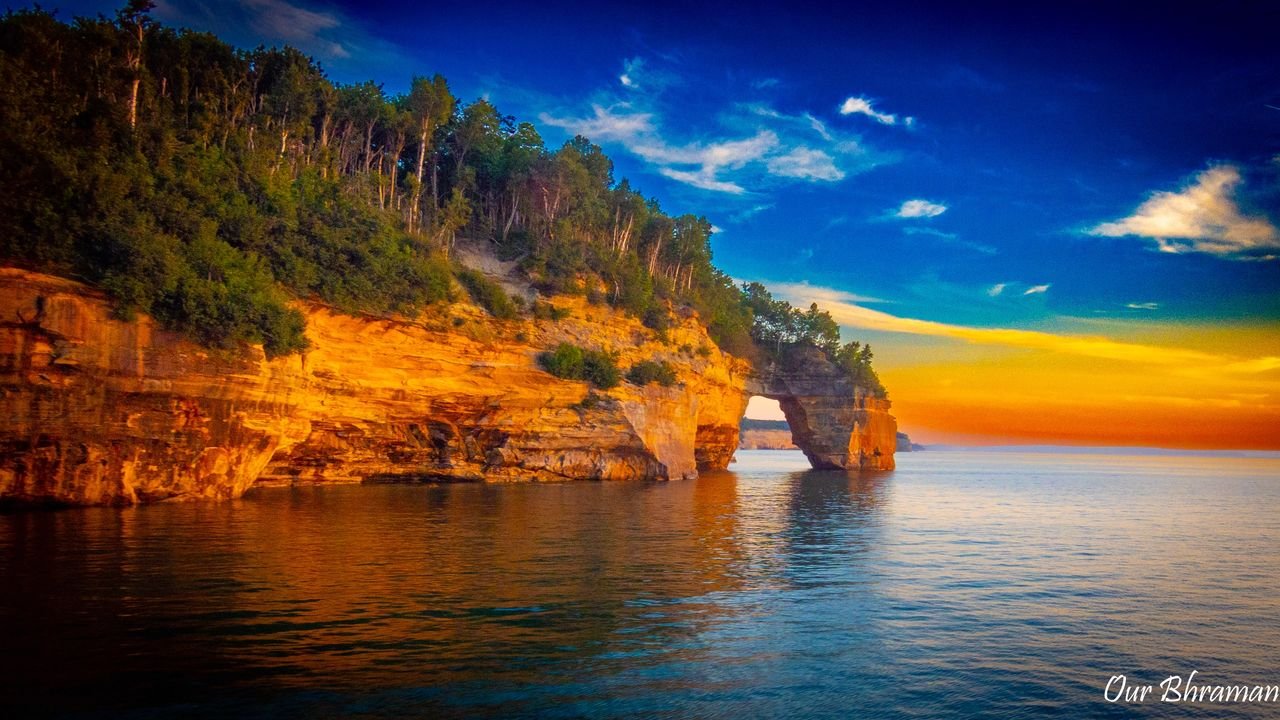
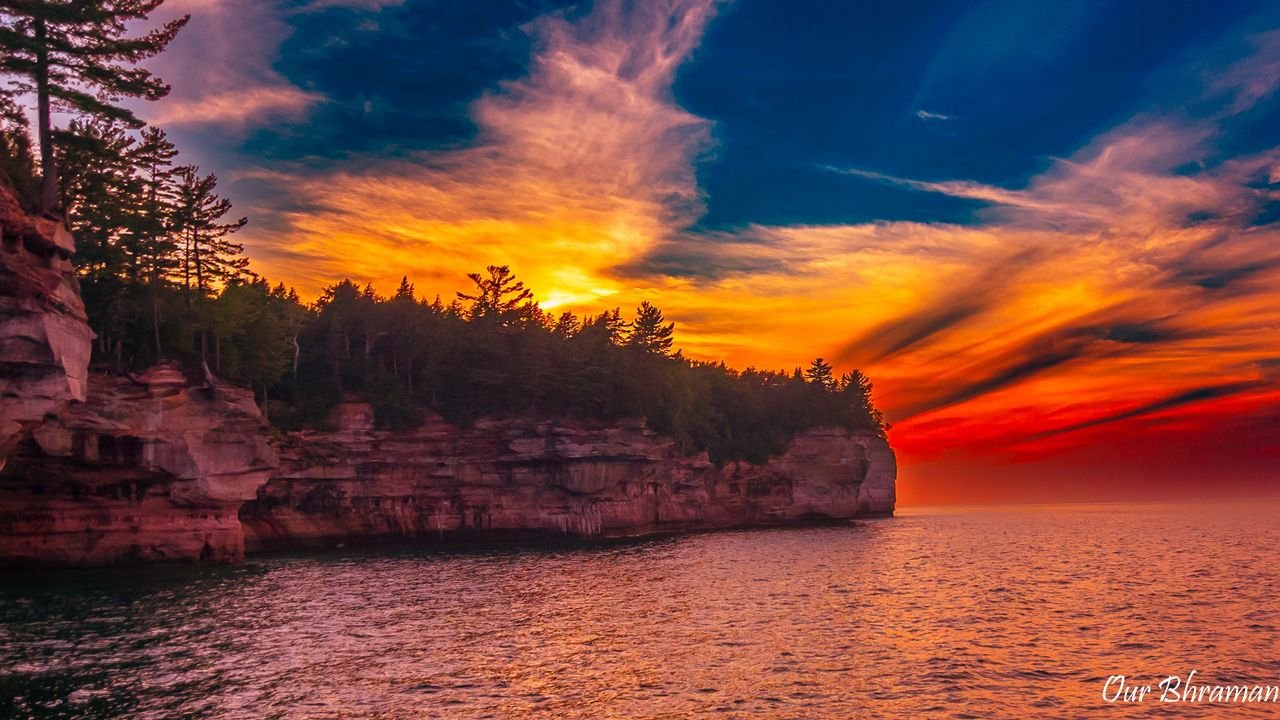
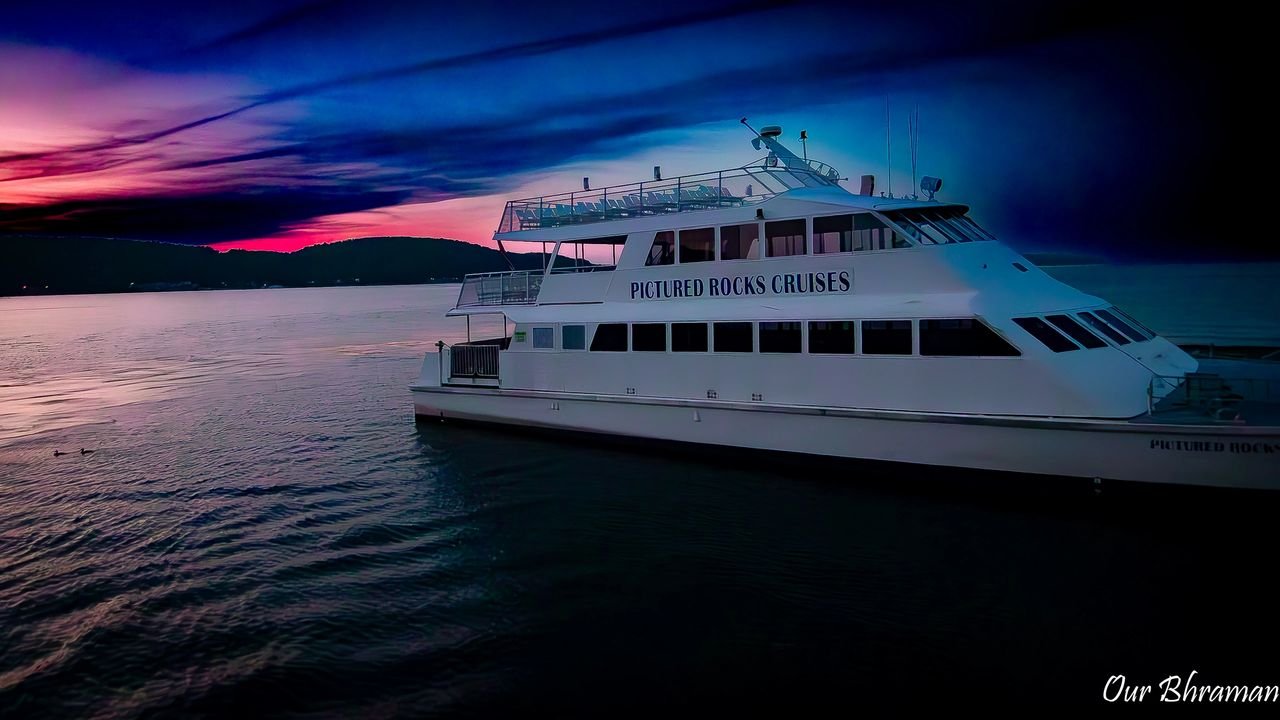
The tour is narrated by knowledgeable guides who will share interesting facts and history about the area, enhancing your understanding and appreciation of the natural beauty.
Our day ended with drive back to KOA campground to and rest for night before we head to next adventure on next day.
Day-5 Camping up North Michigan
This day, we decided to have a late start after the exertion of our late-night drive back from Munising, MI.
Our first stop was Tahquamenon Falls State Park, located in the eastern region of the Upper Peninsula. The park encompasses nearly 50,000 acres and stretches over 13 miles in Michigan’s Upper Peninsula. It is home to more than 35 miles of trails and multiple overlooks of the Upper and Lower Falls. These state parks attract nearly 500,000 visitors each year to its 48,000 acres of wilderness.
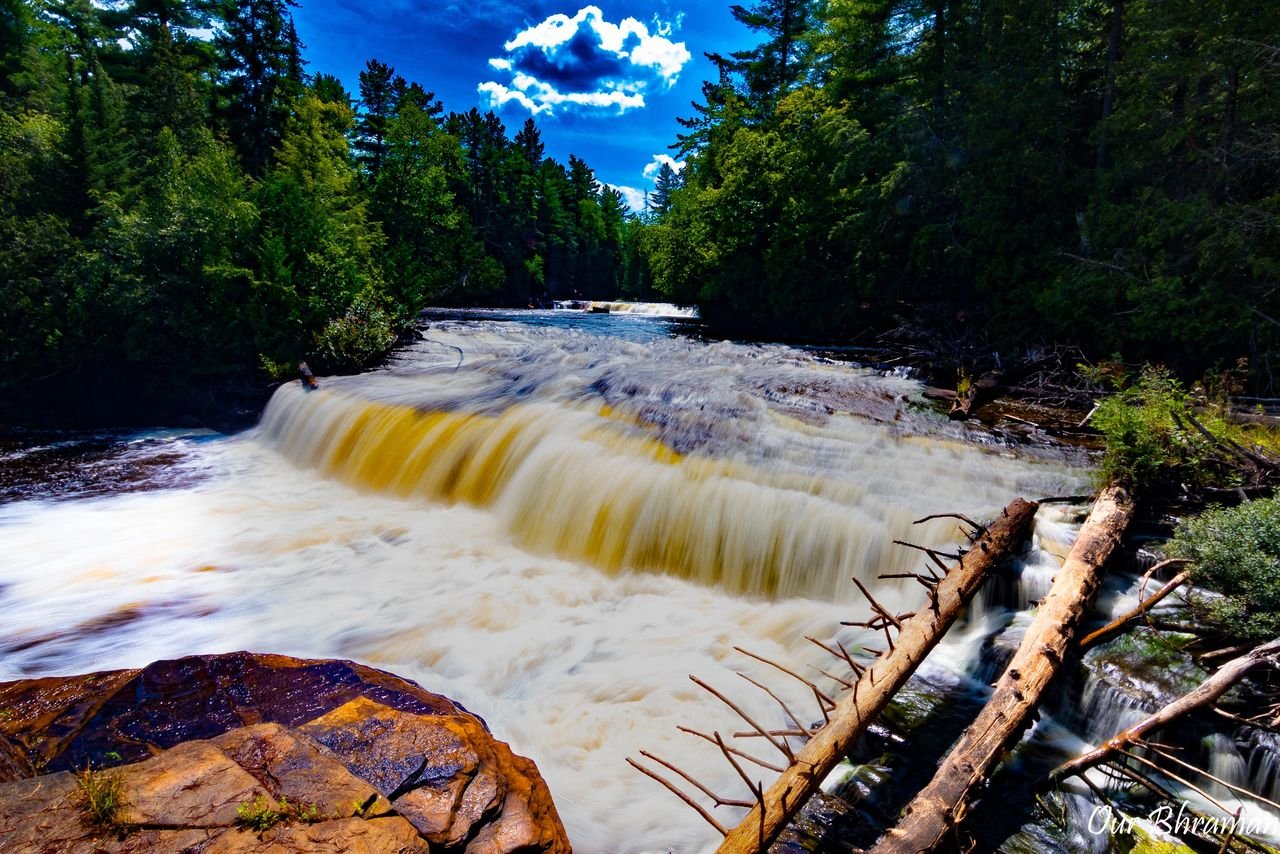
The falls are not visible from the road or parking areas, but the viewing platforms are accessible. The first platform offers a view of the falls, with further exploration possible depending on available time and physical capability.
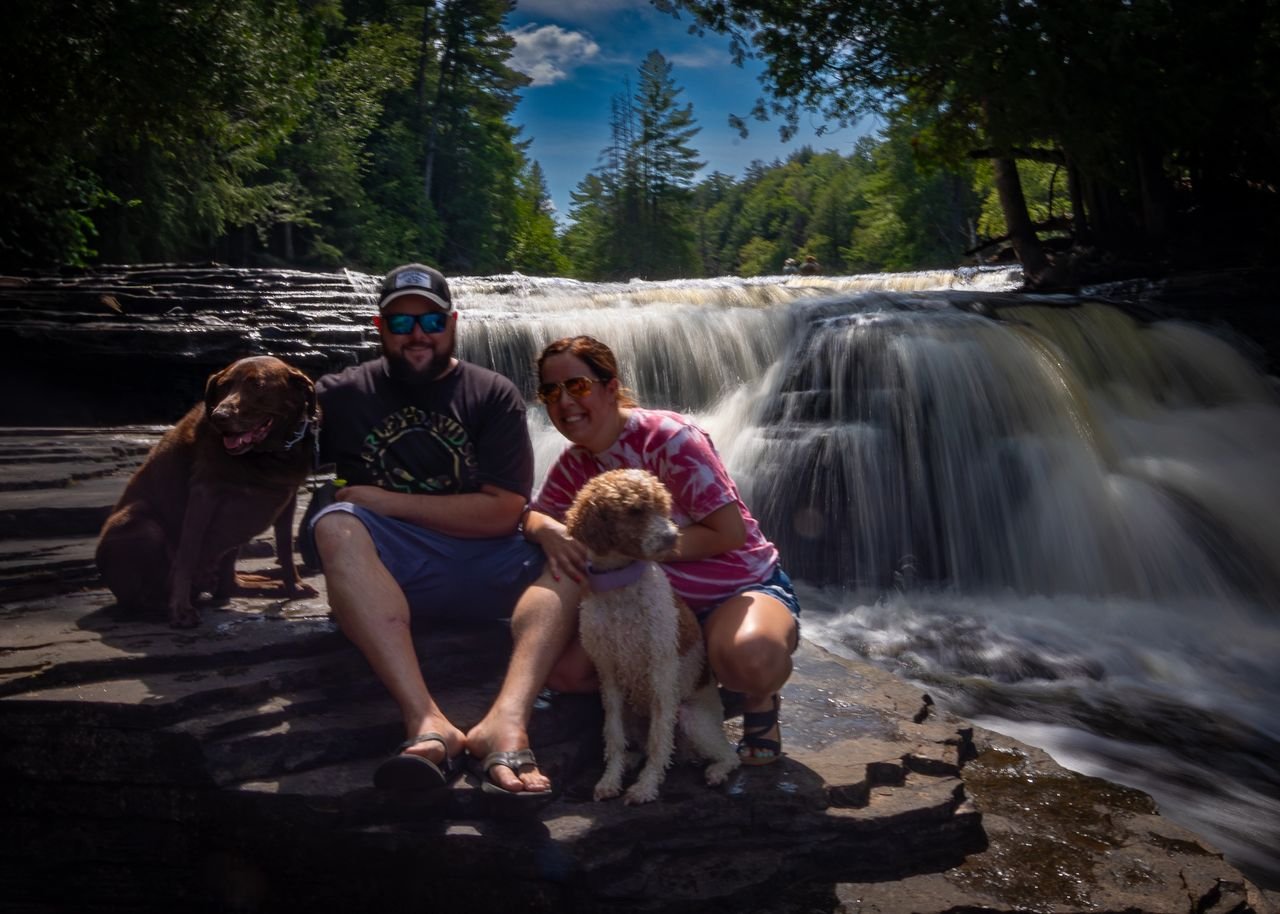
There’s a fee-based shuttle that transports visitors between the Upper and Lower Falls, but we decided to hike and enjoy nature instead.

Our first stop was the Lower Falls. These falls are actually a series of five waterfalls surrounding a small island, creating a tranquil and picturesque scene. The Lower Falls viewing area receives fewer visitors than the Upper Falls—perfect if you don’t like crowds! Take a look at the falls from the different viewing platforms and walk along the boardwalk to reach one of the prettiest viewing points: a platform at the edge of the trees.
After spending some time at the Lower Falls, we headed to the Upper Falls. The 200-foot-wide Upper Falls is one of the largest waterfalls east of the Mississippi River. The river’s amber color is caused by tannins leached from the cedar, spruce, and hemlock trees in the swamps drained by the river. The extremely soft water, churned by the action of the falls, creates the river’s trademark large amounts of foam. This waterfall is nicknamed “Root Beer Falls.”
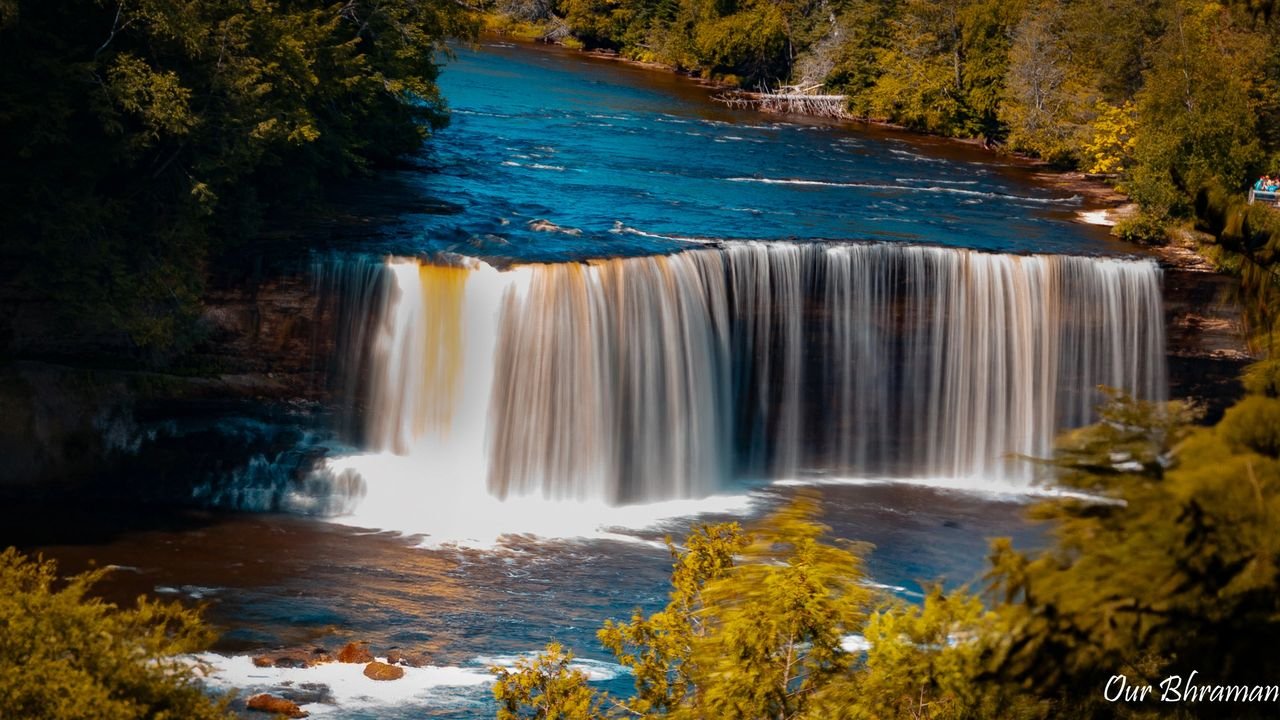
The Upper Falls span more than 200 feet and are especially notable in the spring when up to 50,000 gallons of water flow over the 50-foot drop each second. A 0.4-mile paved walkway, starting from a parking lot near the Upper Falls, provides easy access to viewpoints of the area.
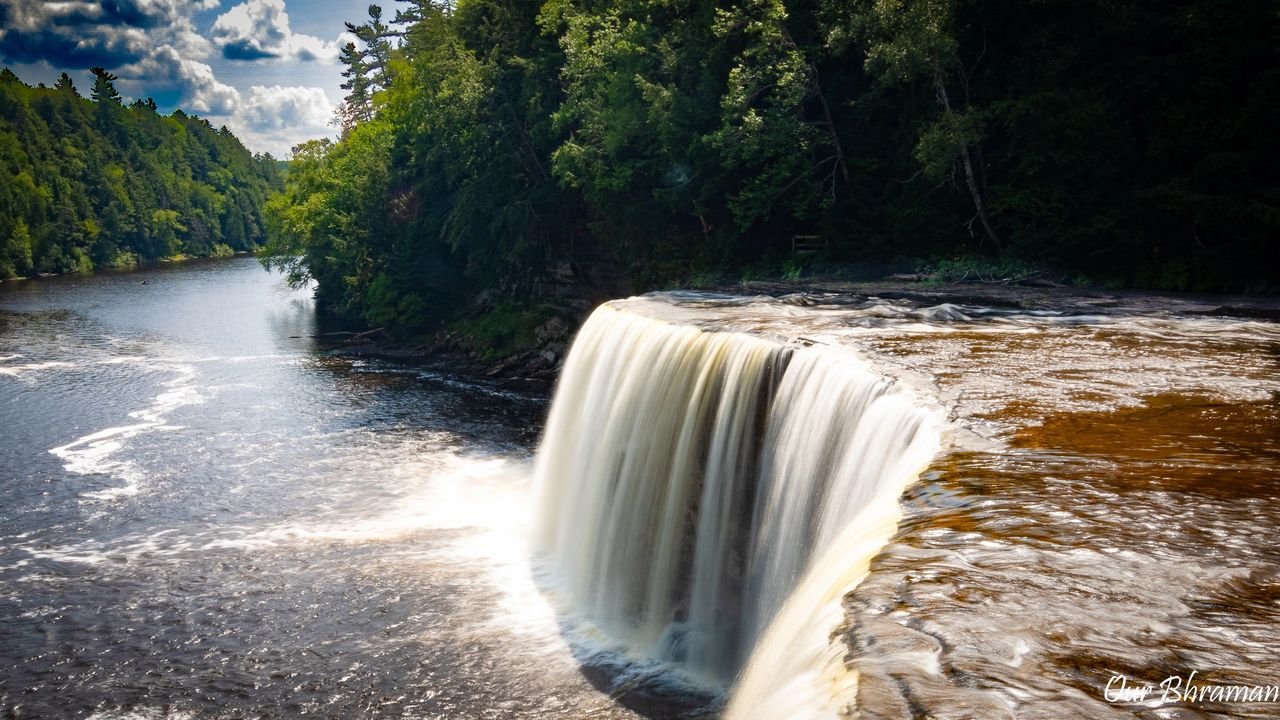
Get a close-up view of the Upper Falls by taking 94 steps to the main deck or 116 steps down into the gorge for a panoramic view. We took several pictures of the Upper Falls and listened to the water echo from the platform deck.
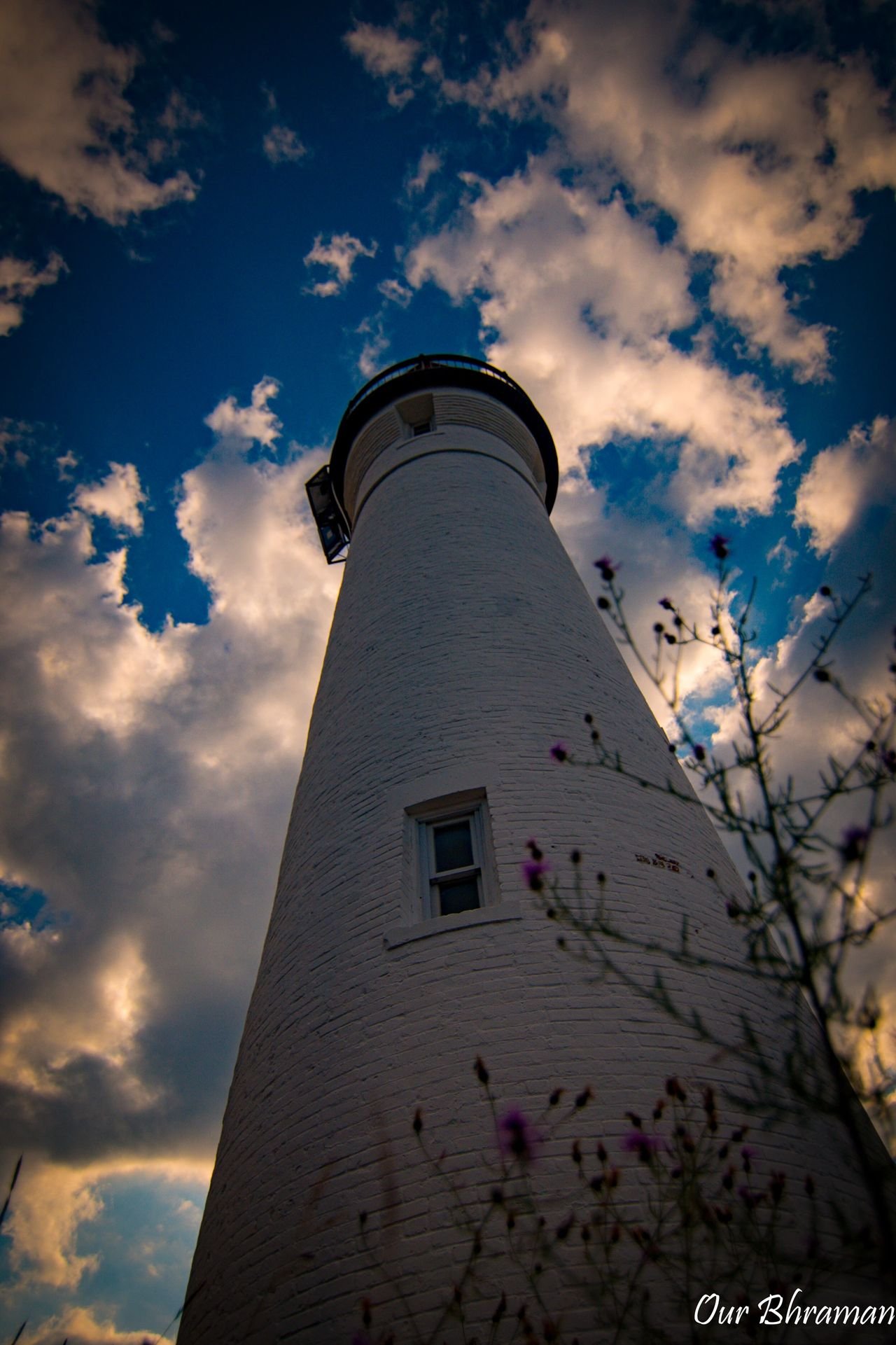
After spending morning Tahquamenon Falls State Park, we decided head to our next destination of the day Crisp Point Lighthouse which was more than hour away. A backroad extending 18.7 miles leads to Crisp Point. The road may not be suitable for all vehicles, particularly those with low clearance. Although it is regularly graded, the surface remains sandy with small rocks and numerous sharp turns, making it potentially hazardous after heavy rainfall. It is advisable to avoid relying on GPS navigation, even if cellular service is available; instead, use a reliable map due to the remote nature of the area. We observed a variety of vehicles, including minivans, sedans, Jeeps, and pickup trucks, and experienced favorable road conditions during our visit. Although we were riding in a 4×4 truck, the journey to the destination was rough.
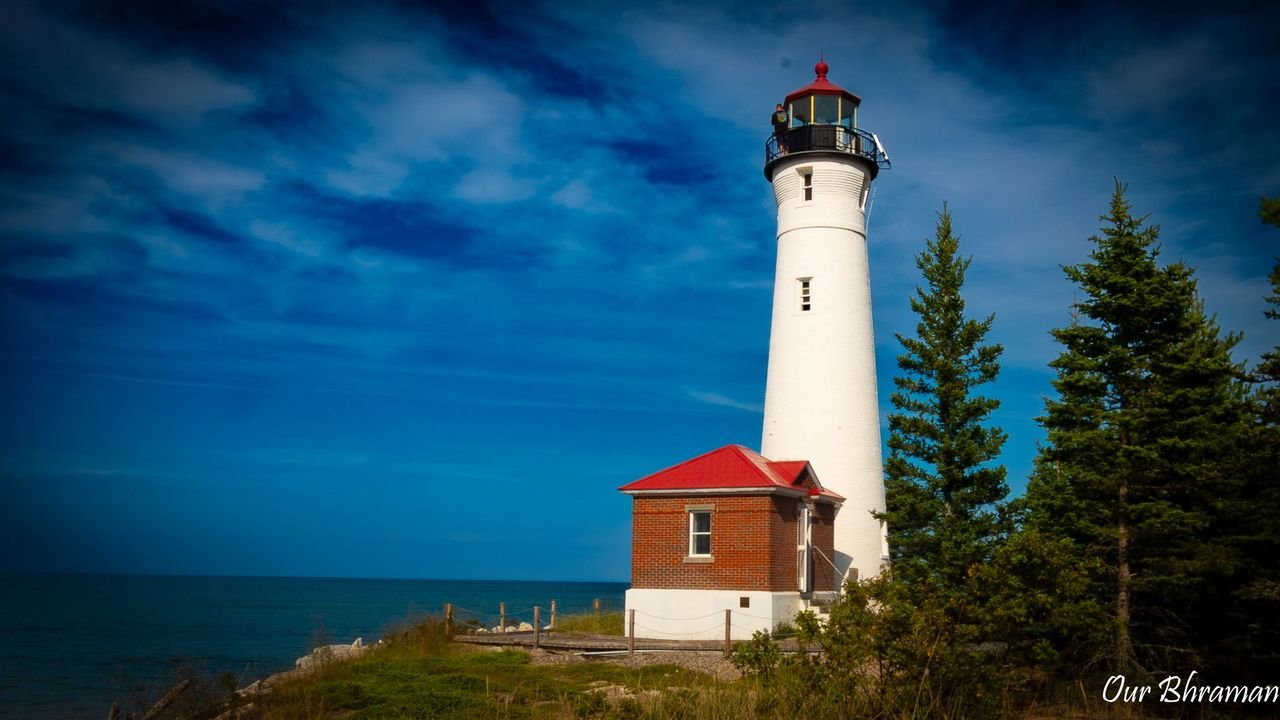
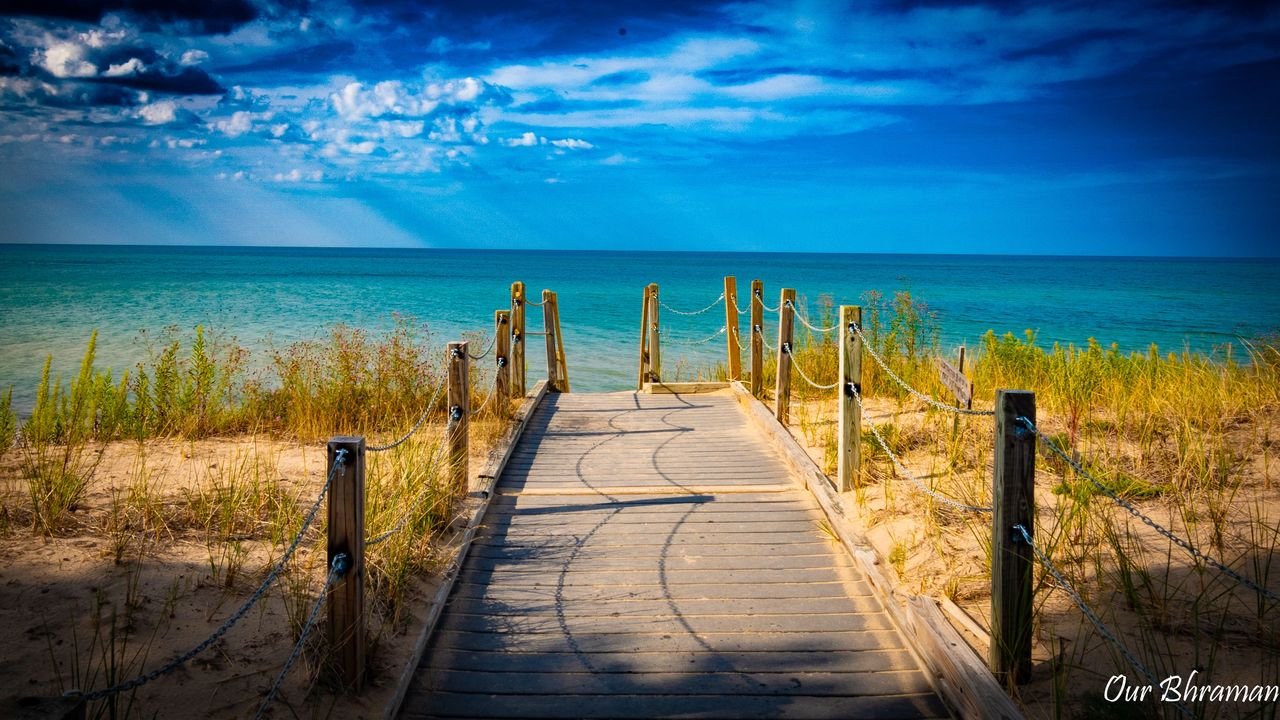
This is a unique place, and visitors should bring their own food and beverages, as these items are not available for purchase at the gift shop. The grounds are open from 10 AM to 6 PM, but it is recommended to verify operating hours when visiting later in the fall due to earlier nightfall. Driving on this road after dark is generally inadvisable. We arrived in the mid-afternoon under bright sunshine and left before dark.The grounds are aesthetically pleasing, featuring a lighthouse accessible via approximately 66 small steps with a significant incline. The final 10–12 steps resemble a ladder, requiring visitors to crawl through a roughly 3×3-foot opening to reach the exterior. Alternatively, one may remain inside at the top to enjoy the view. Due to spatial limitations, groups larger than 3–5 individuals are not recommended at once. Descending requires going backward down the ladder before transitioning to the spiral staircase.
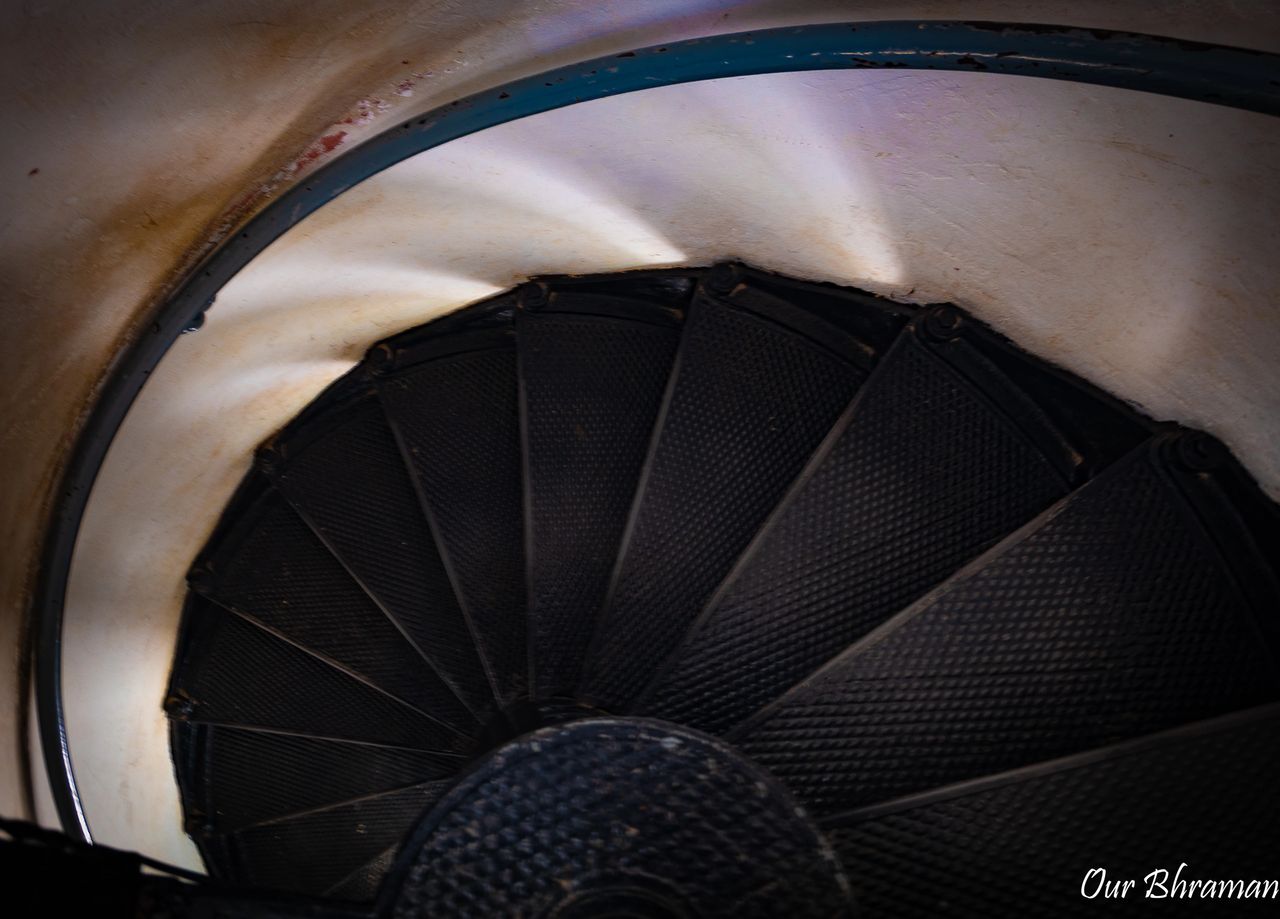
View of the blue water from the top is pretty amazing.
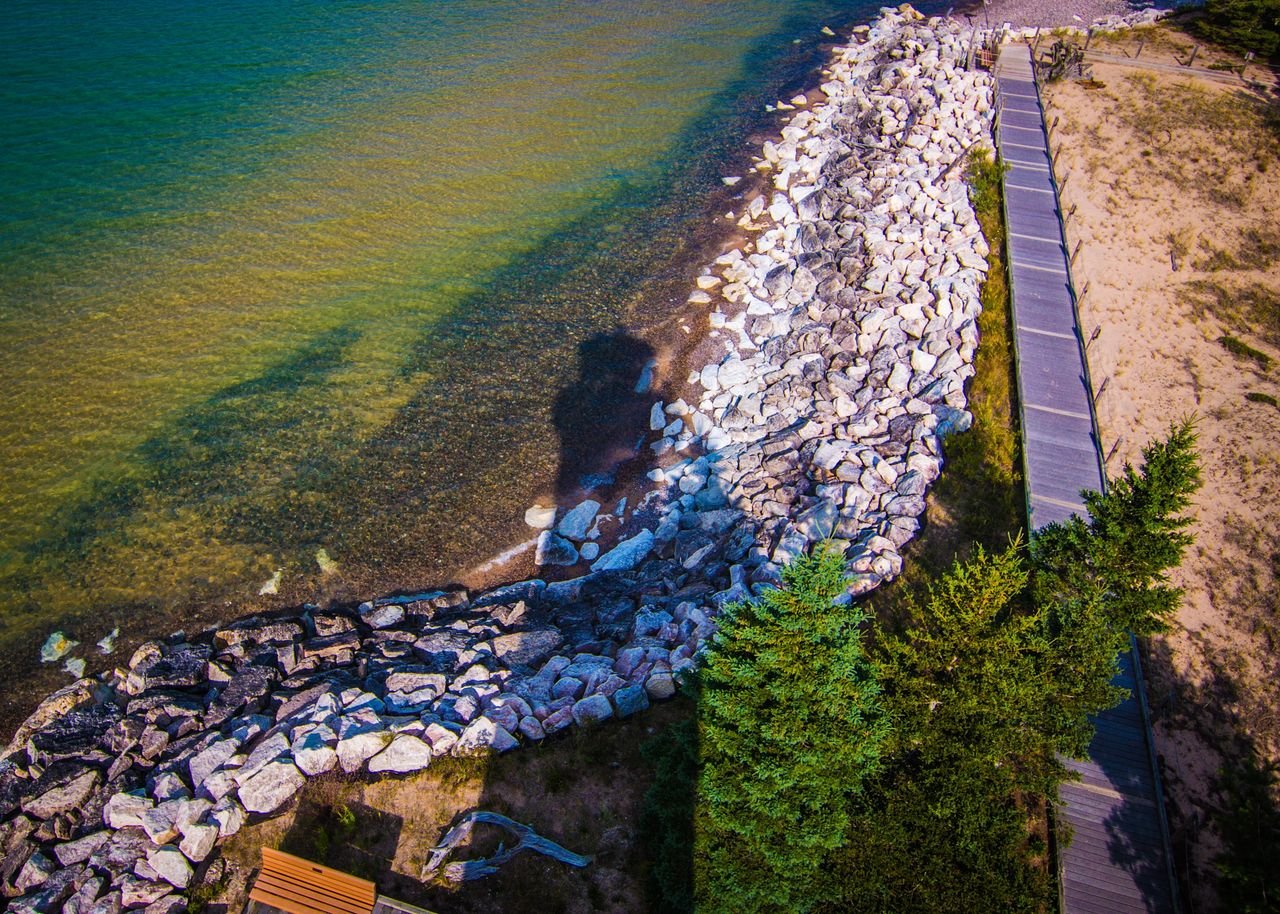
Amenities include benches, boardwalks, a gift shop, restrooms, and a modestly sized parking lot. The keepers, who serve as volunteers, provide engaging conversation. During our visit, we engaged in rock hunting, took numerous photographs, and endured the annoyance of blackflies and horseflies. In retrospect, we should have brought insect repellent and sunscreen to better prepare for an enjoyable experience. During our visit, the place felt wonderfully secluded, allowing us to capture plenty of stunning shots to preserve the unforgettable experience.
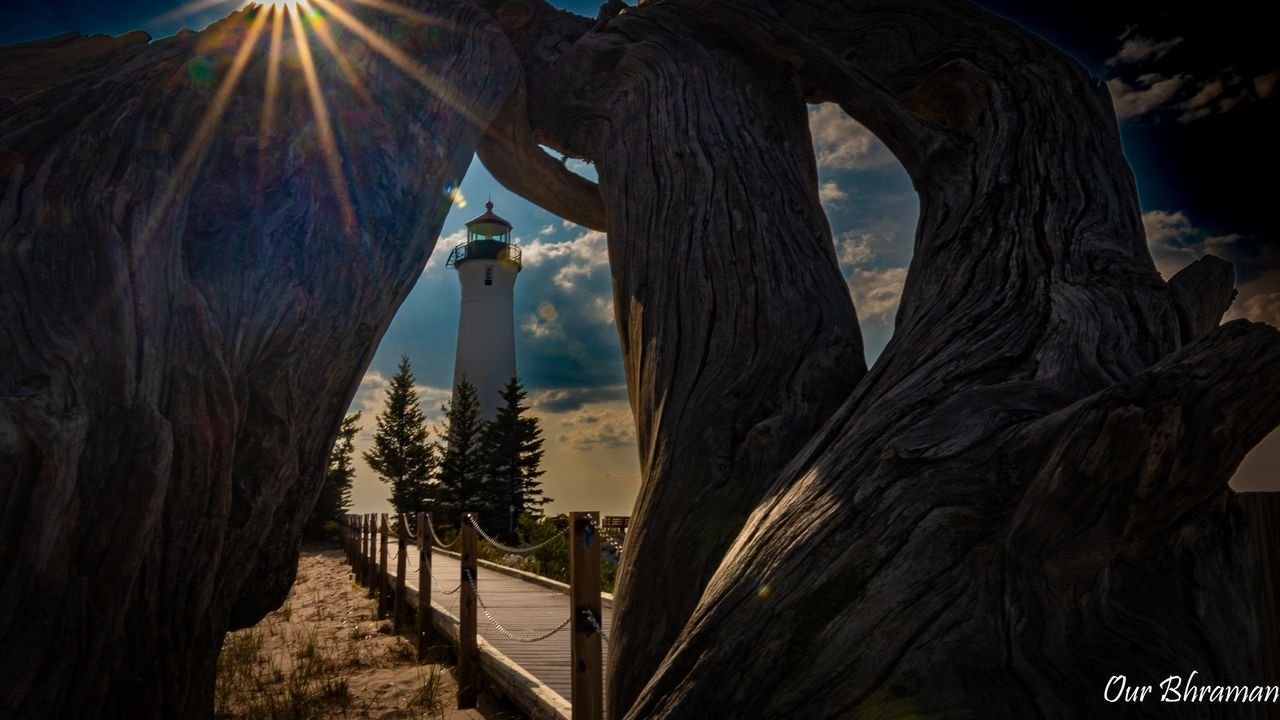
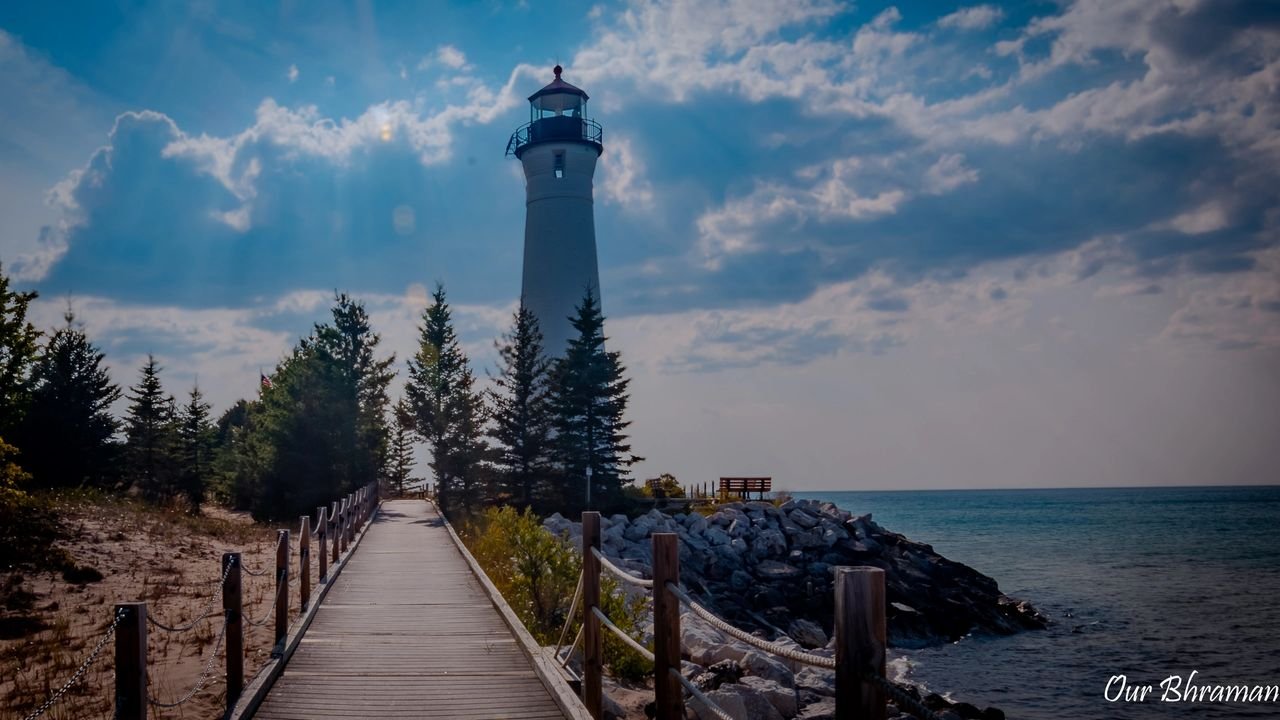
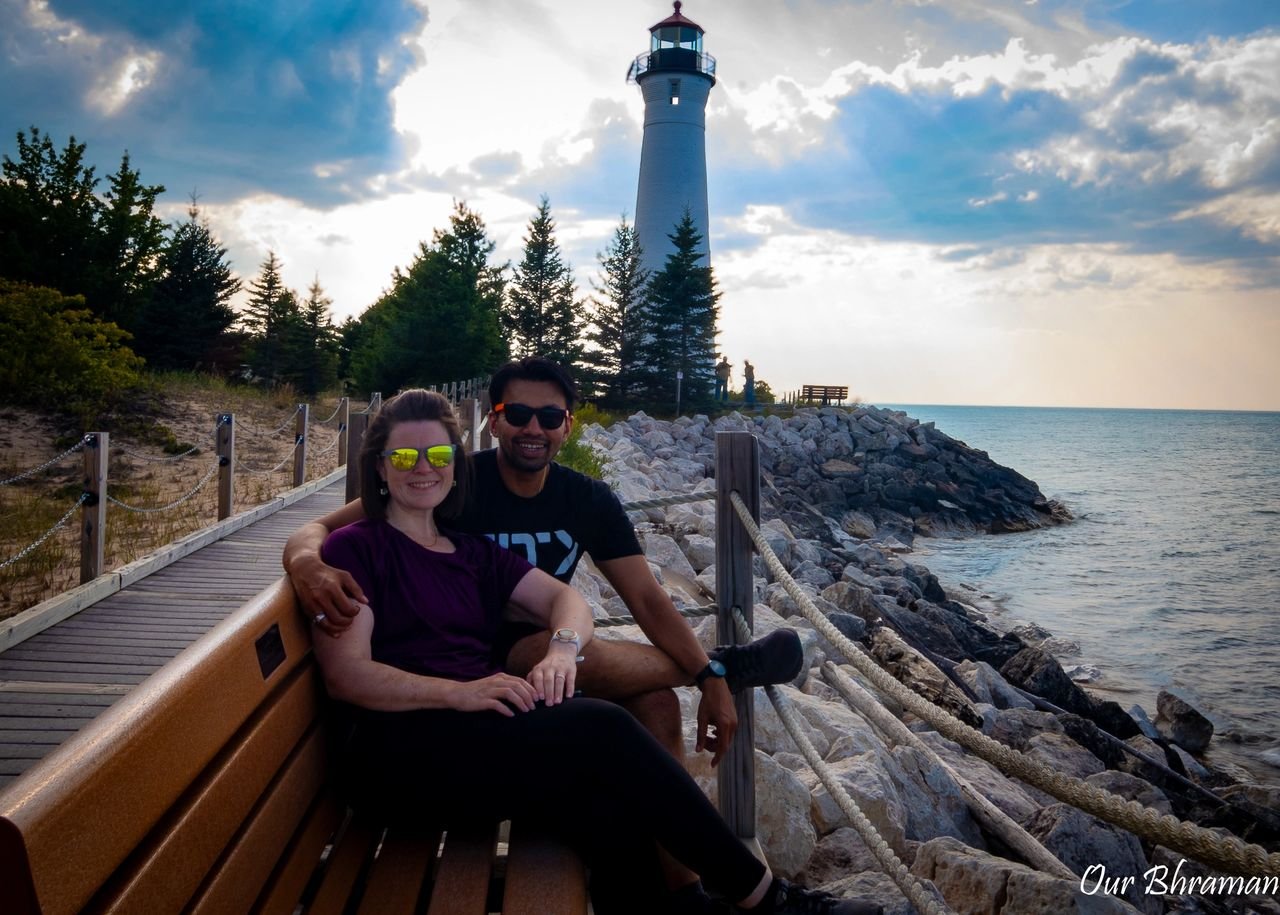
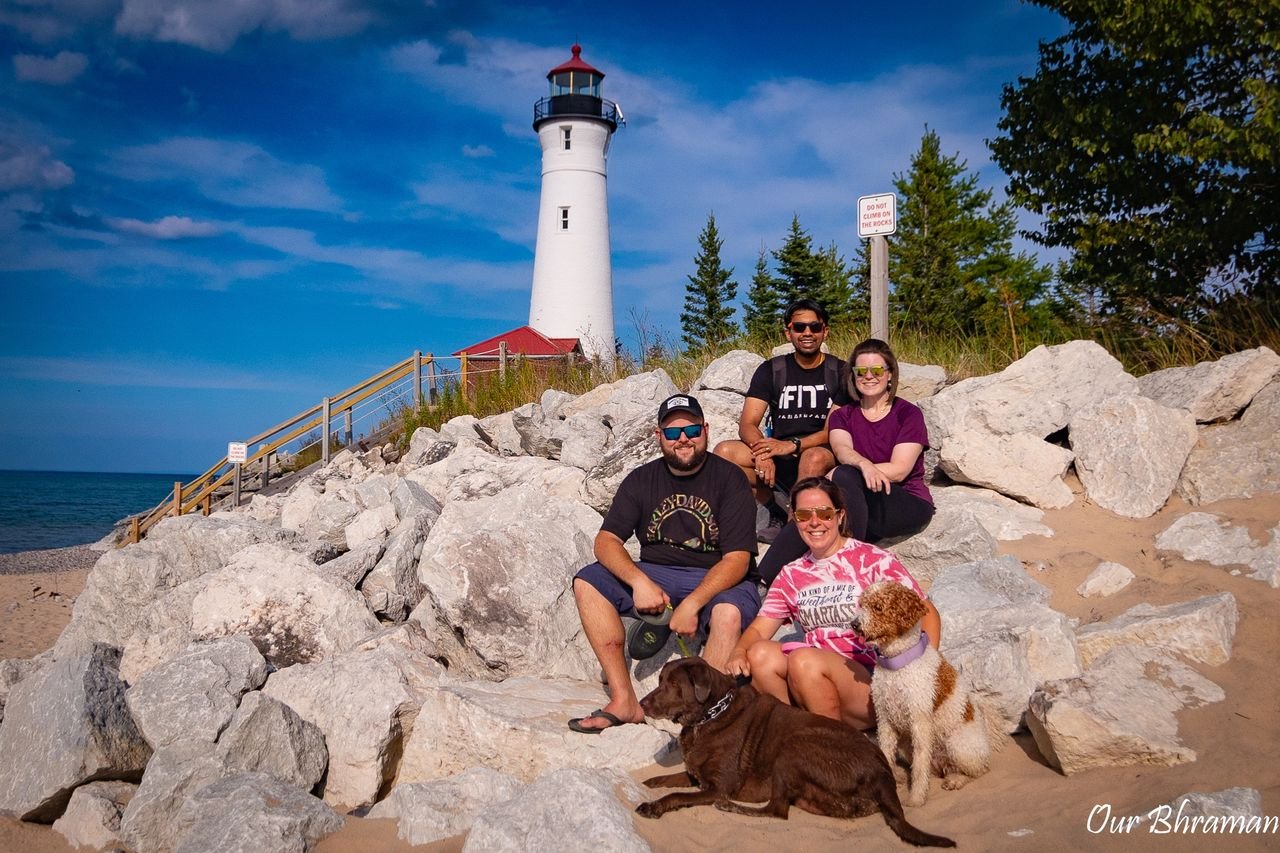
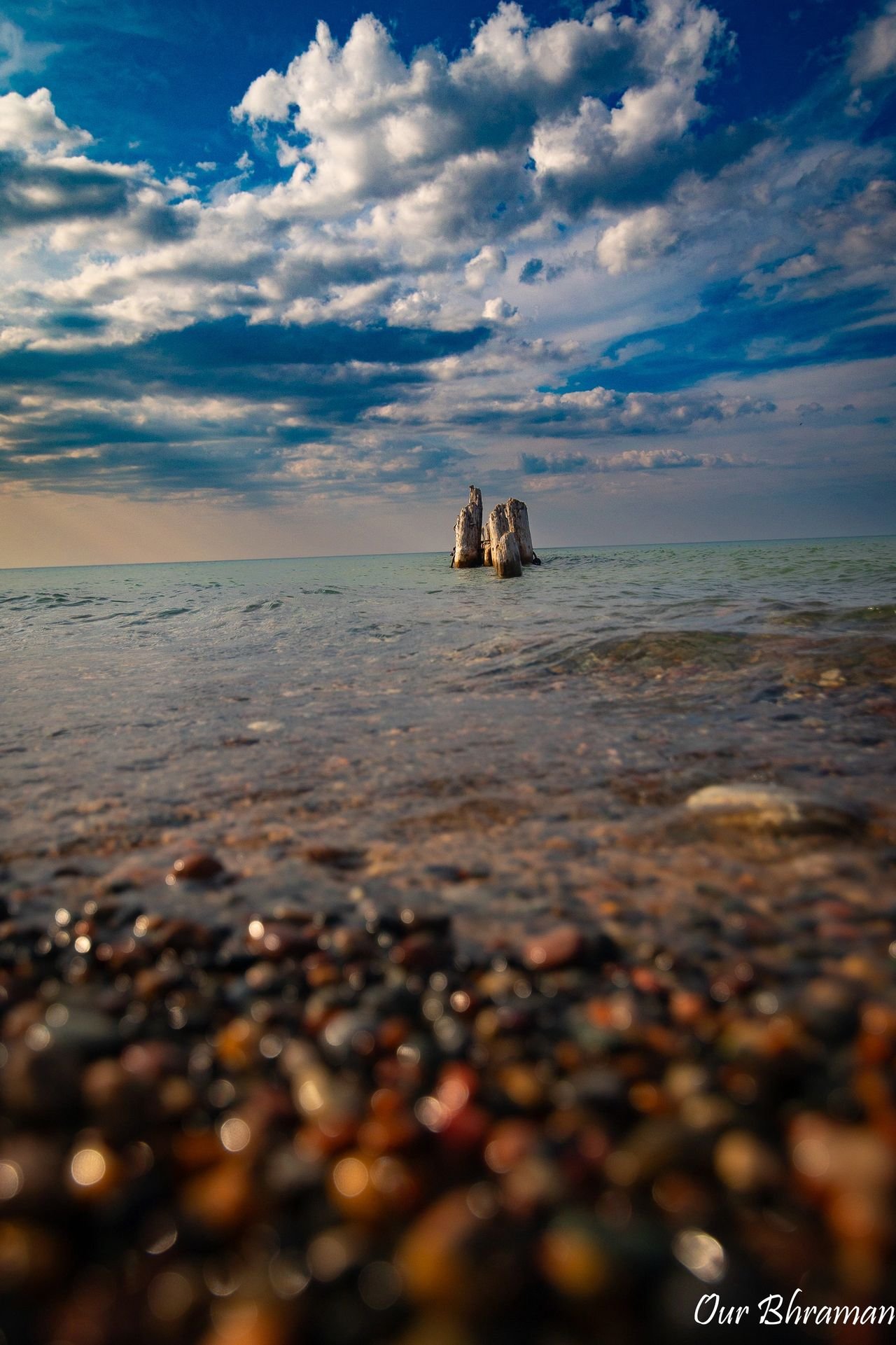
After this visit, we decided to conclude our day and head back to the campground to roast marshmallows and enjoy some food and drinks under a sky full of stars in Up North Michigan.
Our trip was an incredible adventure filled with breathtaking landscapes, unforgettable experiences, unexpected sighting of the northern light and cherished family moments.
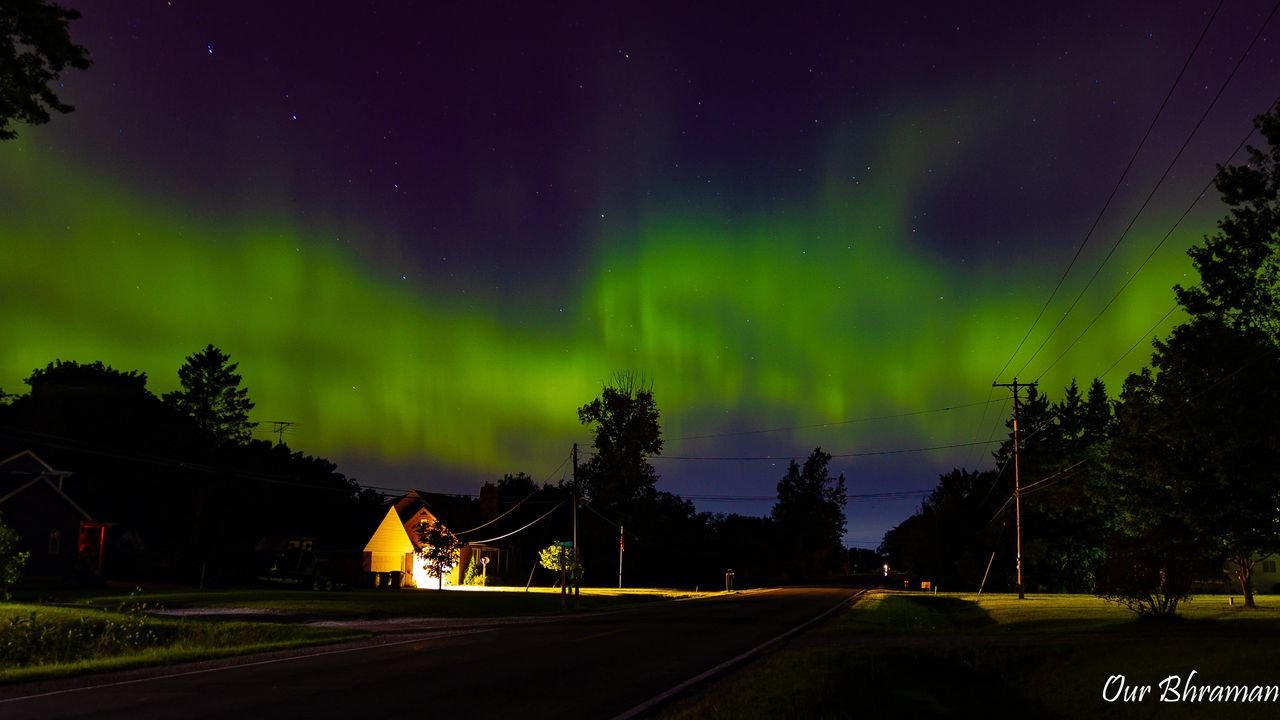
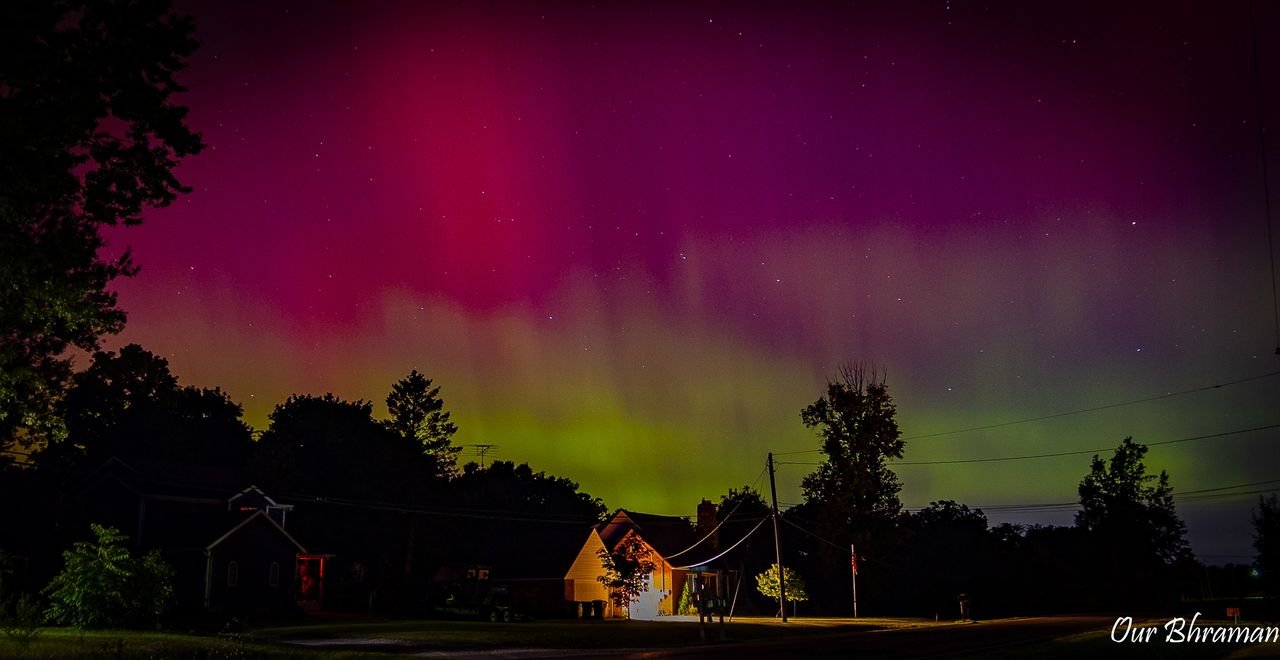
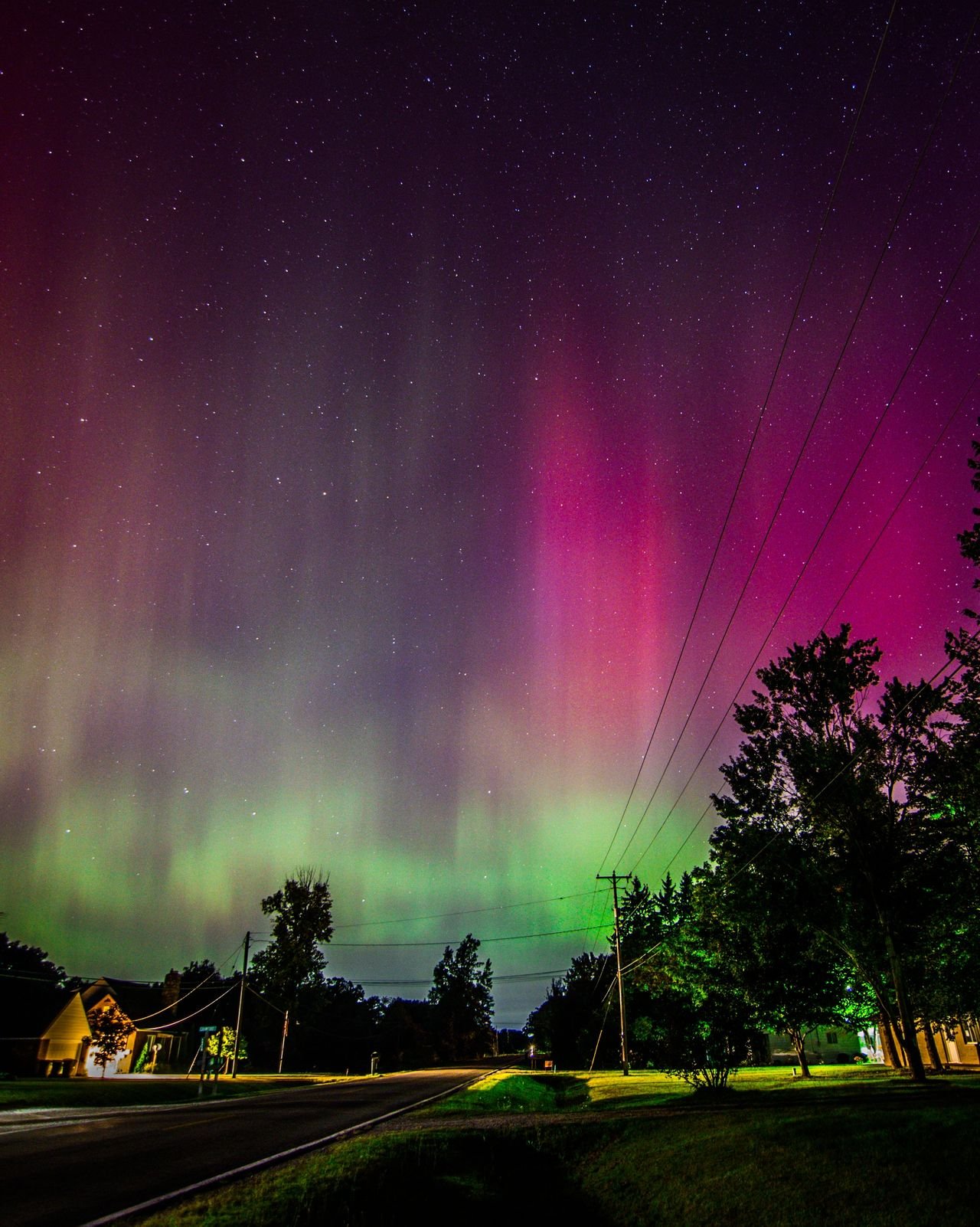
From exploring majestic waterfalls and secluded lighthouses to navigating rugged backroads and embracing the unexpected challenges along the way, every stop added to the thrill of discovery. We learned so much—about nature, history, and even ourselves—while creating lasting memories through laughter, scenic hikes, and countless photos. Most importantly, this journey was about quality time together, away from the everyday hustle, soaking in the beauty of Michigan’s great outdoors. As we head home, we carry not just souvenirs but stories, experiences, and a deep appreciation for the time well spent with loved ones.