Blog

Rs=w:1280

Day-3 :-  Exploring the Jodhpur War Museum, Jaswant Thada, and Mehrangarh Fort — where valor, royalty, and timeless Rajput pride come alive. 

Our morning began with a simple yet satisfying complimentary breakfast at our desert camp, the golden sands still glowing under the early sun. Soon after, we packed up and set off on the scenic drive toward Jodhpur, making our first meaningful stop at the Jaisalmer War Museum in Jaisalmer.

Also known as JWM, the museum stands as a powerful tribute to the brave soldiers of the Indian Armed Forces who fought valiantly in some of the nation’s most challenging battles. More than just a collection of military equipment, it is a solemn memorial honoring the courage, sacrifice, and unwavering spirit of those who served—particularly in the 1965 and 1971 Indo-Pak wars. Walking through its grounds felt both patriotic and deeply humbling.

Rs=w:1280

Architecturally, the museum beautifully blends traditional Rajasthani design with strong military character. Built using the iconic golden sandstone of the region, it reflects the same grandeur seen in the magnificent Jaisalmer Fort. The layout is thoughtfully designed, with expansive outdoor areas showcasing massive tanks, artillery, and military vehicles, while indoor galleries house photographs, personal belongings of soldiers, and detailed war narratives.

One of the most striking attractions is the Hunter Aircraft displayed proudly on the premises—an aircraft that played a crucial role during the wars. Seeing it up close offers a powerful reminder of the strategic strength that guarded India’s skies. The outdoor exhibits of tanks and heavy artillery vividly illustrate the evolution of desert warfare technology, especially during the historic conflicts fought along Rajasthan’s borders.

Rs=w:1280

At the heart of the museum stands a central memorial inscribed with the names of martyrs, creating a quiet, reflective space that encourages visitors to pause and pay their respects. The amphitheater, which hosts the popular light and sound show, brings the stories of battles—especially the legendary Battle of Longewala—to life through dramatic narration and visuals, making history both educational and emotionally stirring.

Rs=w:1280

After nearly four hours on the road, watching Rajasthan’s rugged landscapes slowly shift around us, we finally reached the serene marble beauty of Jaswant Thada in Jodhpur. Perched quietly near the mighty Mehrangarh Fort, Jaswant Thada welcomed us with an almost dreamlike glow under the winter sun. At the entrance gate, there is a ticket counter with separate entry fees for domestic and international visitors. Before stepping inside, we paused to read a few informational boards that beautifully explained the history of the monument. Built in 1899 by Maharaja Sardar Singh in memory of his father, Maharaja Jaswant Singh II, the structure is far more than just a marble cenotaph — it is a heartfelt tribute to one of Jodhpur’s most respected rulers.

Rs=w:1280

Learning about Maharaja Jaswant Singh II’s contributions — improving irrigation systems, strengthening law and order, and introducing meaningful reforms — added depth to our visit. This wasn’t simply architecture; it was legacy carved in stone.

Rs=w:1280

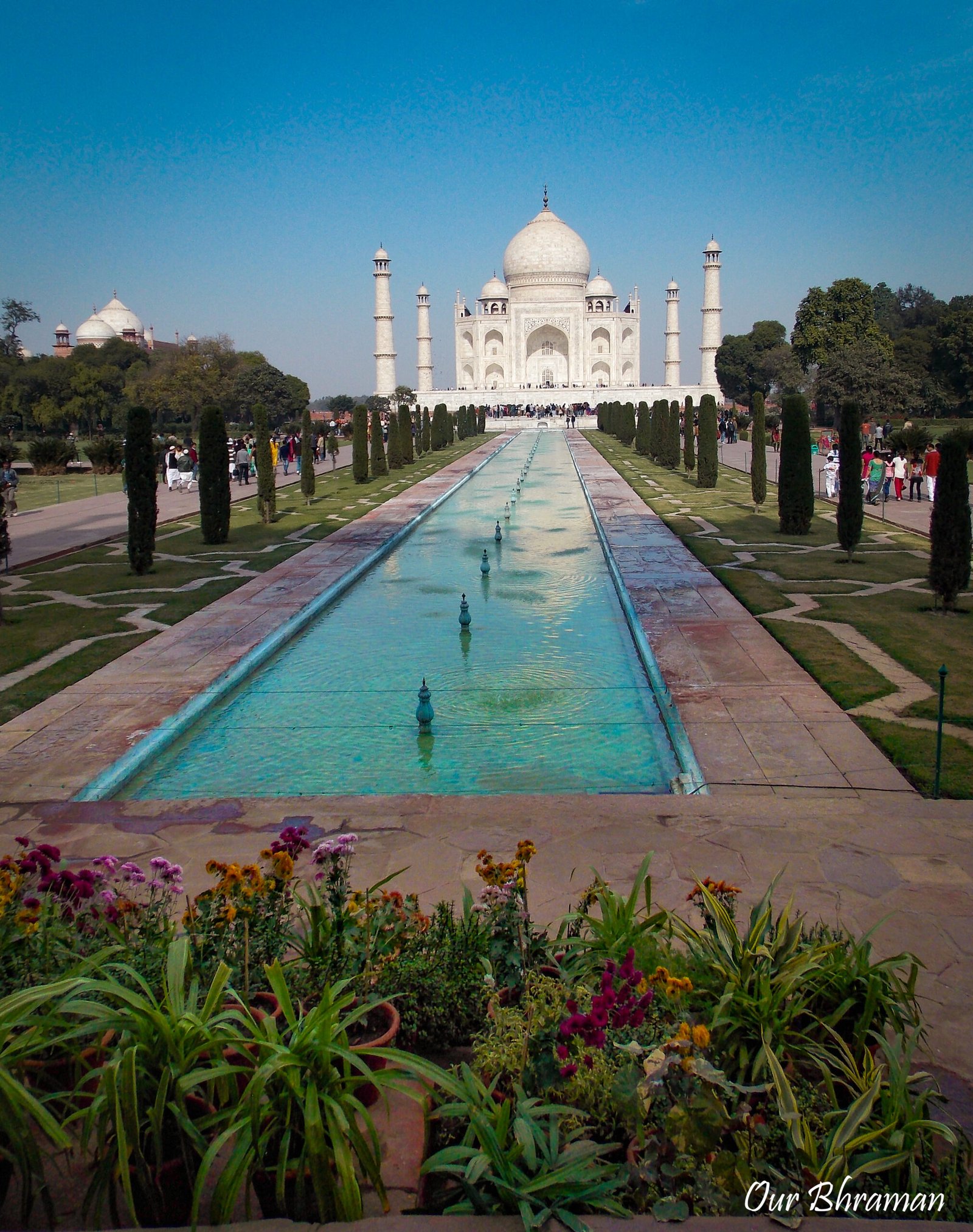
As we walked closer, the thin sheets of finely polished white marble began to shimmer brilliantly in the sunlight. The marble is so delicately carved that it almost appears translucent, allowing sunlight to filter through and create a soft golden glow. It’s easy to see why it’s often referred to as the “Taj Mahal of Marwar.” The intricate latticework, elegant domes, and detailed pillars showcase the opulence and brilliance of traditional Rajasthani craftsmanship.

Rs=w:1280

Inside, the atmosphere felt calm and reverent. The main hall, supported by beautifully carved pillars, houses portraits of Maharaja Jaswant Singh II and other Marwar rulers. Detailed artwork, elegant sculptures, and a grand chandelier hanging from the central dome give the interior a royal yet peaceful aura. It felt like stepping into a silent chapter of history, where stories of courage and leadership gently echo through the marble walls.

Rs=w:1280

Outside, the charm continued. The well-maintained gardens, colorful flowers, and tranquil lake in front of the monument created a refreshing contrast to Rajasthan’s dry terrain. We spent time simply soaking in the serenity. From certain viewpoints, seeing Mehrangarh Fort rise dramatically behind the marble structure was absolutely breathtaking — marble elegance framed against towering sandstone strength.

Rs=w:1280
Rs=w:1280

What stood out most was the stillness. Despite being a popular attraction, Jaswant Thada holds a quiet grace that makes it perfect for reflection and photography. It felt less like ticking off a landmark and more like pausing to truly absorb history and heritage.

Rs=w:1280

After spending about 45–60 minutes exploring different sections of the monument and capturing memories, we made our way toward the grand Mehrangarh Fort.

Rs=w:1280

After soaking in the calm beauty of Jaswant Thada, we made our way up the winding road toward the mighty Mehrangarh Fort — and with every turn, the fort seemed to rise more dramatically against the sky. Towering nearly 400 feet above the Blue City of Jodhpur, its massive stone walls looked less like architecture and more like a natural extension of the rugged hill itself.

Rs=w:1280

As we stepped deeper into Mehrangarh Fort, we quickly realized this wasn’t just a monument — it was an entire world enclosed within towering walls. Spread across nearly 5 kilometers, the fort feels like a self-contained city perched high above Jodhpur. Every turn opened into another courtyard, another palace, another breathtaking viewpoint. We chose to explore it on foot, which, in hindsight, was the best decision. Walking through the historic gates like Jai Pol and Loha Pol made us feel connected to the layers of history embedded in the stone. The pathways can be narrow and crowded at times, especially with tourists moving in both directions, so expect a bit of slow shuffling during peak hours. Some visitors take local transport up to the entrance to avoid the incline, but once inside, walking allows you to truly absorb the scale and details. 

Standing at the base, I felt incredibly small. Founded in 1459 by Rao Jodha, the ruler of Marwar, this fortress has watched over the city for more than five centuries. It has witnessed battles, royal processions, victories, and sieges — yet it still stands undefeated, embodying pure Rajput strength. Walking through its grand gates like Jai Pol and Fateh Pol, I couldn’t help but run my fingers across the thick stone walls, imagining the warriors who once defended this stronghold.

Rs=w:1280

Inside, the experience shifted from raw power to refined royalty. The palaces within the fort completely changed the atmosphere. Moti Mahal (Pearl Palace) glowed softly with its ornate interiors, while Phool Mahal (Flower Palace) felt like stepping into a chamber designed for celebration and music. The detailing — delicate mirror work, hand-painted ceilings, intricate lattice windows — showcased a level of craftsmanship that left us quietly admiring every corner. Each courtyard opened into another world of carvings, balconies, and panoramic terraces overlooking the endless stretch of blue-painted houses below.

Rs=w:1280
Rs=w:1280
Rs=w:1280

We spent time exploring the museum galleries, which display royal armory, costumes, palanquins, paintings, and manuscripts. Seeing the swords, shields, and armor up close made the stories of valor feel tangible. The audio guide added depth, narrating tales of strategy, sacrifice, and royal life in a way that felt immersive rather than informational.

Rs=w:1280

From the ramparts, Jodhpur’s famous blue houses stretched endlessly below us — a sea of indigo under the golden Rajasthan sun. The contrast between the powerful sandstone fort and the calm blue city beneath was unforgettable. It was one of those moments where you just stand still, letting history and landscape merge into a single breathtaking frame.

Rs=w:1280

Mehrangarh Fort isn’t just one of the largest forts in India — it feels like the soul of Jodhpur itself. Exploring it wasn’t simply walking through a monument; it was stepping into centuries of bravery, artistry, and Rajput pride. By the time we walked back down, the sun had softened, but the impression this fortress left on us was anything but fading. 

Rs=w:1280
Rs=w:1280
Rs=w:1280

Ideally, this fort deserves at least 3–4 hours to experience it comfortably — from the intricate palaces and museum galleries to the ramparts overlooking the blue city. Unfortunately, we were short on time. With a tighter schedule than we would have liked, we moved at a quicker pace, prioritizing the key highlights. Even then, managing to explore the major sections in under 2.5 hours felt like an accomplishment.

Though it was a faster visit than planned, the impact was just as powerful. Sometimes travel isn’t about how long you spend — it’s about how deeply the place stays with you. And Mehrangarh definitely stayed with us.

Rs=w:1280

We reached Mandore Garden just after sunset, and the entire place felt calm yet full of character. The evening began beautifully at the entrance itself, where a illuminated archway welcomed visitors into the park. Lit up with warm golden lights, the arch created a regal first impression — almost like stepping through a gateway into Rajasthan’s royal past. It set the perfect tone for what was waiting inside.

Rs=w:1280

Once the ancient capital of Marwar before Jodhpur was founded, Mandore carries centuries of history from the Pratihara and Rathore dynasties. As the evening light softened, the grand red sandstone cenotaphs of the Marwar rulers looked even more majestic, especially the beautifully carved memorial of Maharaja Ajit Singh.

As we explored the pathways, one thing that truly stood out was the number of monkeys freely wandering around the park. They climbed trees, sat confidently on railings, and curiously observed visitors passing by. It added a raw, natural charm to the historic surroundings — though we made sure to keep our belongings secure and admire them from a safe distance.

Rs=w:1280

We also visited the Hall of Heroes and the Temple of 33 Crore Gods, reflecting Rajasthan’s deep cultural and spiritual heritage. From the entrance, there’s even a small toy train that takes visitors deeper inside the garden toward the light show area — a convenient and fun ride, especially after a long day of sightseeing.

The highlight of our evening was the light and sound show, beautifully narrating the rich history of Rajasthan and the glory of the Marwar kingdom. As colorful lights illuminated the cenotaphs, stories of Rajput bravery, sacrifice, and royal legacy echoed through the garden. Sitting under the night sky, surrounded by centuries-old monuments and the occasional monkey crossing by, felt like watching history come alive.

Rs=w:1280

This visit marked the end of our sightseeing for the day, followed by grabbing a relaxing dinner to conclude a truly memorable day in Jodhpur.

Day-4 The mesmerizing Blue City charm blends beautifully with architectural marvels like Ranakpur Jain Temple and the mighty Kumbhalgarh Fort, showcasing Rajasthan’s rich spiritual and royal heritage. 

Our day began with an early morning rickshaw ride toward the iconic Ghanta Ghar, located in the heart of the old city. The cold morning breeze made the ride even more refreshing. The tower rises from the center of Sardar Market, a lively bazaar filled with spices, handicrafts, textiles, and jewelry. Narrow lanes radiate outward from the tower, naturally drawing locals and tourists into the vibrant rhythm of old Jodhpur. In the distance, the mighty Mehrangarh Fort stands tall, adding dramatic scale to the skyline. Yet at this early hour, the usually chaotic junction felt calm and almost empty — a rare and beautiful sight.

Rs=w:1280

Ghanta Ghar, built by Maharaja Sardar Singh in the late 19th century, has long symbolized the commercial heart of Jodhpur. As shopkeepers slowly lifted shutters and chai stalls began preparing their first cups, it felt like the city was gently waking up around us.

Rs=w:1280

From Ghanta Ghar, we walked to Toorji Ka Jhalra — an easy 10–15 minute walk through the charming old city lanes. Google Maps can guide you smoothly, but honestly, asking a local passerby works just as well; the people of Jodhpur are friendly and always ready to help with directions.

Rs=w:1280

Built in the 1740s by a queen of Maharaja Abhay Singh, Toorji Ka Jhalra is not just a stepwell but a historic symbol of royal patronage and community life. In Rajasthan’s arid climate, stepwells were vital sources of water and also served as social hubs where daily interactions took place. The symmetrical red sandstone steps descend dramatically into the earth, showcasing classic Rajput-era engineering and design.

Rs=w:1280

After recent restoration, the stepwell has transformed into one of Jodhpur’s most photogenic heritage sites. Today, it’s a favorite location for couples’ photoshoots and pre-wedding shoots. The geometric steps, warm sandstone glow, and historic aura create a stunning backdrop. Visiting in the early morning allowed us to admire its architecture peacefully before photographers and couples began arriving later in the day.

Rs=w:1280

Toorji Ka Jhalra is truly a photographer’s paradise, especially during the early morning golden hours when the soft light highlights its intricate carvings, vibrant water, and timeless character. You may even spot locals swimming or sitting by the steps — a beautiful reminder that this is not just a monument to admire, but a living local space where people relax, connect, and enjoy everyday life. 

Rs=w:1280

 Leaving Toorji Ka Jhalra behind, we didn’t follow a strict route — and that’s exactly what made the experience special. Google Maps helped us roughly navigate toward the blue neighborhoods, but once we entered the narrow lanes, it was less about directions and more about curiosity.

Rs=w:1280

From the stepwell, we slowly made our way toward Navchokiya (Nav Chowk), just a short walk away. This area is known for some of the most vivid blue houses in the city. The lanes here are narrow, intimate, and full of personality — intricately carved wooden doors, small temple corners, children playing, elders sitting outside chatting. Every turn felt organic, unscripted, and beautifully authentic.

Rs=w:1280

We then drifted toward Chandpole, located adjacent to Navchokiya. The blue tones continued but with fewer people around, giving us quiet moments to pause and observe daily life. It didn’t feel like a tourist checklist — it felt like being part of the neighborhood, even if just briefly.

Rs=w:1280

Further north and west, we found ourselves in what many call the Blue Corridor — a network of interconnected alleys and stairways painted in striking shades of indigo and azure. Some steps unexpectedly opened up to small viewpoints, and certain corners — often referred to as the “Blue Stairs” — offered incredible photo angles. The cool shade between houses made the walk even more pleasant in the morning hours.

Rs=w:1280

What we loved most was that there is no single defined walking path. While Google Maps can guide you to main markers like Navchokiya or Chandpole, the real magic lies beyond the marked routes. It’s in the hidden doorways, the quiet courtyards, and the unexpected splashes of blue around a random corner. Sometimes we took a turn simply because the color looked more vibrant or because we heard temple bells echoing nearby.

Rs=w:1280

Starting at Toorji Ka Jhalra made it convenient to access these blue neighborhoods within minutes, but from there, it truly became a personal exploration. No itinerary. No rush. Just wandering at our own pace and letting the city reveal itself naturally.

Rs=w:1280

 After wandering for about 45–60 minutes, soaking in the colors and charm of the Blue City, we decided it was time to head back. We flagged down a rickshaw and made our way to the hotel to grab a hearty breakfast and freshen up — getting ready for the next royal highlight of the day, the magnificent Umaid Bhawan Palace. 

Rs=w:1280

Umaid Bhawan Palace, was built between 1929 and 1943 by Maharaja Umaid Singh, the palace was not only a royal residence but also a famine relief project that provided jobs to thousands during a severe drought. Knowing this made the visit feel more meaningful.

Rs=w:1280

Designed by Henry Vaughan Lanchester, the palace blends Indian and Art Deco styles beautifully. Its golden sandstone exterior, marble interiors, wide staircases, and open gardens reflect elegance at every step. Today, Umaid Bhawan Palace serves as a royal residence, a museum, and a luxury hotel managed by Taj Hotels. The palace has 347 rooms, vast gardens, grand staircases, and expansive lawns that reflect its magnificent scale. Yet despite its size, walking inside felt surprisingly calm and peaceful. The museum section was especially fascinating. It showcases royal photographs, antique clocks, vintage cars, and many personal items belonging to the royal family. As we explored the galleries and later stood on the sweeping lawns, we truly felt the transition — from the simple blue streets below to this refined royal world above. 

Rs=w:1280

After spending a couple of memorable hours at Umaid Bhawan Palace, we left the royal grandeur behind and set out toward the quiet hills of Rajasthan. Our next stop was the breathtaking Ranakpur Jain Temple.

The drive from Jodhpur to Ranakpur stretches about 155 kilometers and takes a little over three hours. As we moved farther from the city, the landscape slowly transformed into winding roads through the Aravalli hills. The journey itself felt calming — less noise, more nature. By the time we arrived in the afternoon, there was already a quiet, spiritual feeling in the air.

Rs=w:1280

We had planned our timing carefully since the temple allows non-Jain visitors only between 12 PM and 5 PM. That small detail helped us experience the temple without rushing. In total, we spent about one and a half hours exploring the complex — and every minute felt meaningful.

Rs=w:1280

Built in the 15th century and dedicated to Adinatha (Rishabhanatha), the first Tirthankara, the temple is considered one of the holiest Jain pilgrimage sites in India. It was commissioned by Dharna Shah under the patronage of Rana Kumbha. Designed in the beautiful Māru-Gurjara architectural style, the temple is truly a masterpiece in marble.

Rs=w:1280

We picked up our audio guide with the foreigner ticket and entered through the main gate. To comply with the dress code requirements, we wore head scarves to maintain the decorum of the sacred space. Audio guide was very informative to help us understand different area of temple and provided some historical and religious insights.

Rs=w:1280

What left us completely amazed were the 1,444 intricately carved marble pillars — and not a single one is the same. As we slowly walked through the 29 halls and beneath the 80 domes, each pillar revealed new patterns and delicate carvings. The interconnected mandapas guide you toward the central four-faced idol of Adinatha, creating both symmetry and a sense of spiritual balance.

Rs=w:1280

 
The temple’s design naturally keeps the interiors cool, and the filtered afternoon sunlight entering through the marble creates a soft, glowing effect. The light gently touches the carvings, bringing out their depth and beauty in a way that feels almost magical.  

Rs=w:1280

We found ourselves slowing down — looking up at the domes, tracing the carvings with our eyes, and simply standing still among the pillars. In that moment, the noise of the outside world disappeared. 

Rs=w:1280
Rs=w:1280

Ranakpur was more than just a stop on our itinerary. It was an experience of silence, light, devotion, and extraordinary craftsmanship — quietly resting in the heart of the Aravalli hills.

Rs=w:1280

 As the afternoon light began to soften at Ranakpur Jain Temple, we made our way deeper into the Aravalli hills toward the mighty Kumbhalgarh Fort.

The fort slowly revealed itself as we climbed higher — its massive walls stretching across the ridgelines like a protective crown over the hills. Built in the 15th century by Rana Kumbha at about 1,100 meters above sea level, Kumbhalgarh is famous for its astonishing 36-kilometer-long wall, the second-longest continuous wall in the world.

Rs=w:1280

Visiting Kumbhalgarh is not just sightseeing — it’s a physical experience. From the main entrance, the walk upward continues steadily through gates, courtyards, and steep stone pathways until you reach Badal Mahal at the highest point inside the fort. The climb can take anywhere from 30 to 45 minutes at a relaxed pace, depending on stops for photos and rest.

Rs=w:1280

As you go higher, the views open up dramatically. From the top, you can see the fort’s massive wall winding across the hills in the distance — a truly breathtaking sight. Looking down from that height, you begin to understand how powerful and strategically placed this fort was.

Rs=w:1280

Throughout the walk, we encountered many monkeys sitting along the walls and staircases. Some were playful, some simply observing visitors from a distance. They added a lively, almost wild feel to the fort experience, but it’s important to stay cautious and keep belongings secure.

Rs=w:1280
Rs=w:1280
Rs=w:1280

Inside the fort complex, there are more than 360 temples, along with palaces and courtyards. We explored Badal Mahal — the Palace of Clouds — which sits at the very top. Its balconies offer panoramic views of the Aravalli hills, and the cool breeze up there made the long climb worthwhile.

Rs=w:1280

As sunset approached, the fort began to glow in golden tones. But once the sun disappeared, the temperature dropped quickly. Because the fort sits high in the hills, evenings can become surprisingly cold — especially while sitting still during the light and sound show.

Rs=w:1280

At the very top of Kumbhalgarh Fort stands Badal Mahal, beautifully known as the Palace of Clouds. True to its name, this structure feels as if it almost touches the sky. Perched at the highest point of the fort, Badal Mahal offers the most breathtaking panoramic views of the surrounding Aravalli Hills. On a clear day, you can see far beyond the immediate ridges — stretching toward parts of the Marwar region and even toward the distant Thar Desert. After the steady climb through gates and stone pathways, reaching this point feels deeply rewarding.

Rs=w:1280

Badal Mahal is a two-storied structure designed not just for defense but for comfort and aesthetics. Unlike the rugged, earthy exterior of the fort walls, the palace interiors are painted in soft shades of green, white, and turquoise, creating a striking contrast. The rooms are airy, with latticed windows and open balconies that allow natural light and breeze to flow through — a smart design for Rajasthan’s climate.

Rs=w:1280

Dressing in layers is extremely important. Even if the late afternoon feels warm during the climb, you’ll appreciate having a jacket or shawl once darkness settles in. The wind at that altitude can feel sharp, and the stone seating areas retain cold. Being prepared allows you to fully enjoy the experience without discomfort.

Rs=w:1280

After climbing down from the top, we made our way toward the fort’s massive defensive wall — famously known as the “Great Wall of India” at Kumbhalgarh Fort. We walked along a small stretch of it, just enough to truly feel its astonishing width and scale. From below, the walls appear intimidating and powerful. But walking on top of them offers a completely different perspective. Up there, the wall feels endless — stretching dramatically across the rugged hills as if it were a living extension of the landscape itself. 

Rs=w:1280

From the ramparts, we were greeted with sweeping views of green valleys, dense forests, and rolling Aravalli hills fading into the horizon. The breeze felt stronger, the air fresher, and the silence deeper. Watching the wall snake its way over the hills made us appreciate not only its architectural brilliance but also the strategic genius behind its design. It wasn’t just a fortification — it was a bold statement carved into the land.

Rs=w:1280

After dark, the fort transformed completely. Warm lights illuminated the massive walls, gates, and palaces. The 40–45 minute light and sound show narrated stories of Rajput valor, especially the legacy of Rana Kumbha and Maharana Pratap, who was born here. Sitting under the open sky, with the giant fort walls glowing around us, felt surreal. The narration echoed across the stone ramparts, making history feel alive. The same walls we had climbed in daylight now stood illuminated in dramatic colors, telling their stories through light and sound. By the end of the night, wrapped in our jackets and watching the fort shine against the dark hills, we realized Kumbhalgarh is more than just a fort. It’s an experience of effort, elevation, history, nature, and storytelling — one that unfolds beautifully from late afternoon to night.

Rs=w:1280

 At the end of the light and sound show, we walked back to our car as the fort slowly went quiet under the night sky.  We reached our resort, relaxed for a bit, and then had dinner to end the day. As we sat there, we talked about everything we had seen — the climb, the massive walls, and the stories from the show. It was a simple and perfect way to finish a long and memorable day and sightseeing near jodhpur area. 

Leave a Reply

Your email address will not be published. Required fields are marked *

Scroll to Top