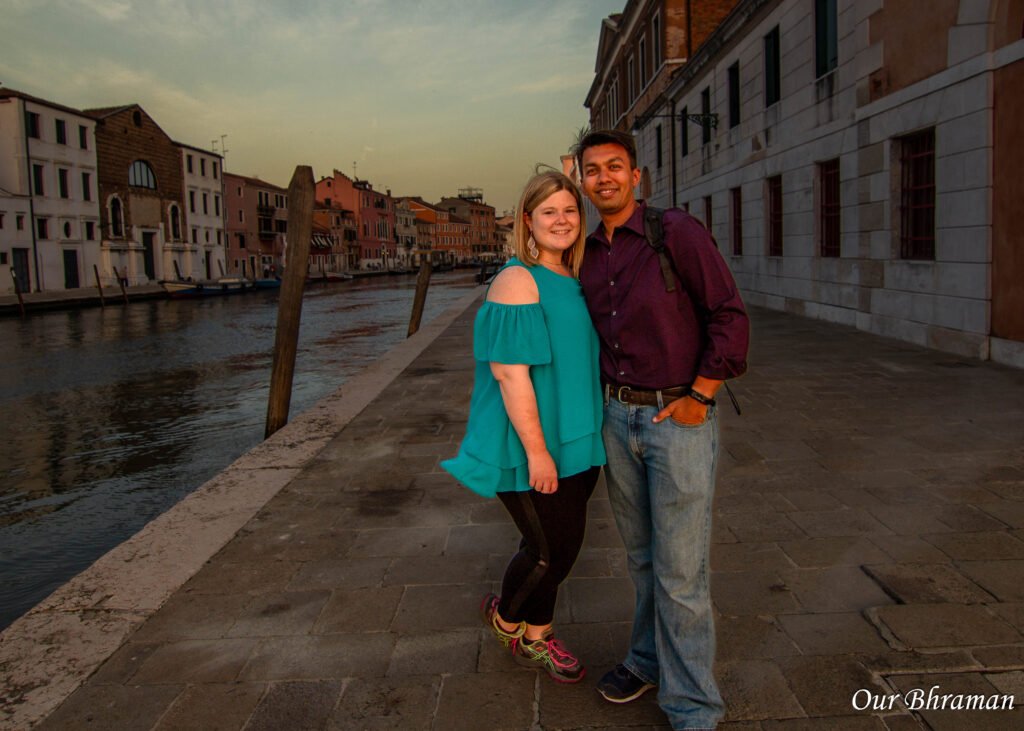
Venice: Beyond the Canals
There are some places that live up to the hype, and then there are places that completely redefine your expectations. Venice is one of those rare destinations.
Before visiting, we had heard every opinion imaginable. Some people described it as the most beautiful city in the world, while others warned us about the crowds, expensive cafés, and endless souvenir shops. We weren’t sure which version we would experience.
The truth? They were all right.
Venice can feel busy, chaotic, and overwhelmingly popular, especially around its famous landmarks. But look beyond the crowds, wander through its quiet alleyways, or hop on a ferry to one of the nearby islands, and you’ll discover a city unlike anywhere else on Earth. There are no roads filled with cars, no honking traffic—just centuries-old buildings rising from the water, graceful canals instead of streets, and boats serving as everything from taxis to delivery trucks.
For us, Venice was a city best explored differently than the typical checklist itinerary. Instead of rushing from one famous landmark to another, we decided to let the city guide us.
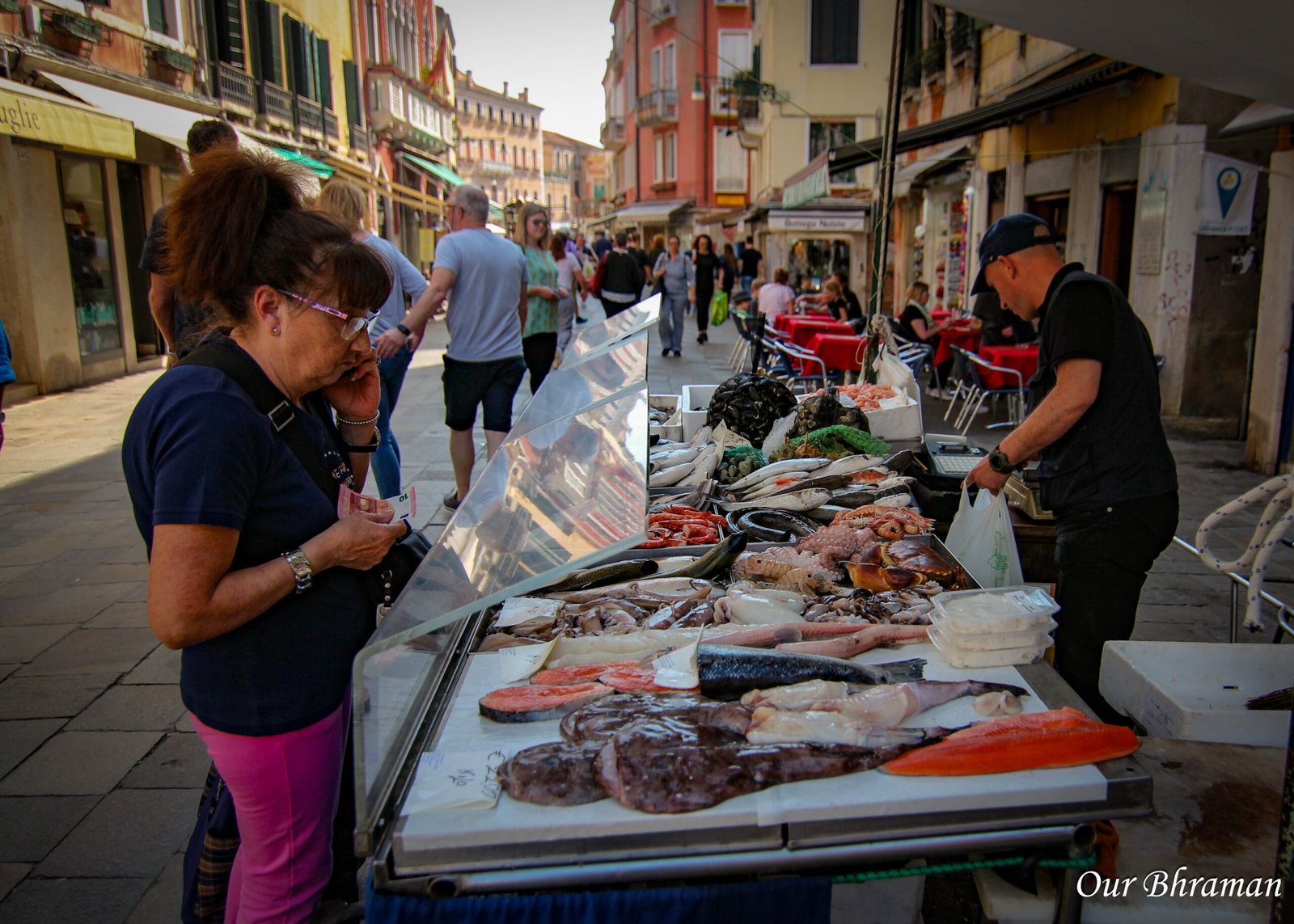
Our first stop that morning was the lively Mercato di Rialto, where the sights, sounds, and aromas of Venice came alive. Vendors proudly displayed their fresh catch of the day—salmon, trout, octopus, shellfish, and countless other varieties of seafood—offering a glimpse into everyday Venetian life beyond the city’s famous landmarks. Located just steps from the Rialto Bridge, this bustling market has been the heart of Venice’s trading community since the Middle Ages. As we wandered between the stalls, watching locals shop for the day’s freshest ingredients, it was easy to imagine merchants gathering here centuries ago, continuing a tradition that has endured for generations.
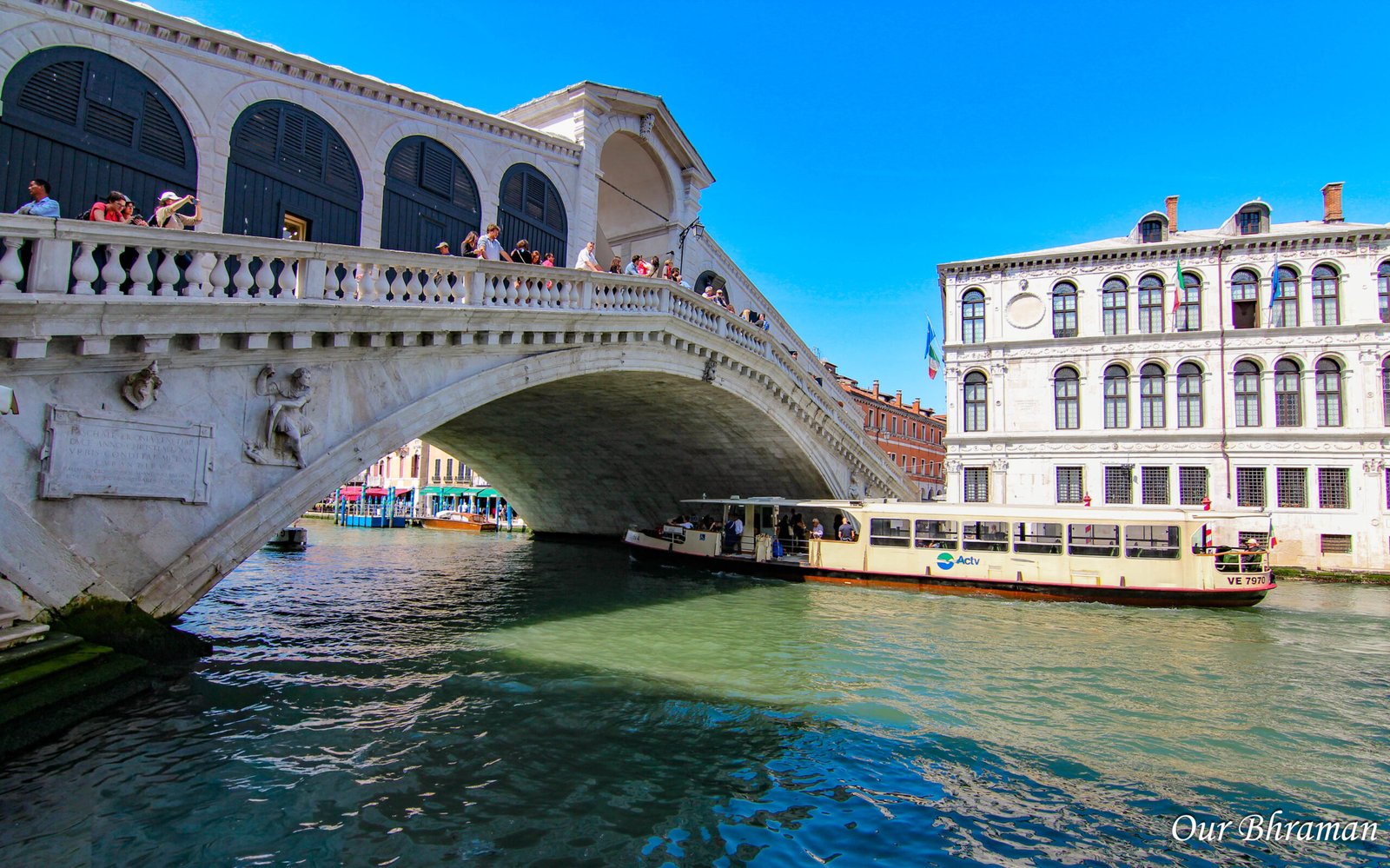
Leaving the market behind, we made our way to the iconic Rialto Bridge, one of Venice’s most recognizable landmarks. Built in 1591, it is the oldest bridge spanning the Grand Canal and has connected the districts of San Marco and San Polo for more than four centuries. As we climbed to the top, we were rewarded with one of the most spectacular views in the city. The Grand Canal stretched out before us, framed by centuries-old buildings, colorful facades, and a constant stream of boats weaving through the water. It was easy to see why the Rialto Bridge has become one of Venice’s most photographed and cherished landmarks.
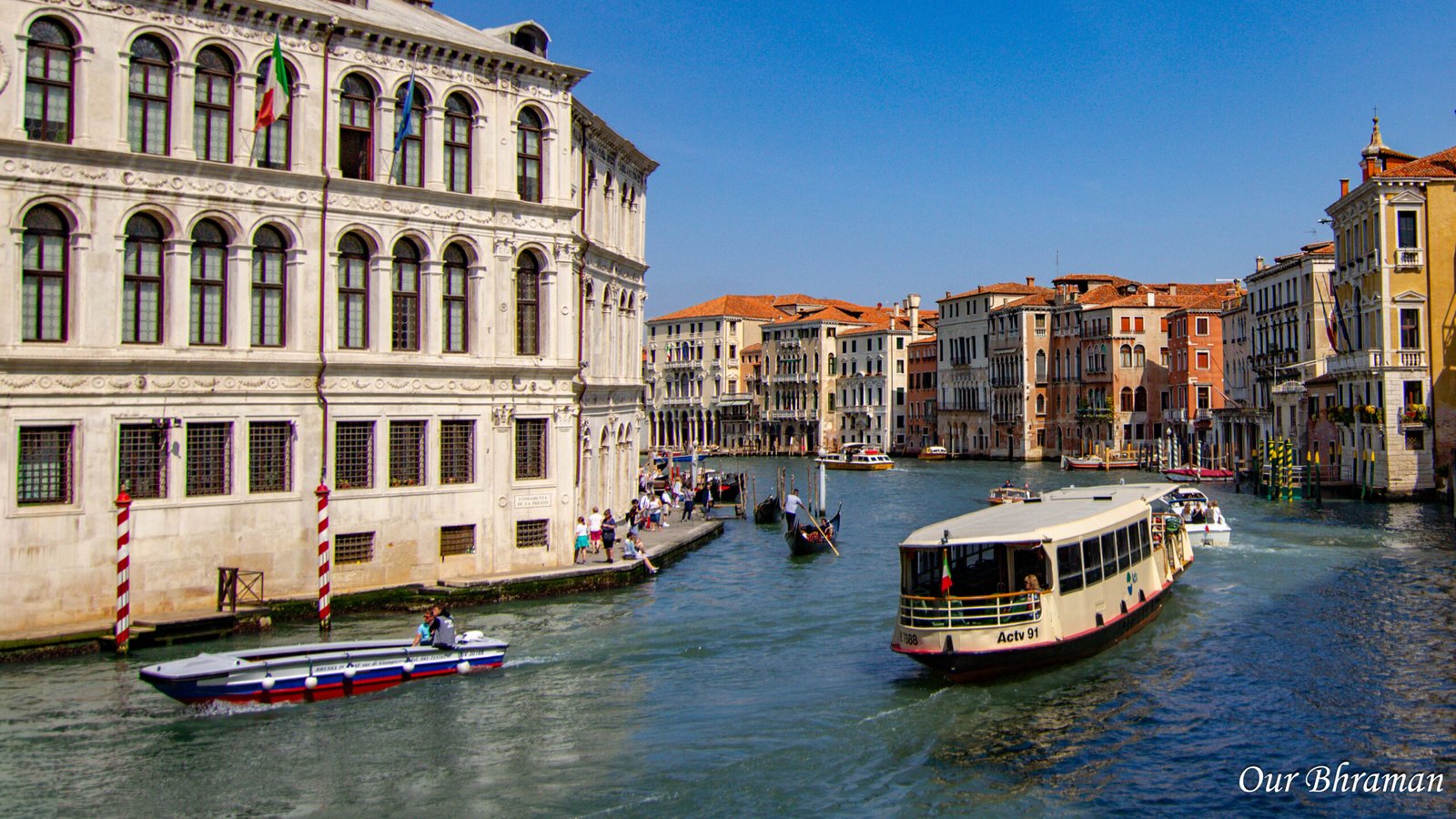 We lingered on the bridge longer than we had planned, simply watching the city come alive below. Instead of traffic lights and busy intersections, Venice has a waterway filled with gondolas, vaporettos, water taxis, delivery boats, and private vessels, all moving with surprising order along the Grand Canal. Every boat had a purpose—commuters heading to work, deliveries being made, tourists admiring the scenery, and gondoliers skillfully navigating through the traffic.
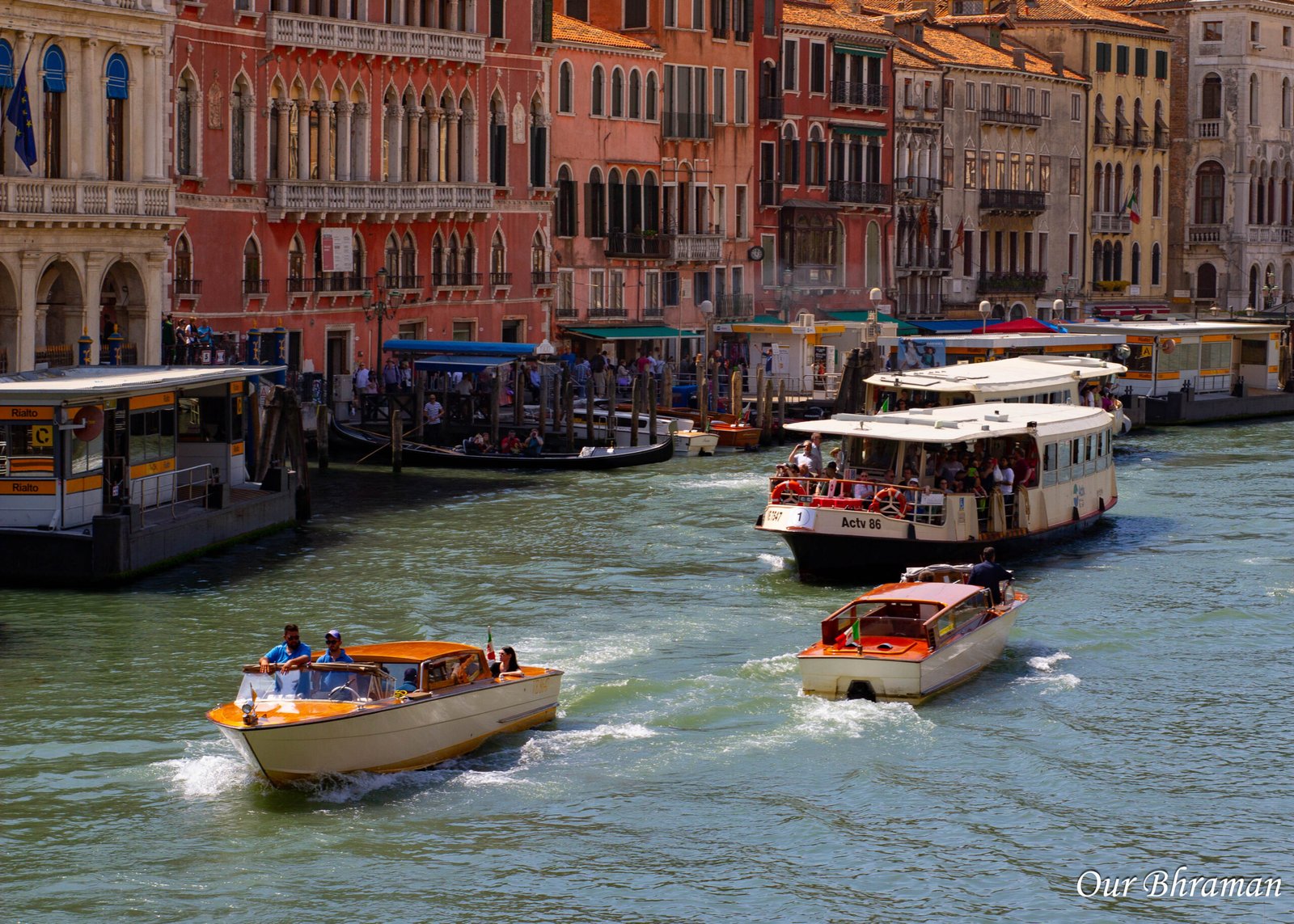 Nearby, the restaurants and cafés lining the canal buzzed with conversation as locals and visitors gathered along the waterfront to enjoy the views. Standing there, we realized that the Grand Canal isn’t just a beautiful backdrop—it’s the lifeblood of Venice, where the city’s daily hustle and bustle unfolds on the water instead of on the road.
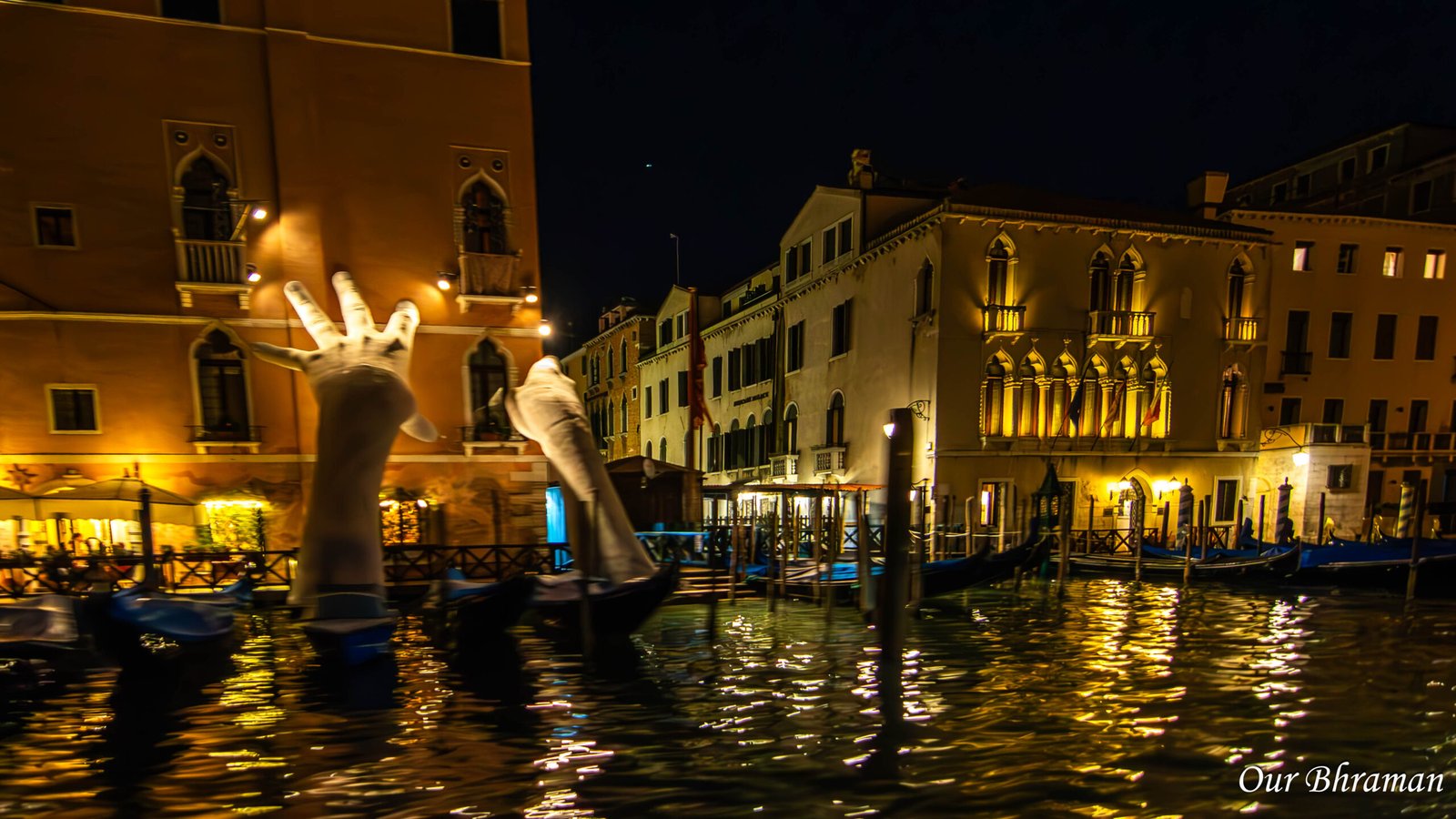
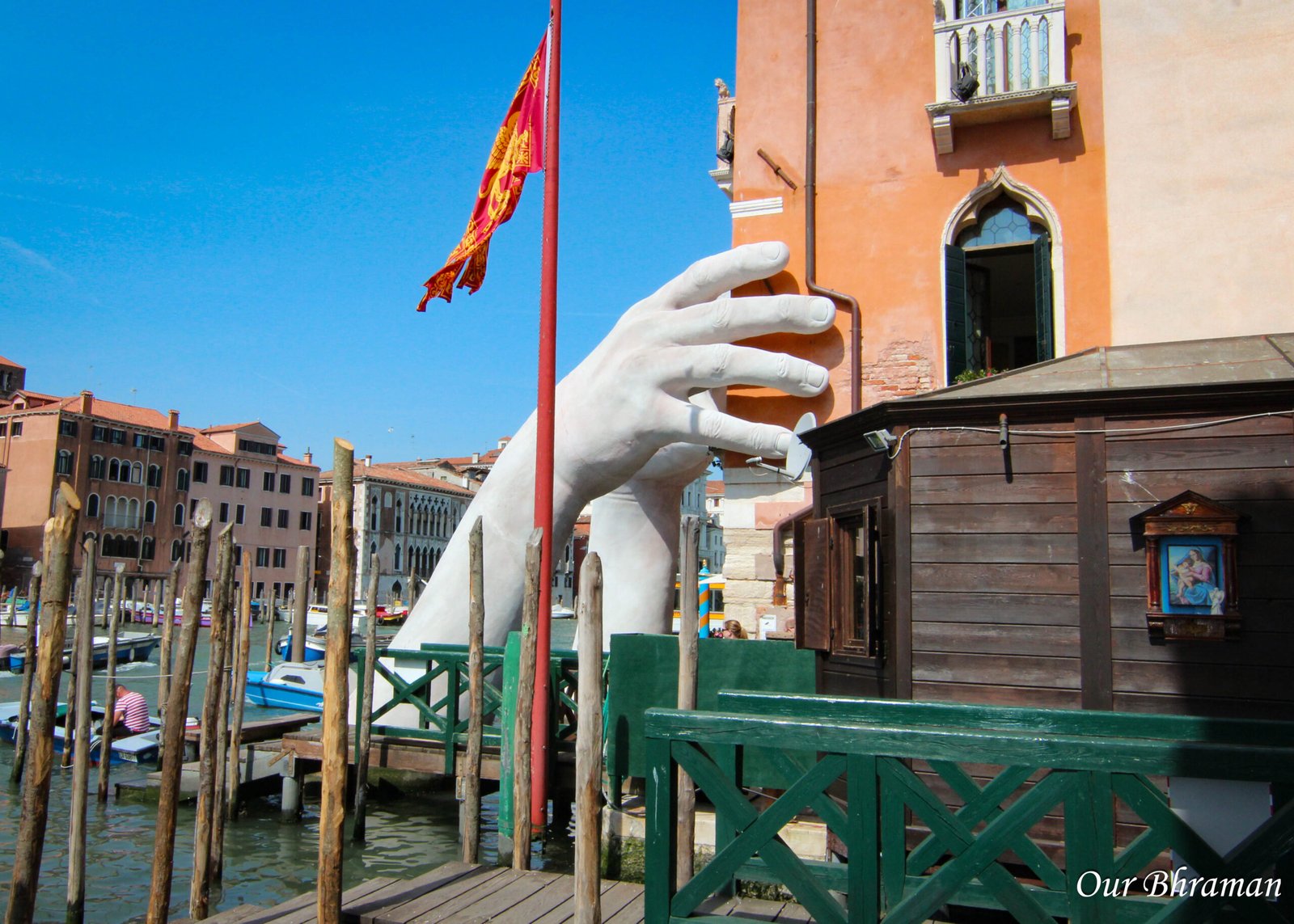 As we continued along the Grand Canal, we were stopped in our tracks by an unforgettable sight—two enormous white hands rising from the water to support the historic Ca’ Sagredo Hotel. This is Support, a powerful sculpture by artist Lorenzo Quinn, created for the 2017 Venice Biennale. More than just an impressive work of art, the sculpture serves as a reminder of Venice’s fragile future, symbolizing both humanity’s ability to protect the city and the growing threat of climate change and rising sea levels. It was one of those moments that made us pause, reminding us that Venice is not only a city of remarkable history but also one facing an uncertain future.
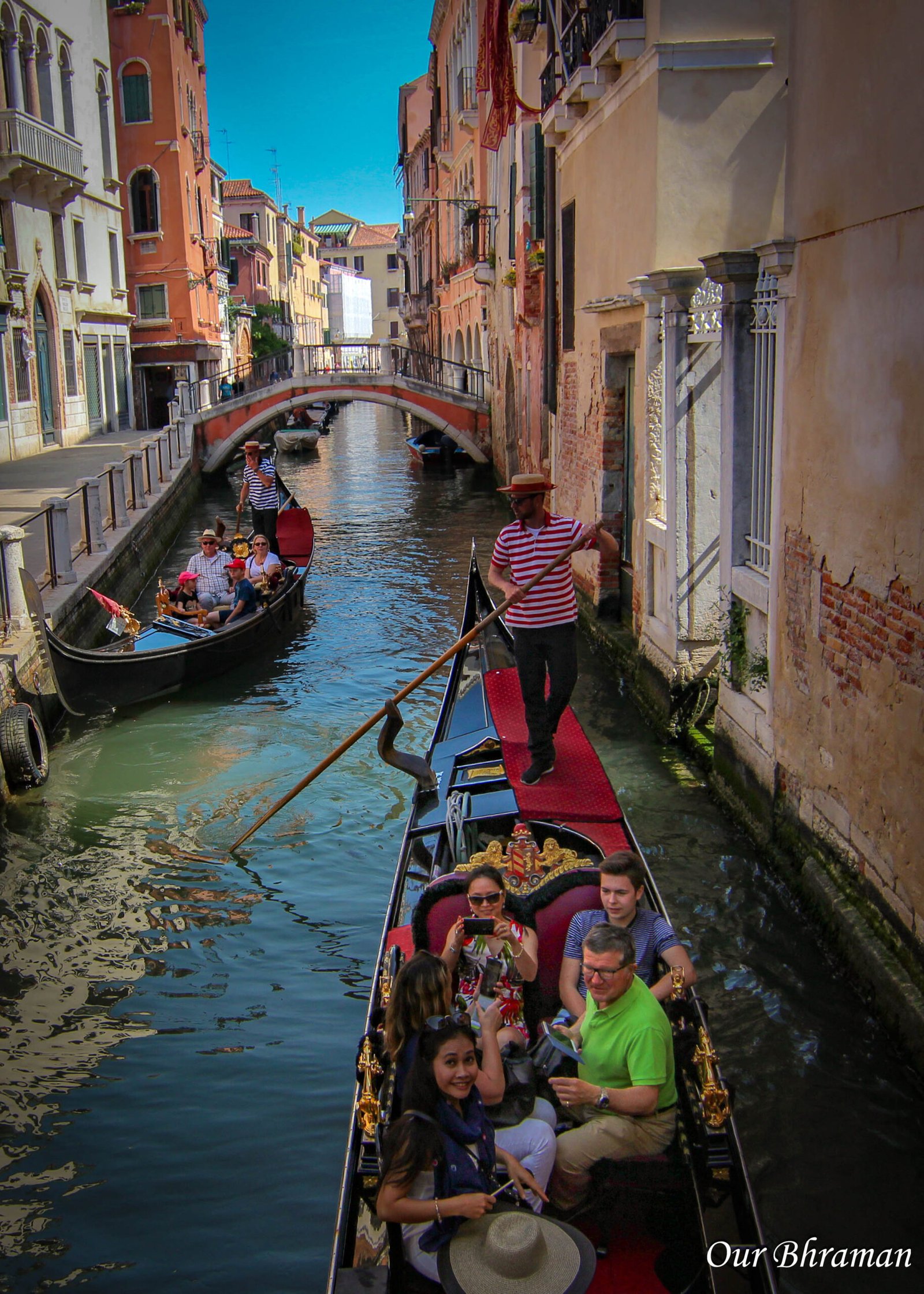 No trip to Venice would be complete without seeing its iconic gondolas gliding gracefully through the canals. While a gondola ride is one of the city’s most famous experiences, we decided to skip it in favor of exploring more of Venice on foot and by vaporetto. For us, it was a more budget-friendly option that allowed us to cover more of the city, discover hidden corners, and experience everyday Venetian life beyond the main attractions.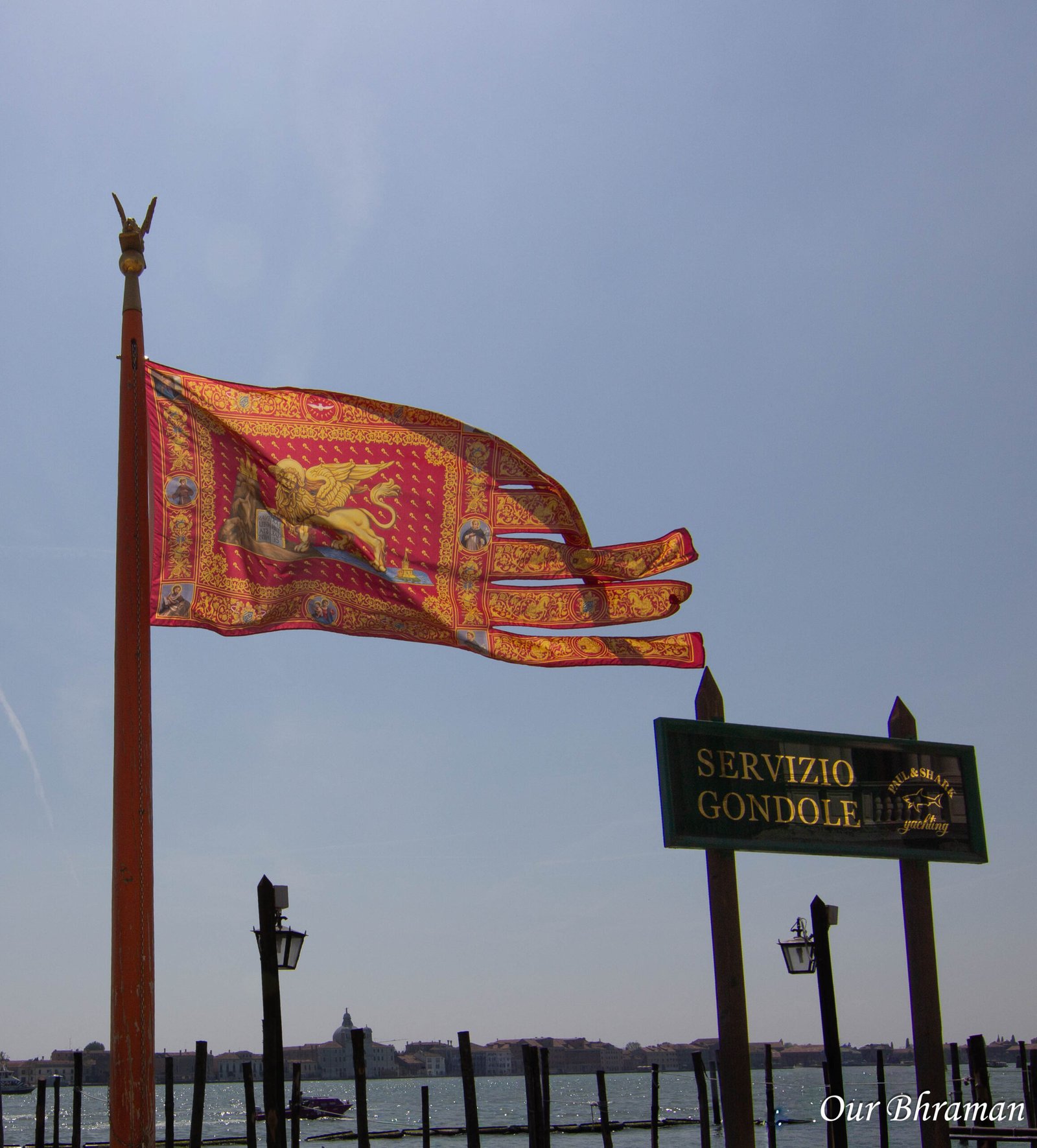
As travel photographers, we found just as much joy standing along the canals, watching the gondolas drift beneath historic bridges and past centuries-old buildings. Framing those timeless scenes through our camera lenses gave us a deeper appreciation for Venice’s beauty, proving that sometimes the best memories come not from being on the gondola, but from capturing the magic it adds to the city’s landscape.
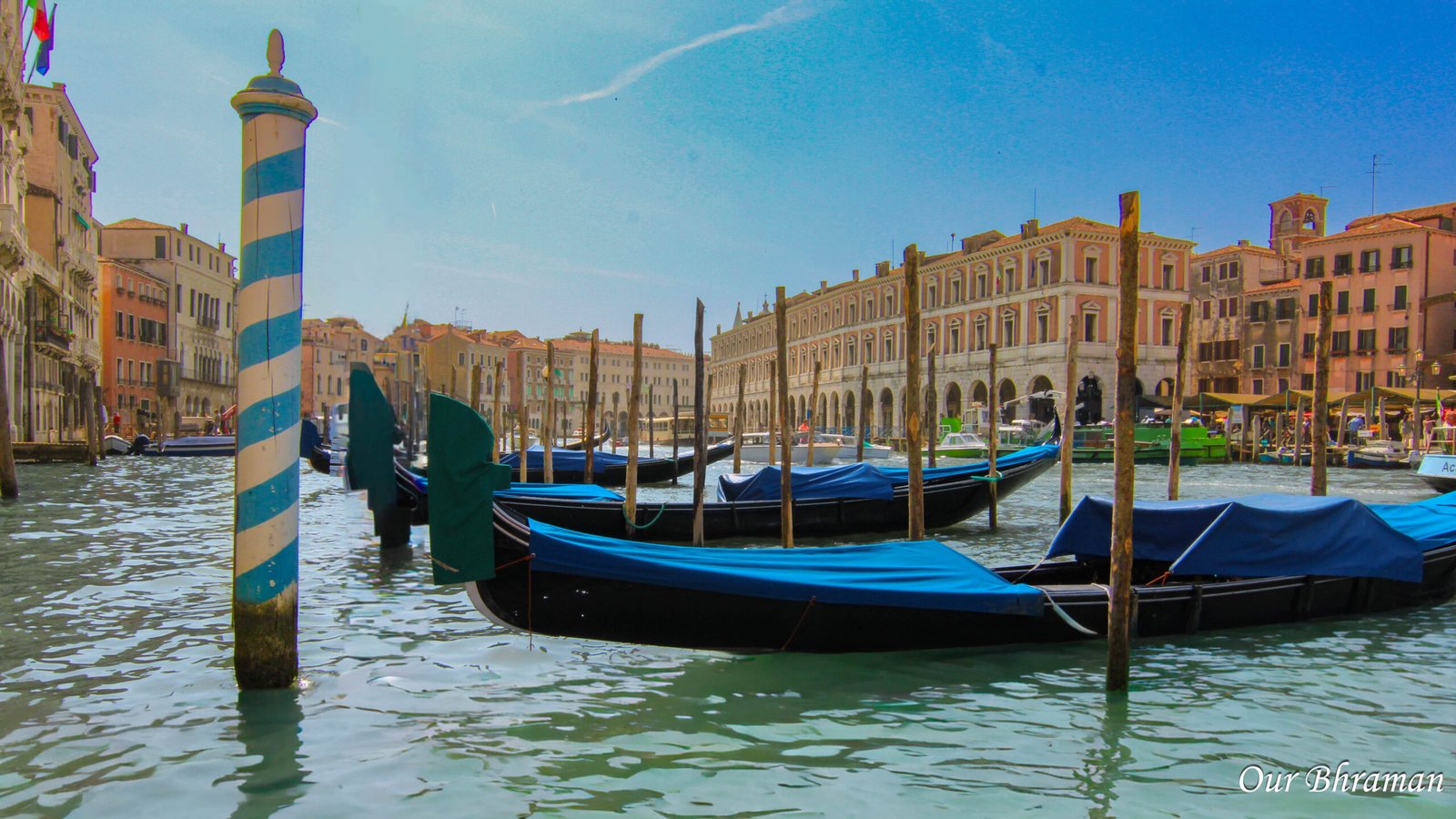
After exploring the Rialto area, we hopped on a vaporetto and cruised down the Grand Canal toward Basilica di Santa Maria della Salute. Seeing Venice from the water offered a completely different perspective, with elegant palaces lining both sides of the canal, colorful façades reflected in the water, and boats navigating the city’s busiest waterway before the magnificent white dome of Santa Maria della Salute came into view.
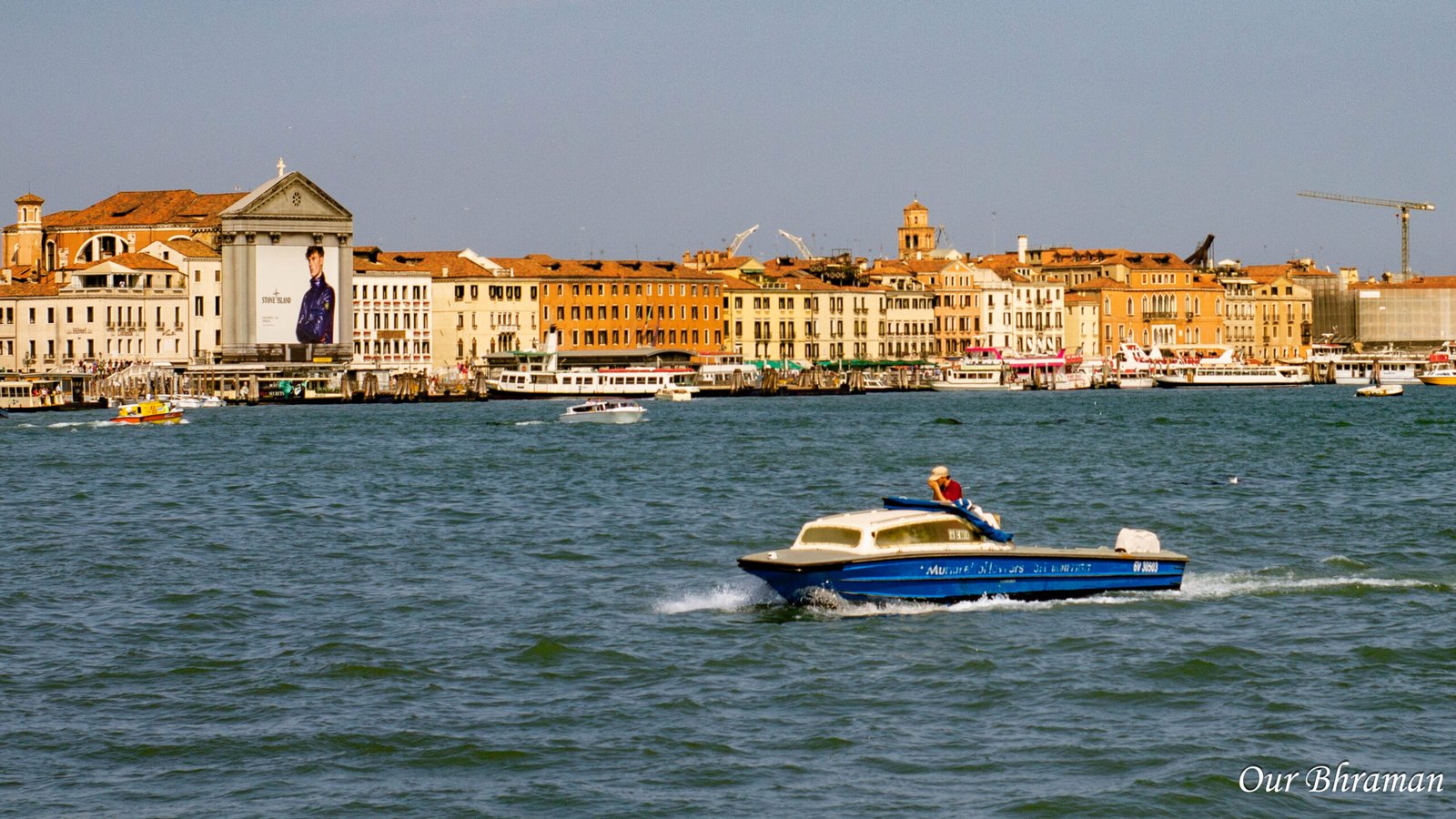 The ride itself felt like a sightseeing tour, offering views that simply can’t be experienced while walking through the narrow streets.Standing proudly at the entrance to the Grand Canal, the basilica is one of Venice’s most recognizable landmarks and looks just as impressive up close as it does from across the water. Stepping inside, the atmosphere changed instantly. The bustling sounds of Venice faded away, replaced by a quiet, peaceful space that invited us to slow down. The soaring dome, elegant marble interior, and beautifully decorated side chapels created a sense of serenity that was a welcome escape from the crowds outside.
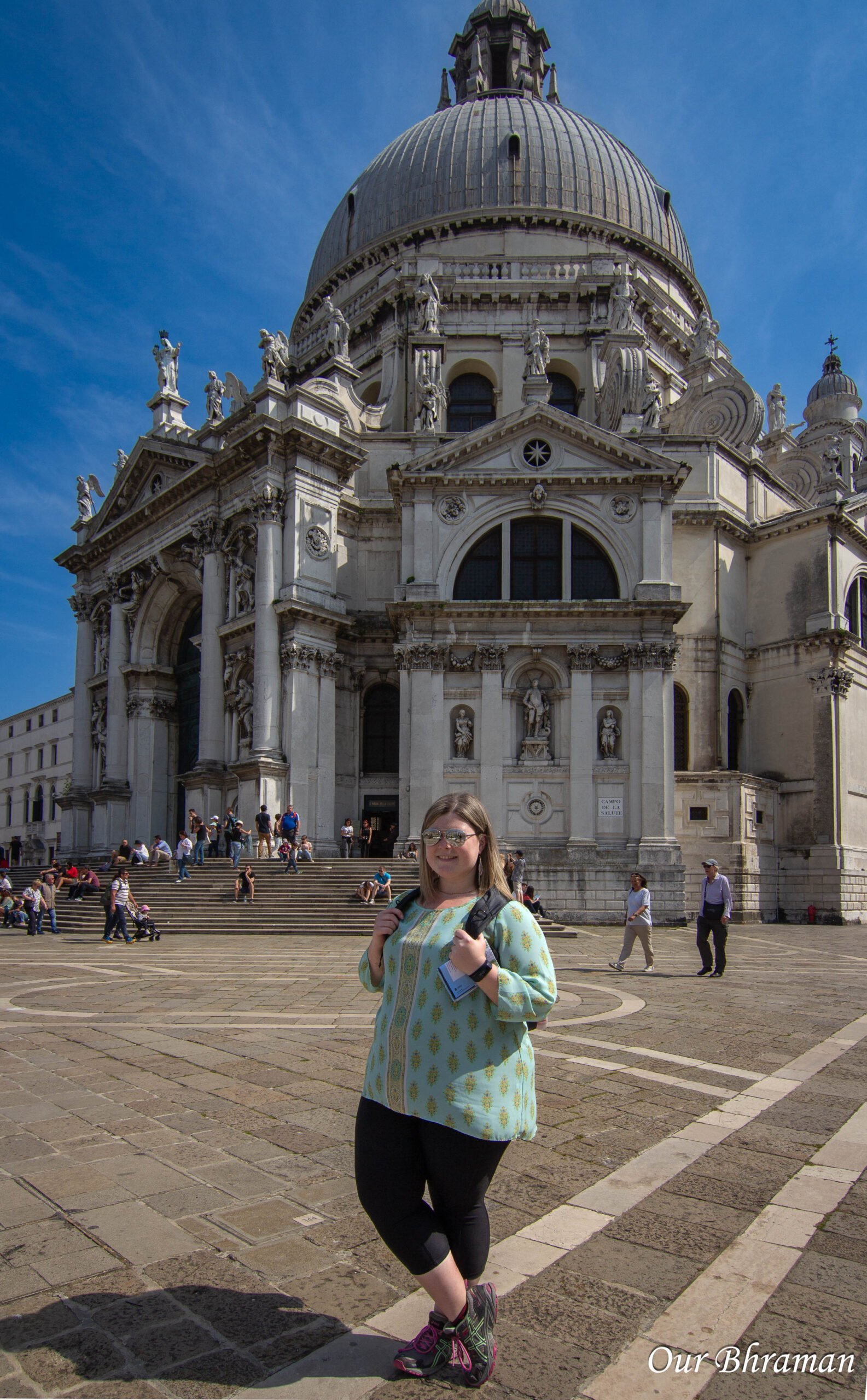
As we explored the church, we admired the artwork and historic details that have inspired visitors for centuries. If you have time, don’t miss the sacristy, home to several remarkable paintings, including Titian’s St. Mark Enthroned with Saints. If you’ve already purchased a ticket to St. Mark’s Basilica, admission to the sacristy is included, making it well worth the visit. We were also fortunate to hear the sound of the church’s organ echoing through the basilica, adding another memorable layer to the experience. It was the perfect place to pause, reflect, and appreciate the rich history and artistry that make Venice so special.
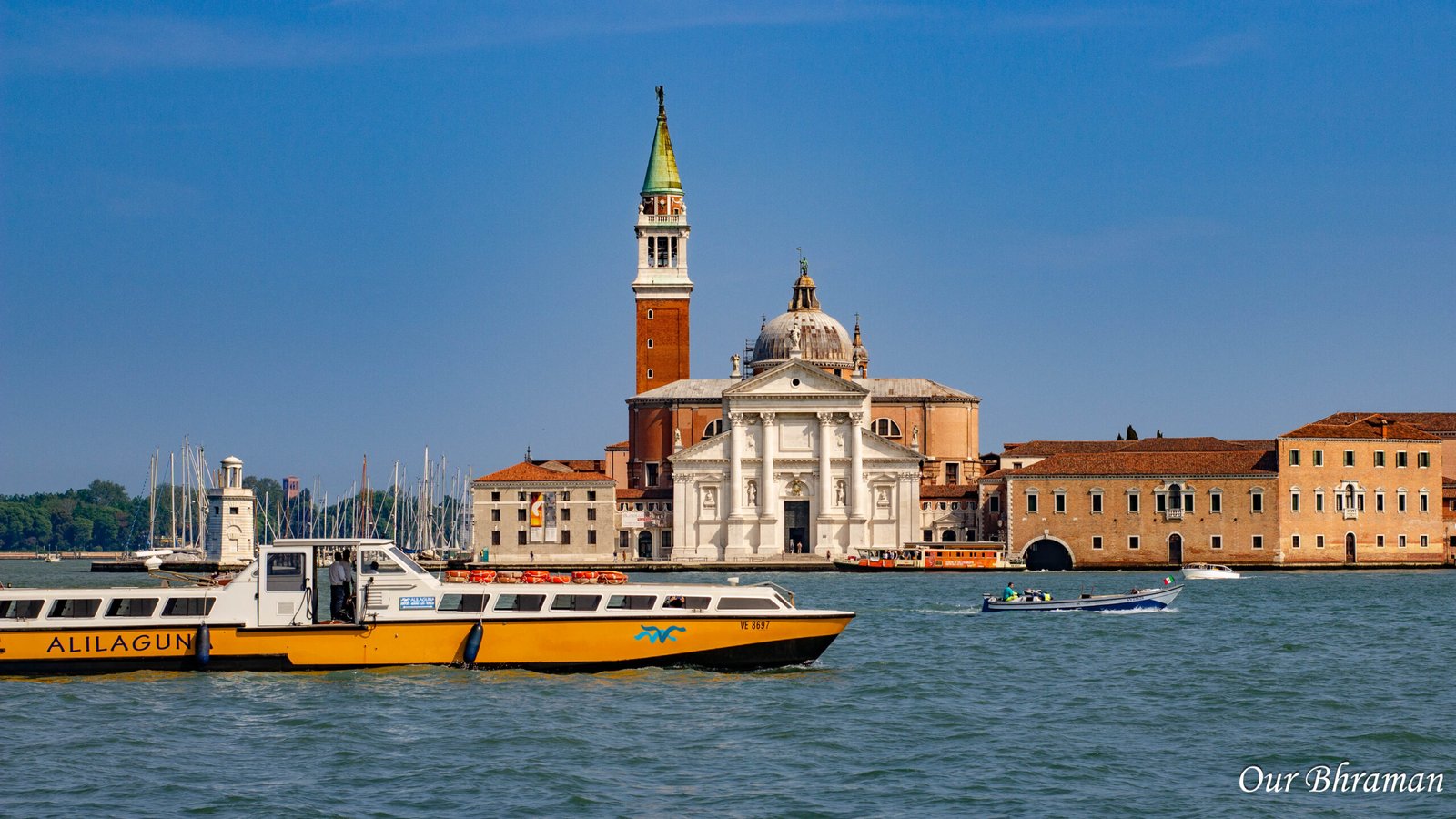 Before leaving, we stepped outside and took one last look across the Grand Canal. From this vantage point, Venice unfolded before us in a way we hadn’t seen before. Historic palaces rose directly from the water, church domes punctuated the skyline, and a steady stream of gondolas, vaporettos, and water taxis brought the canals to life. As travel photographers, we couldn’t resist spending extra time here, capturing one of the city’s most iconic panoramas before continuing our walk toward the magnificent Piazza San Marco.
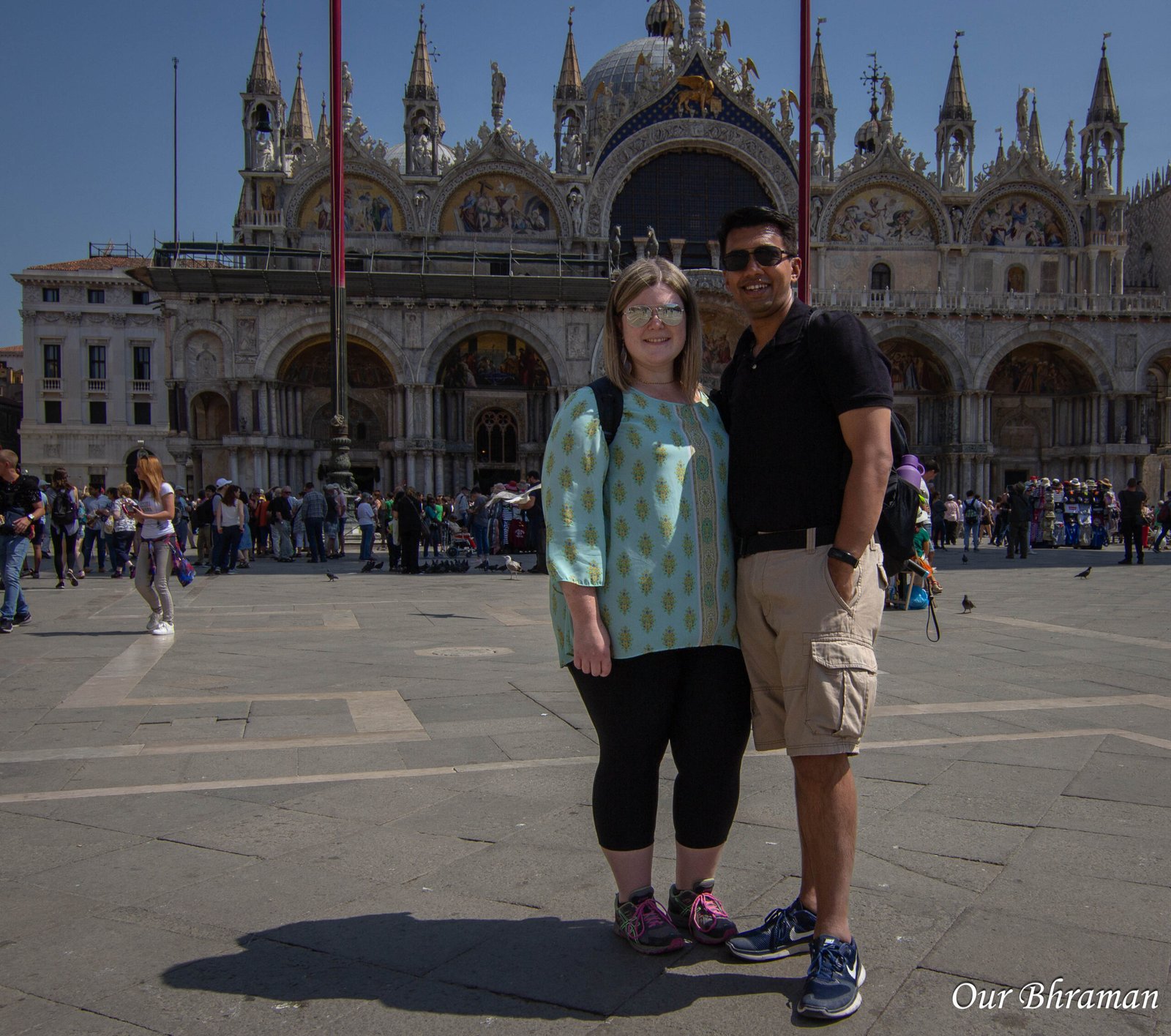 One experience we were disappointed to miss was exploring the inside of St. Mark’s Basilica and climbing the Campanile di San Marco for its famous panoramic views over Venice. By the time we arrived at Piazza San Marco after spending the day exploring the Rialto area and Basilica di Santa Maria della Salute, both attractions had stopped admitting visitors. It was a reminder that Venice has so much to see that it’s easy to lose track of time while wandering its canals and historic streets.
If these landmarks are on your must-see list, make them one of your first stops of the day. During the busy season, long lines, visitor capacity limits, and early last-entry times can all prevent you from getting inside, even if you’re already in the square. Booking tickets in advance and arriving early not only gives you the best chance of visiting the basilica and climbing the Campanile but also lets you experience Piazza San Marco before the crowds arrive. Although we missed the opportunity this time, admiring the basilica’s breathtaking façade from the square only gave us another reason to return to Venice one day.
After a full day of exploring, we began the walk back to our hotel to check in and finally get settled in Venice. What looked like a simple walk on the map quickly turned into another adventure. We soon realized that getting lost in Venice isn’t just possible—it’s almost inevitable. The city’s maze of narrow alleyways, hidden passageways, and countless bridges has a way of sending you in circles, and more than once we found ourselves wondering if we had taken the wrong turn.
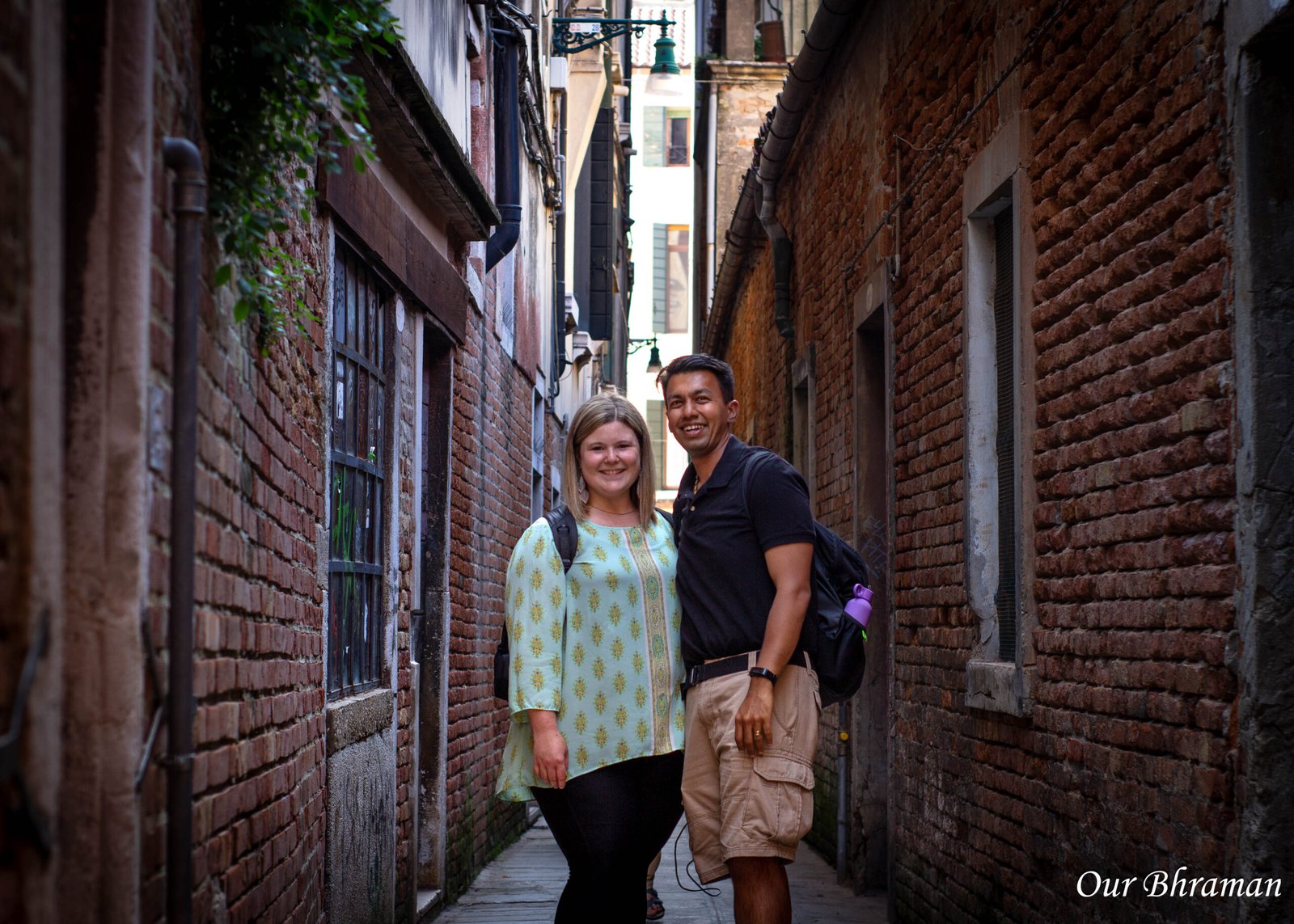 Surprisingly, getting lost became one of our favorite parts of the day. Every winding alley seemed to reveal something unexpected—a quiet courtyard tucked between centuries-old buildings, a charming bridge crossing a narrow canal, a small artisan shop, or a family-run trattoria with the irresistible aroma of fresh pasta drifting into the street. Around every corner was another postcard-worthy view waiting to be discovered. It felt less like trying to find our hotel and more like a treasure hunt through one of the world’s most unique cities.
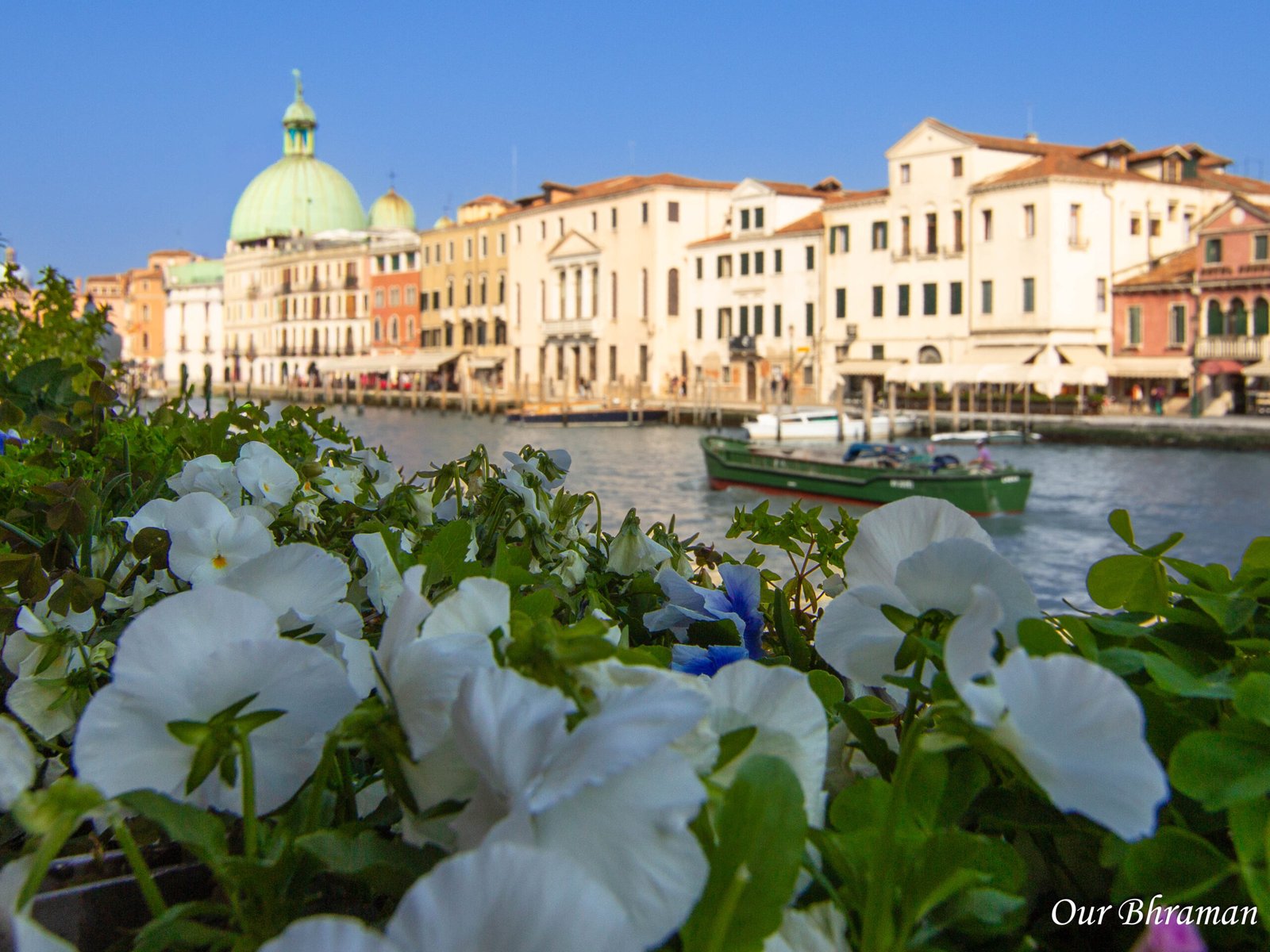
As we wandered, it became clear that Venice isn’t a place meant to be rushed. Some of our favorite memories weren’t from the famous landmarks but from the quiet moments in its hidden corners, where everyday Venetian life unfolded away from the crowds. The narrow alleys seemed to whisper stories of centuries past, making us wonder how many people had walked these same stone pathways before us. Our advice? Don’t worry if you lose your way. Put the map away for a while, embrace the unexpected, and let curiosity guide you. In Venice, getting lost often leads to the most memorable discoveries.
After a full day of exploring, we returned to Hotel Fontana to check in, unpack, and recharge for the evening. Since our hotel was located on the quieter side of Venice, it gave us the perfect opportunity to relax while waiting for the daytime crowds to thin out. Rather than calling it a day, we were excited to experience a completely different side of Venice—the city after sunset.
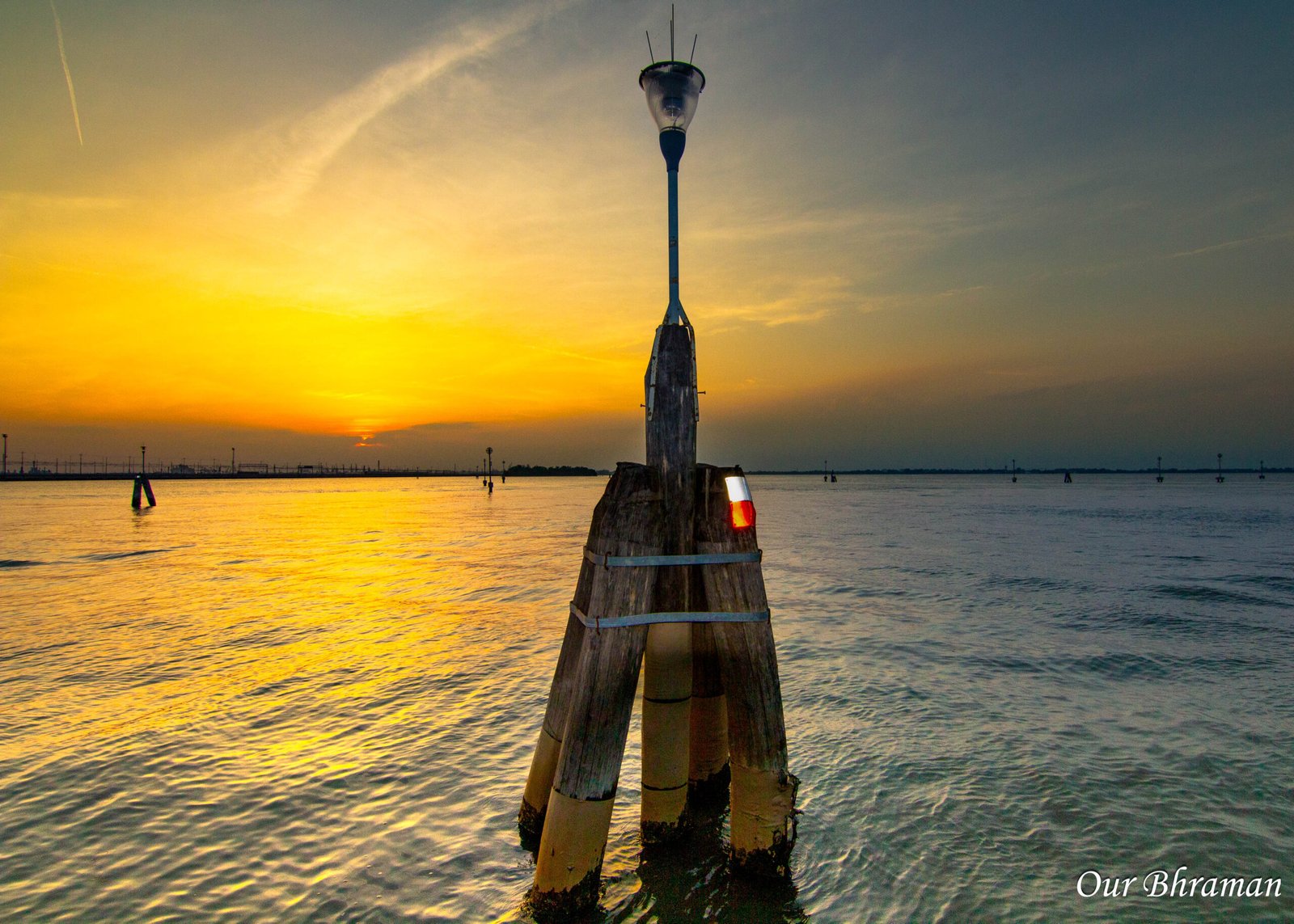 As the sun slowly dipped toward the horizon, we made our way back through the canals and bridges, watching the golden light reflect off the water and centuries-old buildings. The atmosphere began to change almost instantly. The crowds that had filled the streets during the day gradually disappeared, replaced by a slower, more peaceful rhythm.
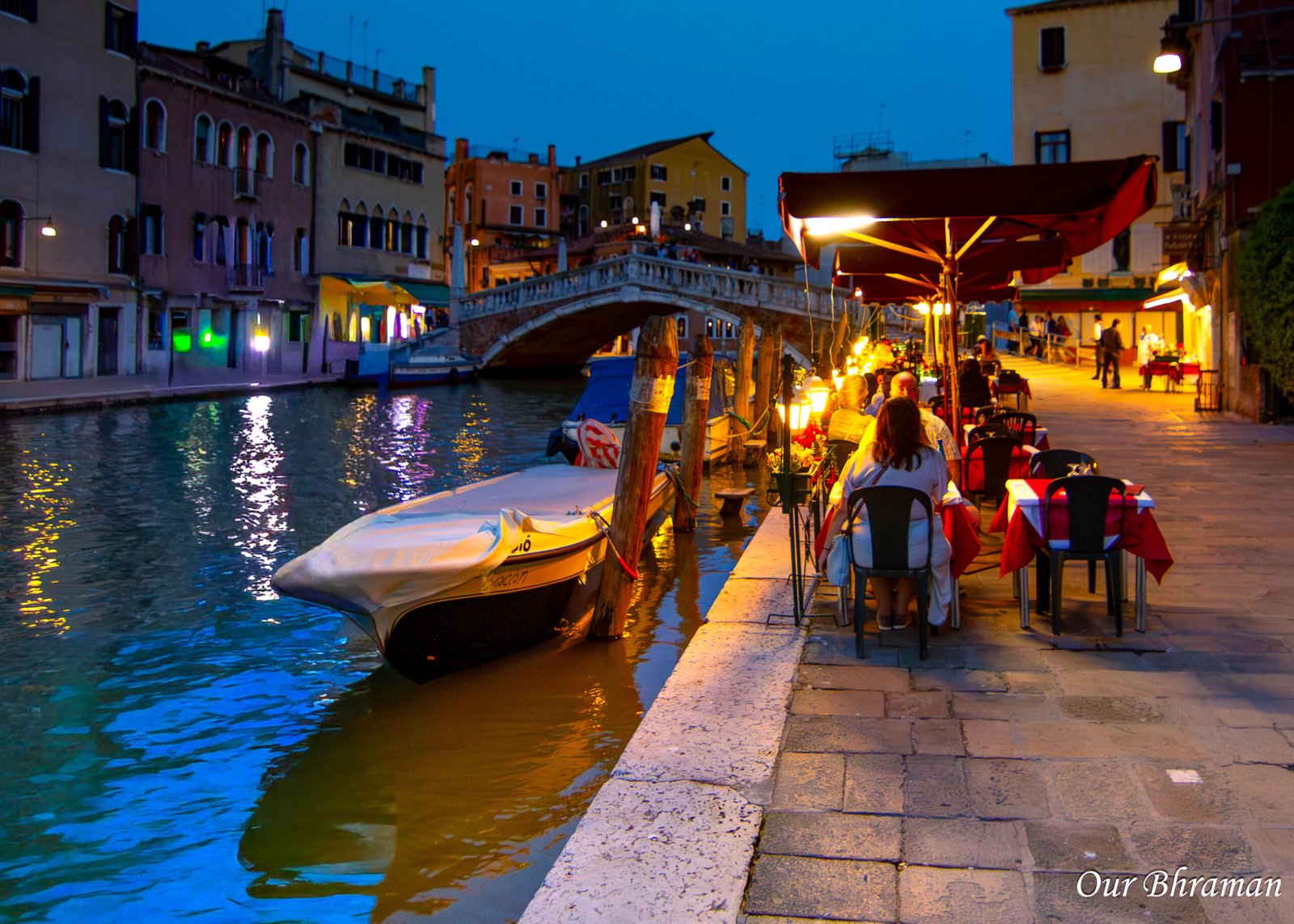
As the evening settled over Venice, the city began to transform. The busy crowds that had filled the streets throughout the day gradually faded, making way for a more relaxed and intimate atmosphere. Restaurants came alive as tables spilled into quiet piazzas, where locals and visitors lingered over plates of fresh pasta, seafood, and glasses of wine. The sounds of cheerful conversations, soft laughter, and clinking glasses drifted through the narrow alleyways, replacing the hustle and bustle of the day. Along the canals, the water became almost perfectly still, reflecting the warm glow of street lamps, illuminated bridges, and centuries-old buildings like a giant mirror.
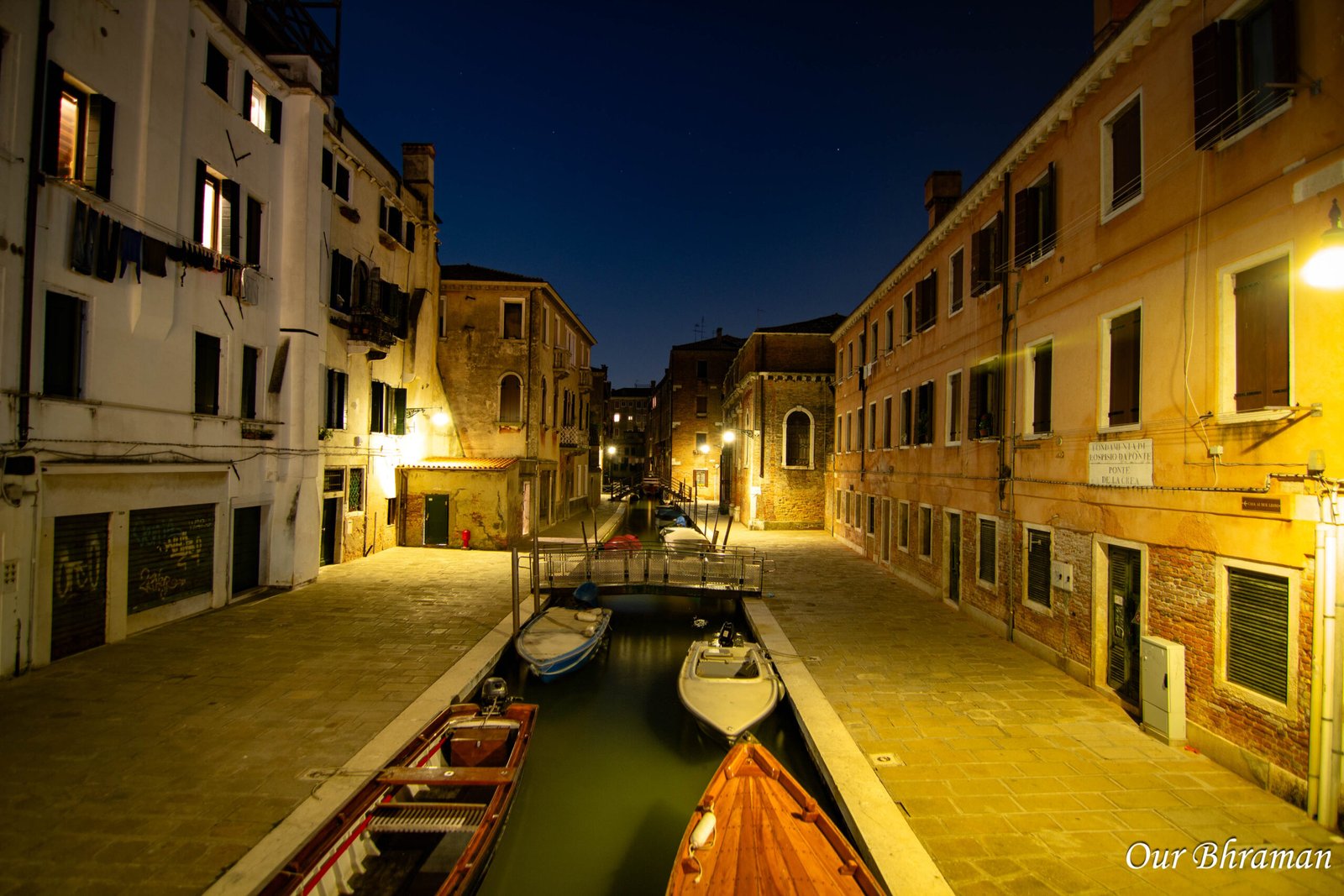 With no particular rush, we wandered toward Piazza San Marco, crossing one charming stone bridge after another as the city revealed a different kind of beauty under the evening sky.
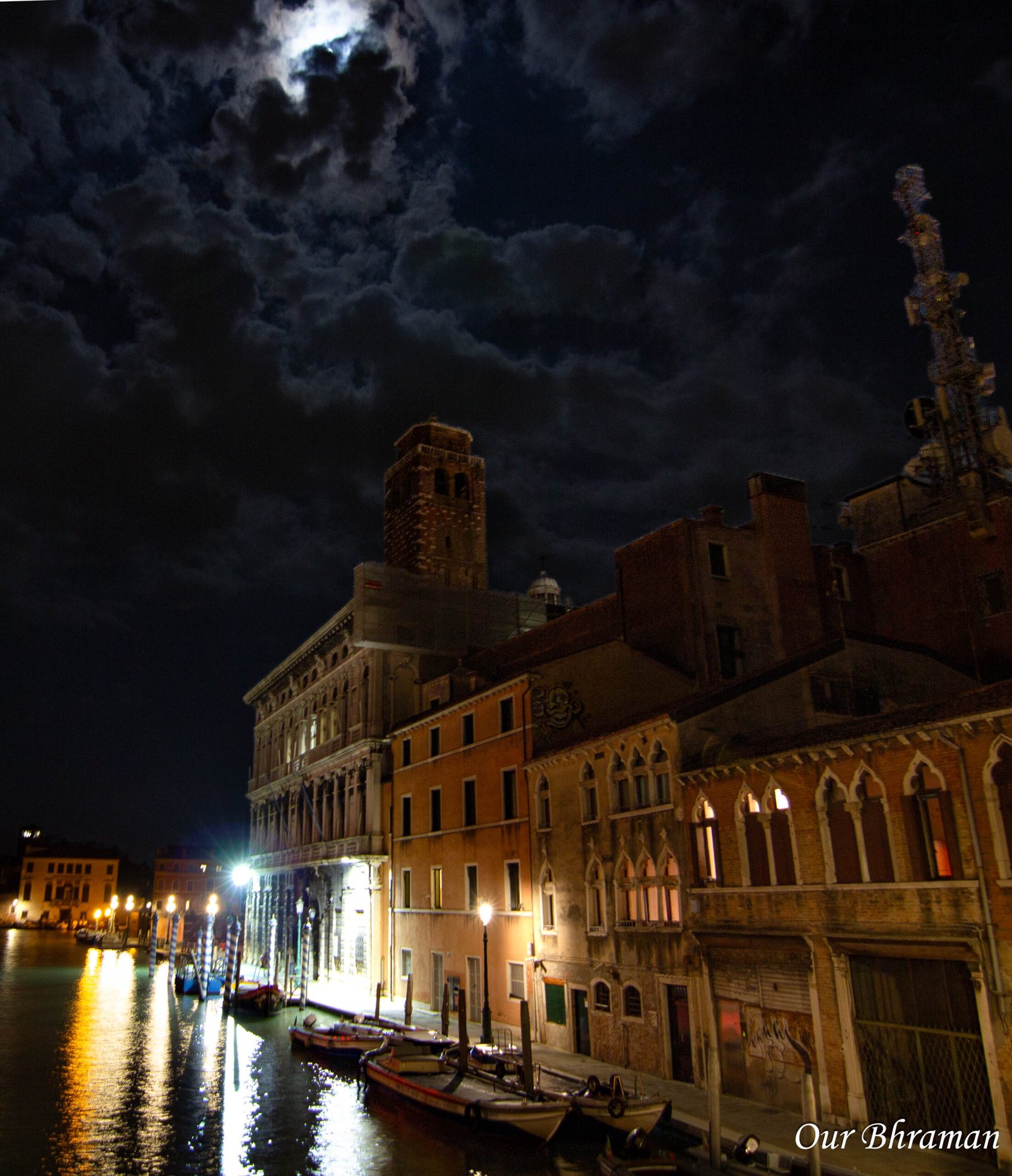 Every bridge offered a new perspective—a quiet canal lined with colorful façades, gondolas gently swaying at their moorings, flower-filled balconies overlooking the water, and hidden passageways inviting us to see what lay around the next corner. Away from the busiest streets, Venice felt wonderfully peaceful, and each turn rewarded us with another postcard-worthy view. It was the kind of walk where the journey became just as memorable as the destination, reminding us that some of Venice’s greatest treasures aren’t marked on a map but discovered simply by wandering.
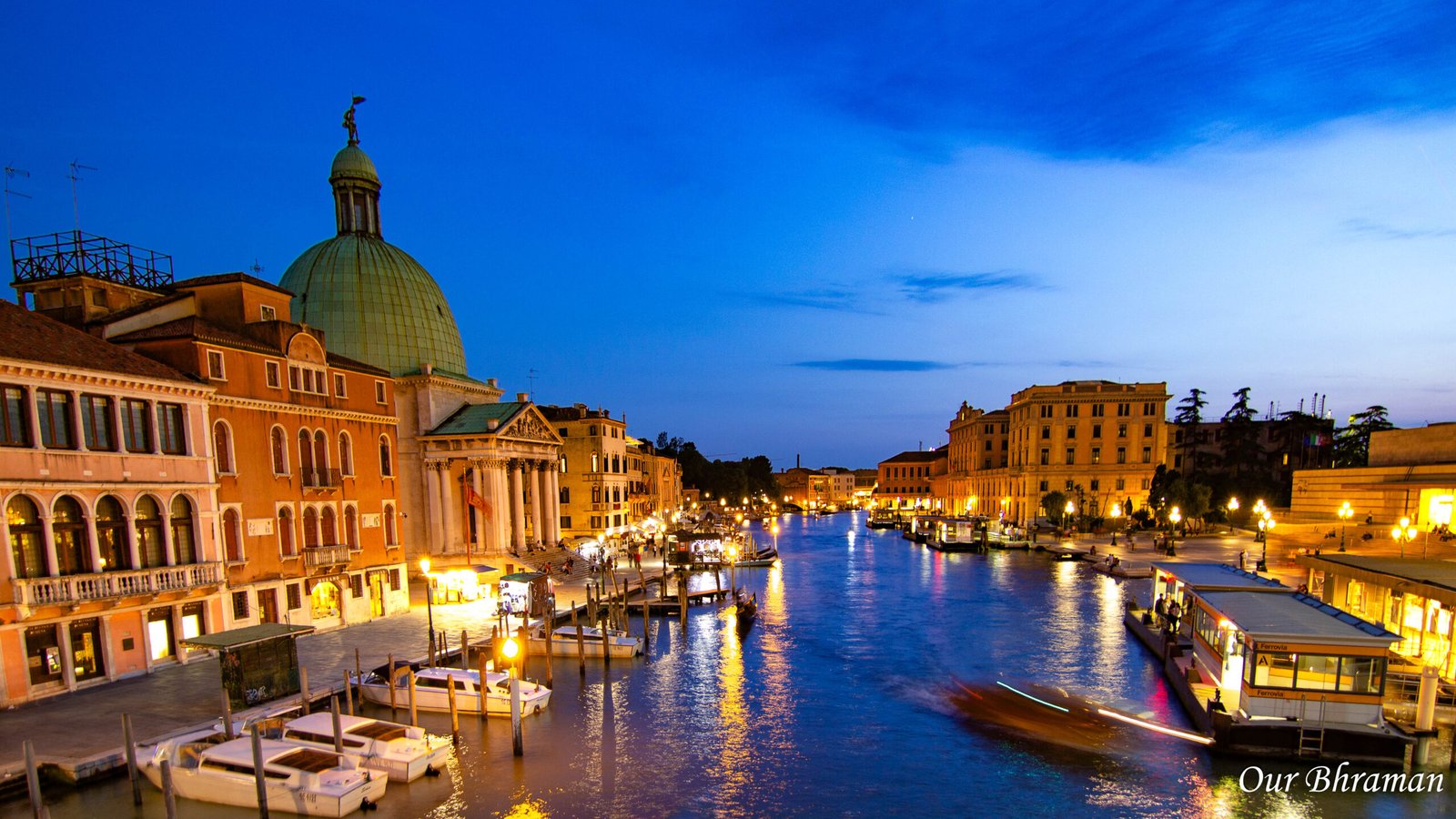
Our destination was Piazza San Marco, which looked even more spectacular under the evening lights. The illuminated façade of St. Mark’s Basilica and the towering Campanile dominated the square, creating a breathtaking backdrop for the lively atmosphere below. Historic cafés were filled with people enjoying late dinners and evening drinks, while live orchestras performed timeless Italian classics that echoed across the piazza. Couples strolled hand in hand, photographers searched for the perfect angle, and visitors paused to admire the city’s magnificent architecture bathed in warm golden light. The square felt just as vibrant as it had during the day, but with a more elegant and relaxed energy that made us want to linger a little longer.
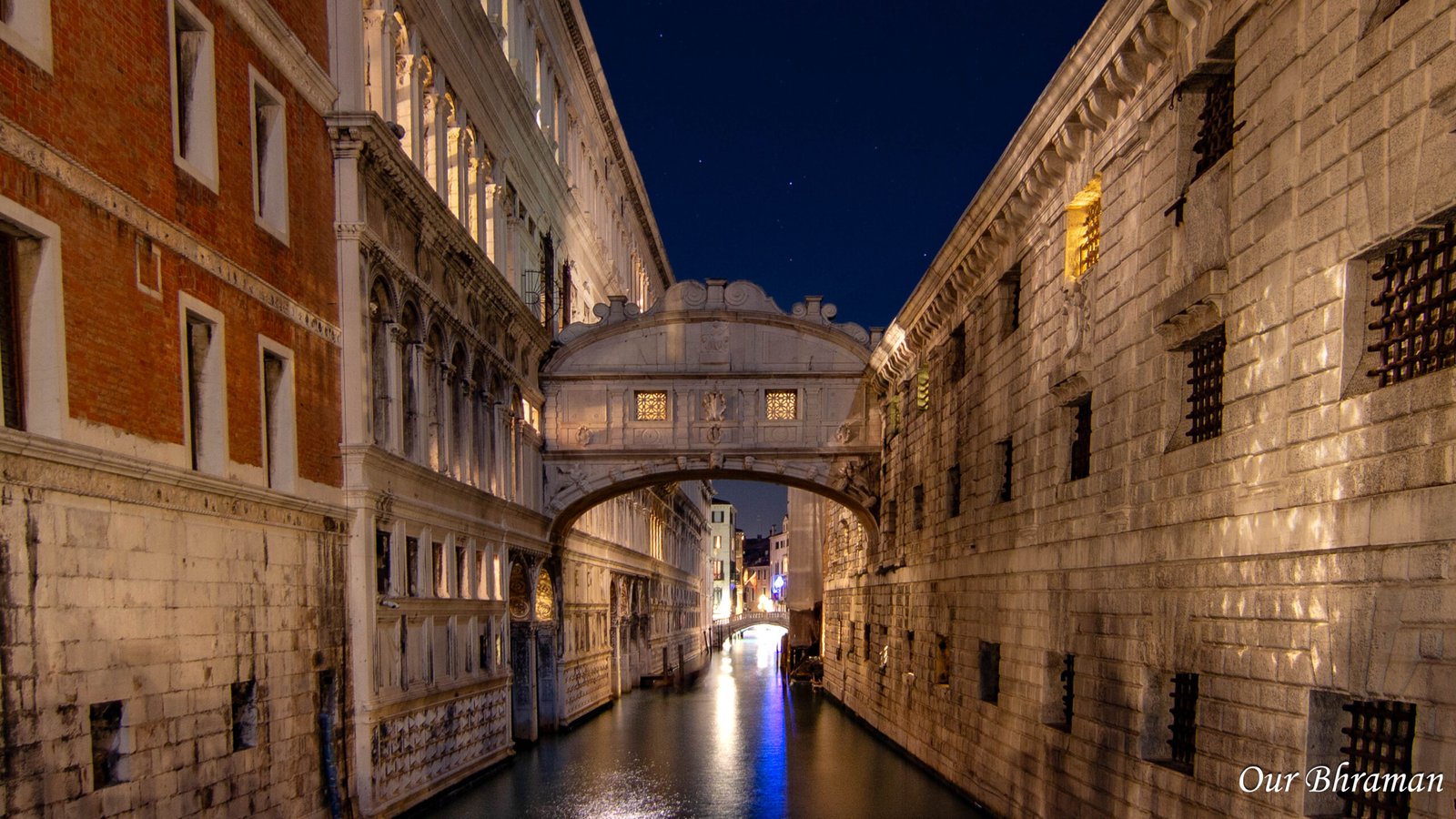 Leaving the piazza behind, we wandered through Venice’s softly illuminated streets toward one of the city’s most famous landmarks—the Bridge of Sighs. Built in the early 17th century, the enclosed white limestone bridge connects the Doge’s Palace to the historic prison. According to legend, prisoners crossing the bridge would steal one final glimpse of Venice through its small stone windows before beginning their imprisonment. Whether the legend is entirely true or not, standing beneath the bridge at night, imagining the stories it has witnessed over the centuries, gave the place a quiet sense of mystery that no photograph could fully capture.
The canals around the bridge were remarkably calm, reflecting the warm glow of lanterns and the surrounding historic buildings. Every so often, a boat drifted silently beneath the bridge, sending gentle ripples across the water before the reflections settled once again. Looking up at the illuminated bridge against the night sky was one of those moments that reminded us why Venice is considered one of the world’s most romantic cities.
Rather than walking all the way back to our hotel, we decided to end the evening with one final vaporetto ride across the city. Seeing Venice from the water after dark offered an entirely different perspective than it had during the day. The illuminated palaces, glowing churches, and beautifully lit bridges reflected across the Grand Canal, while the cool evening breeze and gentle movement of the boat made for the perfect ending to an unforgettable day. As we watched Venice slowly fade into the distance, we realized that some of our favorite memories weren’t made while rushing from one attraction to another, but during the quiet moments in between.