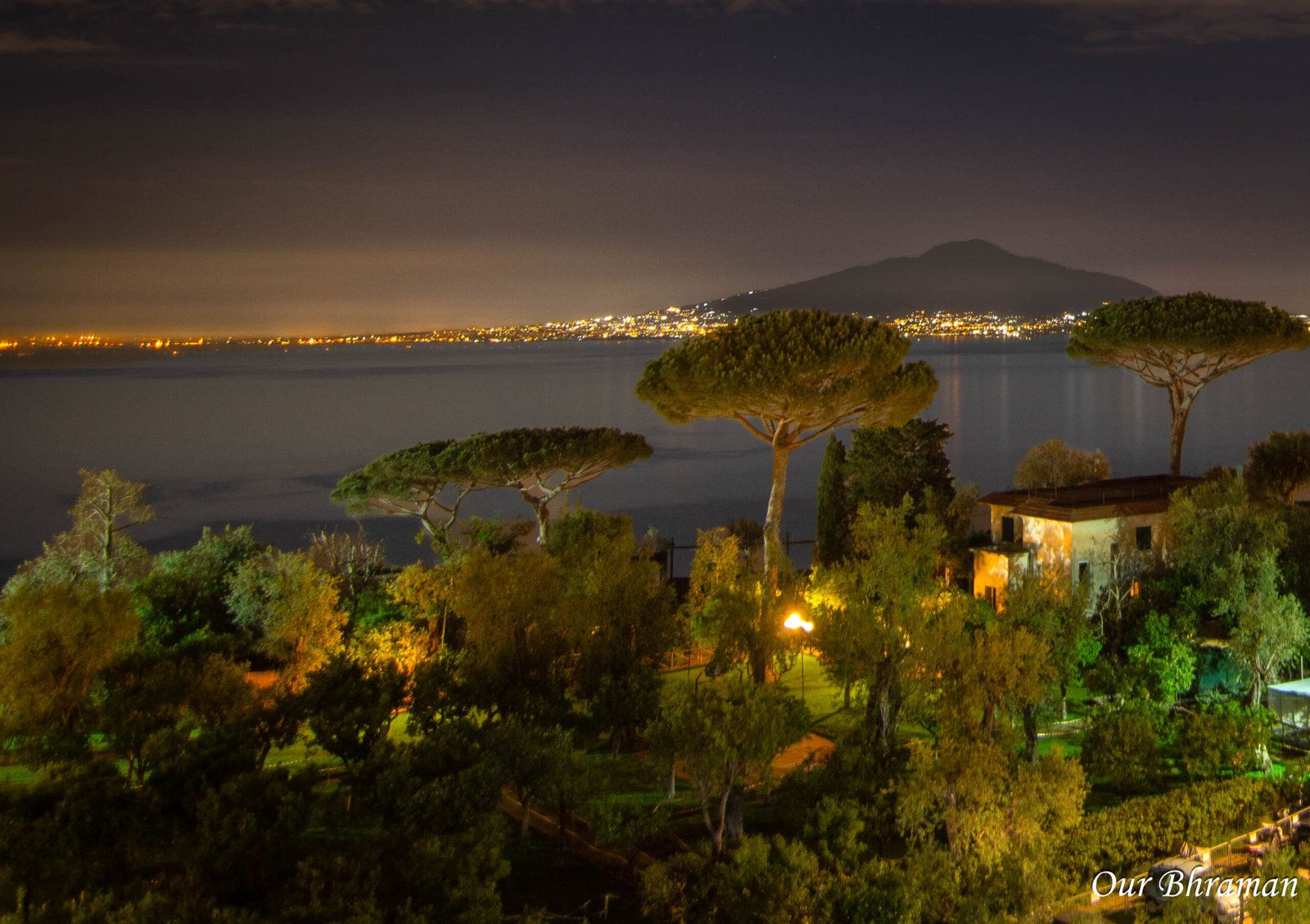
Our first major stop was Positano, arguably the most photographed town along the Amalfi Coast. Dramatically carved into the cliffs, its pastel-colored houses seem to tumble down the mountainside toward the sparkling Mediterranean, creating one of Italy’s most iconic and recognizable landscapes.
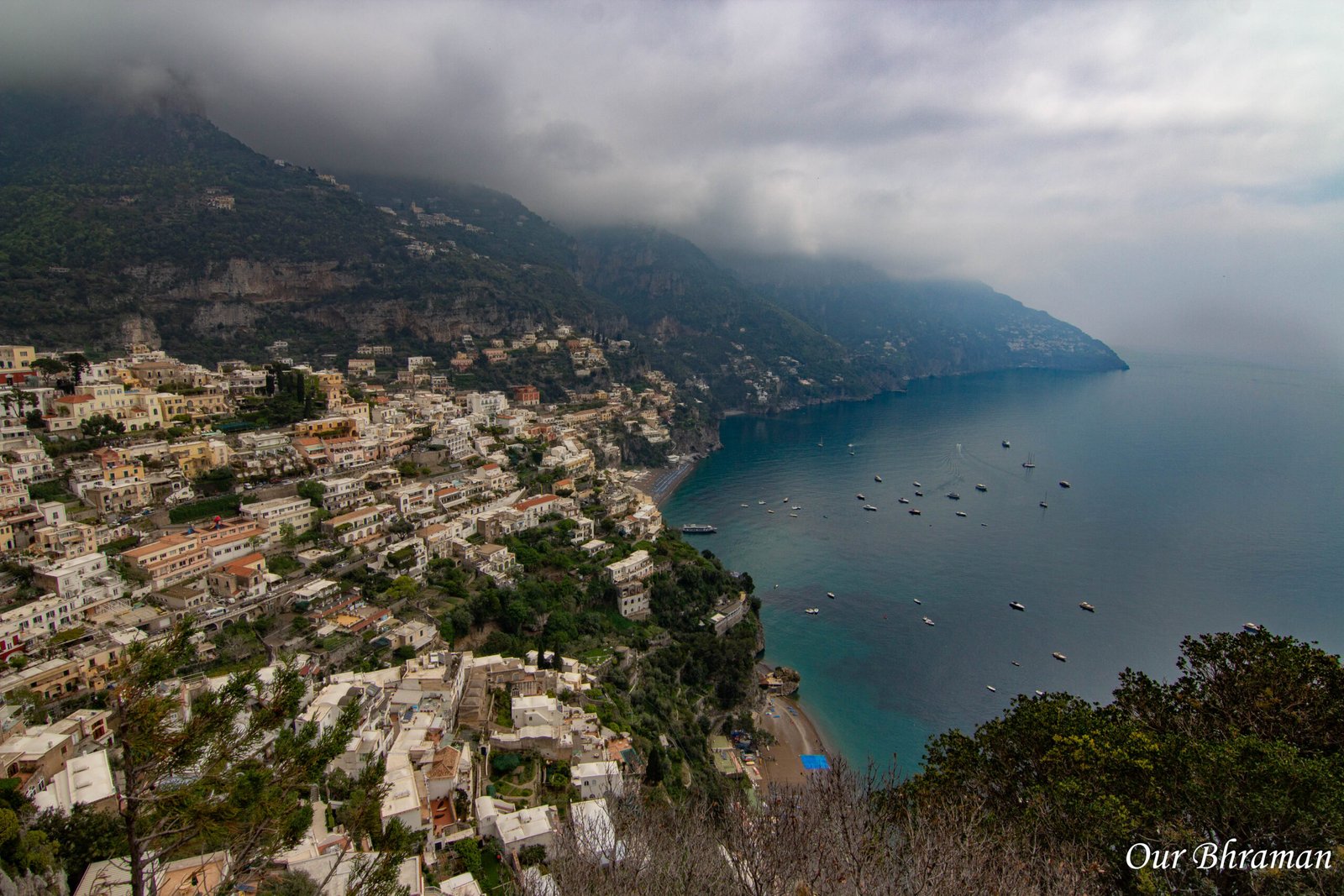
The sightseeing buses stop high above the town, so reaching the waterfront requires a scenic 15–20 minute walk downhill. The route winds through steep streets and stairways lined with charming cafés, art galleries, boutique hotels, and family-owned shops. Rather than feeling like a simple walk, the journey becomes part of the Positano experience, with breathtaking viewpoints appearing around nearly every corner. Just remember that every step downhill must eventually be climbed on the return, so comfortable shoes and a little extra time are well worth planning for.
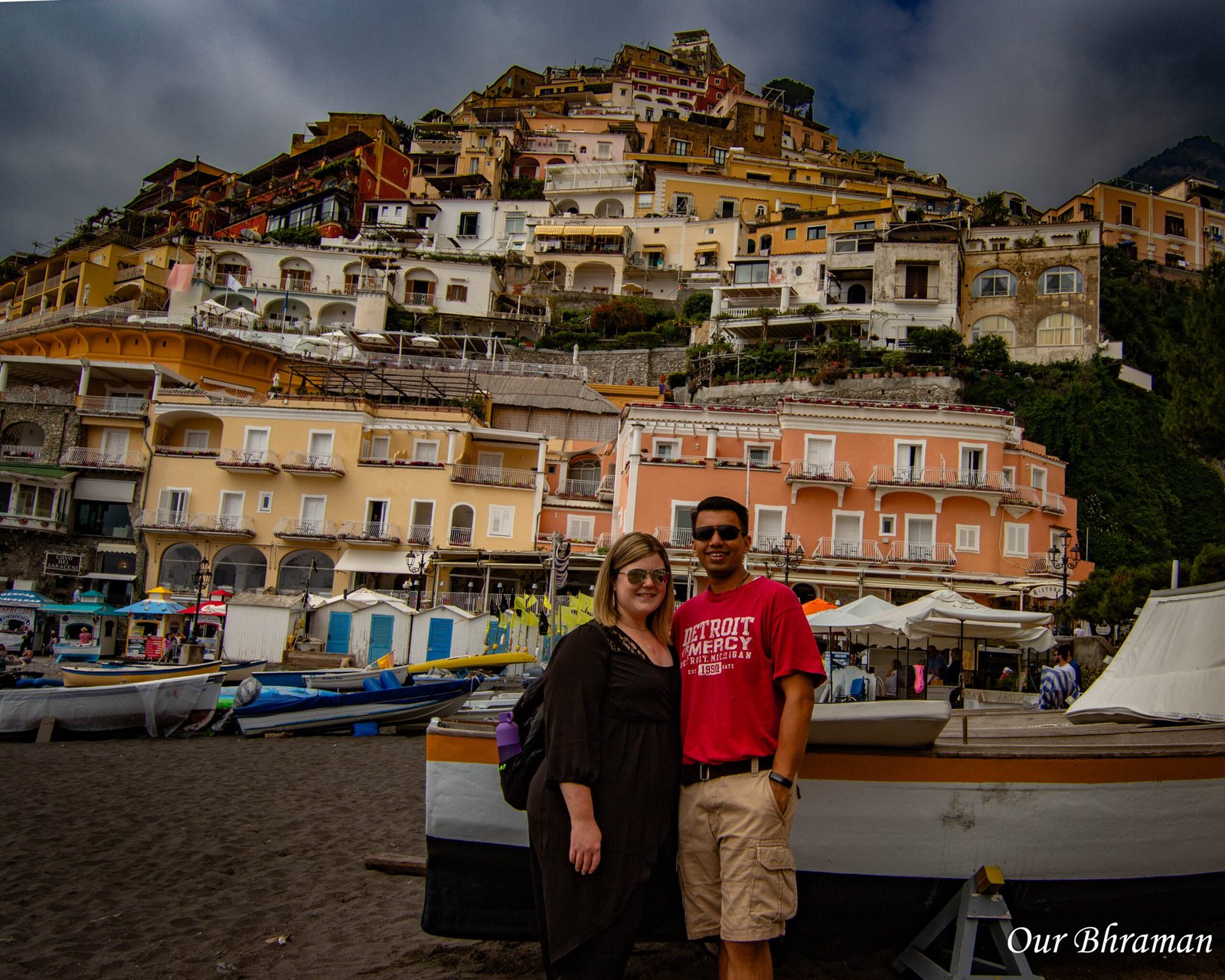
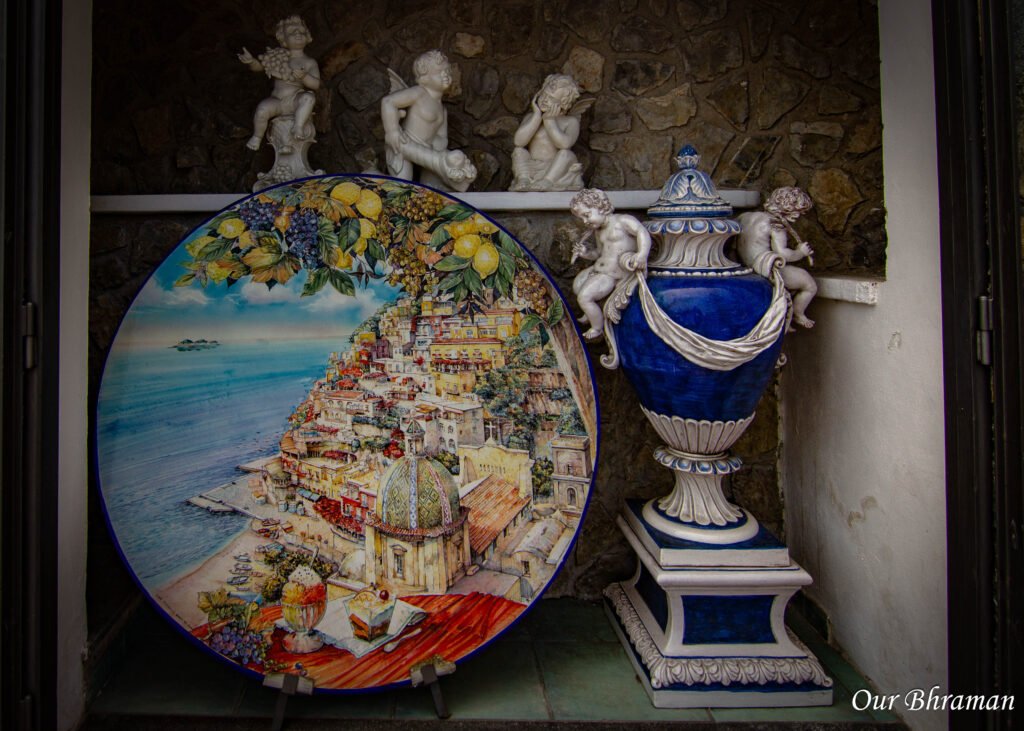
As we made our way through the narrow streets, Positano revealed its unmistakable charm. Boutique stores displayed handmade leather sandals, flowing linen clothing, colorful ceramics, and lemon-themed souvenirs that perfectly captured the spirit of the Amalfi Coast.
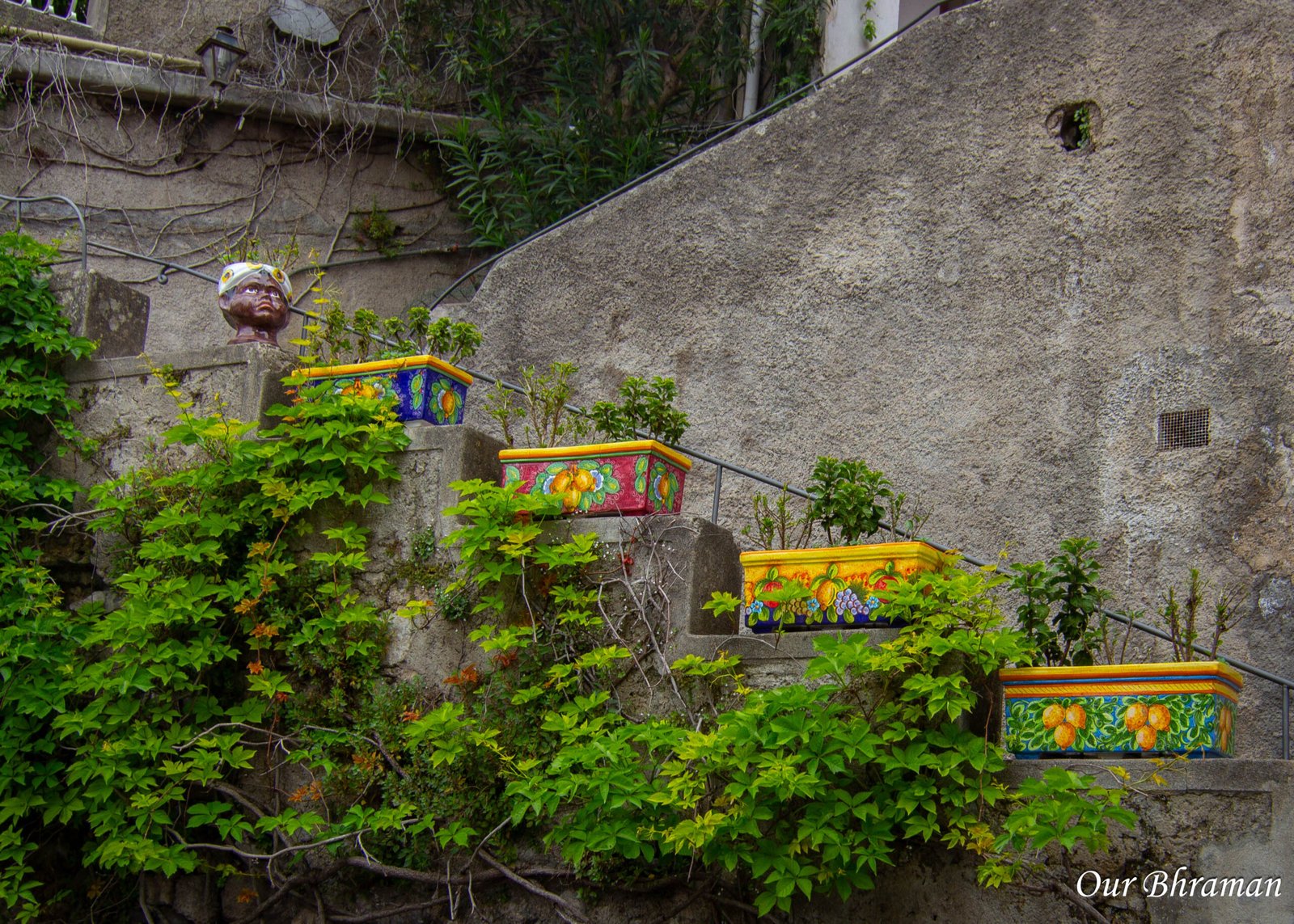
Bougainvillea cascaded from balconies, the fragrance of fresh lemons drifted through the air, and every twisting alley seemed to open onto another postcard-worthy panorama. It was impossible not to pause every few minutes to admire the scenery and snap another photo.
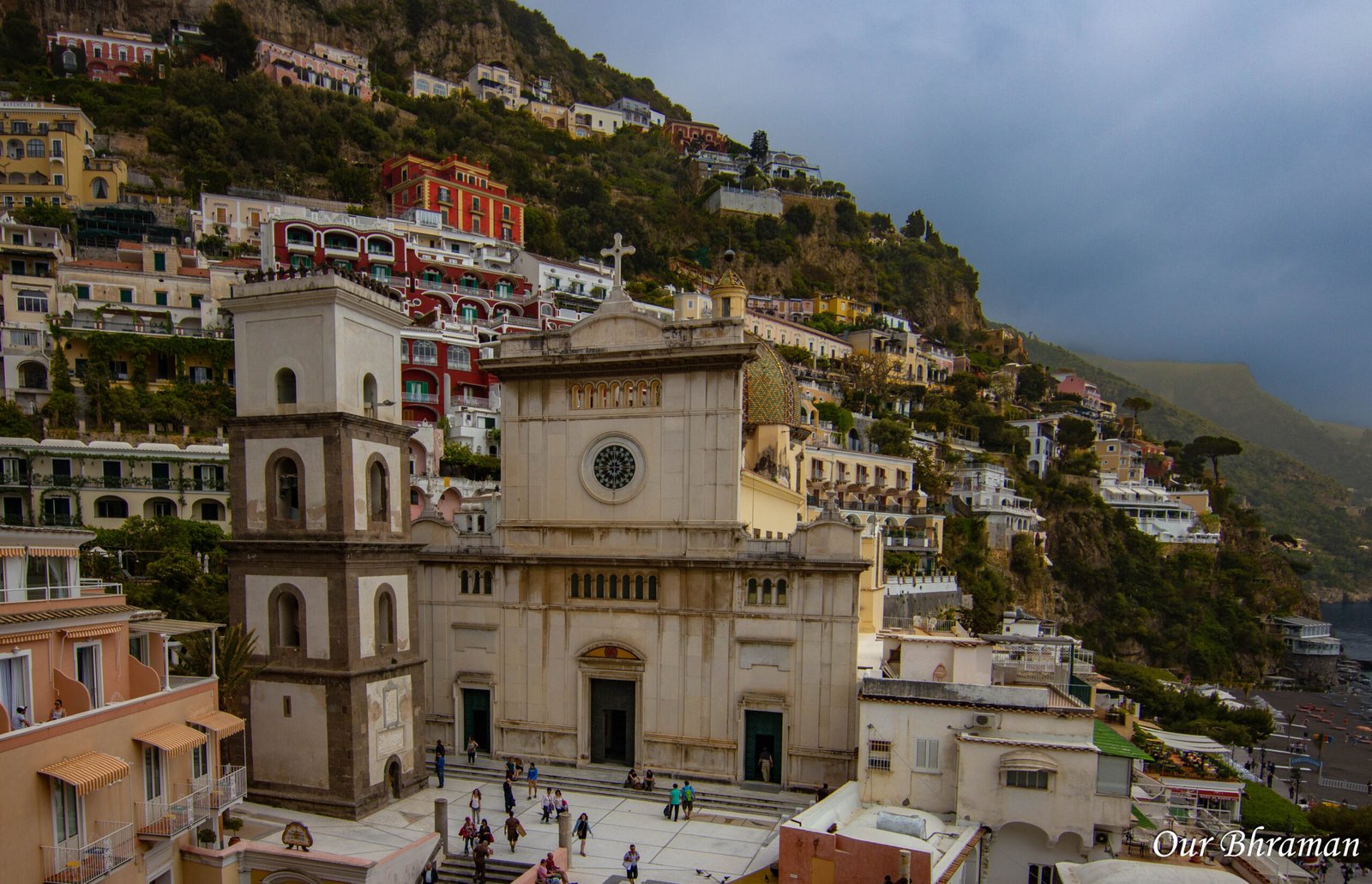
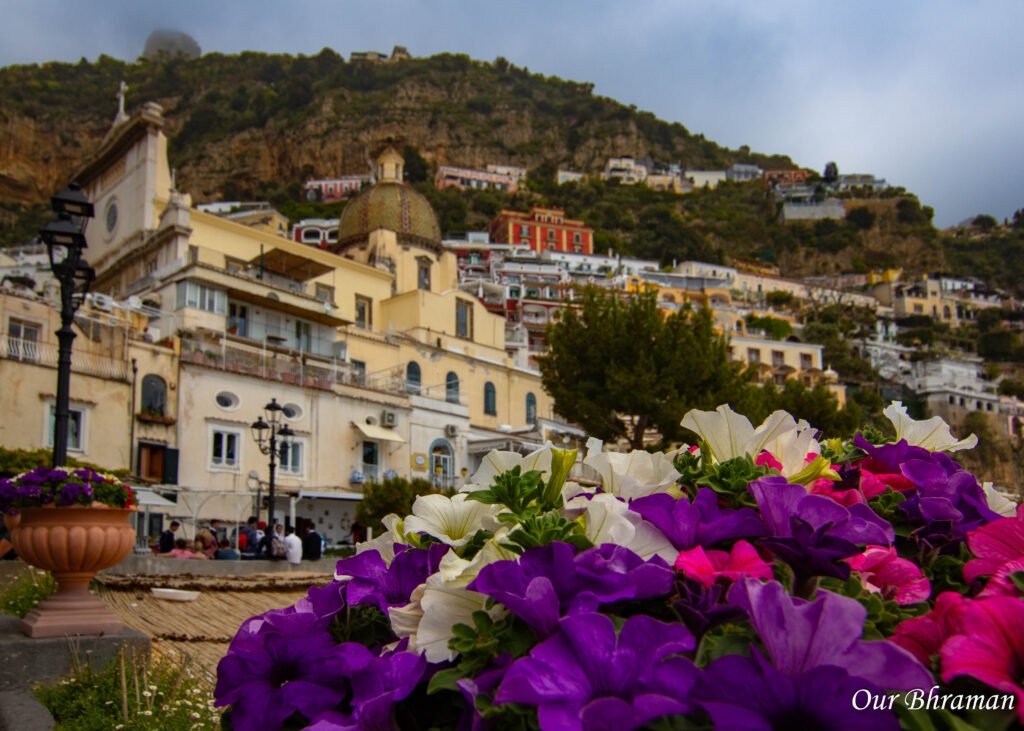
One landmark immediately stood out above the colorful hillside—the Church of Santa Maria Assunta. Its magnificent dome, covered in vibrant green, yellow, and blue majolica tiles, rises above the surrounding buildings and serves as Positano’s defining landmark. This photograph captures the church and its distinctive bell tower nestled among the town’s pastel-colored homes, with the dramatic cliffs of the Amalfi Coast providing a stunning backdrop. Beyond its beauty, the church is renowned for housing a revered Byzantine icon of the Virgin Mary and an underground medieval crypt, making it both a spiritual and historical centerpiece of the town. Standing before it, we could easily understand why it attracts thousands of visitors every year.
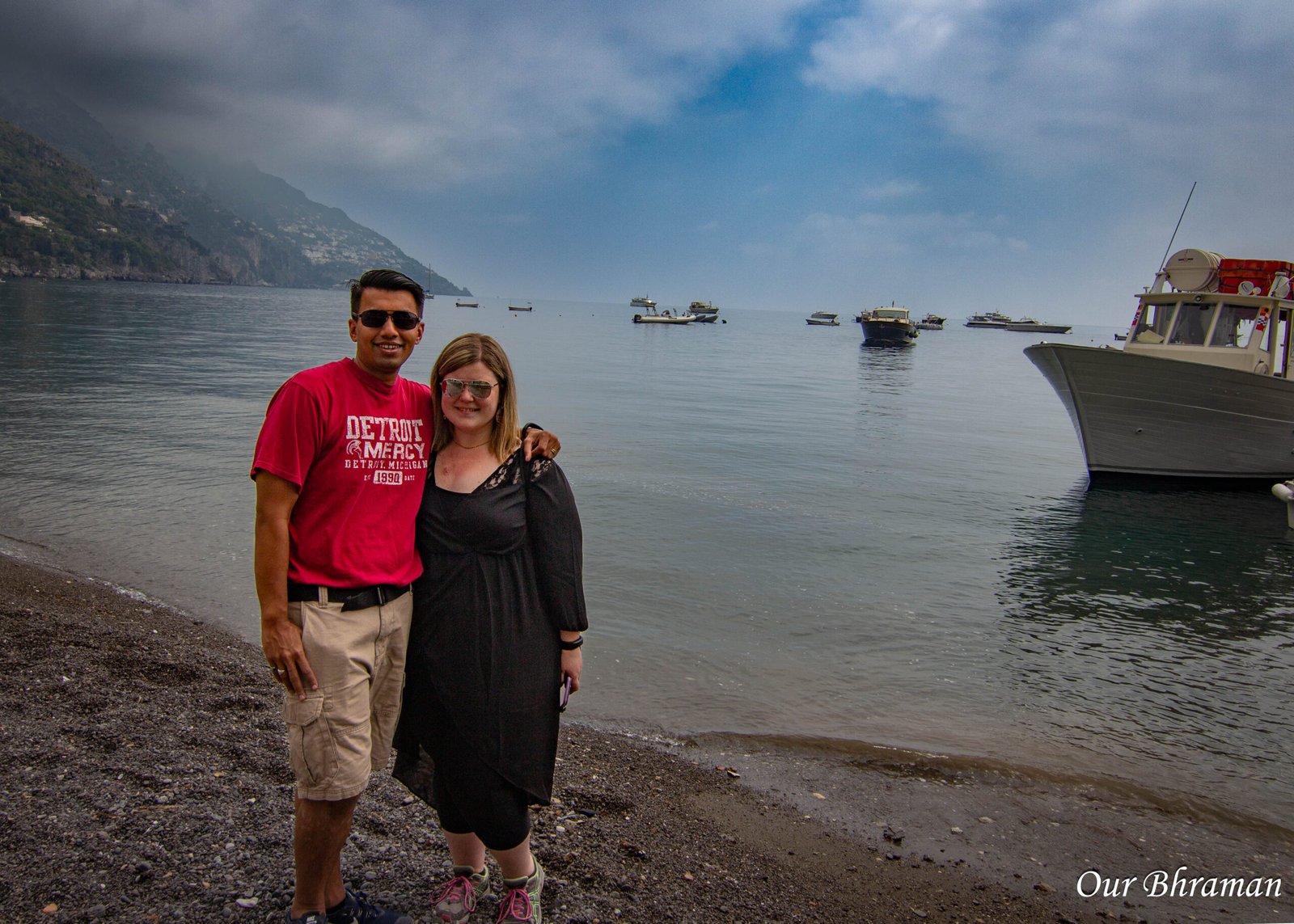
After nearly two hours exploring Positano, it was time to make our way back to the bus. The return journey was quite different from the leisurely walk down to the beach. We now had to tackle the steep uphill climb, following the same winding streets and stairways back to the bus parking area high above the town.
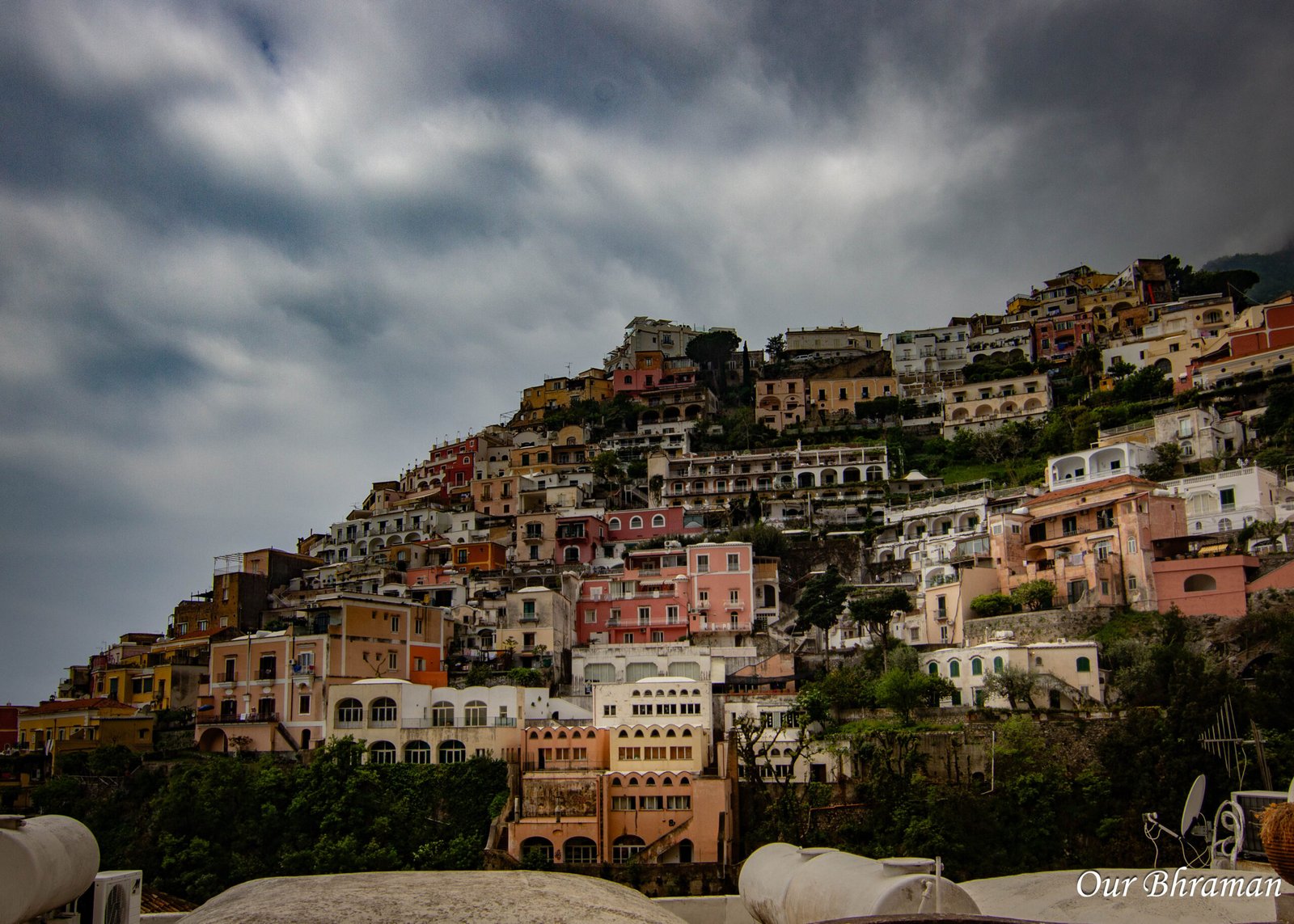
It was definitely a bit of a workout—but the spectacular views overlooking the colorful hillside and sparkling coastline made every pause worthwhile. Before long, we were back aboard the bus, ready to continue our journey along one of the world’s most scenic coastal roads to our next destination, the historic town of Amalfi.
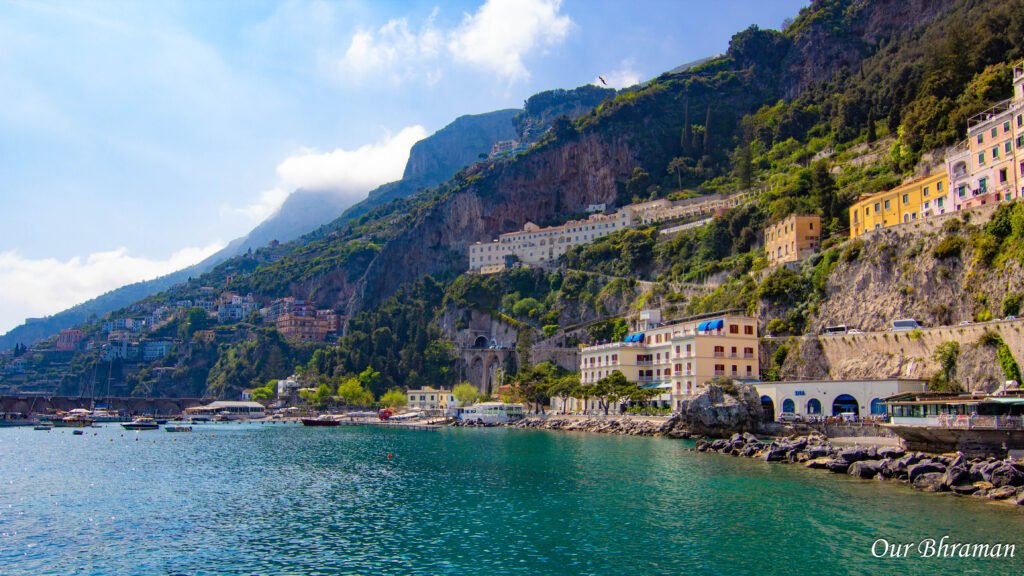
Like Positano and Ravello, Amalfi is one of the picturesque towns that make up the world-famous Amalfi Coast. While each town has its own distinct character, Amalfi has long been regarded as the region’s historic and cultural heart. Nestled between towering limestone cliffs and the sparkling Mediterranean Sea, its lively piazzas, winding alleyways, colorful waterfront, and centuries of maritime history make it one of the coast’s most fascinating destinations.
By the time we arrived, the clouds had disappeared and the sun was shining brightly, transforming the town completely. The warm Mediterranean light brought the pastel-colored buildings to life, illuminated the dramatic cliffs, and made the sea shimmer in brilliant shades of blue. It was amazing how different Amalfi looked compared to earlier in the day, proving how much a little sunshine can change the atmosphere of a place.
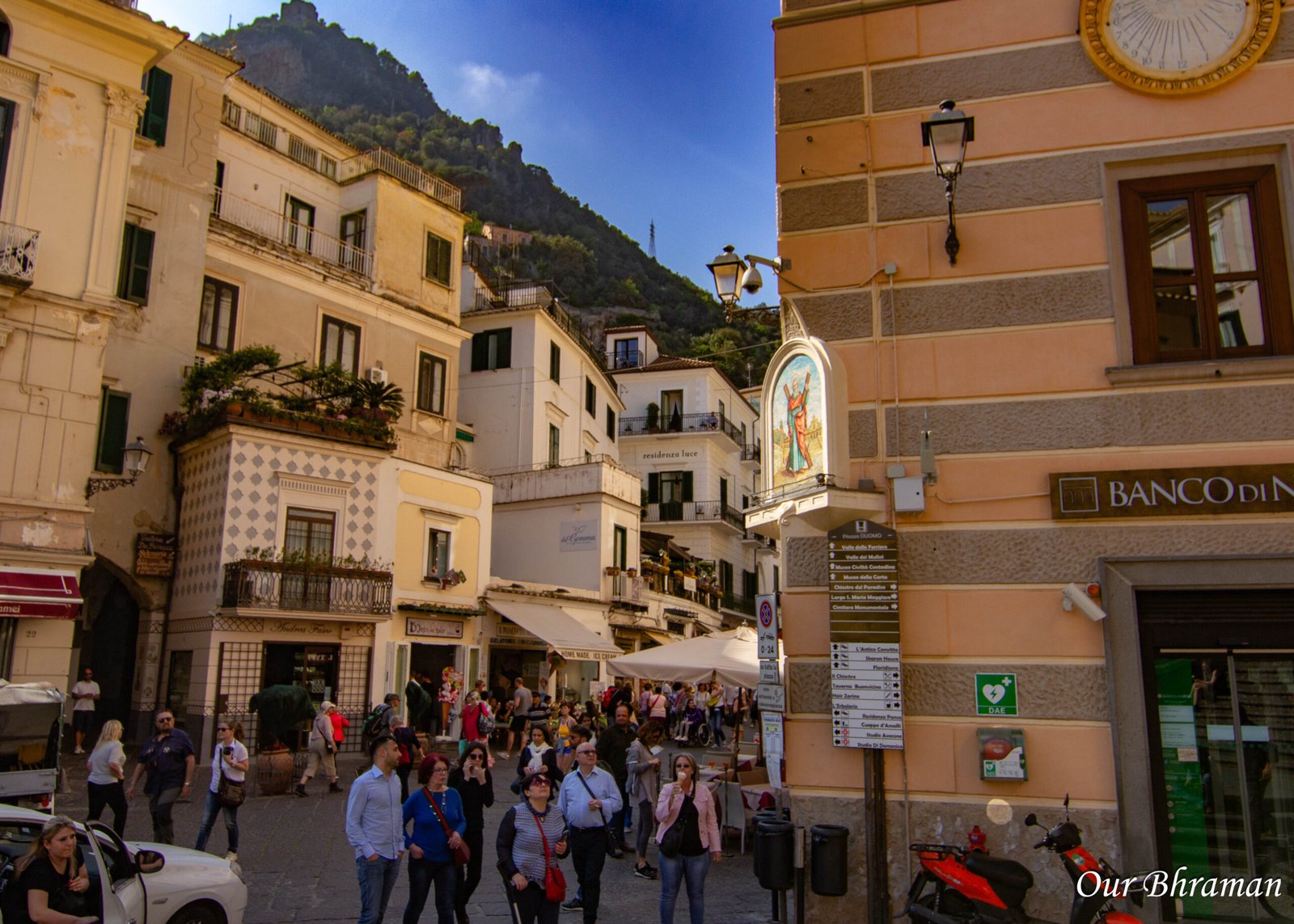 We spent our time wandering through Amalfi’s narrow pedestrian streets, where every turn revealed something new to discover. Small boutiques displayed handmade ceramics, locally produced limoncello, fresh pastries, artisan souvenirs, and colorful clothing, while cafés spilled into the piazzas with visitors enjoying leisurely lunches and espresso under vibrant umbrellas. The town had a wonderful energy—busy enough to feel alive, yet relaxed enough to encourage you to slow down and simply enjoy the surroundings.
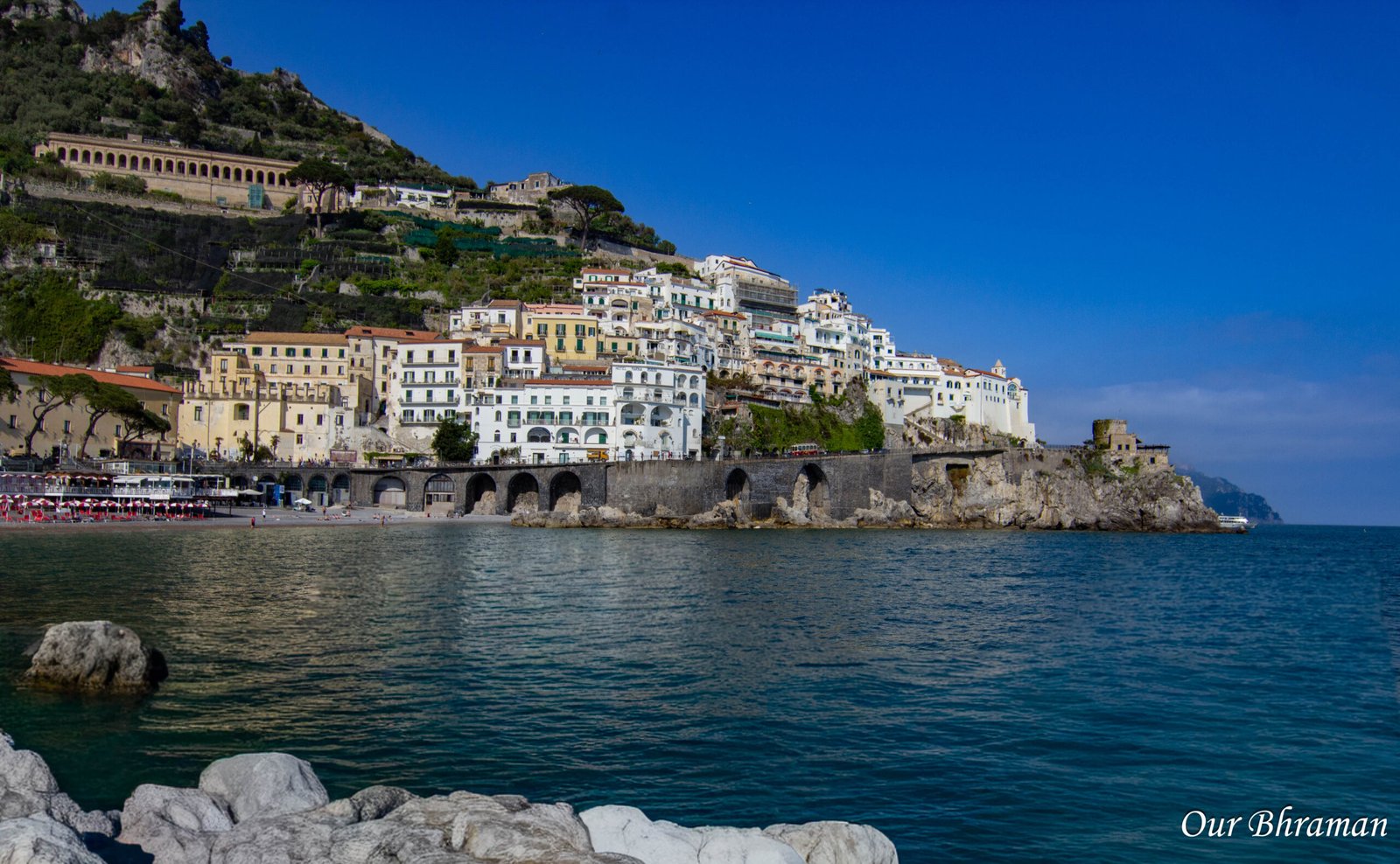
As we continued toward the waterfront, the lively beach quickly became one of the highlights of our visit. Unlike the soft sandy beaches found in many coastal destinations, Amalfi’s shoreline is made up of smooth pebbles that border the crystal-clear Mediterranean.
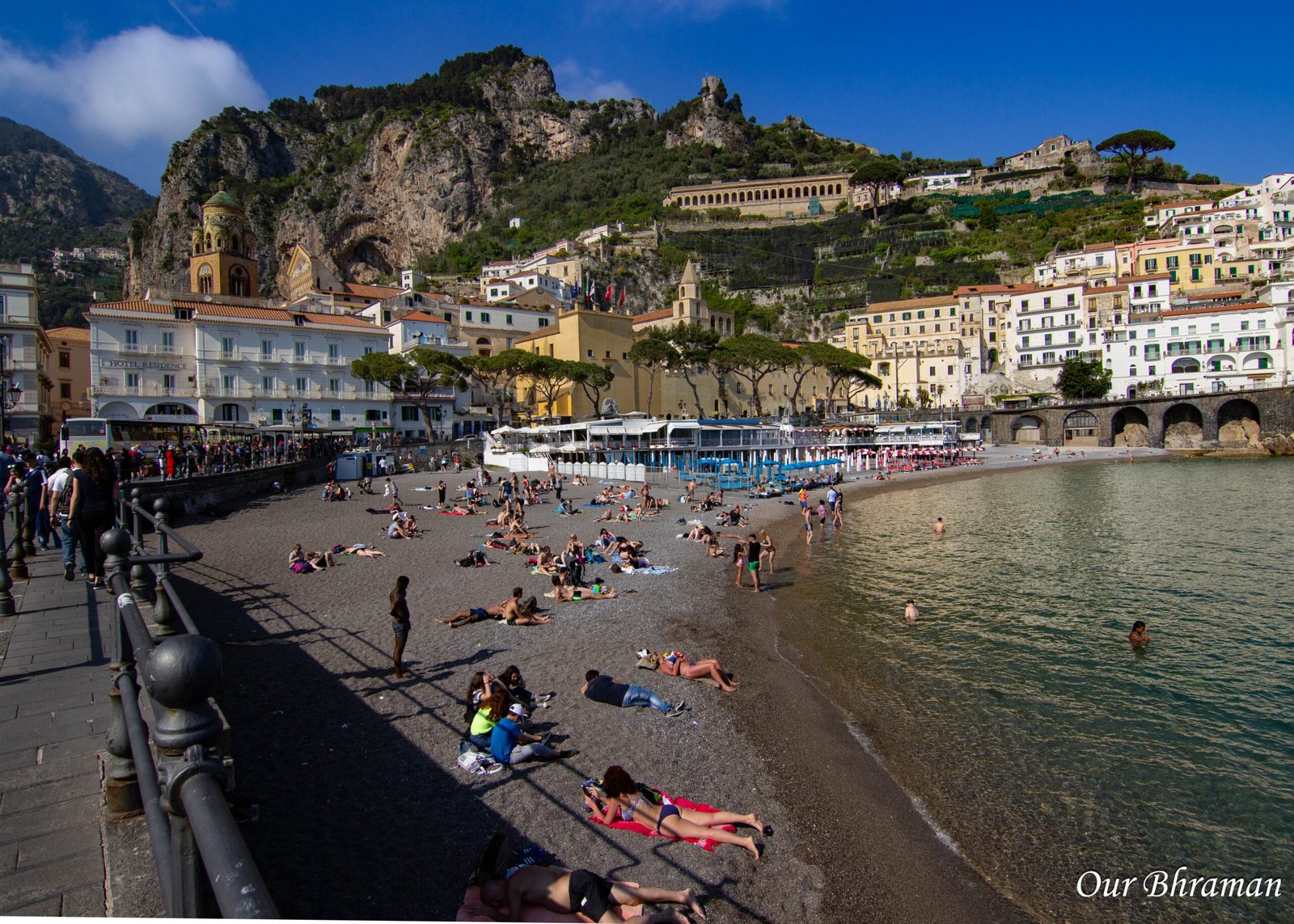
Despite the rocky surface, the beach was packed with people relaxing on lounge chairs, laying out towels, swimming in the refreshing water, or simply soaking up the warm Italian sunshine. With colorful boats and ferries arriving throughout the day and dramatic cliffs rising behind the town, it created a postcard-perfect coastal scene.
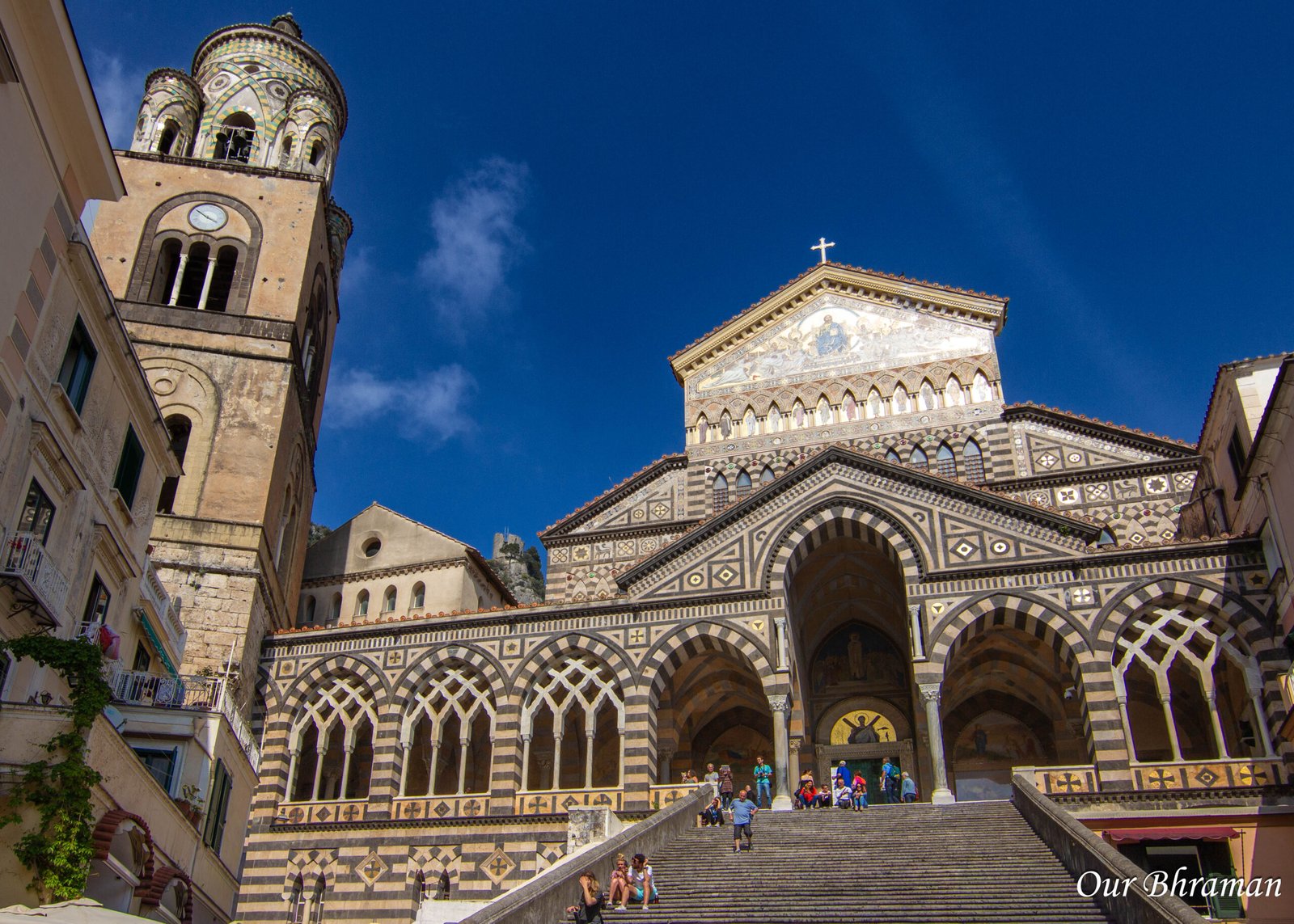
Towering above the bustling Piazza del Duomo is the magnificent Amalfi Cathedral (Duomo di Amalfi), the town’s most recognizable landmark. Founded in the 9th century and expanded during the early 13th century, the cathedral is dedicated to Saint Andrew, whose relics are preserved within the church. Its striking Romanesque façade, elegant arches, ornate bronze doors, and grand staircase immediately capture your attention as you enter the square. Stepping inside was equally impressive. The lively atmosphere of the piazza gave way to a peaceful sanctuary filled with beautifully decorated ceilings, intricate mosaics, marble columns, religious artwork, and centuries of history.
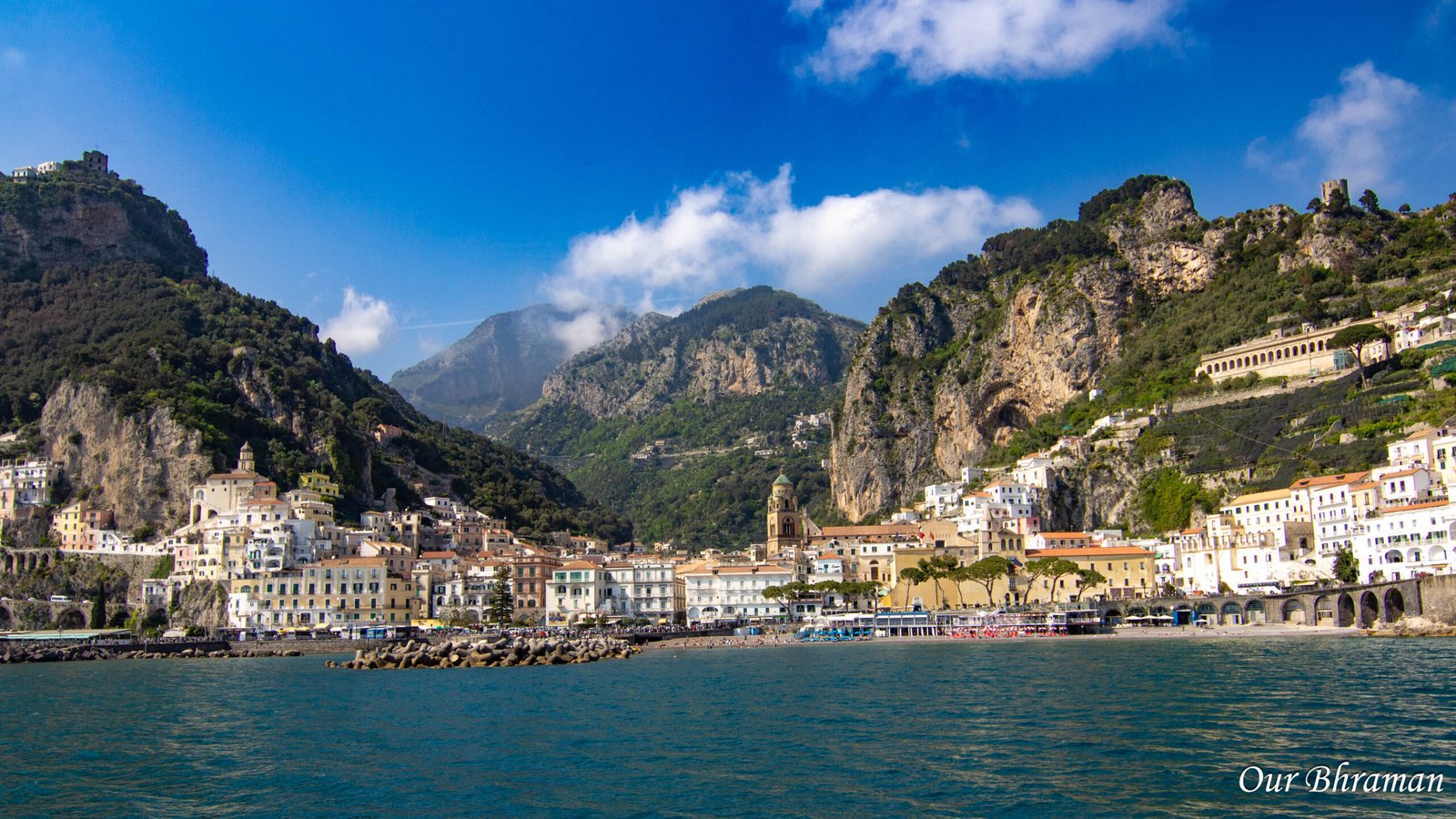
After exploring the town and Cathedral, we boarded a sightseeing boat for a cruise along the Amalfi Coast. Seeing the coastline from the sea offered a completely different perspective from the winding cliffside roads above. From the water, the colorful towns appeared to cling impossibly to the rugged mountainsides, while dramatic limestone cliffs plunged straight into the crystal-clear Mediterranean.
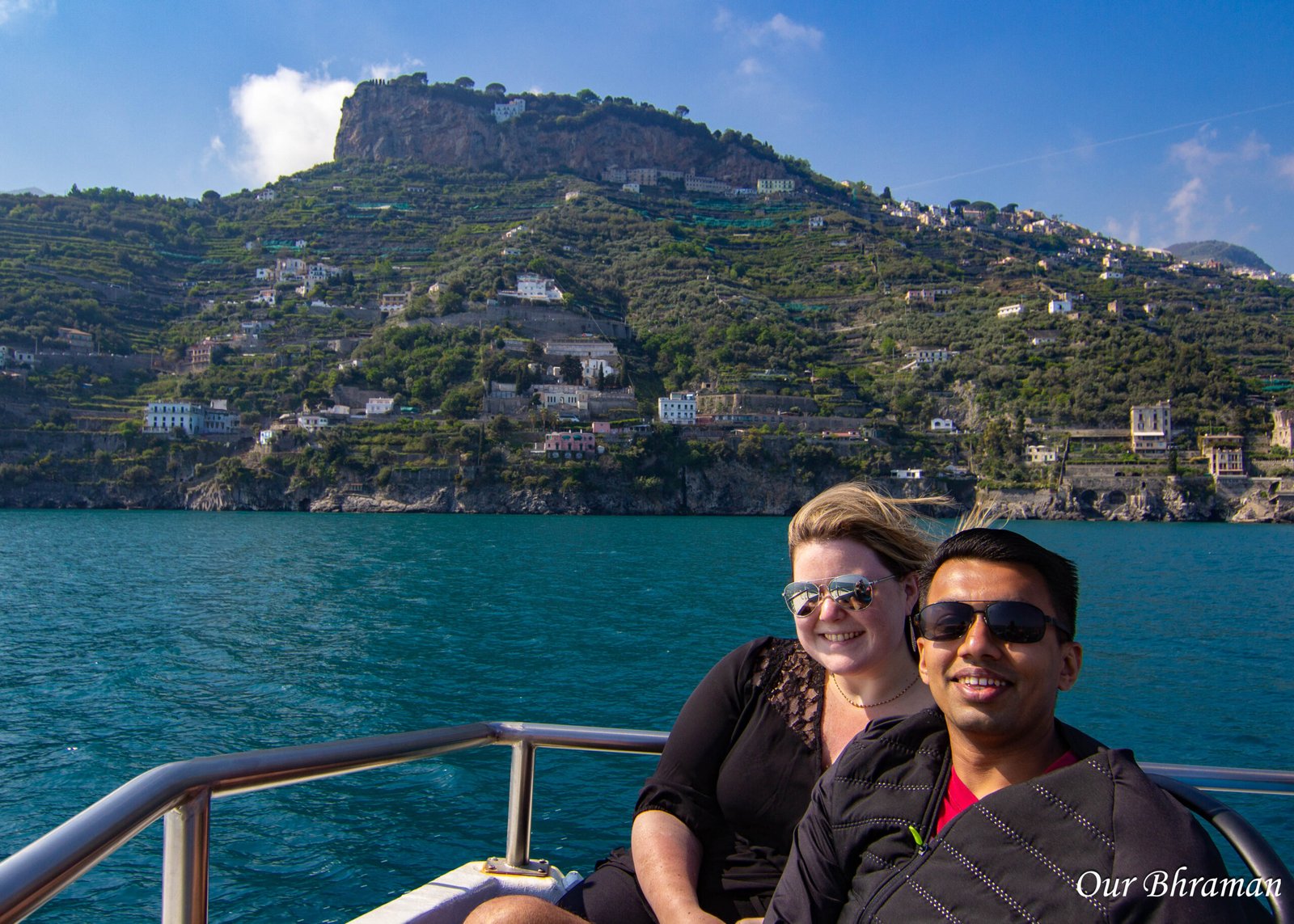
As we cruised along the coastline, we passed small coves, quiet pebble beaches, hillside villas, and terraced lemon groves that are hard to see from the road. Looking back at Amalfi from the water gave us a completely different perspective. The town’s colorful buildings, with the cathedral standing prominently above them, looked even more impressive against the steep mountains. It was a great reminder that while driving the Amalfi Coast offers incredible views, seeing it from the water provides an equally memorable experience.
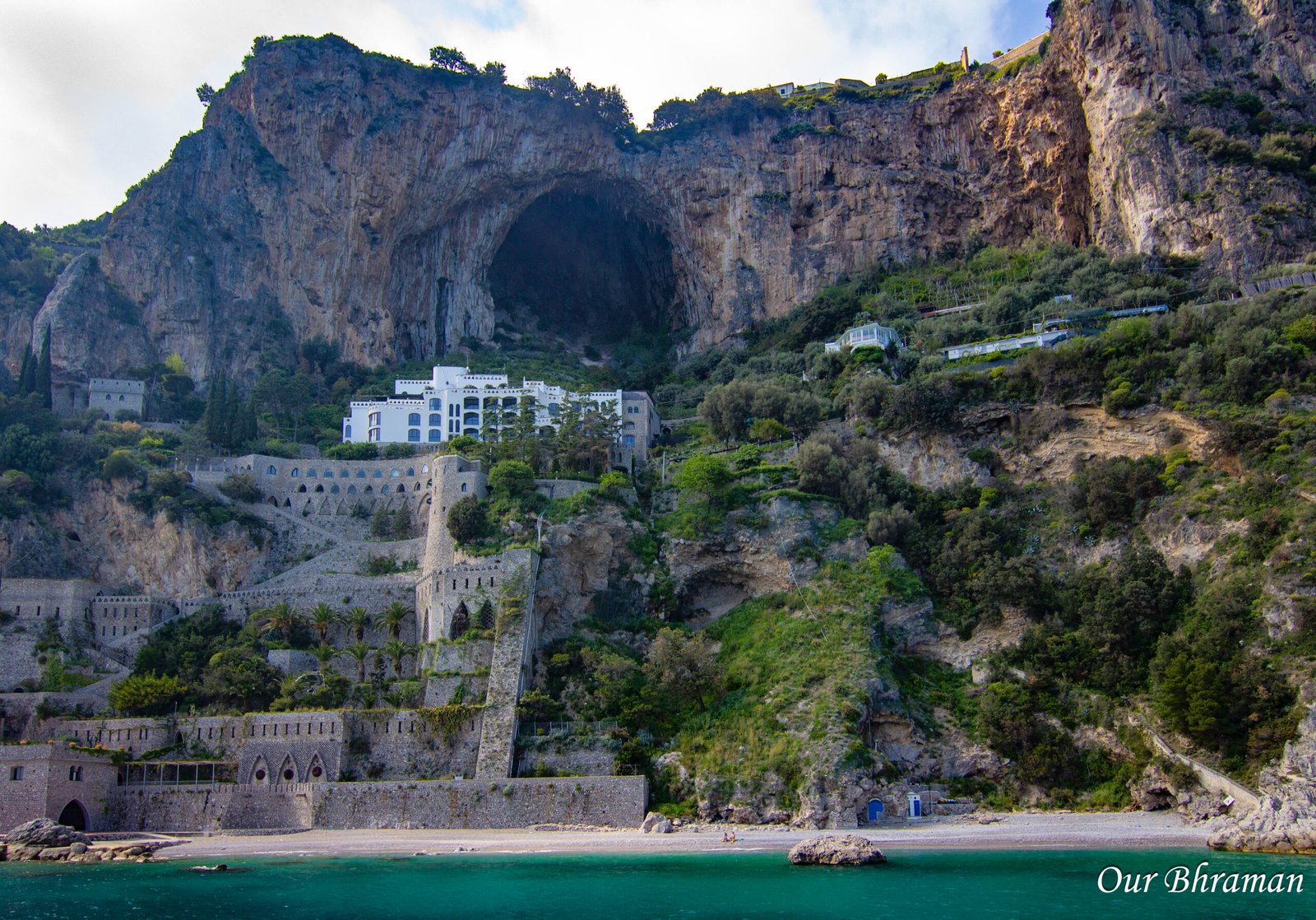
Before we knew it, the two hours we had in Amalfi had flown by. Although we could have easily spent an entire day exploring this beautiful seaside town, it was time to return to our tour bus and head back to Sorrento.
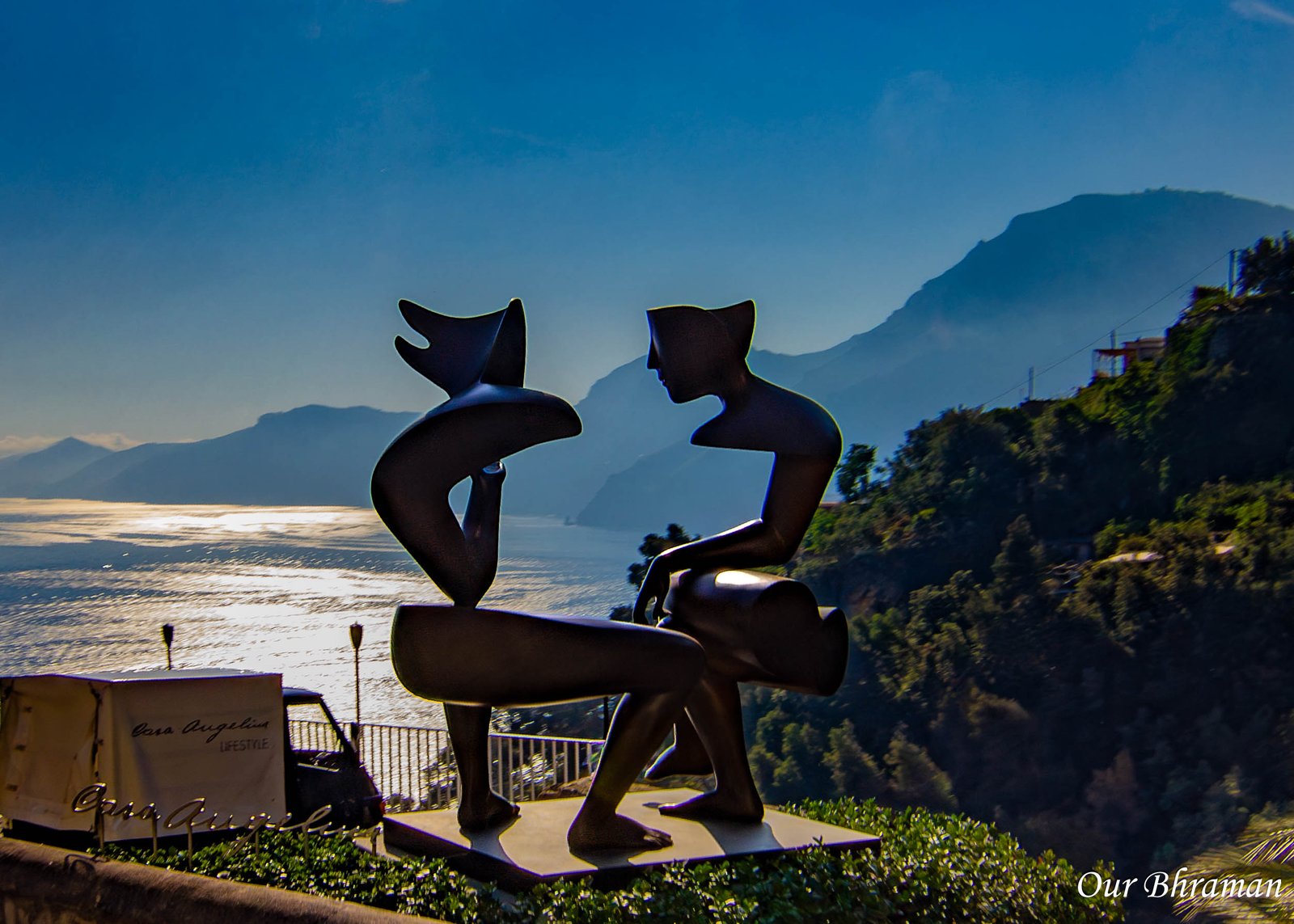
By the time we left Amalfi, it was late afternoon. The drive back to Sorrento was just as scenic as the journey in, with every twist and turn revealing another breathtaking view of the Mediterranean. Along the roadside, we spotted several creative sculptures and artistic installations that reflected the region’s vibrant culture, adding an unexpected touch of character to an already spectacular landscape.
We arrived back at our hotel in Sorrento by late afternoon, bringing our guided road trip to an end. We were very pleased with the tour and the professionalism of both our driver and guide. Despite the limited time at each stop, they did an excellent job showcasing the highlights of the Amalfi Coast while providing helpful tips on what to do, what to avoid, and how to make the most of each destination.
Looking back, the day felt fast-paced, but we still managed to experience an incredible amount in just a few hours. From the dramatic cliffside roads and charming seaside villages to the sparkling Mediterranean and rich local culture, the tour exceeded our expectations and gave us a memorable introduction to one of Italy’s most beautiful regions.
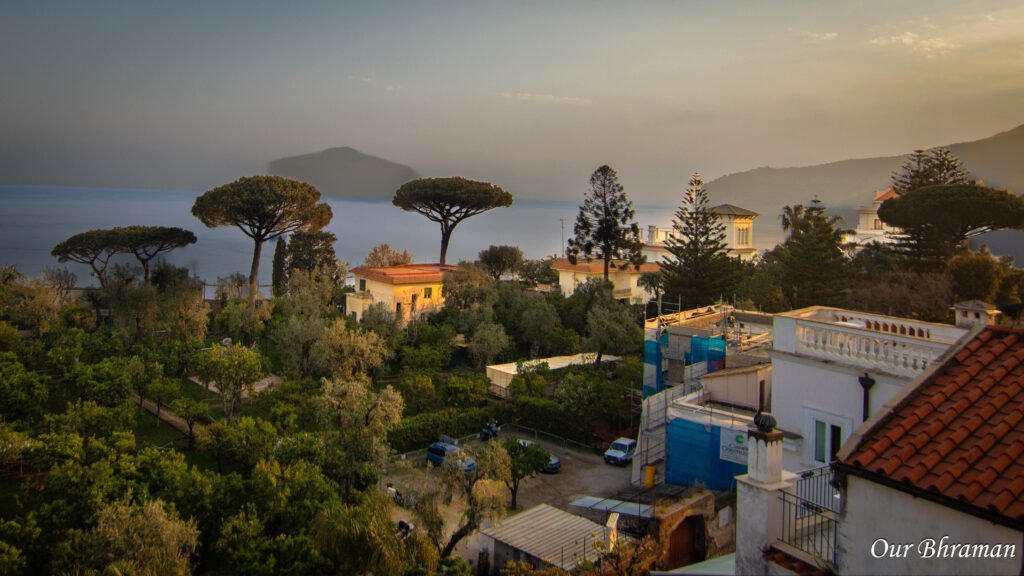
After returning from our Amalfi Coast adventure, we still had plenty of daylight left, so we decided to explore I Giardini di Cataldo, a historic lemon garden located less than a five-minute walk from our hotel in Sorrento. Hidden behind the bustling streets, stepping through its gates felt like entering a peaceful oasis where the city’s rich agricultural heritage has been carefully preserved for generations.
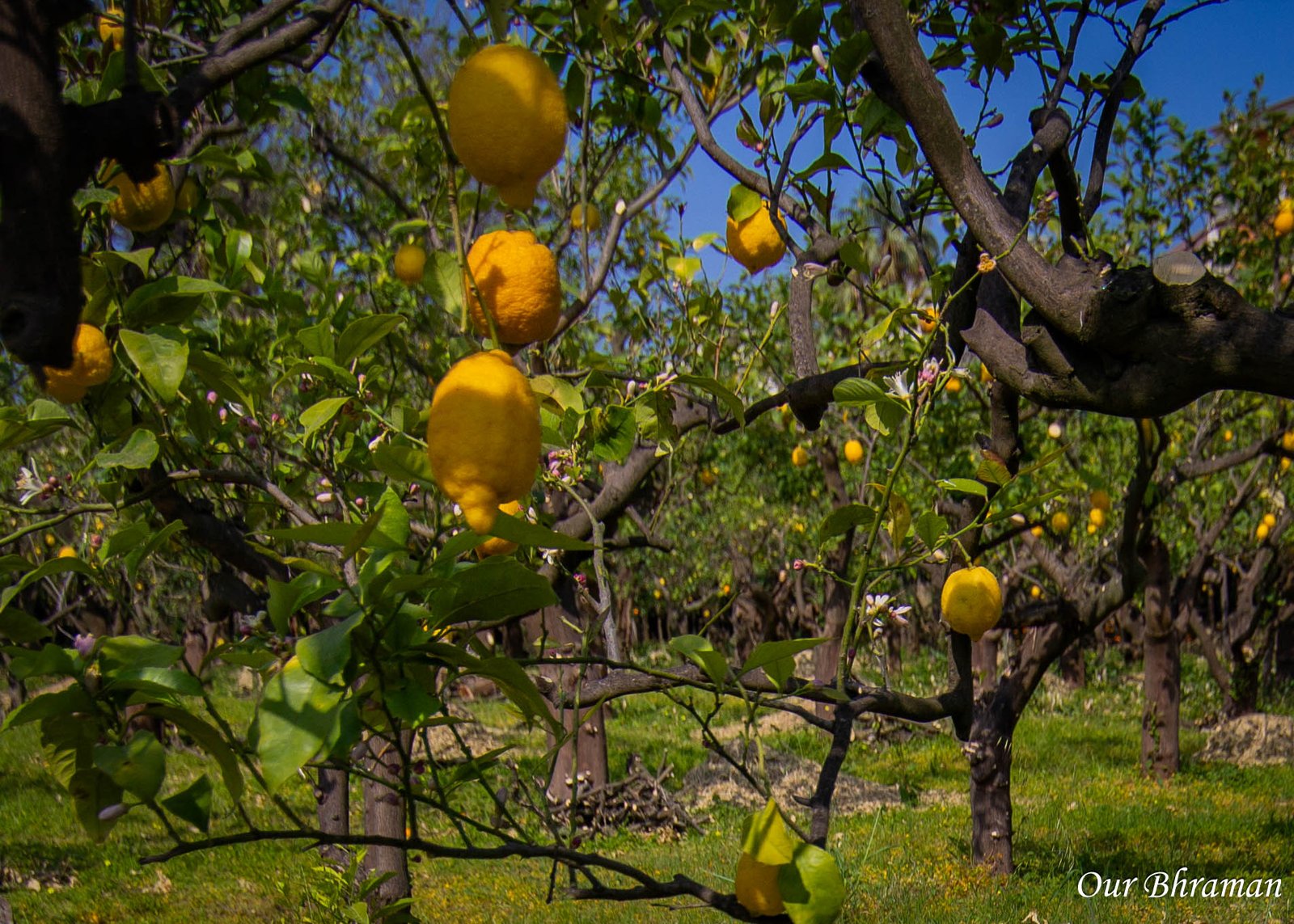 Walking beneath rows of fragrant citrus trees was a relaxing contrast to the busy coastal towns we had explored earlier in the day. The garden is home to the renowned Ovale di Sorrento lemons, whose thick, aromatic peels are used to produce the area’s world-famous Limoncello. During our visit, we learned about the cultivation process, the history of lemon farming in the Sorrento Peninsula, and why these lemons have become such an iconic symbol of the region.
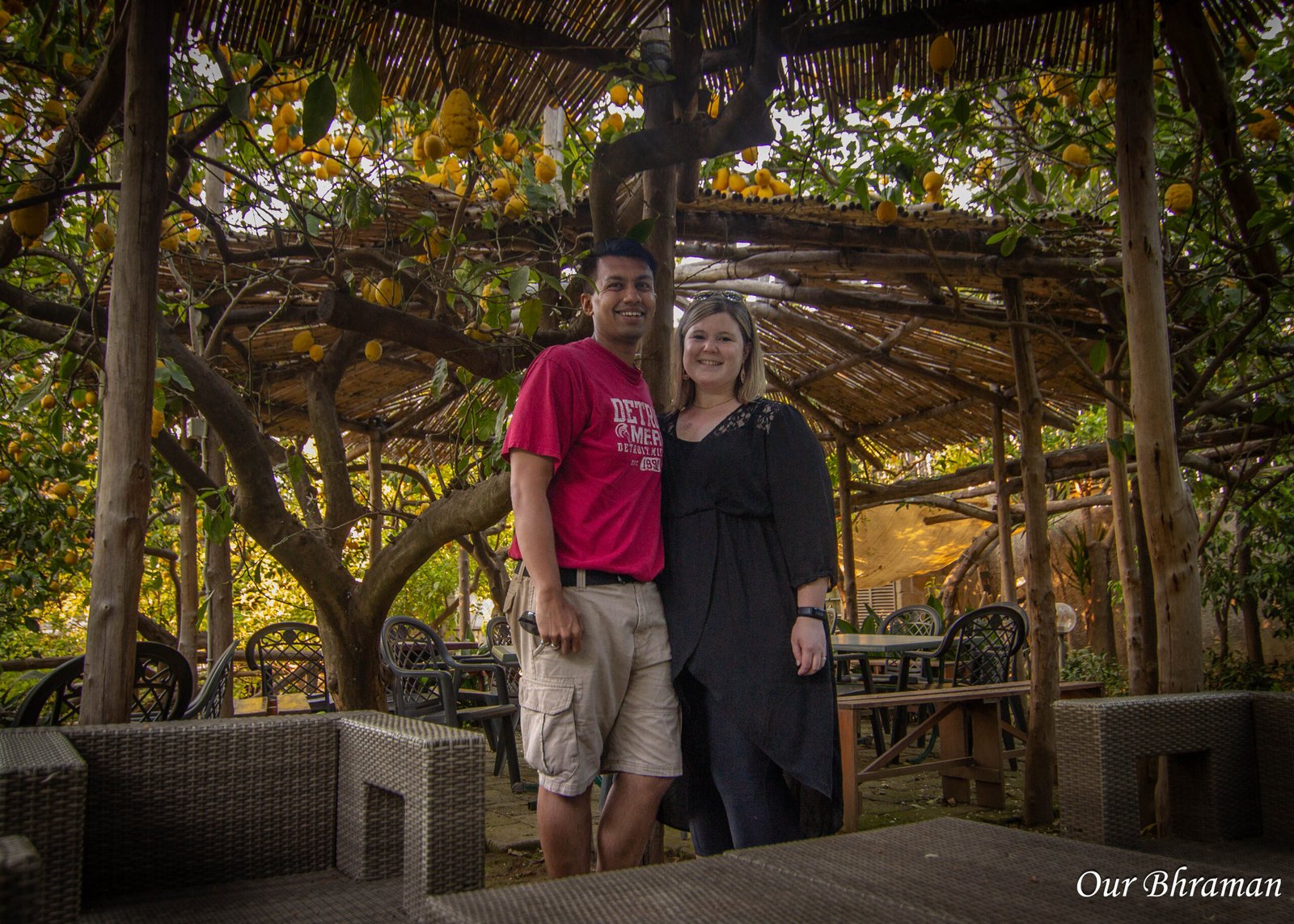 The experience concluded with a tasting of the estate’s homemade specialties. We sampled fresh lemonade bursting with natural citrus flavor, delicious lemon-based treats, and, of course, a glass of homemade Limoncello. Sipping the vibrant, refreshing liqueur while surrounded by the very lemon trees that produced it made the experience feel incredibly authentic and memorable.
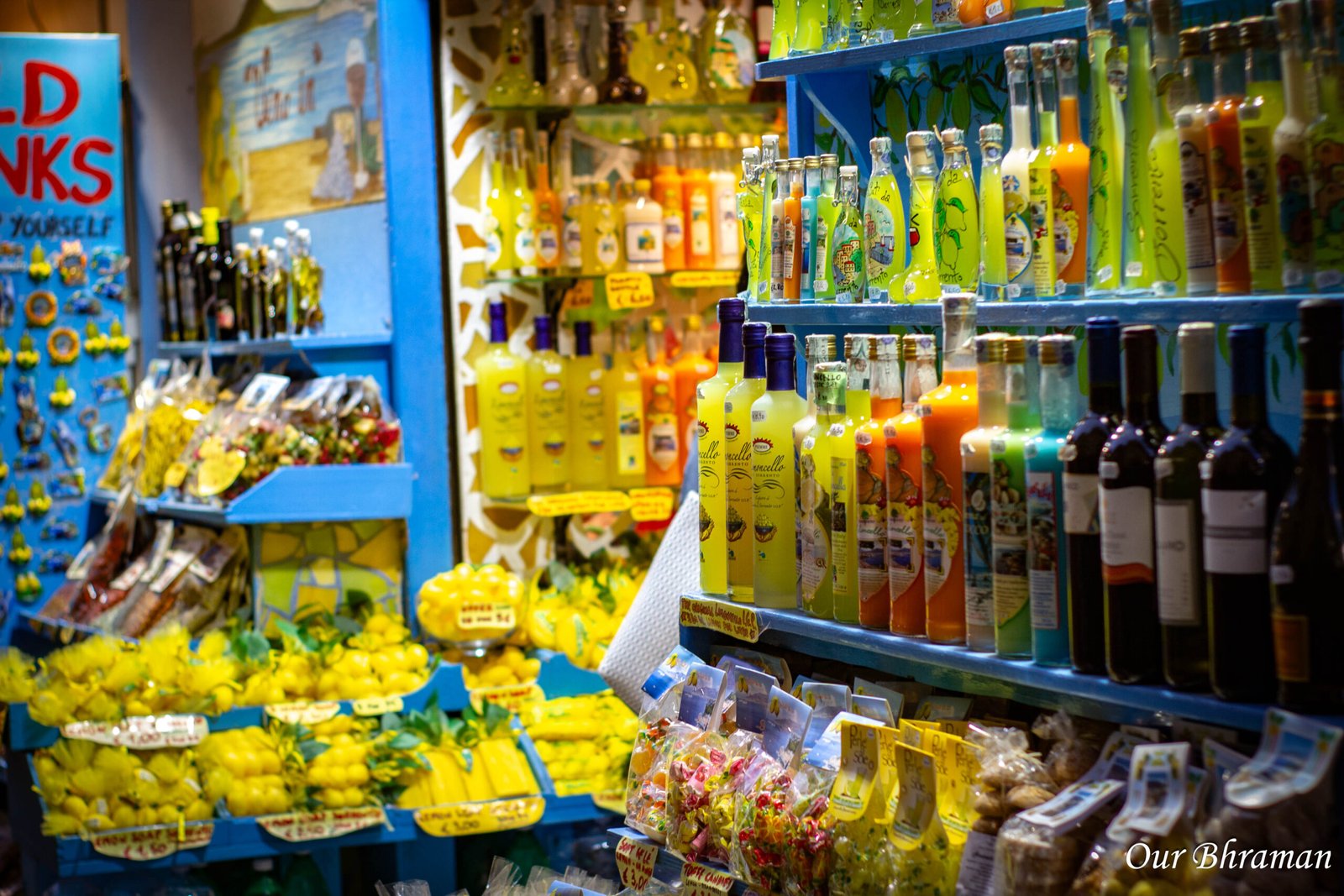
Before heading back to our hotel, we spent some time wandering through the charming streets of Sorrento, enjoying the town at a slower pace. As the afternoon transitioned into evening, the lively piazzas, boutique shops, and outdoor cafés buzzed with both locals and visitors.
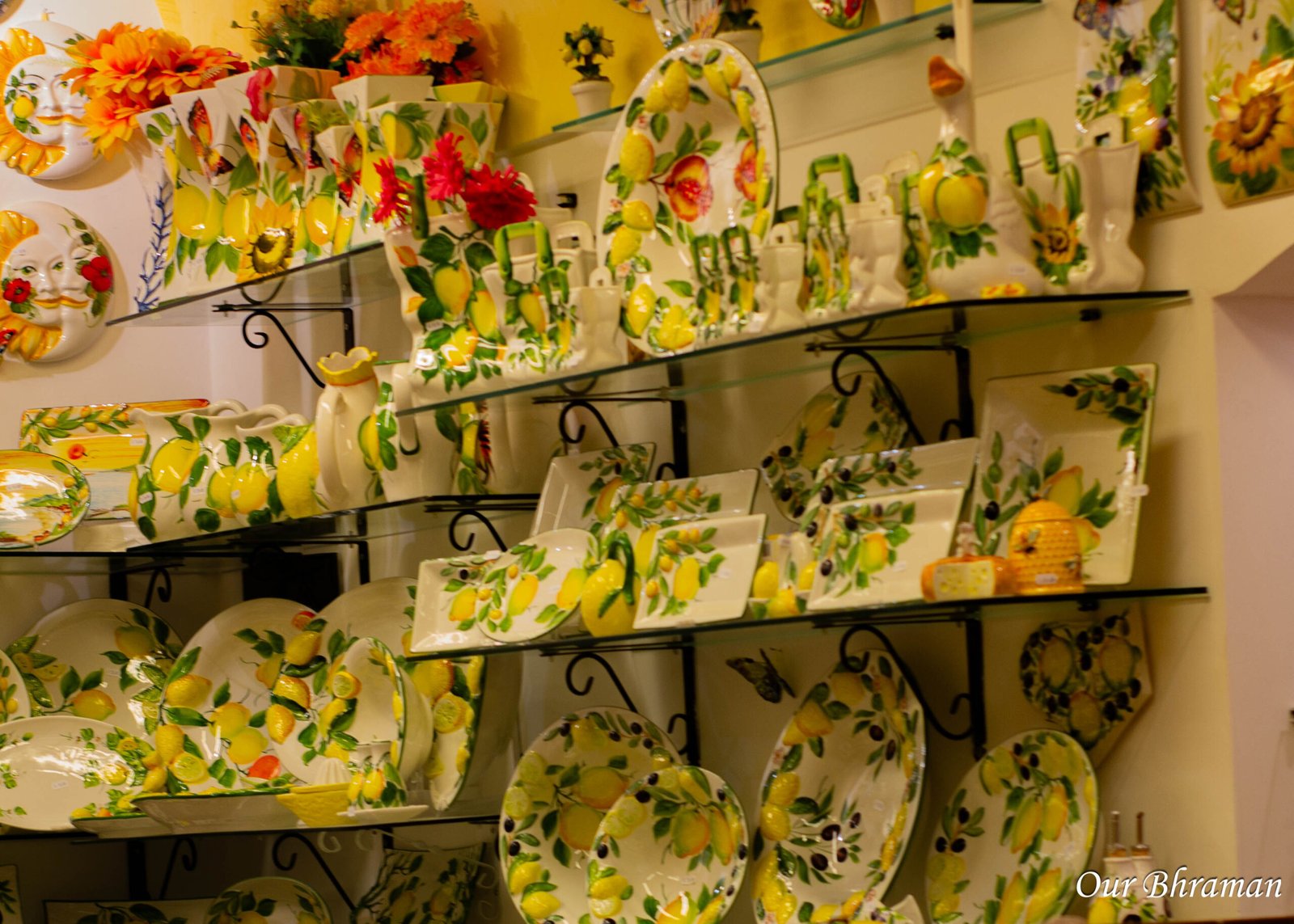
We browsed stores filled with handmade ceramics, local olive oils, limoncello, and artisan souvenirs while soaking in the relaxed atmosphere that makes Sorrento such a delightful place to explore. With no agenda or timetable to follow, it was the perfect opportunity to simply wander and appreciate the character of the town beyond its famous attractions.
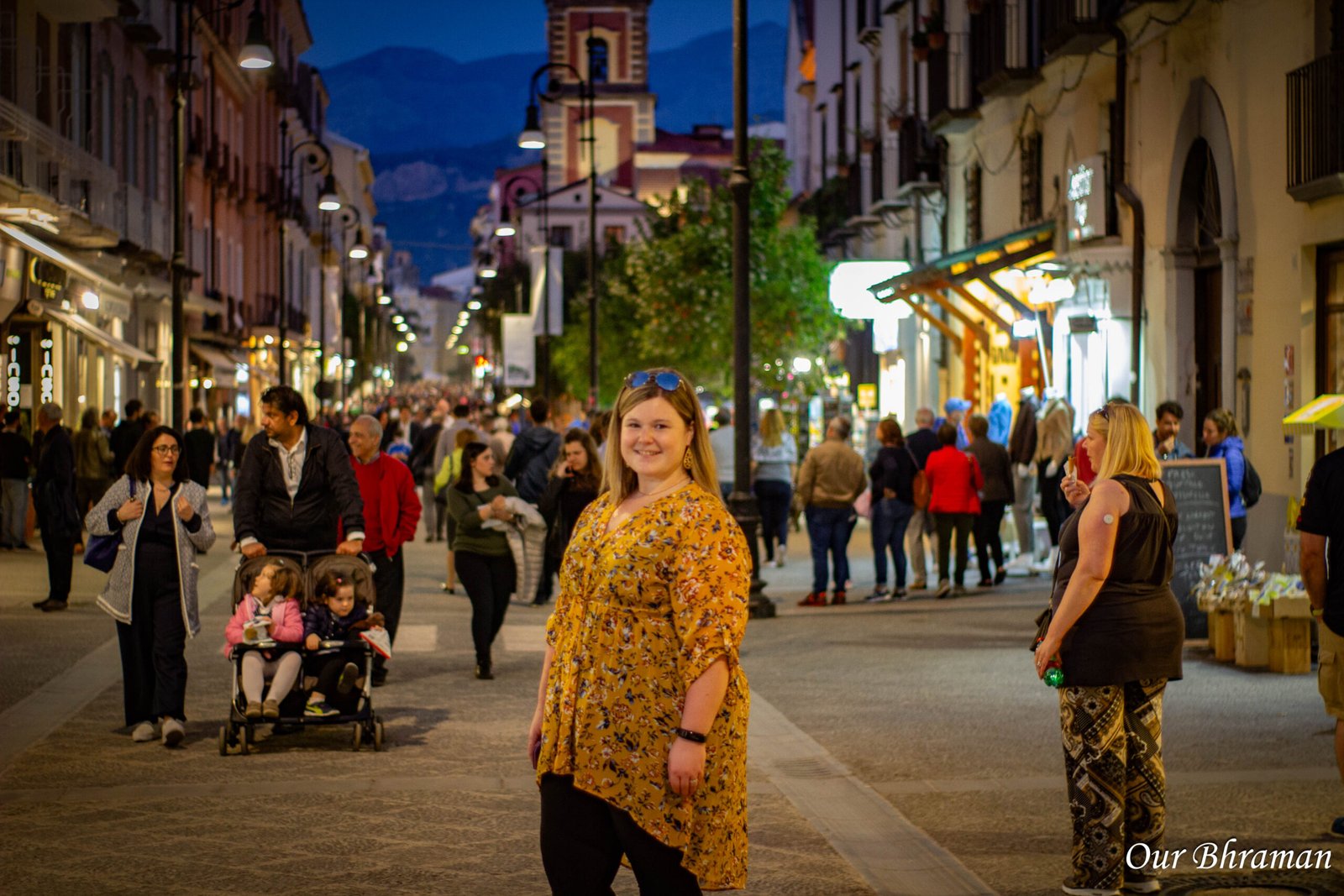
During our stay, we really grew to love the atmosphere of Sorrento. It had a relaxed, welcoming vibe that made it easy to imagine spending an extended vacation—or even retirement—there. With its beautiful coastal scenery, mild Mediterranean climate, walkable streets, and excellent local cuisine, it’s easy to see why many people are drawn to this part of Italy later in life. We also noticed an active international community, with many long-term visitors and expatriates from across Europe and other parts of the world. Whether or not retirement is in our future, Sorrento felt like one of those places where life naturally slows down, encouraging you to savor each day instead of rushing through it.