Banff Travel Tips: Lake Louise & Moraine Lake
There are places in the world that look beautiful in photographs, and then there are places that make you stop in your tracks when you finally see them in person.
Banff National Park is one of those places.
Nestled in the Canadian Rockies of Alberta, Banff is Canada’s oldest national park and one of the most spectacular mountain landscapes we’ve ever experienced. Towering snow-capped peaks, turquoise glacial lakes, massive glaciers, alpine meadows, and winding mountain roads seem to stretch endlessly in every direction.
But Banff isn’t just about seeing the mountains.
It’s about getting up before sunrise to experience them in silence. It’s about hiking until your legs are exhausted, waiting in the freezing cold for the first rays of light, and discovering that the view you’ve seen a hundred times in photographs somehow feels completely different when you’re standing there.
Here are our best travel tips for visiting Lake Louise and Moraine Lake.
1. You Can't Drive to Moraine Lake
This is probably the most important thing to know before planning your visit.
Moraine Lake Road is closed to personal vehicles year-round.
You cannot simply drive your rental car or personal vehicle to Moraine Lake and park.
Access is limited to:
- Parks Canada shuttles
- Licensed commercial operators with a Moraine Lake Road Licence of Occupation
- Registered guests of Moraine Lake Lodge
This means transportation needs to be part of your itinerary from the beginning.
Don’t make the mistake of assuming you’ll be able to drive up early and find a parking spot. You won’t.
2. Book Your Moraine Lake Shuttle in Advance
If Moraine Lake is on your itinerary, reserve your transportation as early as possible. Parks Canada shuttle reservations can fill quickly, particularly during the busy summer months and fall larch season.
For sunrise, look into an Alpine Start departure. These early services allow you to reach Moraine Lake before the main crowds arrive. For us, the early shuttle meant waking up at 3:30 AM, but watching the first light hit the Ten Peaks made the lack of sleep completely worth it.
Our tip: If sunrise photography is your goal, don’t wait until you arrive in Banff to figure out transportation.
3. Go to Moraine Lake for Sunrise
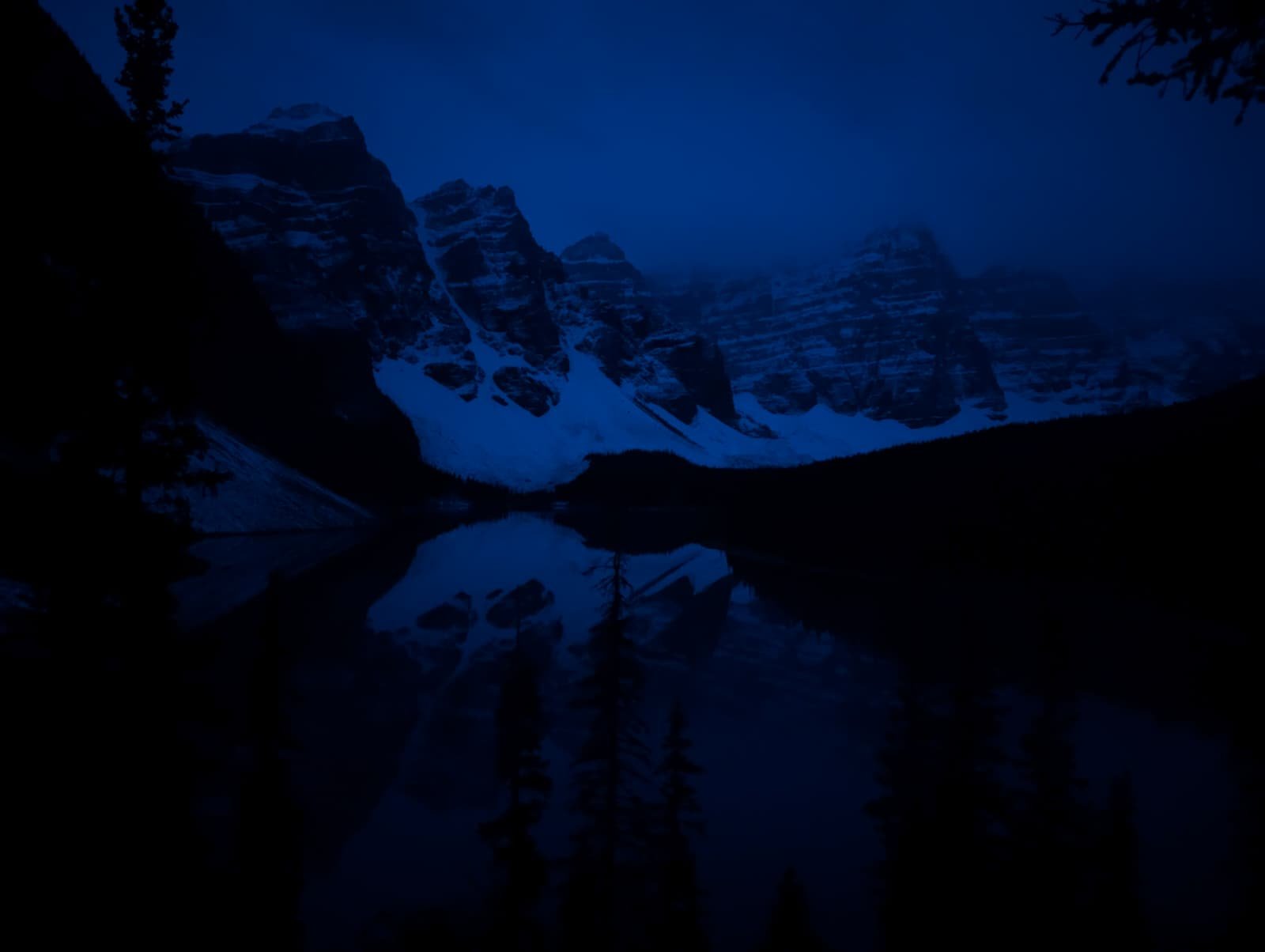
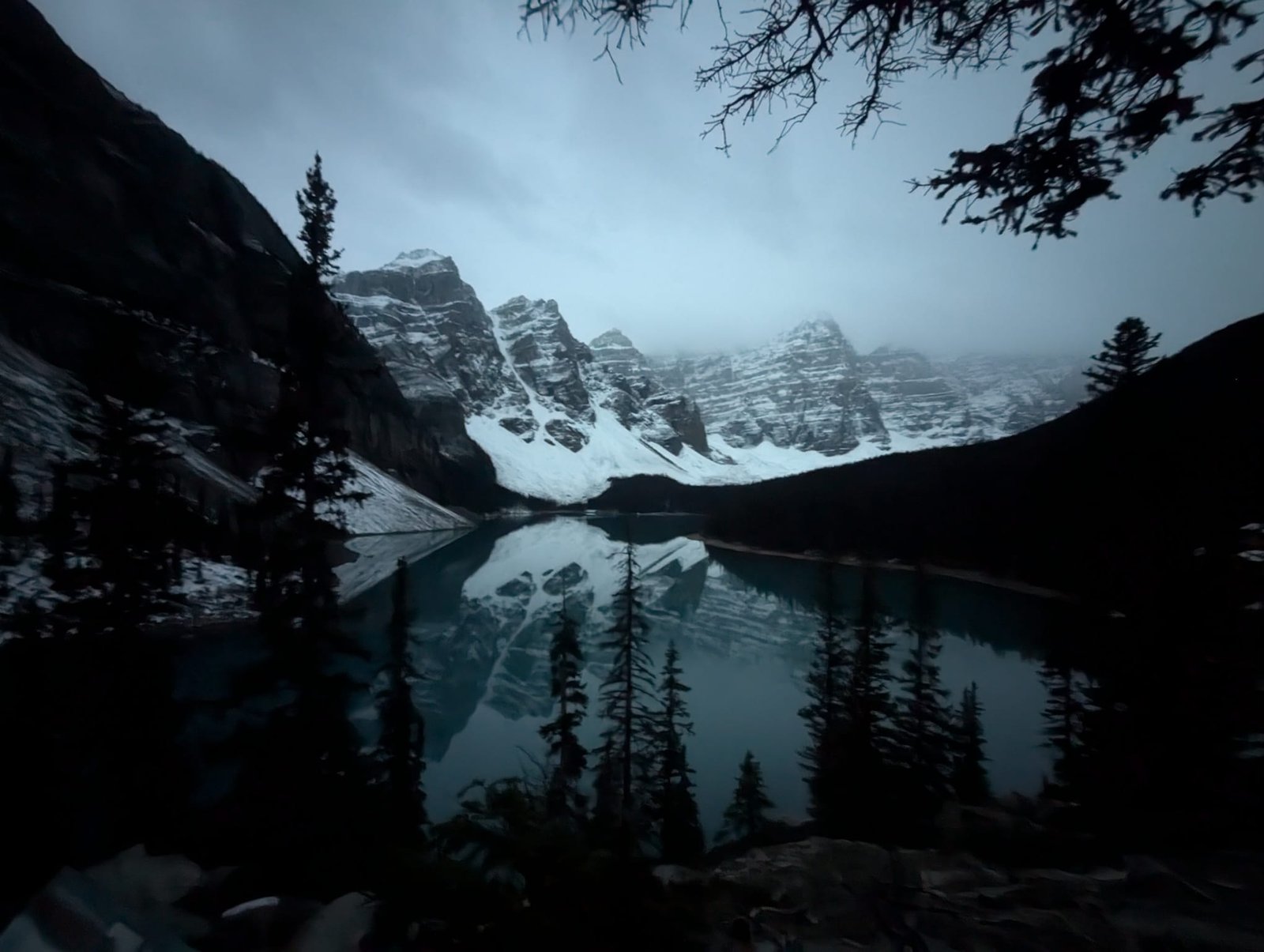
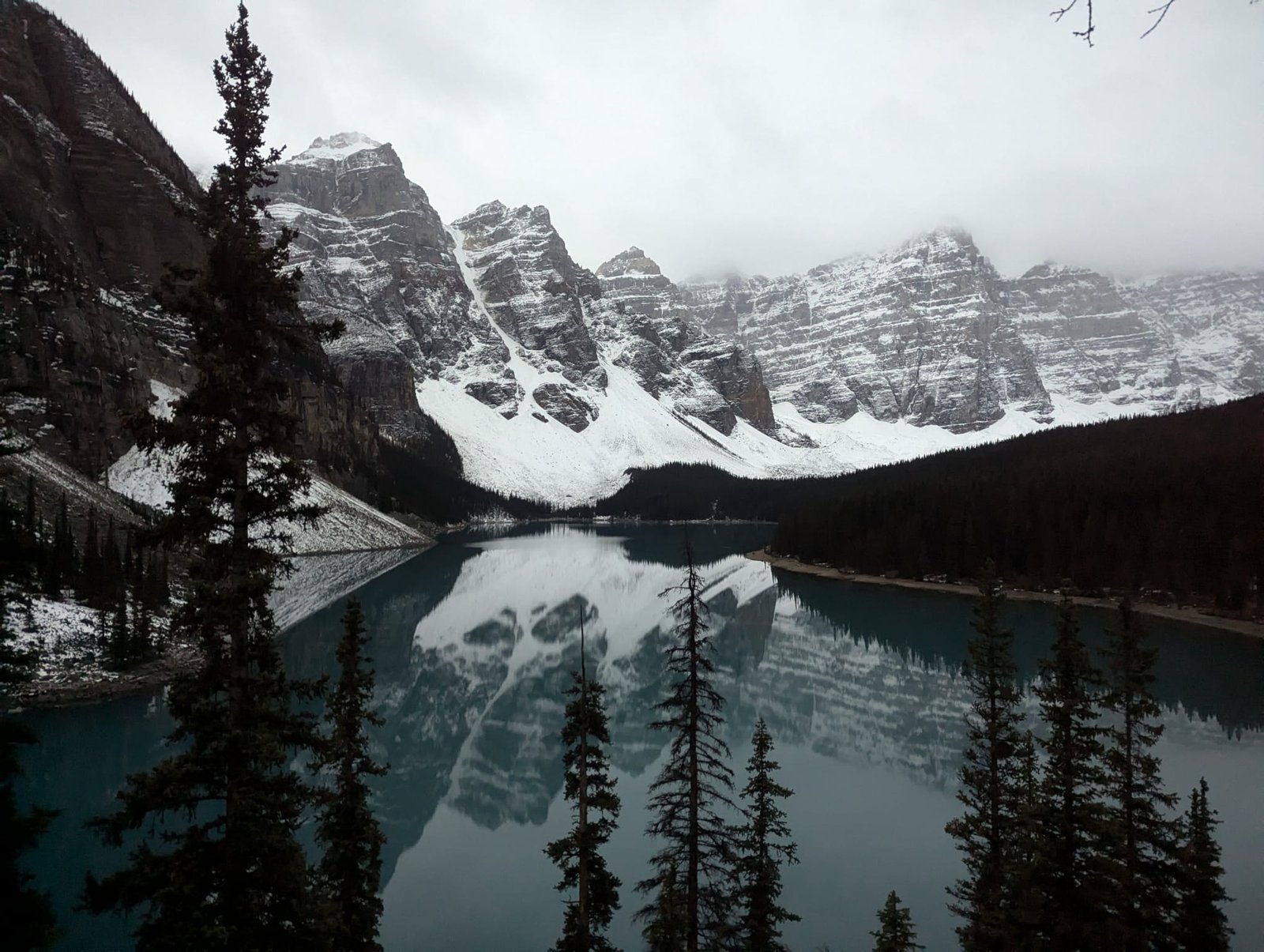
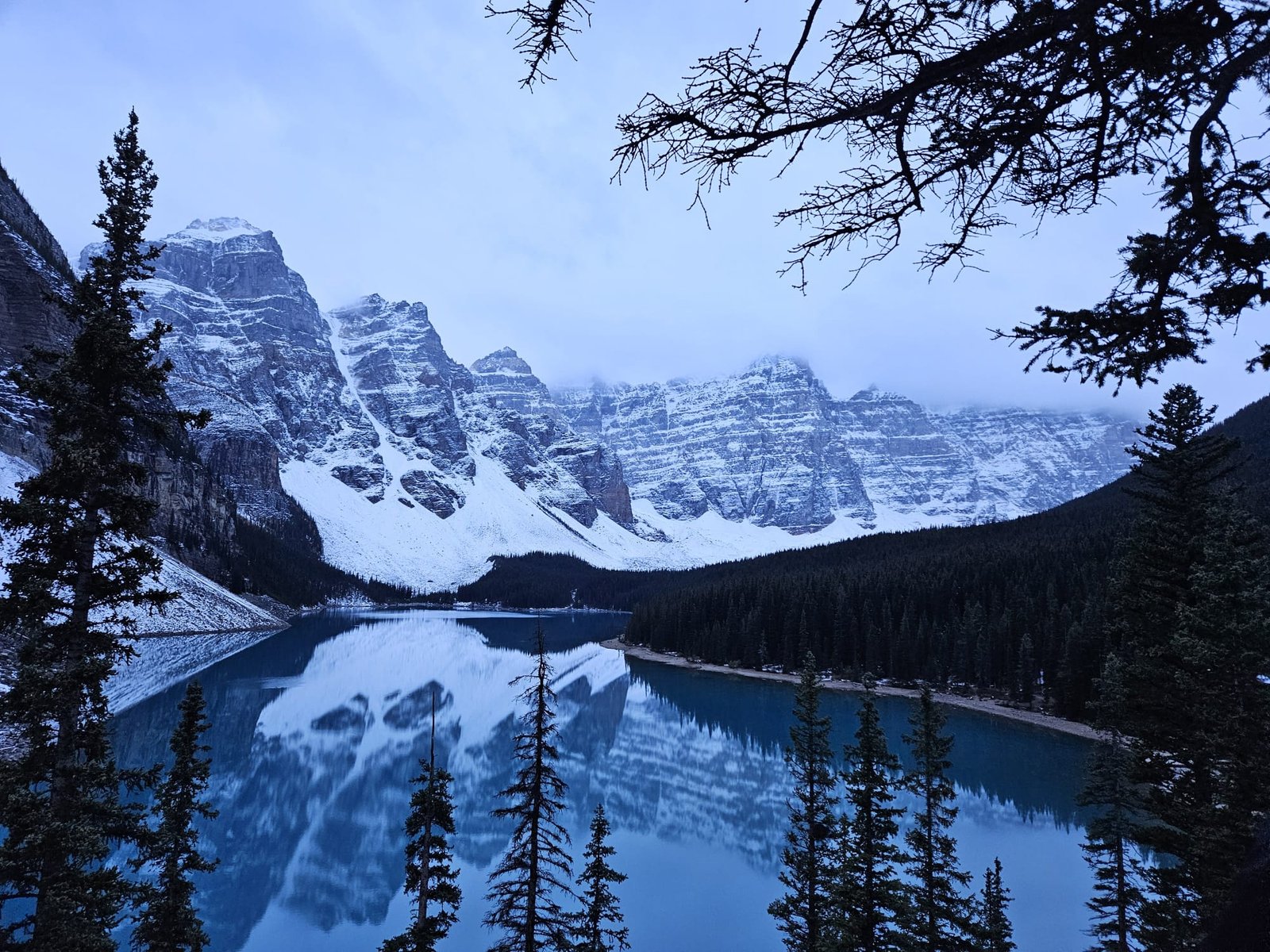
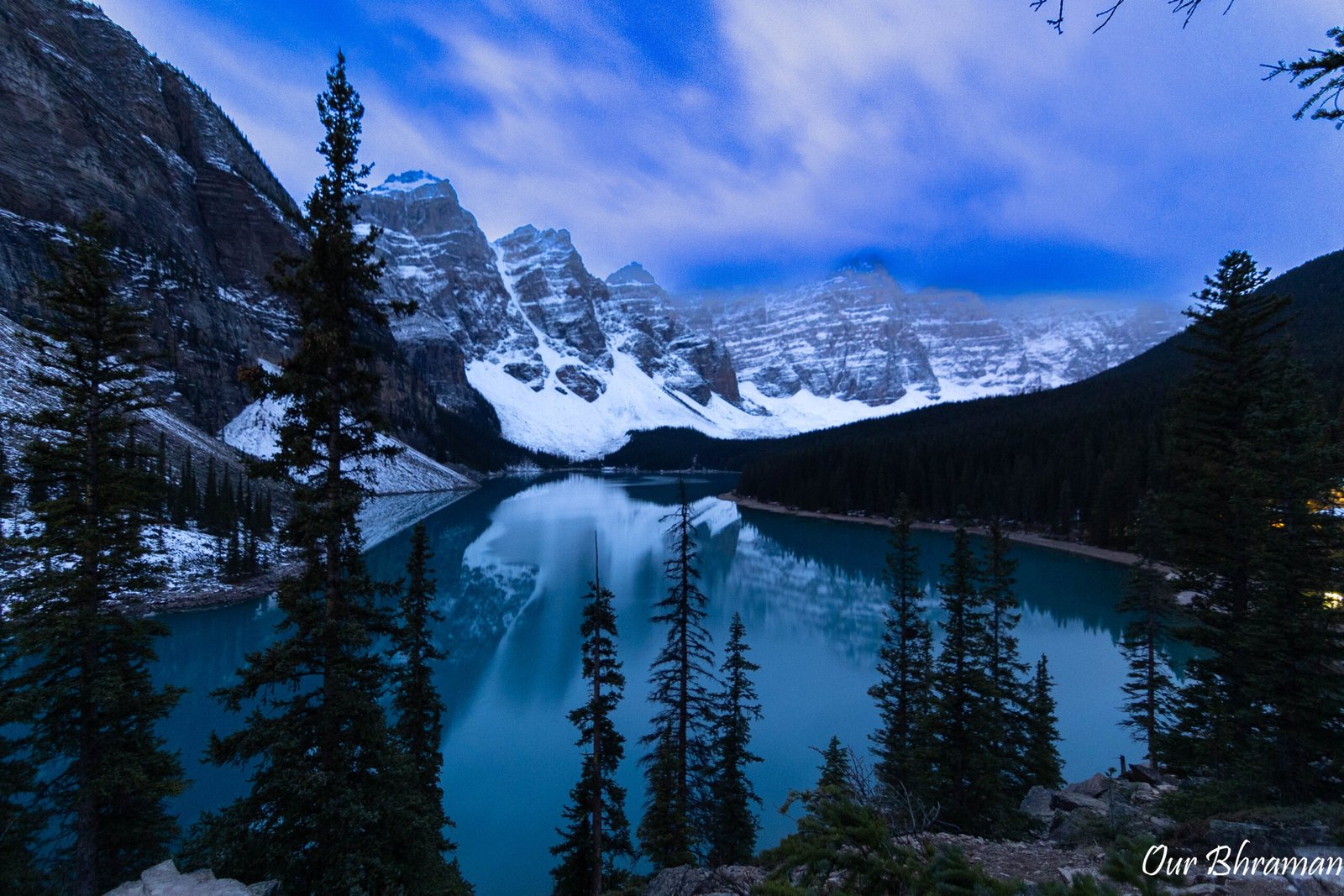
If you can handle the early wake-up, sunrise at Moraine Lake is unforgettable. The lake looks completely different before the sun comes up. At first, the mountains are silhouettes against the dark sky. Then, slowly, the first light begins to illuminate the Ten Peaks. The colors change by the minute. And because you’re there so early, the experience can feel surprisingly peaceful compared with the crowds you’ll encounter later in the day.
What to Bring
- Headlamp
- Warm jacket
- Gloves
- Hat
- Multiple layers
- Tripod
- Extra camera batteries
- Hot coffee!
That last one isn’t technically required, but we highly recommend it.
4. Don't Skip the Rockpile Trail
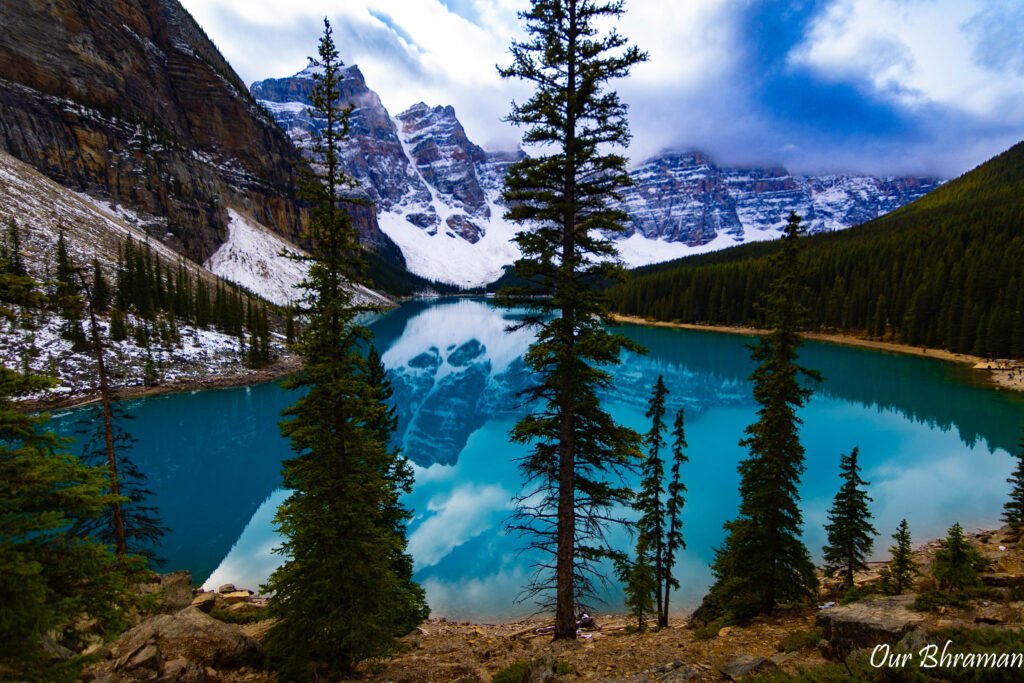
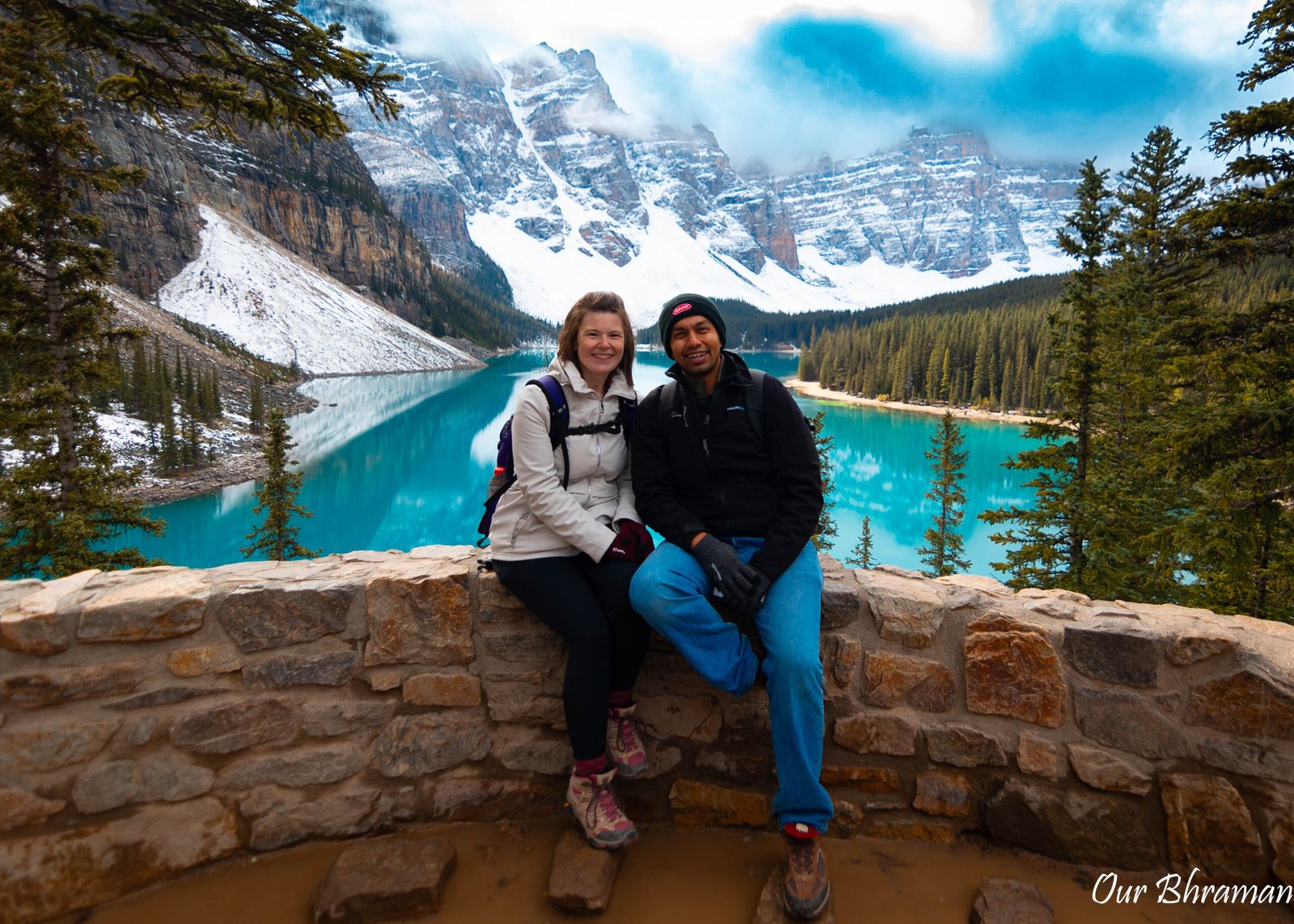
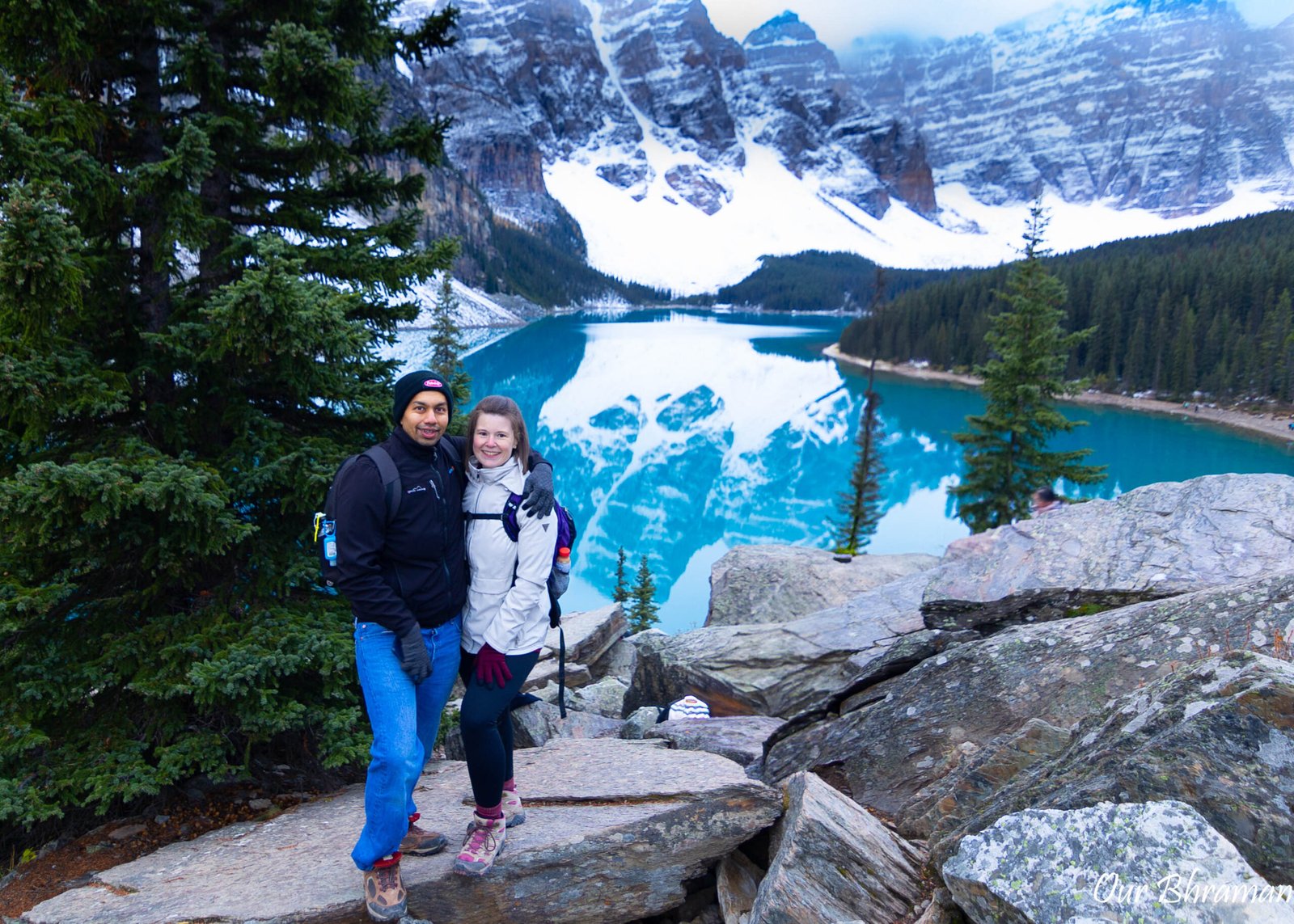
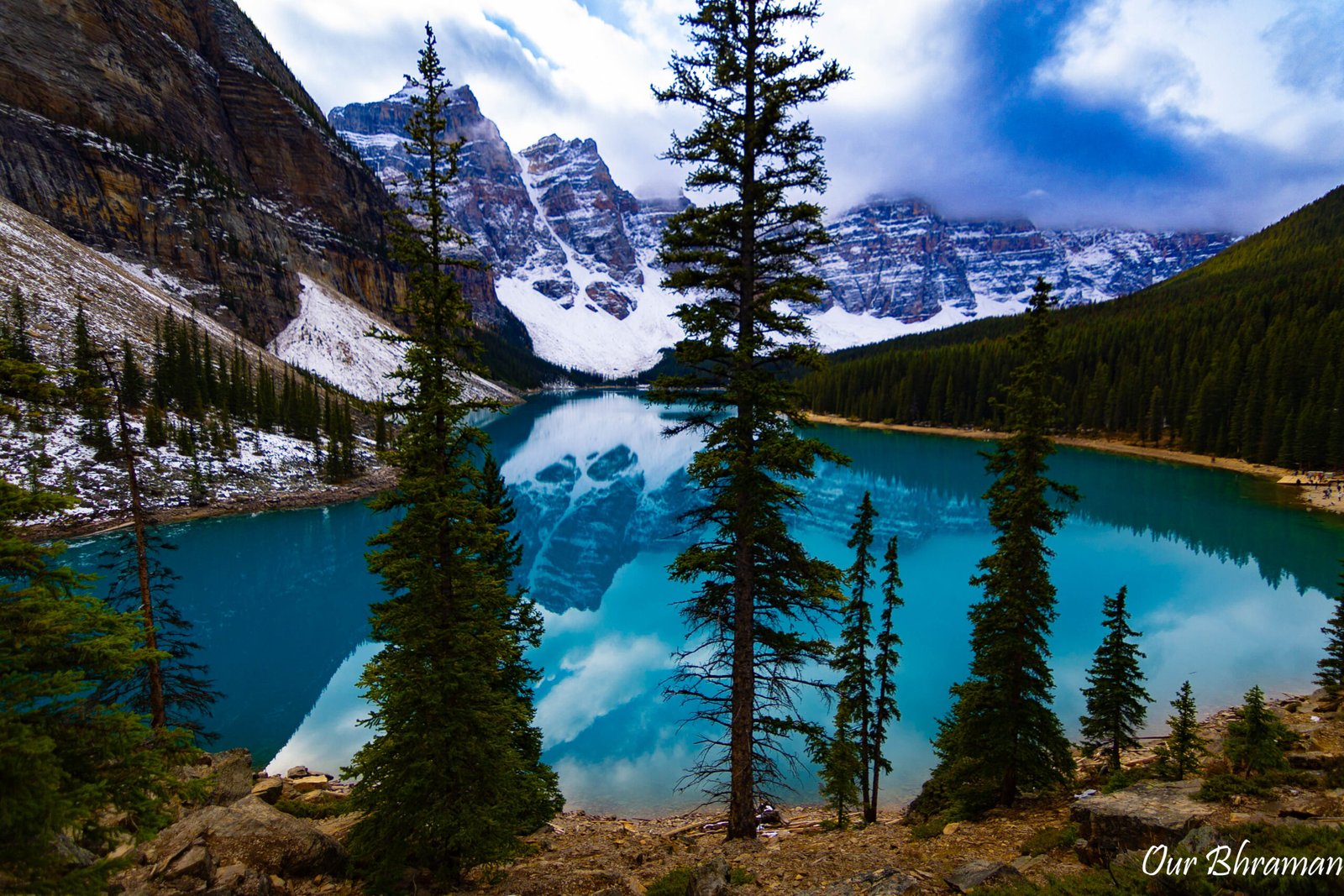
You don’t have to complete a strenuous hike to experience one of Banff’s most iconic views. The Rockpile Trail is a short, easy walk that climbs to the famous viewpoint overlooking Moraine Lake. It’s often called the “Twenty Dollar View” because the scene was featured on Canada’s former $20 banknote. The trail takes only about 30 minutes, but the view is enormous.
If you’re visiting Moraine Lake for sunrise, this should be one of your first stops.
5. Visit During Larch Season
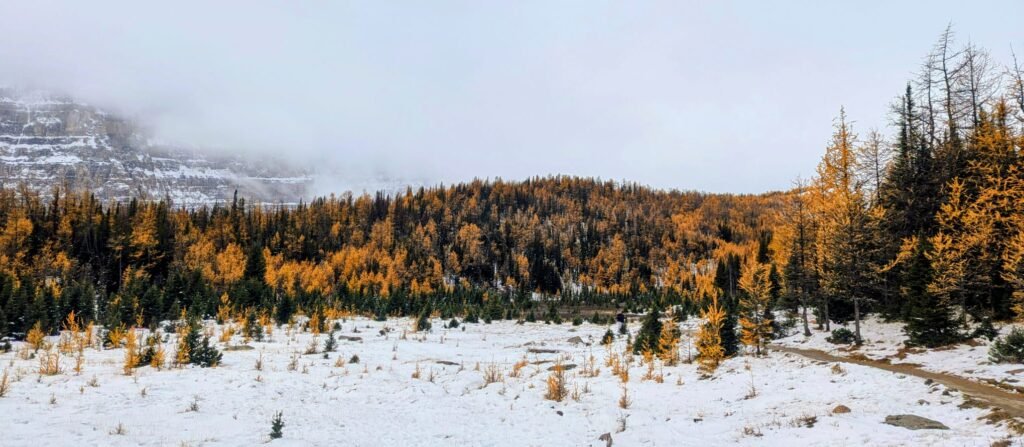
If you want to see Moraine Lake and Larch Valley at their most spectacular, consider visiting during larch season. For a brief period each fall, the alpine larch trees turn brilliant shades of yellow and gold before dropping their needles for winter. The golden trees against the snow-capped peaks of the Ten Peaks create one of the most beautiful landscapes in the Rockies. But there is a catch.
Larch season is incredibly popular.
If you want fewer people on the trail, start as early as possible and secure your shuttle in advance. And don’t count on a specific date for peak color. Weather conditions vary from year to year.
6. Be Prepared for Ice on Larch Valley
This one caught us off guard. We visited during larch season expecting a beautiful fall hike—and we certainly got that. What we didn’t expect was ice. As we gained elevation, portions of the trail became completely covered in ice. Some sections were so slippery that trying to walk directly up the trail was almost impossible. At times, we’d take one step forward and slide five feet backward. We eventually started detouring through the snowbanks along the side of the trail just to find enough traction to climb.
This was one hike where we really wished we’d packed microspikes or hiking poles. We noticed plenty of other hikers who had come prepared with traction devices and poles.
Our Tip
If you’re hiking Larch Valley later in the season, throw microspikes and hiking poles into your backpack. You might not need them. But if you encounter icy conditions, you’ll be incredibly happy you have them.
7. Don't Underestimate the Larch Valley Hike
Larch Valley may be rated moderate, but it’s still a substantial climb. The trail climbs approximately 570 meters (1,870 feet) over about 4.5 km (2.8 miles) one way. That’s nearly 9 km / 5.6 miles round trip just to reach Larch Valley and return. And that’s before adding any additional exploration.
Give yourself plenty of time. Bring water. Wear proper hiking shoes. And don’t rush the climb. There are plenty of places to stop and enjoy the scenery along the way.
8. Think Carefully Before Leaving Your Lake Louise Parking Spot
Lake Louise is another place where parking can become a challenge. If you’ve managed to secure a parking spot, think twice before leaving it. We learned this lesson during our own trip.
After returning from Moraine Lake and Larch Valley, we were exhausted. Our original plan was to drive back to the hotel and take a nap. But we knew that giving up our parking spot could mean coming back later and struggling to find another one. So we stayed. We reclined the seats and accidentally took a 20–30 minute nap in the car. It wasn’t exactly luxury accommodations, but it gave us the second wind we needed to keep exploring.
9. Don't Overlook the Lake Louise Lakeshore
Lake Louise has plenty of famous hiking trails, but you don’t have to climb a mountain to enjoy it.
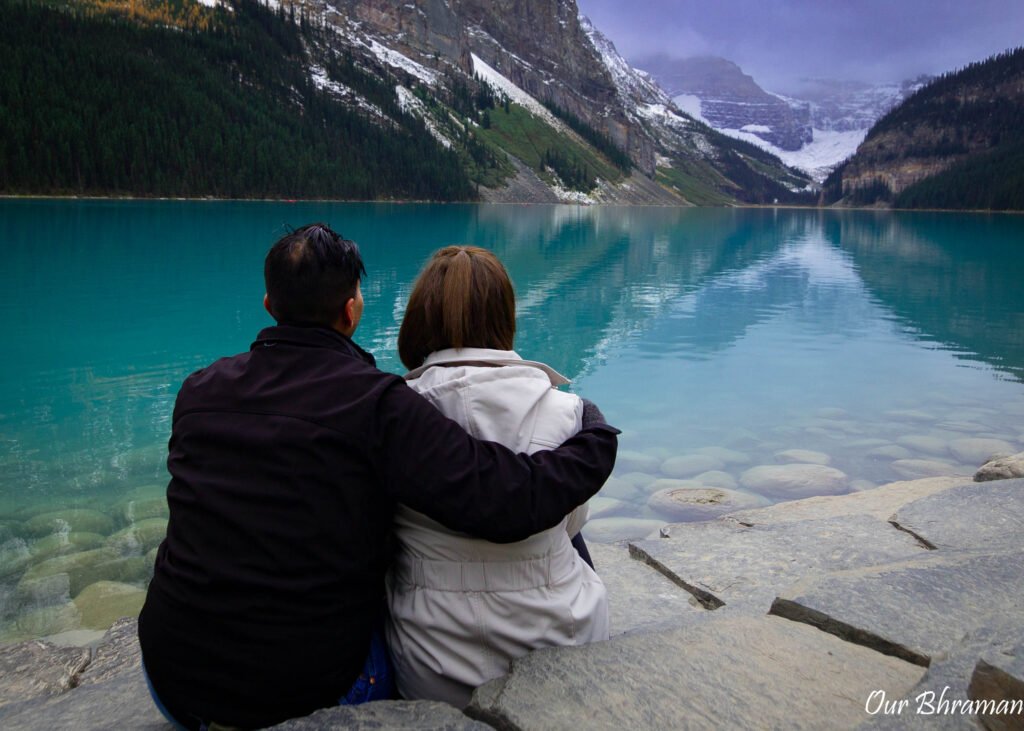
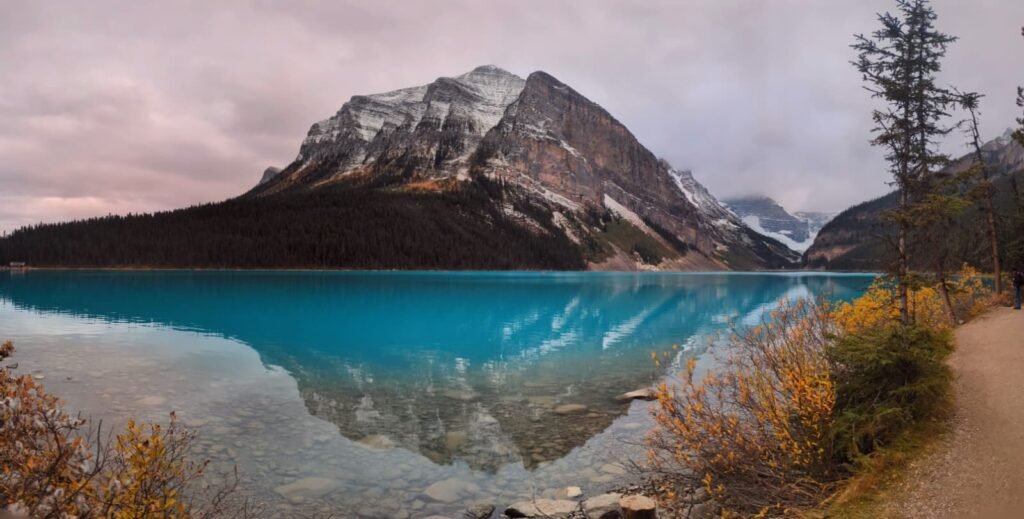
The Lake Louise Lakeshore Trail is relatively flat and follows the shoreline, offering spectacular views of the lake, surrounding mountains and Victoria Glacier. After spending hours climbing through Larch Valley, this was exactly what we needed.
We walked along the water, took photographs and eventually found a bench where we simply sat and enjoyed the scenery. Sometimes the best part of a trip is knowing when to stop hiking.
10. Mountain Weather Can Change Quickly
Don’t let a warm forecast in Banff fool you. Mountain weather can be dramatically different at higher elevations. You may start your morning in relatively comfortable conditions and encounter freezing temperatures, ice, snow or wind later in the day. Always pack layers.
We recommend carrying:
- Waterproof jacket
- Warm mid-layer
- Hat
- Gloves
- Extra socks
- Water
- Snacks
- Sunscreen
- Sunglasses
And if you’re hiking into the alpine, check current trail conditions before leaving.
11. Remember You're in Bear Country
Banff National Park is home to both black bears and grizzly bears. If you’re hiking, carry bear spray where it’s easily accessible and know how to use it before you need it. Make noise while hiking, particularly around blind corners or dense vegetation, and never approach wildlife. A wildlife sighting can be an incredible part of your Canadian Rockies experience—but it should always happen from a safe distance.
12. Bring the Right Camera Gear
If you’re a photographer, you’re going to want more than your phone.
For Moraine Lake, we’d recommend:
Wide-angle lens:
Perfect for capturing the entire lake and Ten Peaks.
Telephoto lens:
Great for isolating individual mountain peaks and compressing the landscape.
Tripod:
Especially useful for blue hour and sunrise photography.
Extra batteries:
Cold temperatures can drain batteries quickly.
And don’t forget a lens cloth. You’re likely to encounter mist, condensation or water near the lakes.
13. Bring Your Own Food
If you’re planning an early-morning shuttle and a full day of hiking, don’t rely on finding food along the way.
Our day started at 3:30 AM.
At that hour, there weren’t exactly a lot of breakfast options available.
Pack:
- Breakfast
- Sandwiches
- Protein bars
- Fruit
- Trail mix
- Plenty of water
Having food in your backpack also means you don’t have to cut a hike short just because you’re hungry.
14. Start Earlier Than You Think
This might be our biggest overall Banff tip.
Start early. Early mornings help with:
- Crowds
- Photography
- Parking
- Shuttle availability
- Wildlife viewing
- Cooler temperatures
- Overall trail experience
And there is something special about watching the Rockies wake up.
Our 3:30 AM start wasn’t easy. But standing on the Rockpile as the first light illuminated Moraine Lake is something we’ll remember for a very long time.
15. Don't Try to Do Everything
Banff has an almost endless list of trails, lakes and viewpoints. It’s tempting to pack your itinerary.
Don’t.
Give yourself time to actually experience the places you’re visiting.
On our day, we managed Moraine Lake, Rockpile, Larch Valley and Lake Louise—but by the end, we’d hiked more than 15 miles and gained approximately 2,000 feet of elevation. We were exhausted.
If you want a more relaxed day, choose one major hike and leave time for exploring and enjoying the lakes.
Our Perfect Lake Louise + Moraine Lake Strategy
If we were planning this day again, we’d do it almost exactly the same way:
3:30 AM — Wake up
Early morning — Alpine Start shuttle to Moraine Lake
Before sunrise — Rockpile Trail
Sunrise — Photograph Moraine Lake & Ten Peaks
Morning — Larch Valley hike
Afternoon — Return to Lake Louise
Late afternoon — Lake Louise Lakeshore Trail
Evening — Sit beside the lake and enjoy the view
It’s a long day. It’s an exhausting day. But it’s also the kind of day that makes you understand why people travel from around the world to experience Banff National Park.
Final Thoughts
Lake Louise and Moraine Lake may be two of the most photographed places in Canada, but there’s a reason they became famous in the first place. They’re breathtaking.
Just remember that experiencing them isn’t always as simple as arriving at a parking lot and walking to the viewpoint.
Plan your transportation. Start early. Pack layers. Prepare for changing trail conditions. Bring traction for fall hiking. And give yourself enough time to actually enjoy the scenery.
Because when you’re standing beside a turquoise alpine lake surrounded by some of the most dramatic mountains on earth, you don’t want to be worrying about whether you planned enough time.
You want to stop.
Look around.
And realize you’re finally standing in the place you’ve seen in photographs for years.