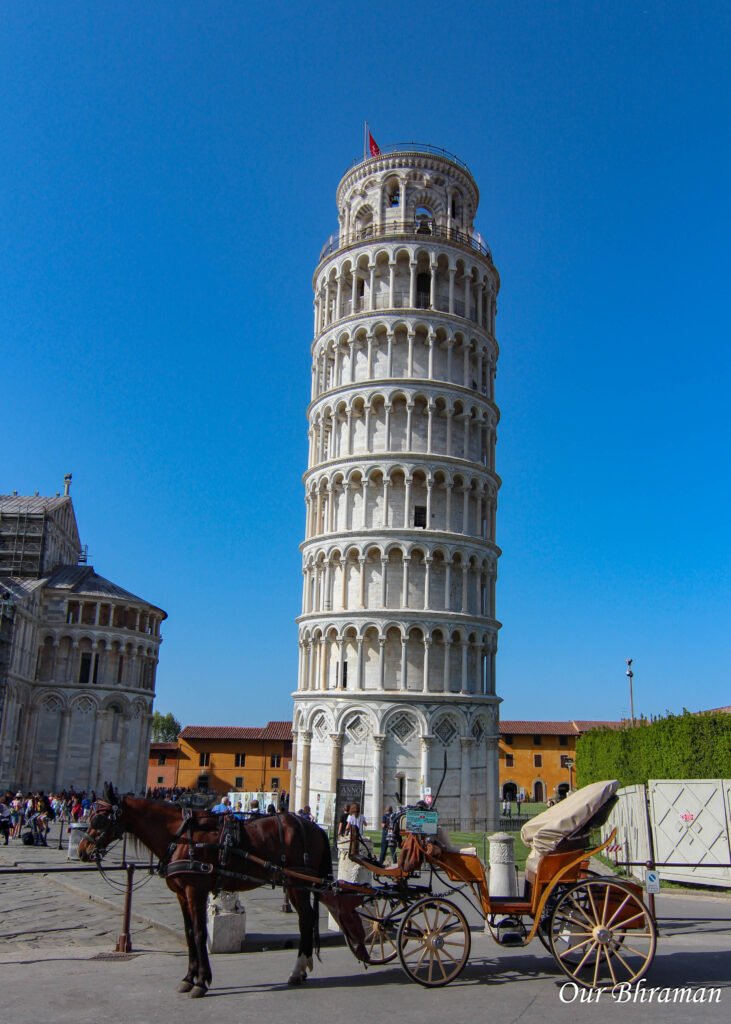
“Is Pisa really worth visiting, or is it simply a quick stop for that famous photo?”
That was the question we found ourselves asking as we planned the next leg of our Italian adventure.
After soaking in the breathtaking coastal scenery of the Amalfi Coast, it was time to head north. We caught an early morning train from Amalfi (via Salerno) to Pisa, taking advantage of Italy’s excellent rail network. The journey itself became part of the adventure, carrying us from dramatic seaside cliffs to the rolling landscapes of Tuscany.
Since Pisa was a stopover before spending the night in Florence, we wanted to make the most of our limited time without hauling suitcases through the city’s streets. As soon as we arrived at Pisa Centrale Station, we stored our luggage in the secure lockers, leaving us free to explore with nothing more than our cameras and a daypack.
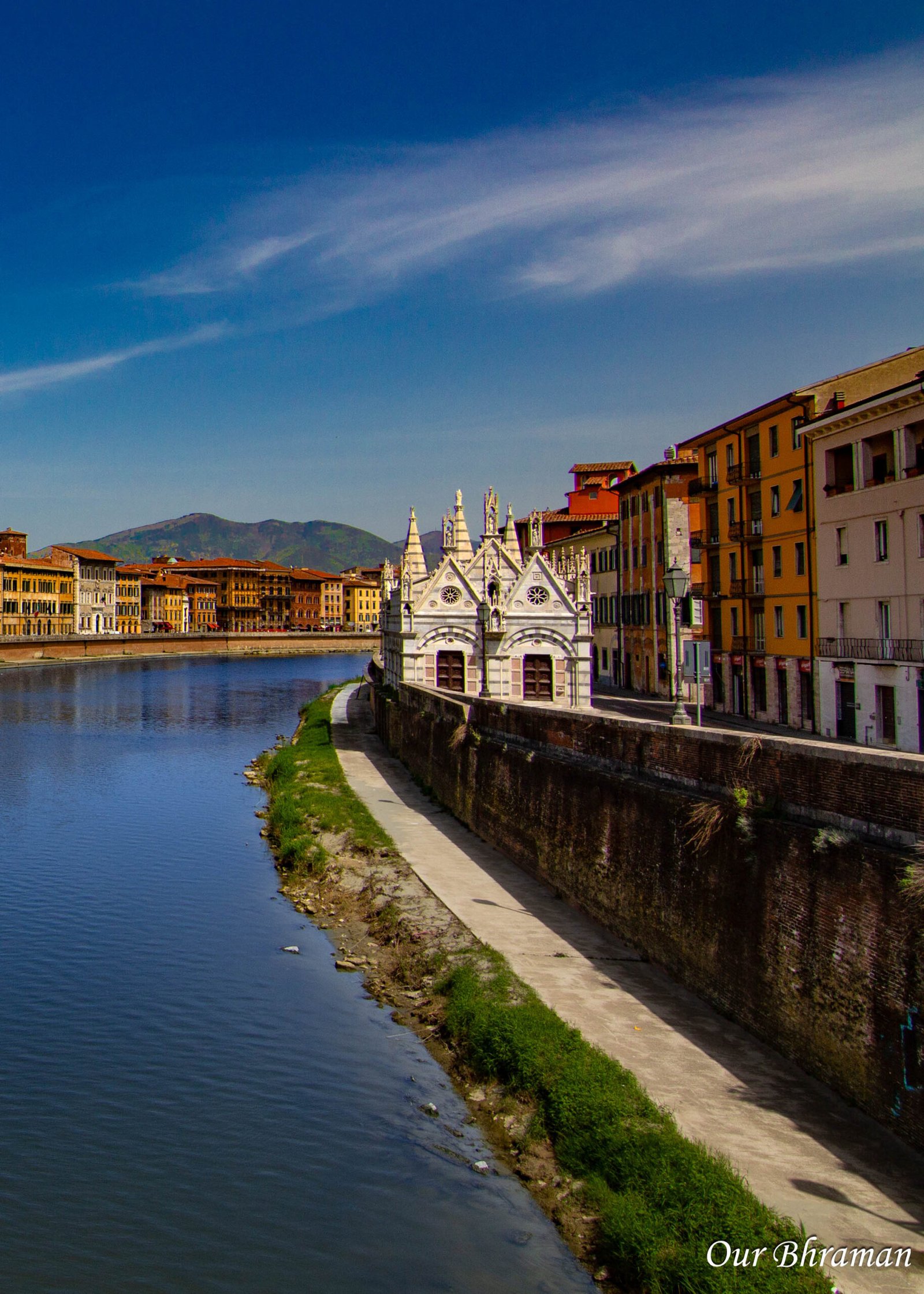
With our bags safely tucked away, we began the pleasant walk toward one of the world’s most recognizable landmarks—the Leaning Tower of Pisa. Along the way, we wondered whether Pisa would prove to be more than just a famous photo opportunity or if the city had surprises waiting beyond its iconic tower.
Then, almost without warning, the magnificent white marble monuments of the Square of Miracles appeared before us. The contrast between the bright marble buildings and the perfectly manicured green lawns was stunning. Seeing the Leaning Tower for the first time was one of those travel moments that instantly brings a smile to your face.
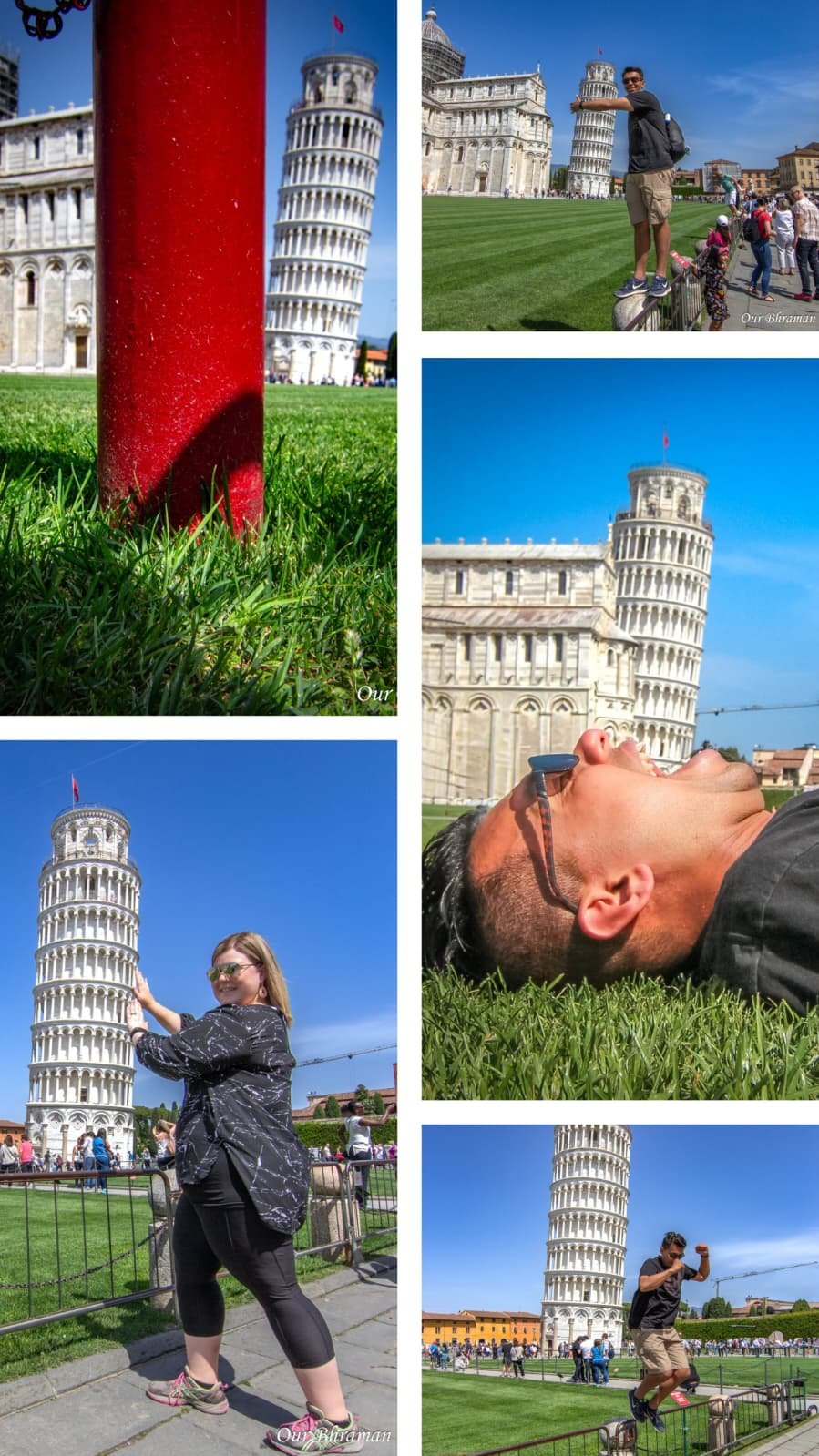
And yes… just like everyone else, we couldn’t resist taking the classic “holding up the tower” photos. It only takes a few minutes, but watching visitors from around the world trying to line up the perfect perspective was almost as entertaining as the tower itself.
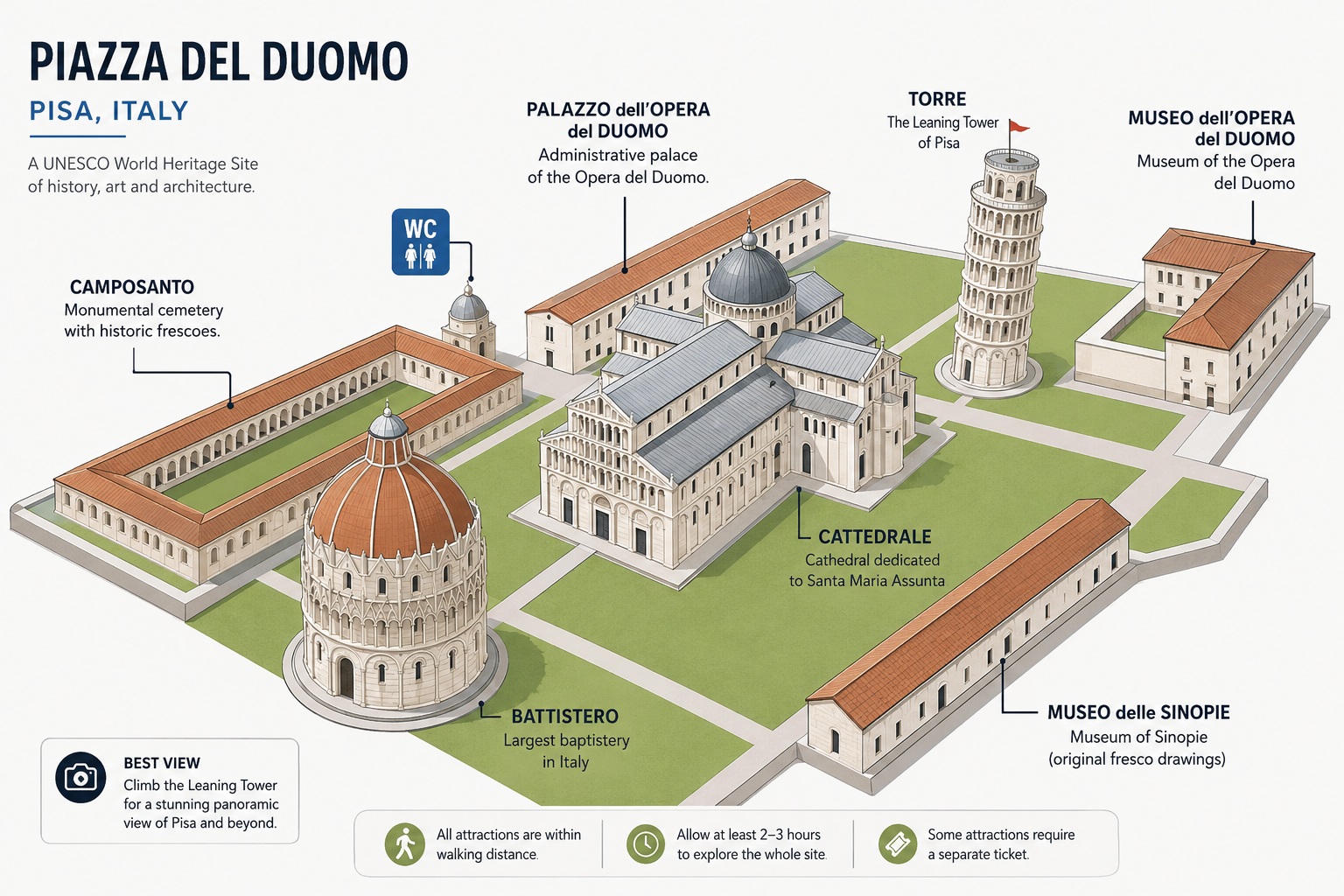
While the Leaning Tower is the main attraction, it is only one part of the spectacular Duomo Complex, which also includes the magnificent Cathedral of Santa Maria Assunta, the Baptistery of St. John, the historic Camposanto Monumentale, and two museums preserving centuries of Pisa’s rich history. You could easily spend two to three hours exploring the entire complex, but with limited time, we decided to focus on the Cathedral and the Baptistery while admiring the Leaning Tower from every angle.
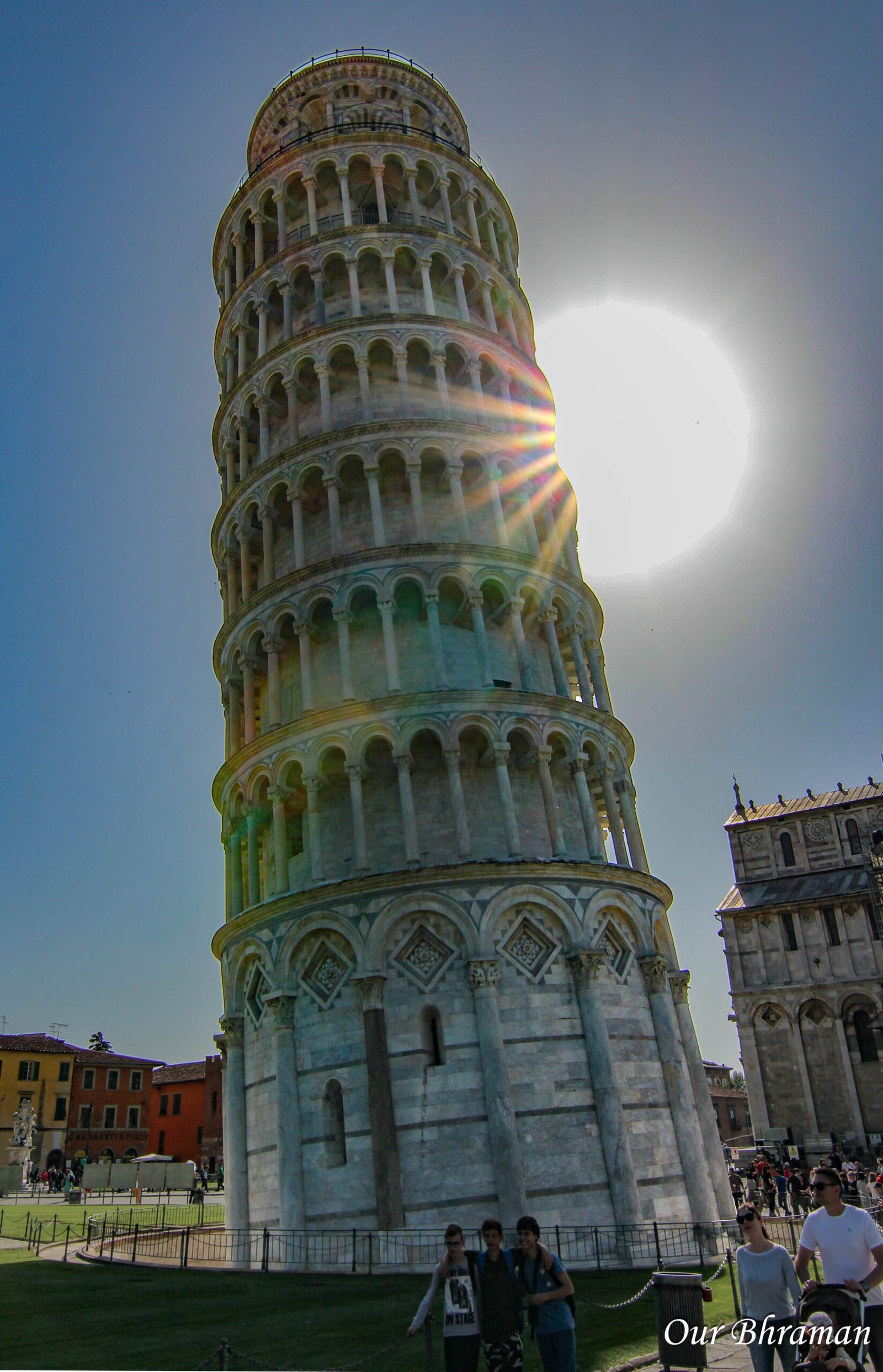
As we wandered through the grounds, we stopped to read the information panels explaining the fascinating story behind the tower’s famous tilt. Construction began in 1173, but by the time builders reached the third floor, the tower had already started leaning because its shallow foundation rested on unstable layers of clay, sand, and silt. Rather than abandoning the project, construction continued for nearly two centuries, with builders subtly adjusting the upper levels in an attempt to counterbalance the lean. If you look closely today, you can actually see that the tower has a slight curve rather than being perfectly straight—a lasting reminder of the medieval engineers’ efforts to save their masterpiece.
The story didn’t end there. Over the centuries, the Leaning Tower continued to tilt a little more each year, raising fears that one of Italy’s most iconic landmarks might eventually collapse. Between 1990 and 2001, engineers carried out one of the world’s most ambitious preservation projects. By carefully removing soil beneath the higher side of the foundation and reinforcing the structure, they reduced the lean by about 40 centimeters (16 inches). According to the information displayed throughout the site, these efforts are expected to keep the tower stable for at least the next few hundred years. Standing there, it was incredible to think that what started as a construction mistake had become one of the world’s most celebrated architectural wonders.
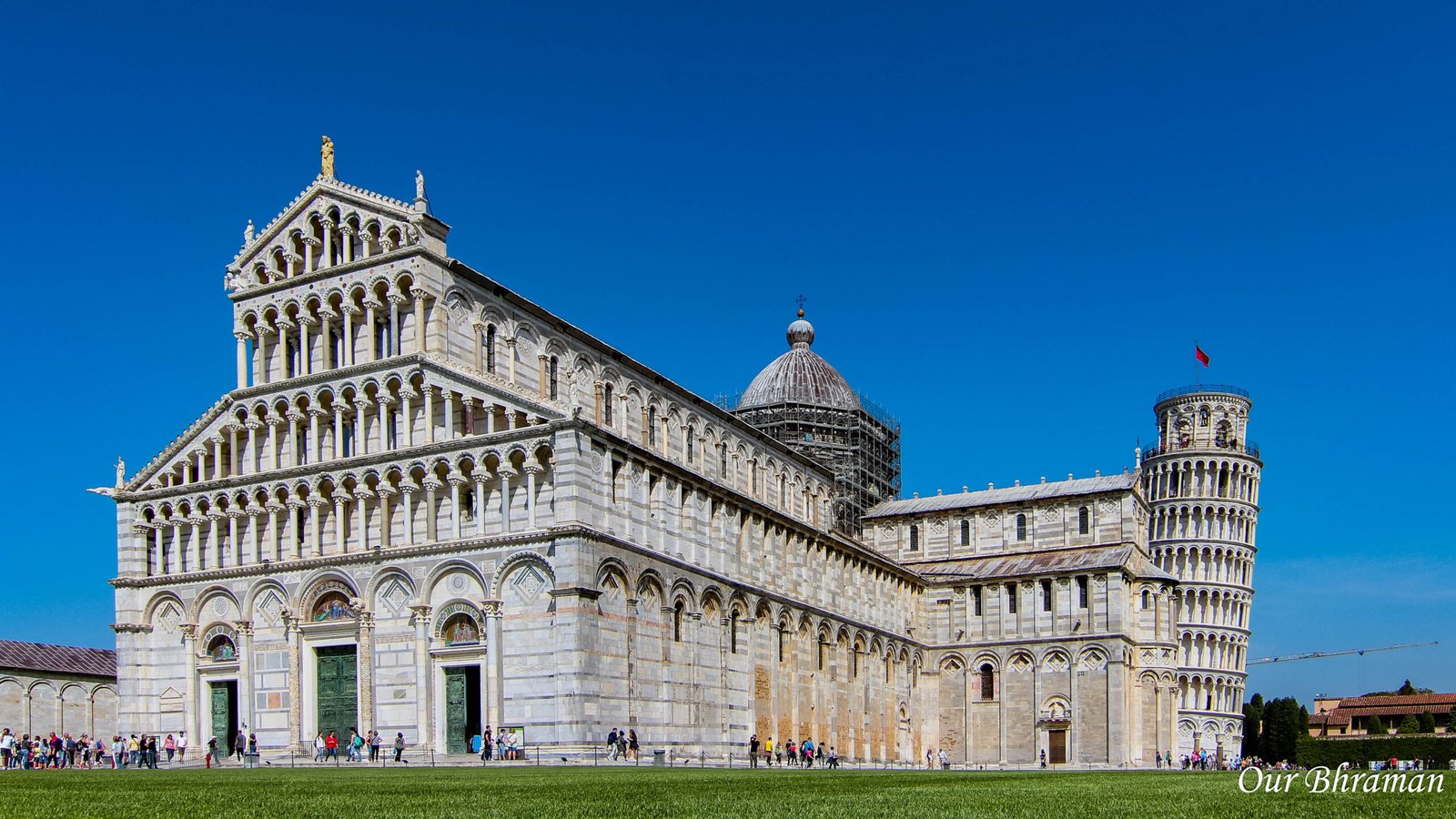
The Pisa Baptistery turned out to be one of the highlights of our visit. Standing 54.86 meters (180 feet) tall, it is the largest baptistery in Italy and even rises slightly higher than the adjacent Leaning Tower. Its beautiful circular design, built from brilliant white marble, blends Romanesque and Gothic architecture into one impressive structure.
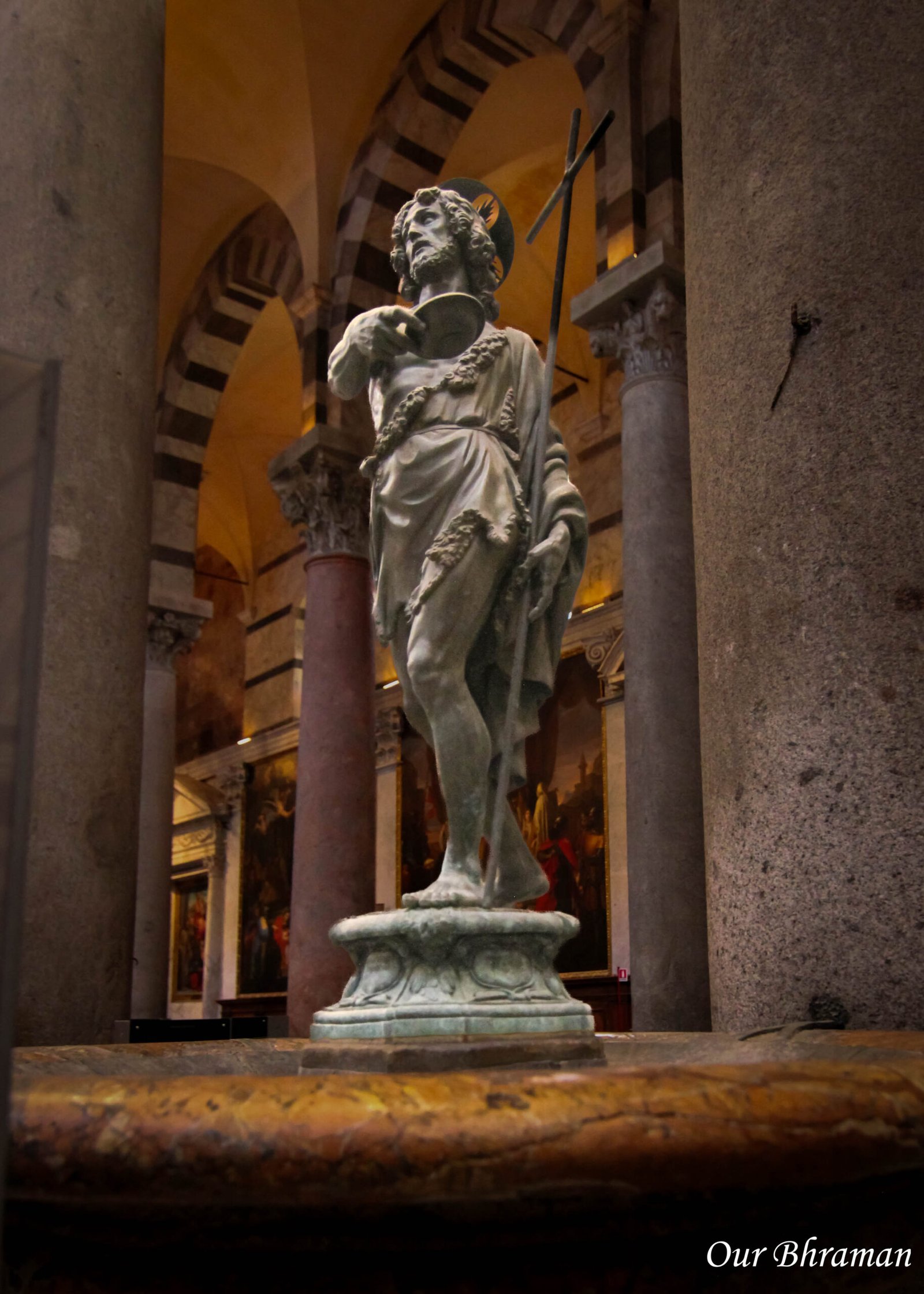
Stepping inside, the atmosphere changed instantly. The noise of the busy square faded away, replaced by a peaceful silence beneath the enormous domed ceiling. The spacious interior, simple yet elegant, invited us to slow down and appreciate the incredible craftsmanship of the 12th-century builders.
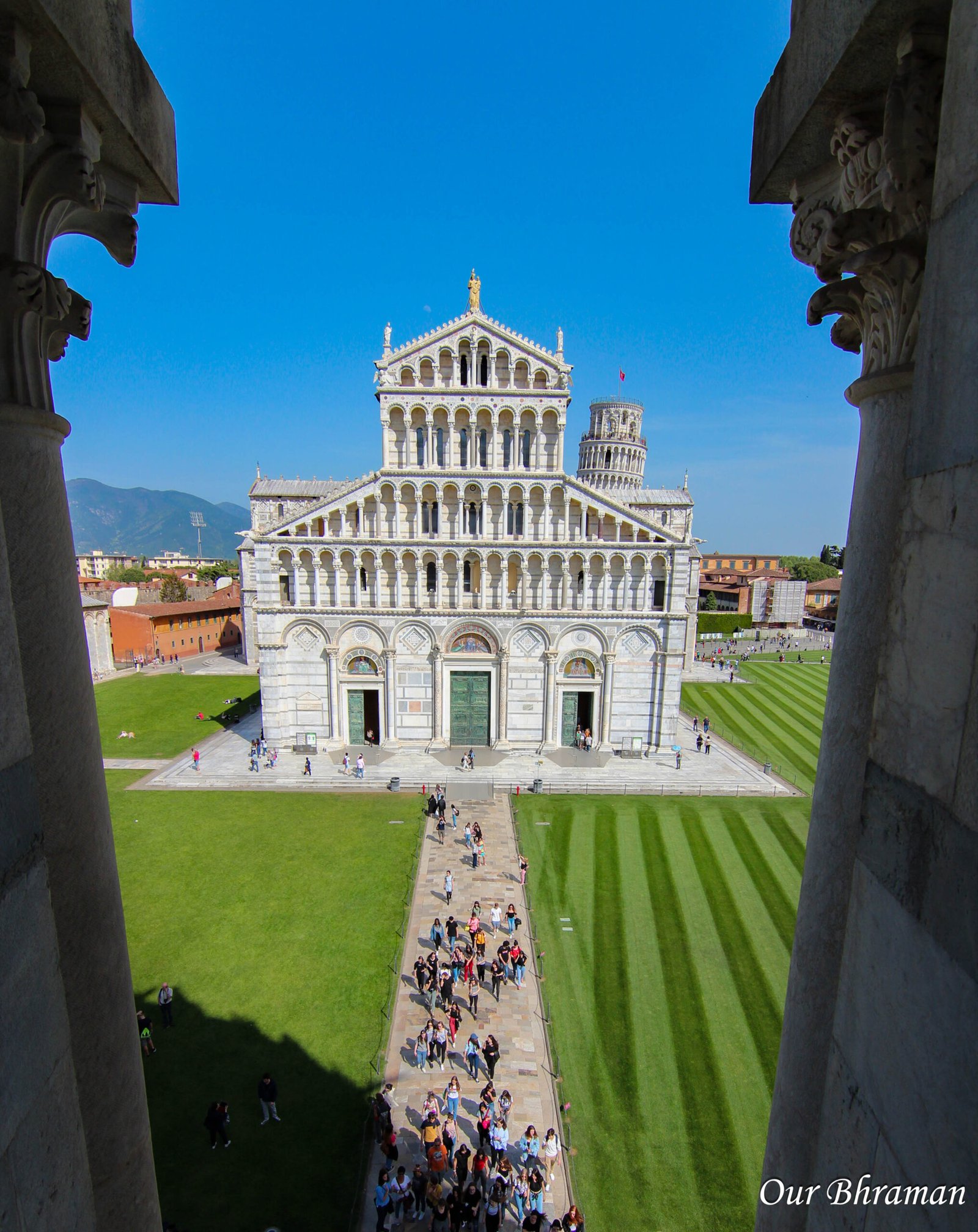
One of the most memorable moments was experiencing the baptistery’s famous acoustics. The building’s unique design creates a natural echo that fills the entire space with beautiful harmonies. Even hearing a few notes resonate beneath the dome was enough to leave us amazed. Before leaving, we climbed to the upper gallery, where we were rewarded with panoramic views across the Square of Miracles. Looking down at the Leaning Tower, Cathedral, and surrounding monuments from above gave us a completely different perspective and made us appreciate just how remarkable this UNESCO World Heritage Site truly is.
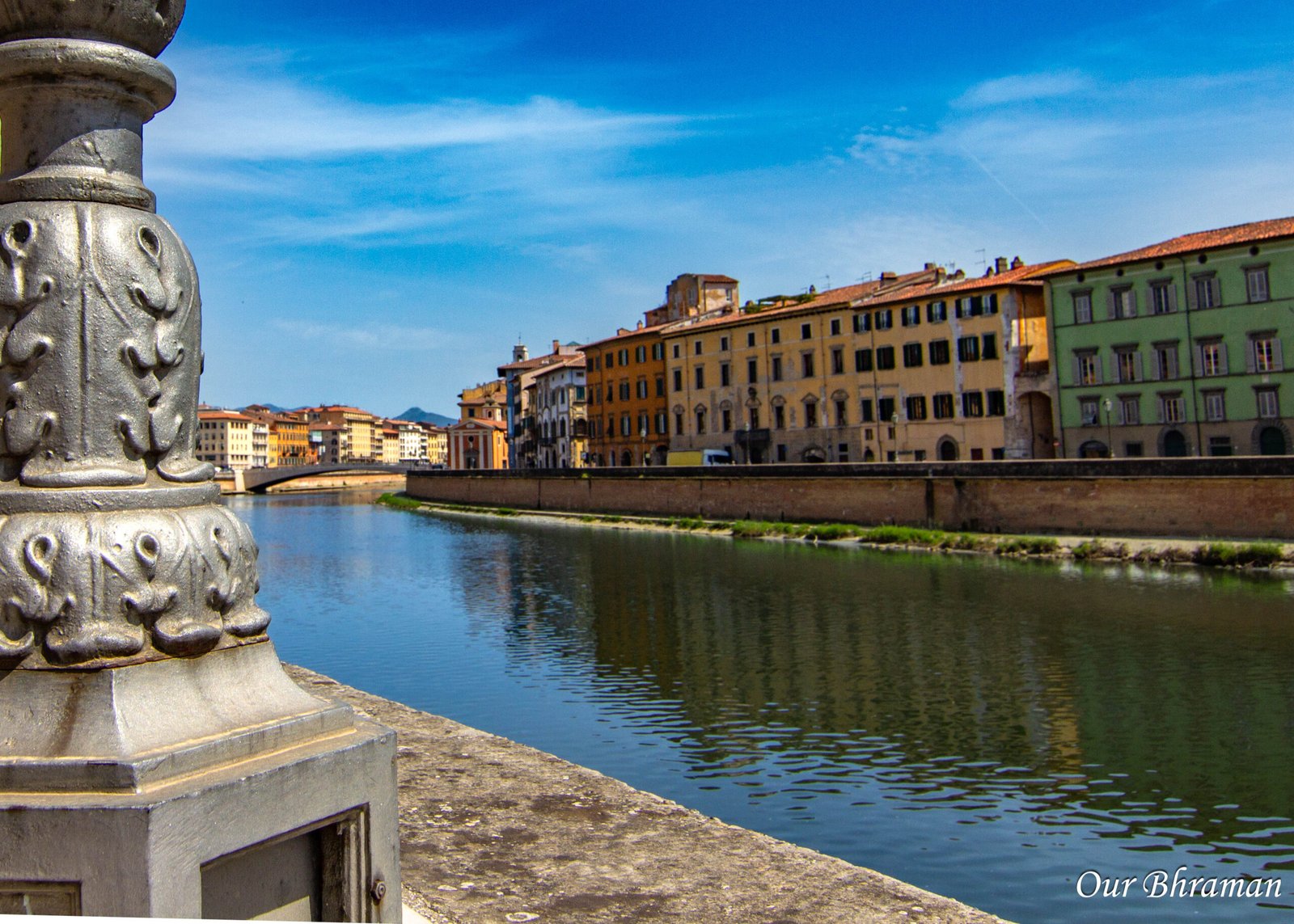
As the afternoon came to an end, we walked back through the city, collected our luggage from the station lockers, and boarded the train to Florence, where we would spend the next few days exploring the heart of Tuscany.
Looking back, Pisa was much more than a quick stop to photograph a famous leaning tower. It was a chance to learn the fascinating story behind one of the world’s most recognizable landmarks, admire centuries of remarkable architecture, and enjoy the relaxed pace of a city that many travelers overlook.