Watching Murano’s legendary glassmakers at work was at the top of our Venice bucket list.
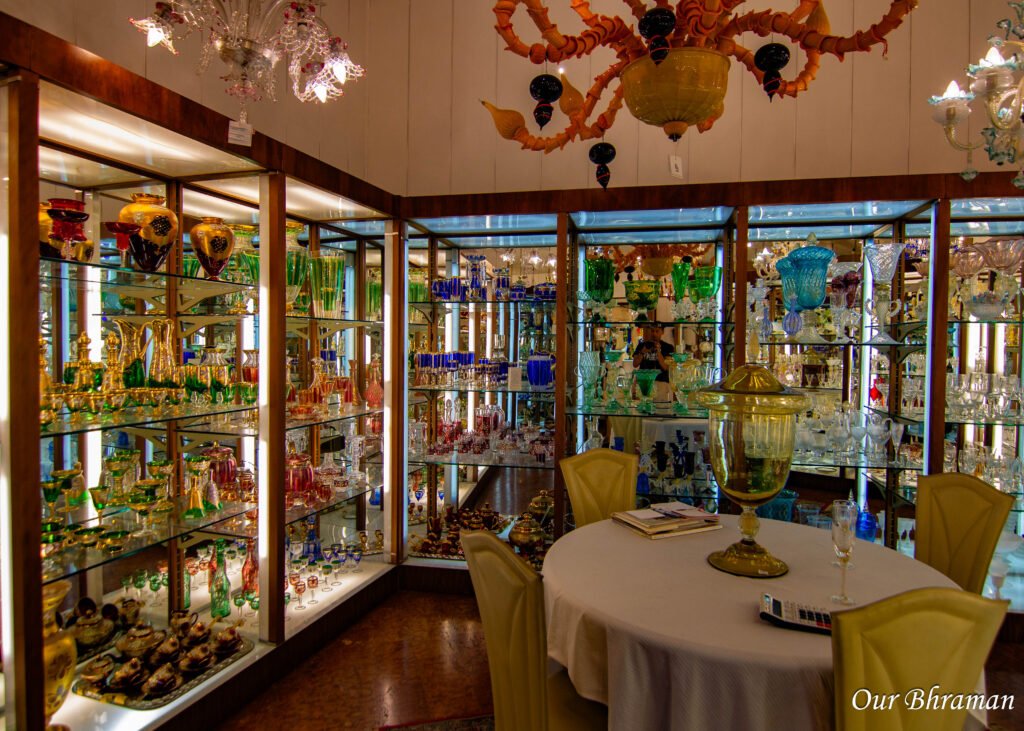
After a short ferry ride across the Venetian Lagoon, we arrived on the island eager to experience one of Italy’s oldest traditions. Murano has been the heart of Venetian glassmaking since 1291, when Venice ordered all glass furnaces to move to the island to reduce the risk of devastating fires in the city. Over the centuries, Murano’s master artisans perfected techniques for creating crystal-clear glass, elaborate chandeliers, mirrors, and delicate sculptures, earning the island a worldwide reputation for craftsmanship.
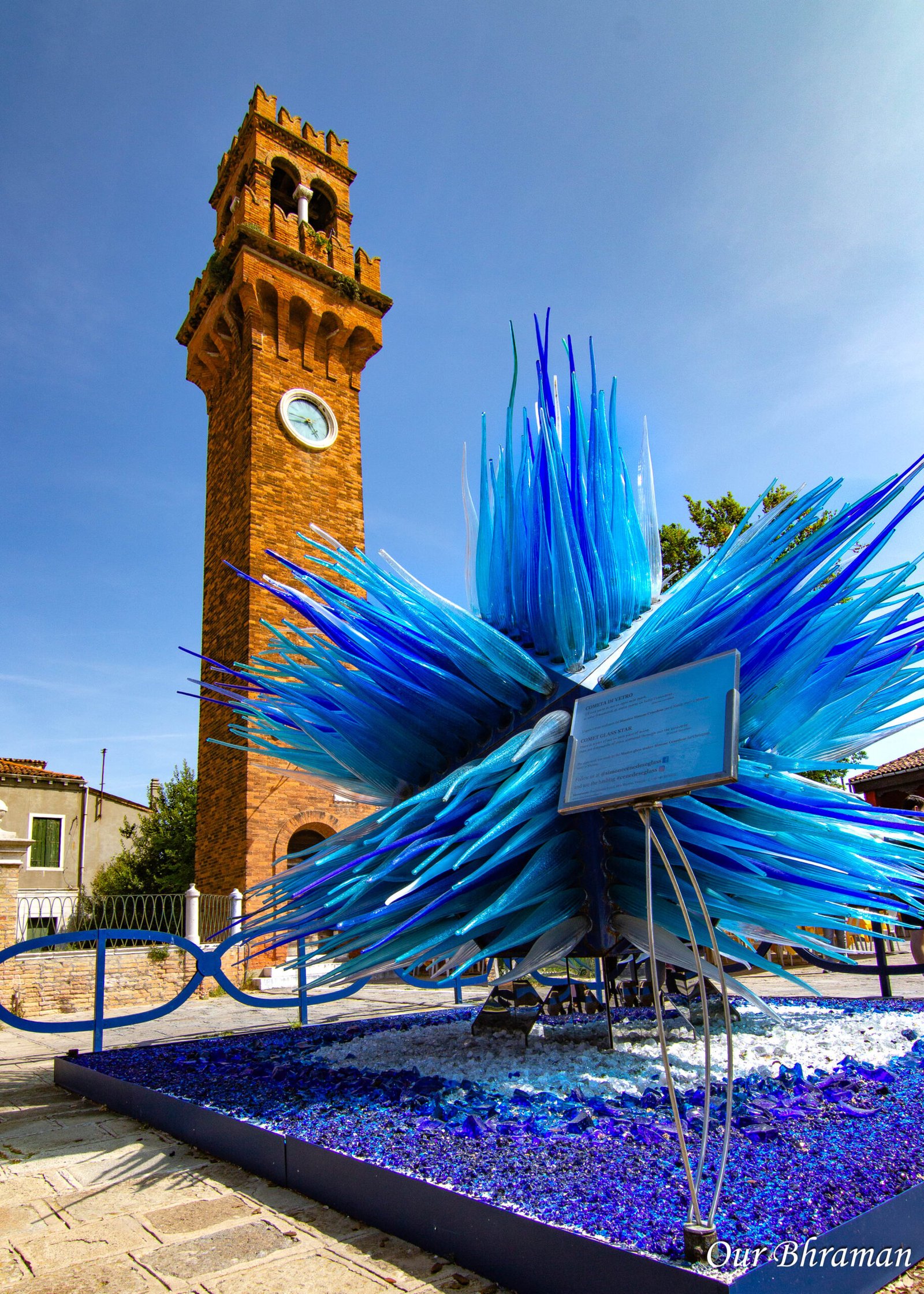 As we wandered through Murano’s charming canals and colorful streets, reminders of that legacy were everywhere. One of our favorites was the striking blue glass comet, Natale di luce in una cometa di vetro, created by master glass artist Simone Cenedese. Standing proudly in Campo Santo Stefano beside the historic clock tower, the sculpture beautifully symbolizes how Murano continues to blend centuries-old traditions with modern artistic expression.
We continued searching for a working glass factory, only to discover that most of the “glass factories” were actually elegant retail galleries. Even the Museum of Glass focused more on the fascinating history of the craft than live demonstrations. Just as we were about to give up, a friendly museum employee smiled and pointed us toward the lighthouse.
“You’ll find what you’re looking for,” she said.
She was right. A few minutes later, we found a small workshop where the next glassblowing demonstration was about to begin. Admission was €10 per person and included a voucher of the same value to use toward any purchase in the gallery. With only eight people in attendance, the experience felt personal and almost like a private performance.
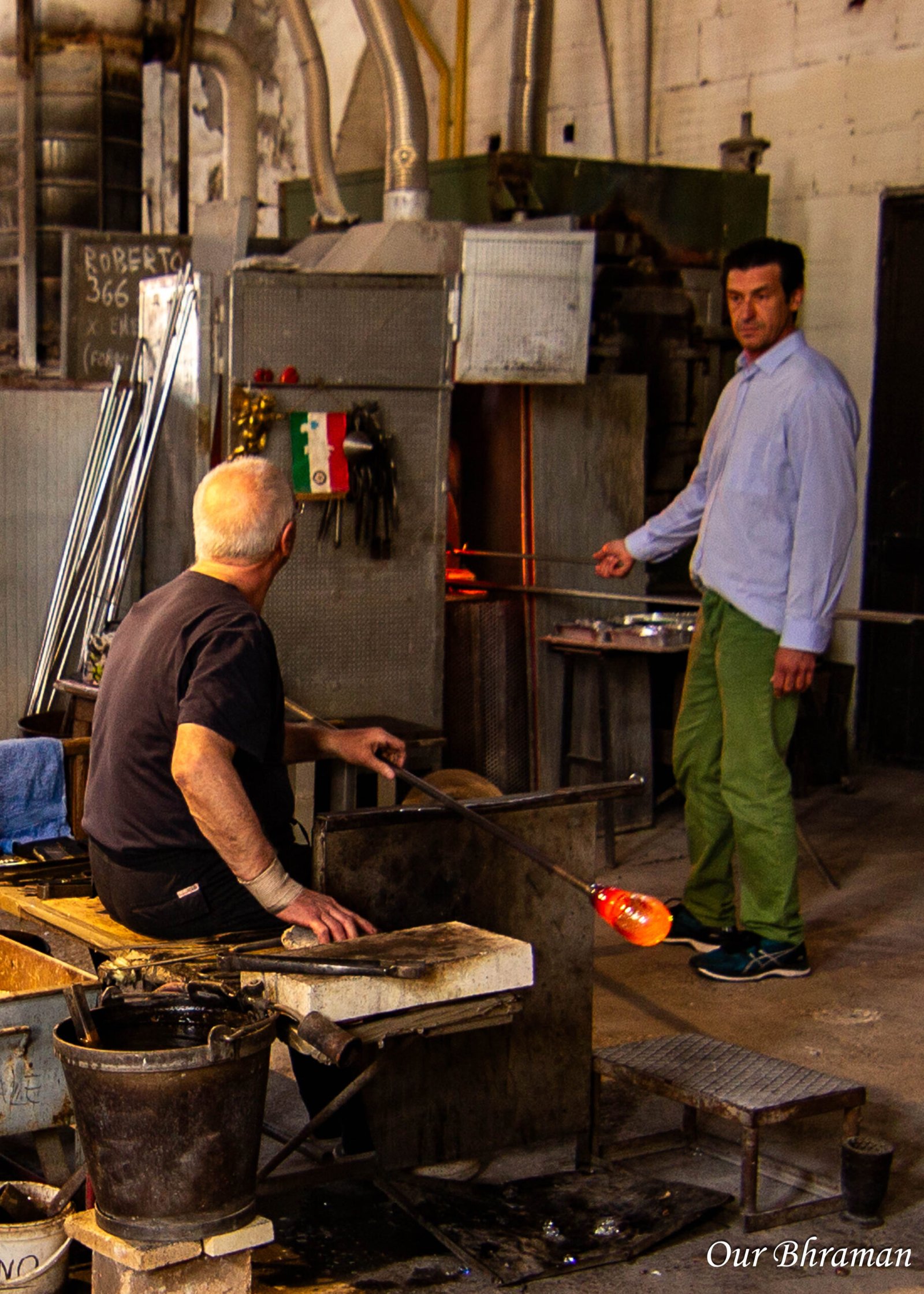
As the furnace glowed at temperatures of over 2,000°F (1,100°C), the master glassmaker gathered a glowing blob of molten glass onto the end of a long steel blowpipe. With a series of practiced movements—rolling, blowing, shaping with wooden blocks and metal tools, and reheating the glass whenever it began to cool—he transformed the molten glass into an elegant vase. Moments later, another glowing gather became a beautifully sculpted horse. It was incredible to watch something so delicate emerge from what looked like a fiery ball of liquid.
What impressed us most wasn’t just the speed—it was the precision. Every movement was deliberate, reflecting techniques that have been passed down from one generation of Murano artisans to the next for more than 700 years.
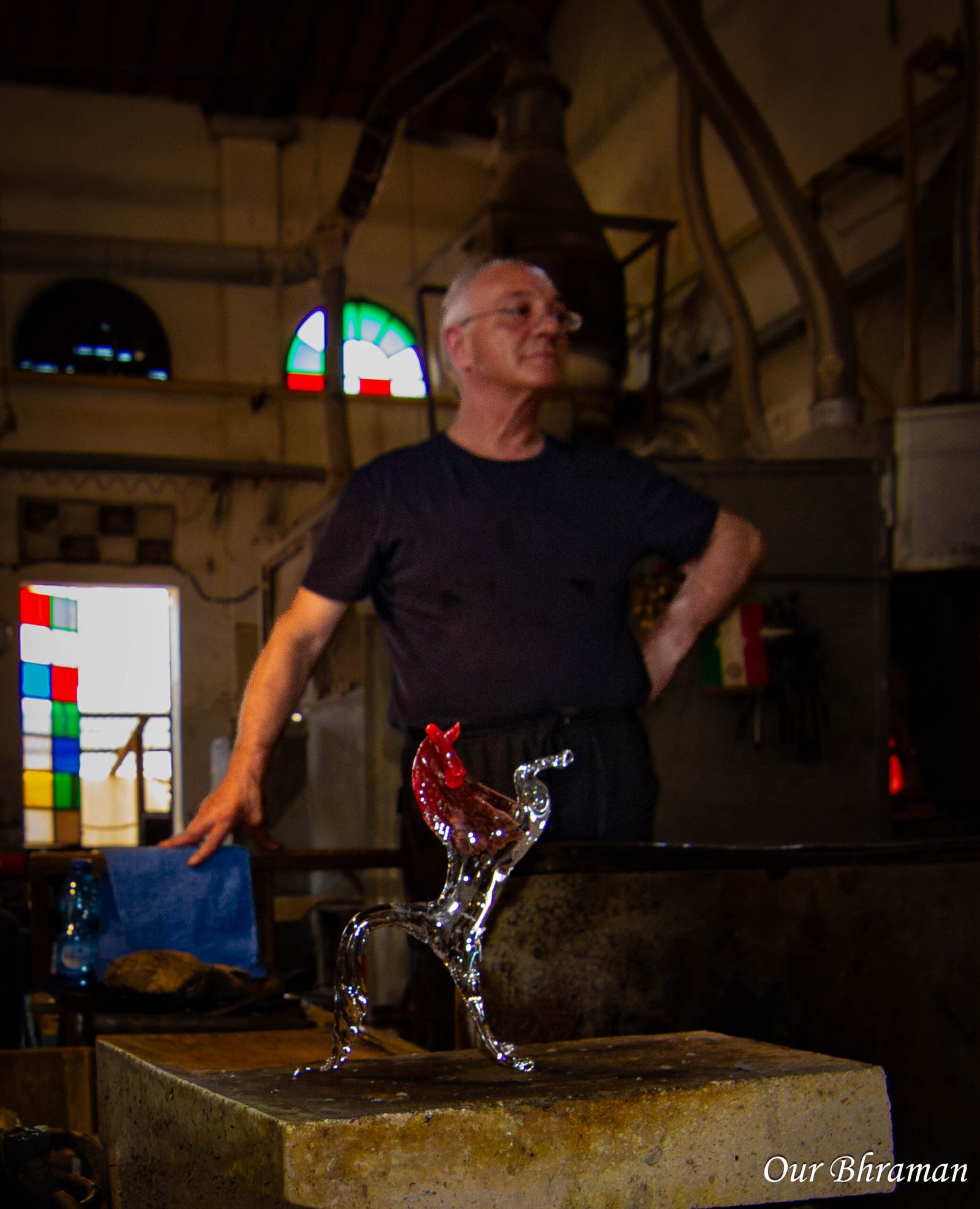 One part of the presentation was especially memorable. The presenter explained that Murano’s centuries-old glassmaking tradition faces an uncertain future as fewer young people choose to learn the demanding craft. Hearing that made us appreciate the demonstration even more—it wasn’t just entertainment, but a chance to witness a living tradition that could become increasingly rare.
Before leaving, we combined our vouchers and picked out two small handcrafted glass pieces worth €20. We don’t usually collect souvenirs, but this one felt different. It wasn’t just a keepsake—it was a small piece of Murano’s remarkable history and a reminder of the incredible craftsmanship we were lucky enough to witness.
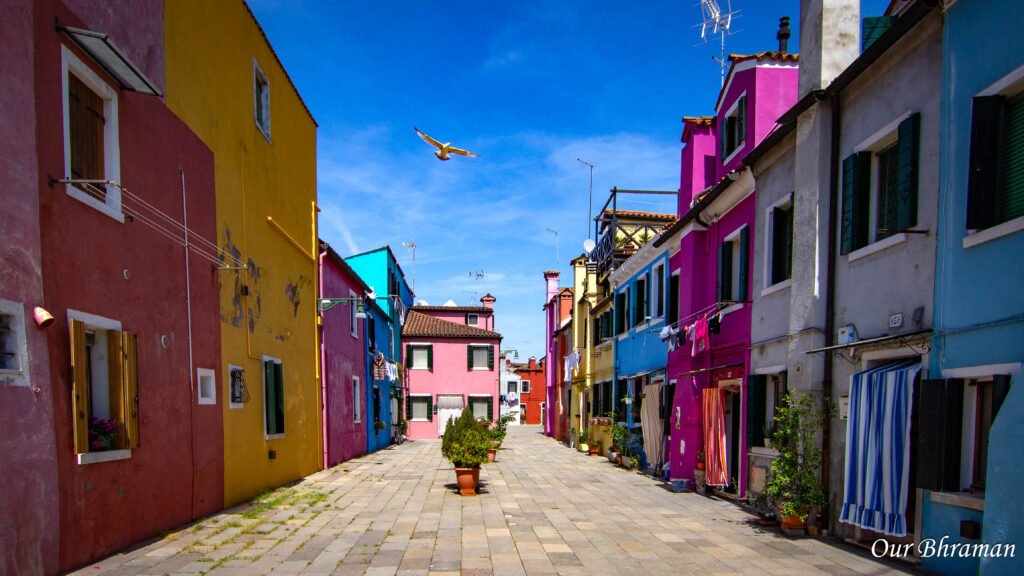
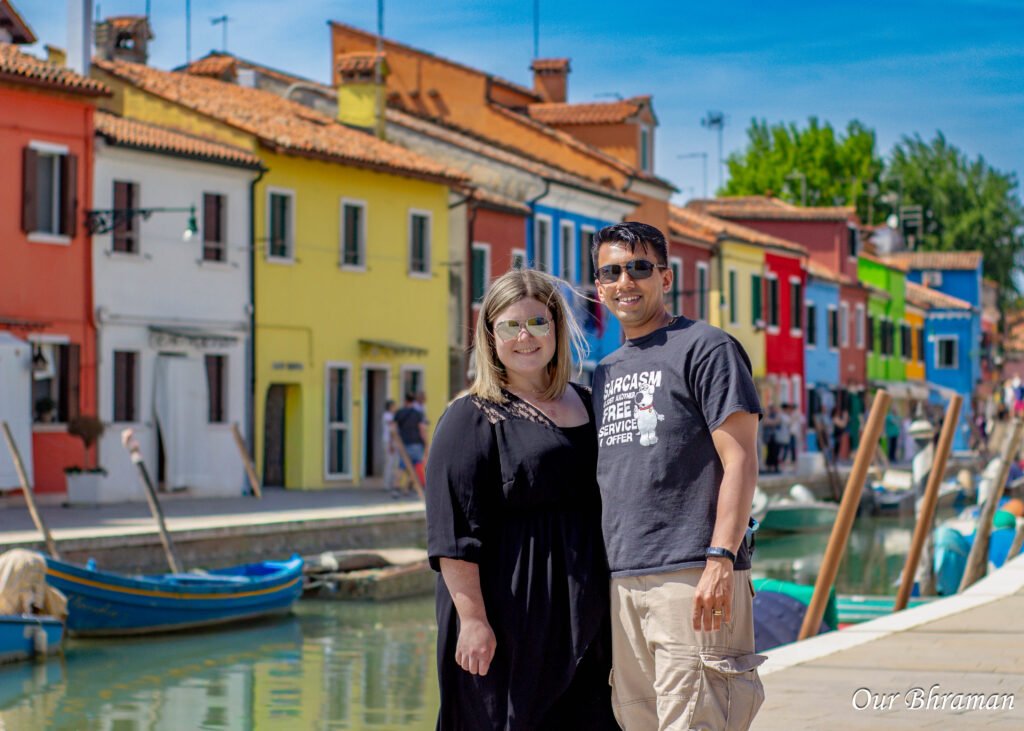
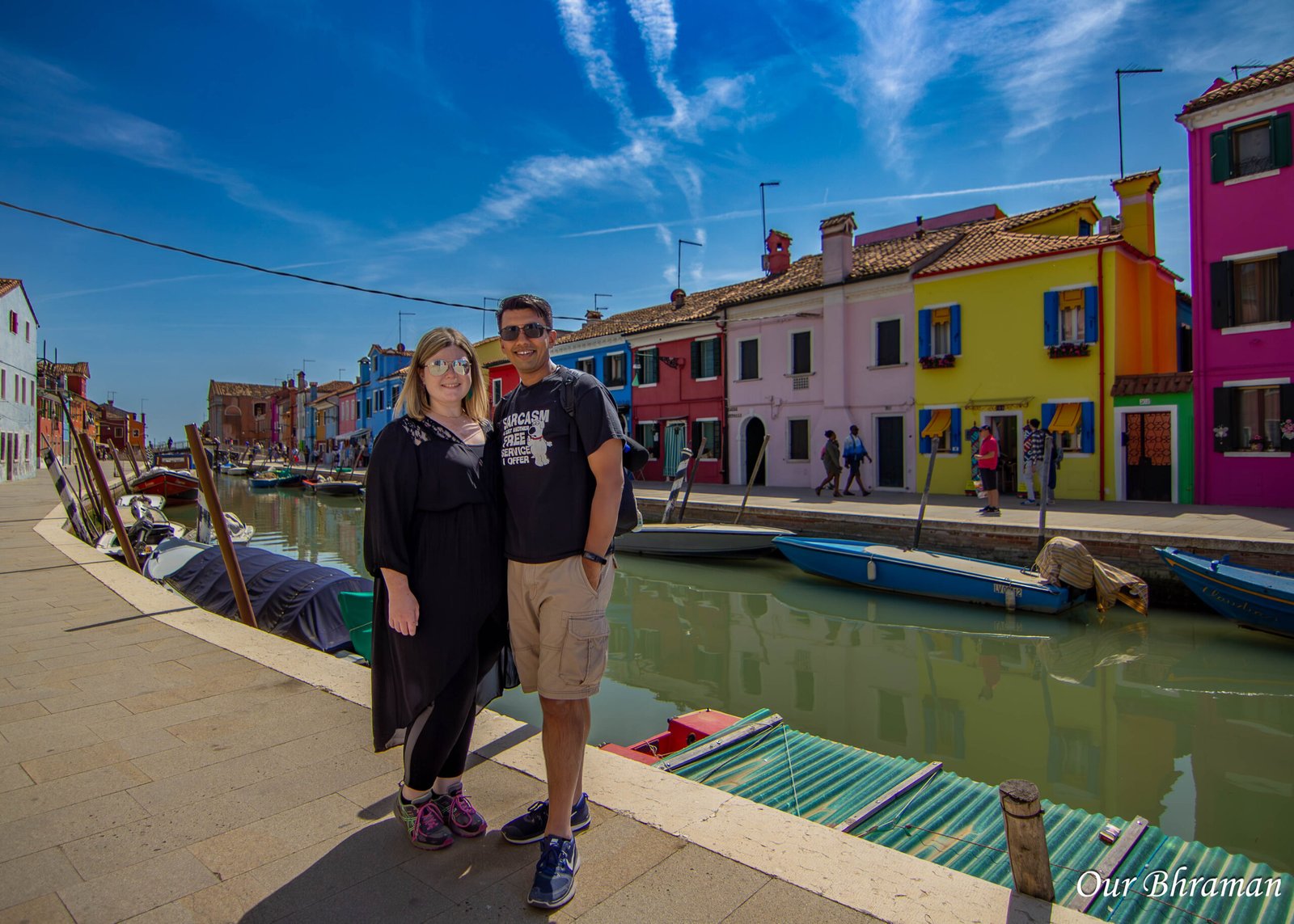
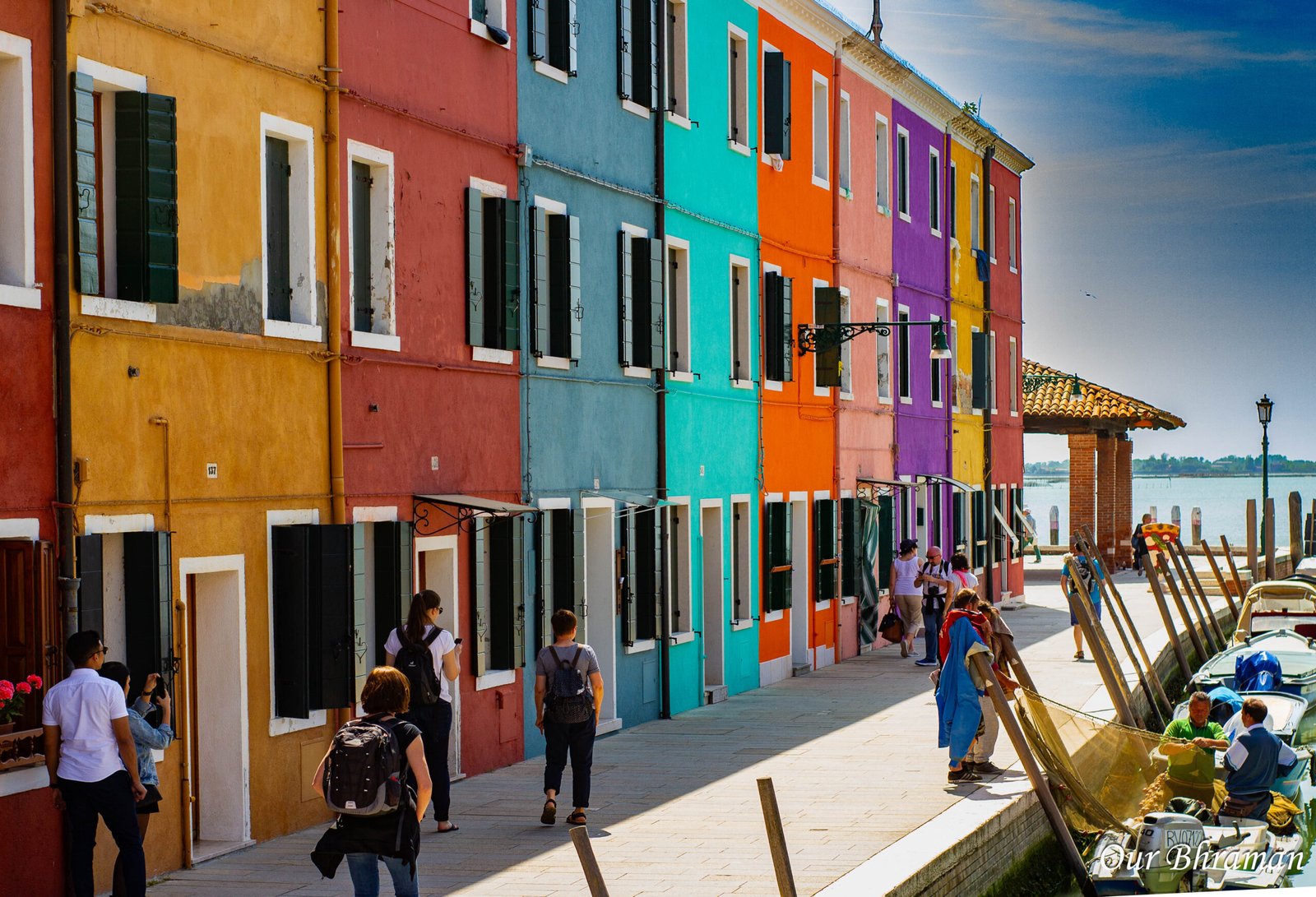
After spending a couple of hours exploring Murano, we hopped back on the vaporetto and made our way to what many consider the most colorful island in Italy—Burano. The moment we stepped off the ferry, it felt as though we had walked into a painting. Every house along the canals was painted a different vibrant color, from bright blues and cheerful yellows to vivid reds, emerald greens, and soft pinks, creating a picture-perfect scene in every direction.
 The colorful homes aren’t just for show. According to local tradition, Burano’s fishermen painted their houses in bold colors so they could easily recognize them while returning home through the thick fog that often blankets the Venetian Lagoon. Today, the island takes this tradition so seriously that homeowners must receive permission before repainting their houses to ensure Burano’s iconic appearance is preserved.
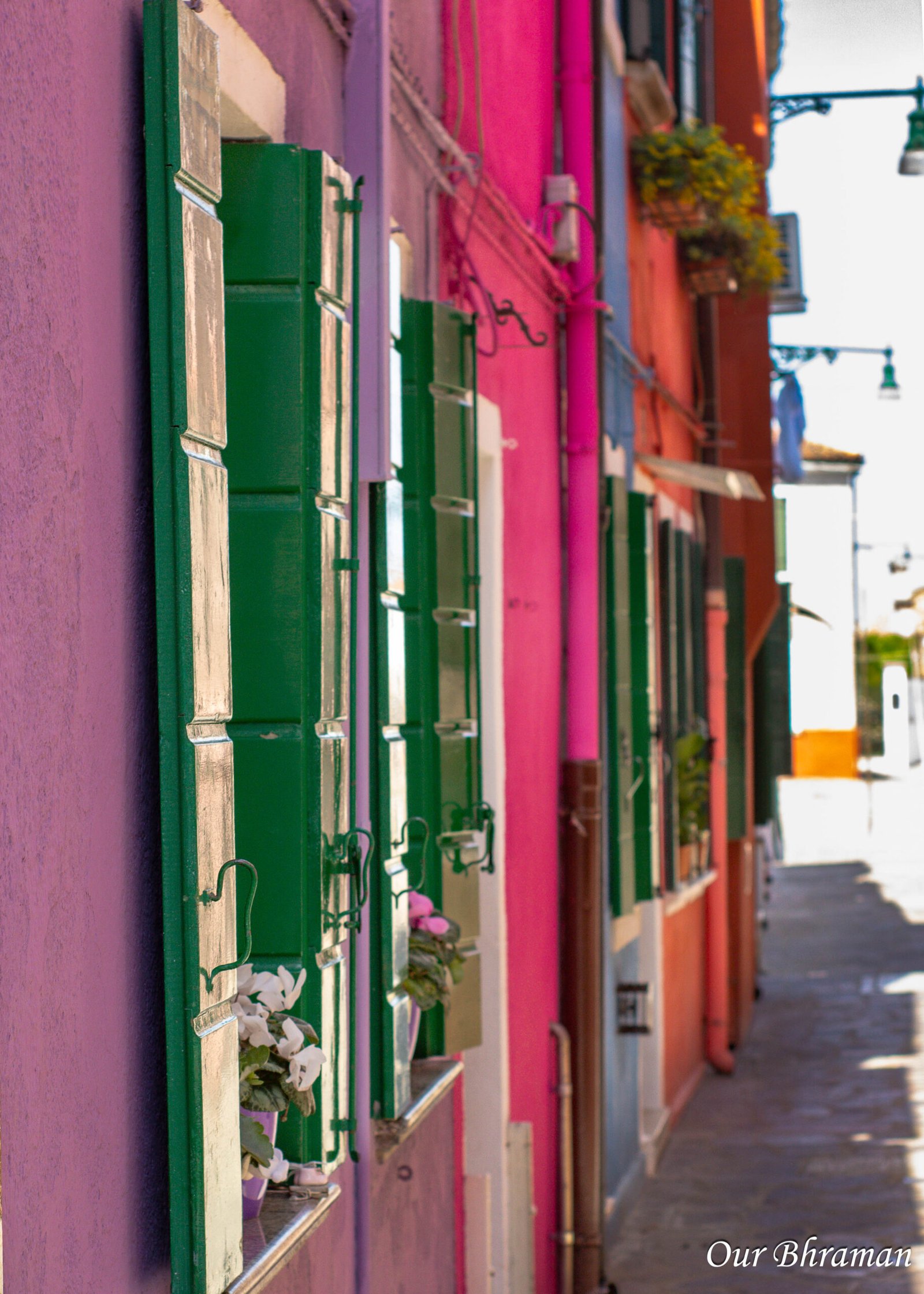
Exploring Burano was a photographer’s dream. Every turn revealed another charming canal lined with colorful homes, flower-filled window boxes, and narrow alleyways where laundry gently swayed overhead. The reflections of the brightly painted buildings shimmered in the calm water, making it almost impossible to put the camera away.
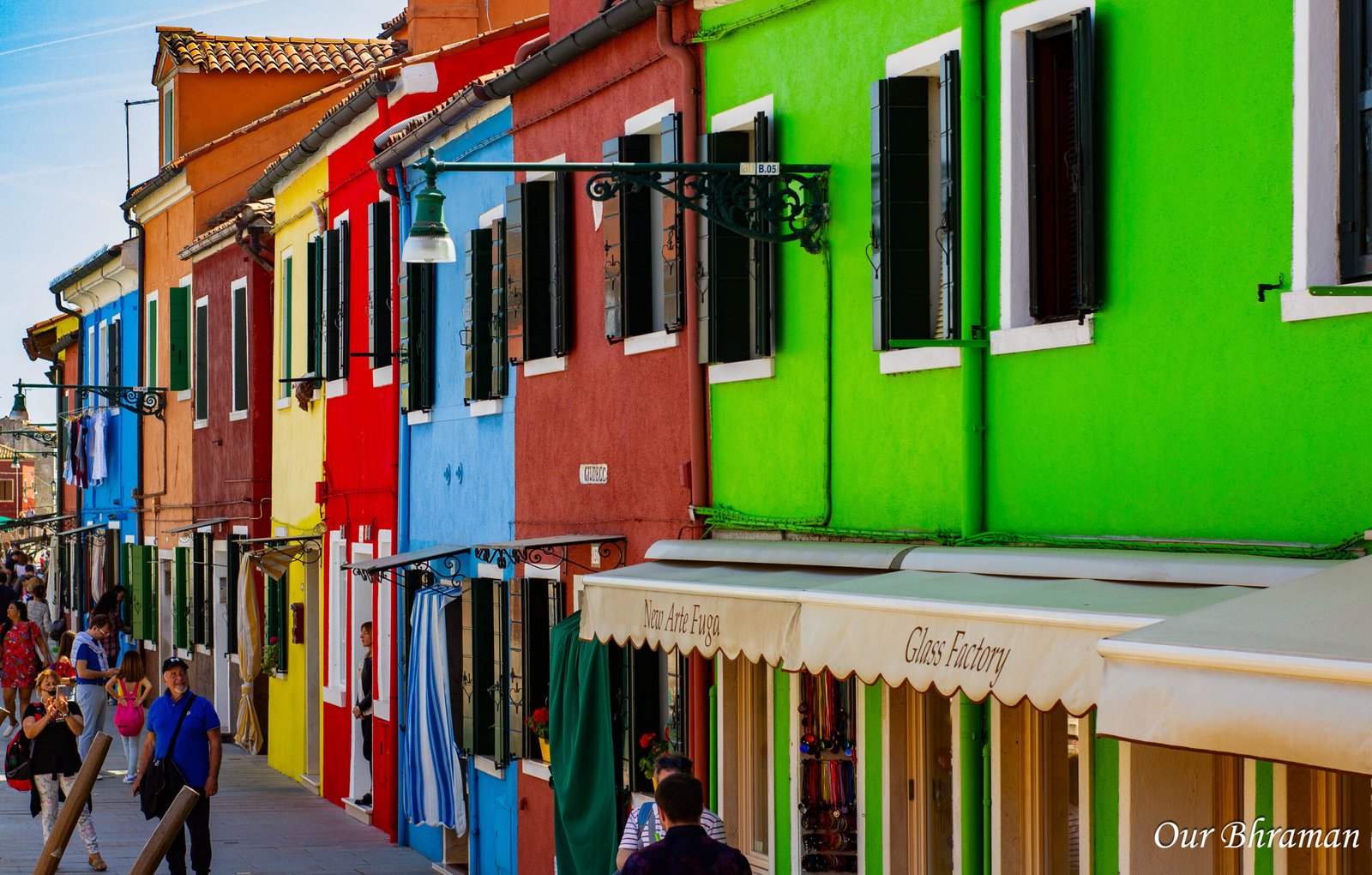
What surprised us most, however, was how peaceful the island felt. Despite being one of the most popular day trips from Venice, the streets were remarkably quiet. We saw very few locals outside their homes—perhaps the afternoon heat had everyone indoors—but the calm atmosphere was a refreshing contrast to the busy streets and crowded canals of Venice.
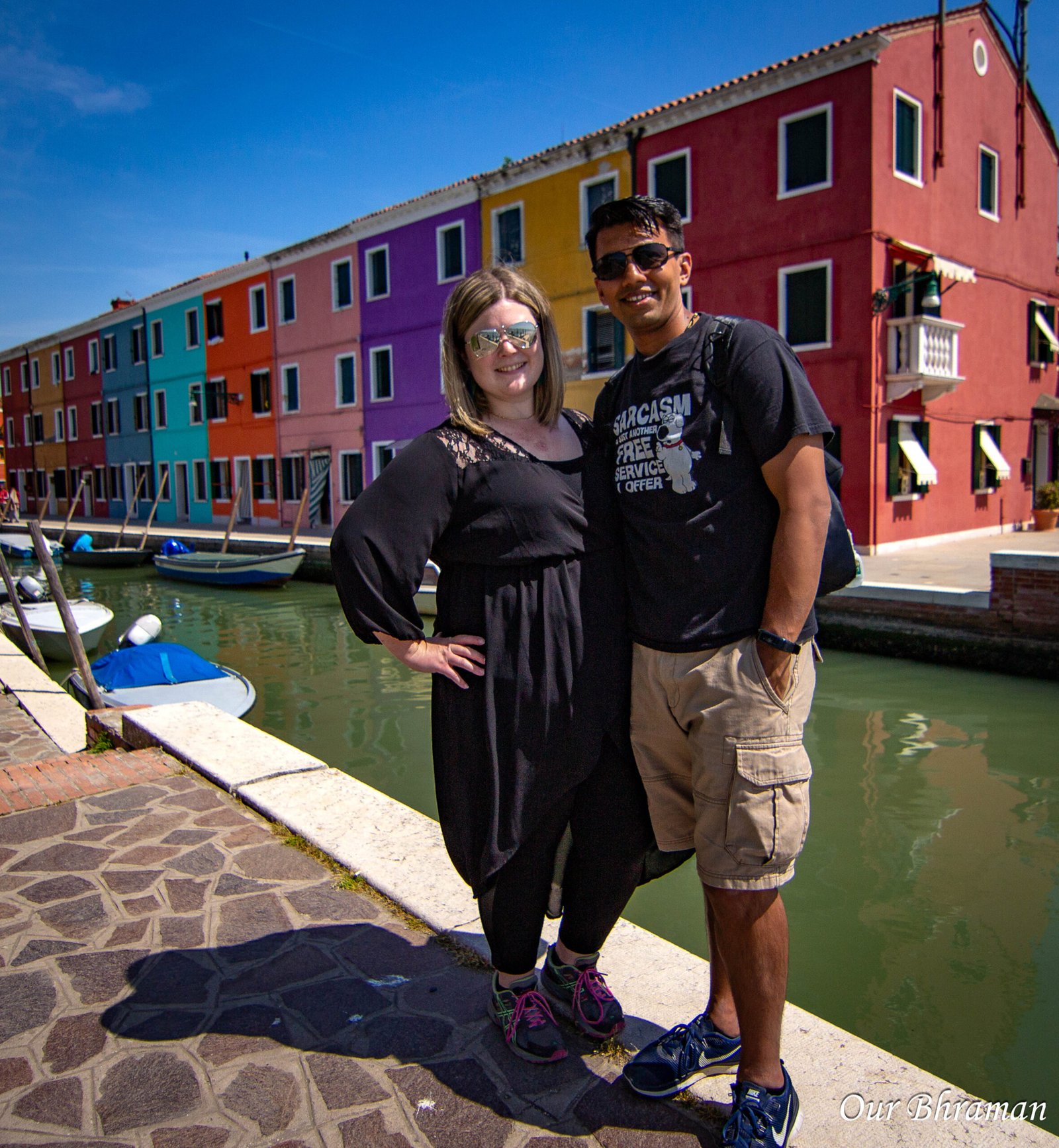 Beyond its colorful facades, Burano is also famous for its handmade lace, a tradition dating back to the 16th century. While lace shops can still be found throughout the island, today most visitors come simply to soak in its beauty, wander its picturesque streets, and enjoy its slower pace of life.
Sometimes the best travel memories aren’t made by checking famous attractions off a list. They’re made by slowing down, wandering without a destination, and letting a place surprise you. Burano is exactly that kind of place.
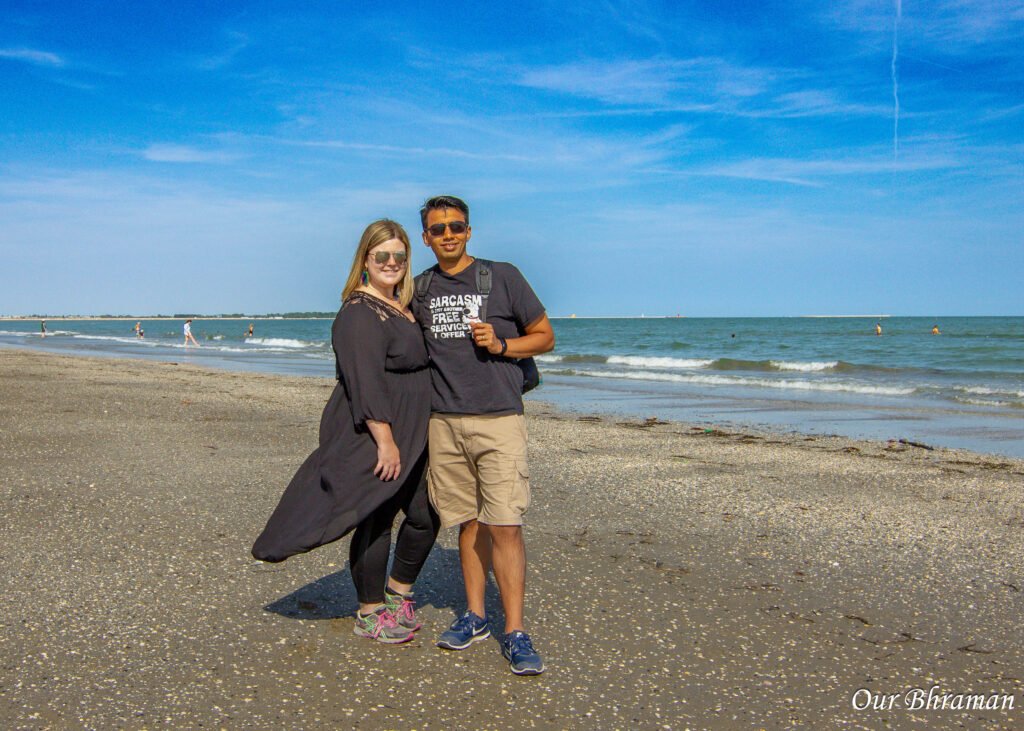
Our final stop of the day was Lido di Venezia, a completely different side of the Venetian Lagoon. Unlike Murano’s glassmaking heritage, Burano’s colorful streets, or Venice’s historic canals, Lido is known as Venice’s beach retreat—a place where locals and visitors come to relax, enjoy the sea, and escape the crowds.After arriving by water taxi, we took a pleasant 15–20 minute walk from the ferry terminal toward the beach. Almost immediately, the atmosphere changed. The narrow canals and centuries-old buildings gave way to wide sandy shores, tree-lined streets, bicycles cruising past, and people enjoying the Mediterranean sunshine.
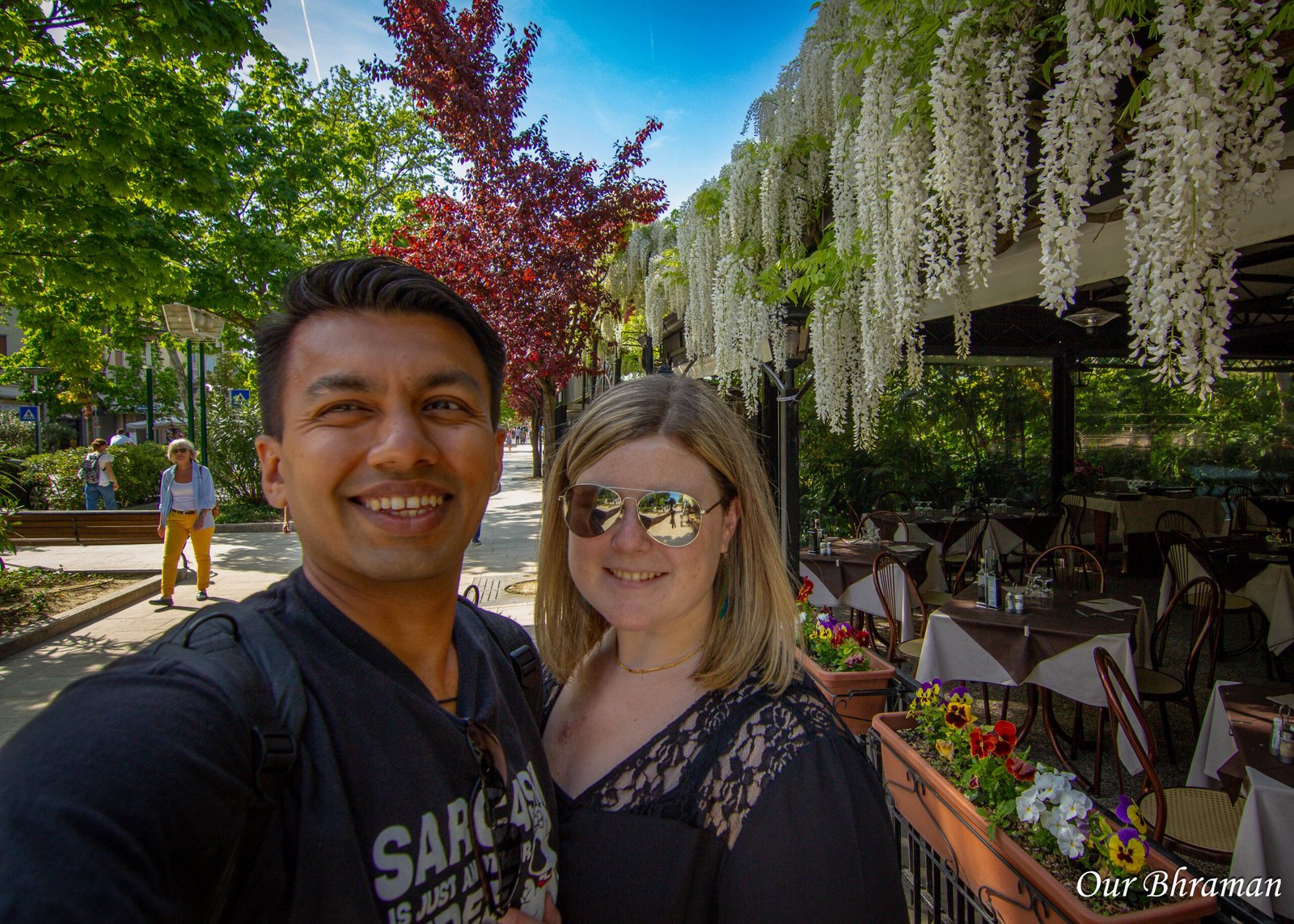 Lido became famous in the early 20th century as a glamorous seaside resort and a favorite destination for European aristocrats, artists, and celebrities. Its elegant hotels, beachfront atmosphere, and relaxed lifestyle helped establish it as one of the most fashionable beach destinations in Italy. Today, Lido is also internationally recognized as the home of the Venice Film Festival, one of the world’s oldest and most prestigious film festivals, attracting actors, filmmakers, and cinema enthusiasts from around the globe every year.
One thing definitely caught our attention—the beach culture felt very different from what we’re used to back home. Let’s just say European beach fashion is a little more relaxed and adventurous! 😄 It definitely made for some entertaining people-watching.
After a full day of exploring Venice’s islands, we spent a couple of peaceful hours walking along the shoreline, listening to the waves, and enjoying the slower rhythm of island life. Watching the sun, sand, and sea replace the busy streets of Venice felt like the perfect way to end our island-hopping adventure.
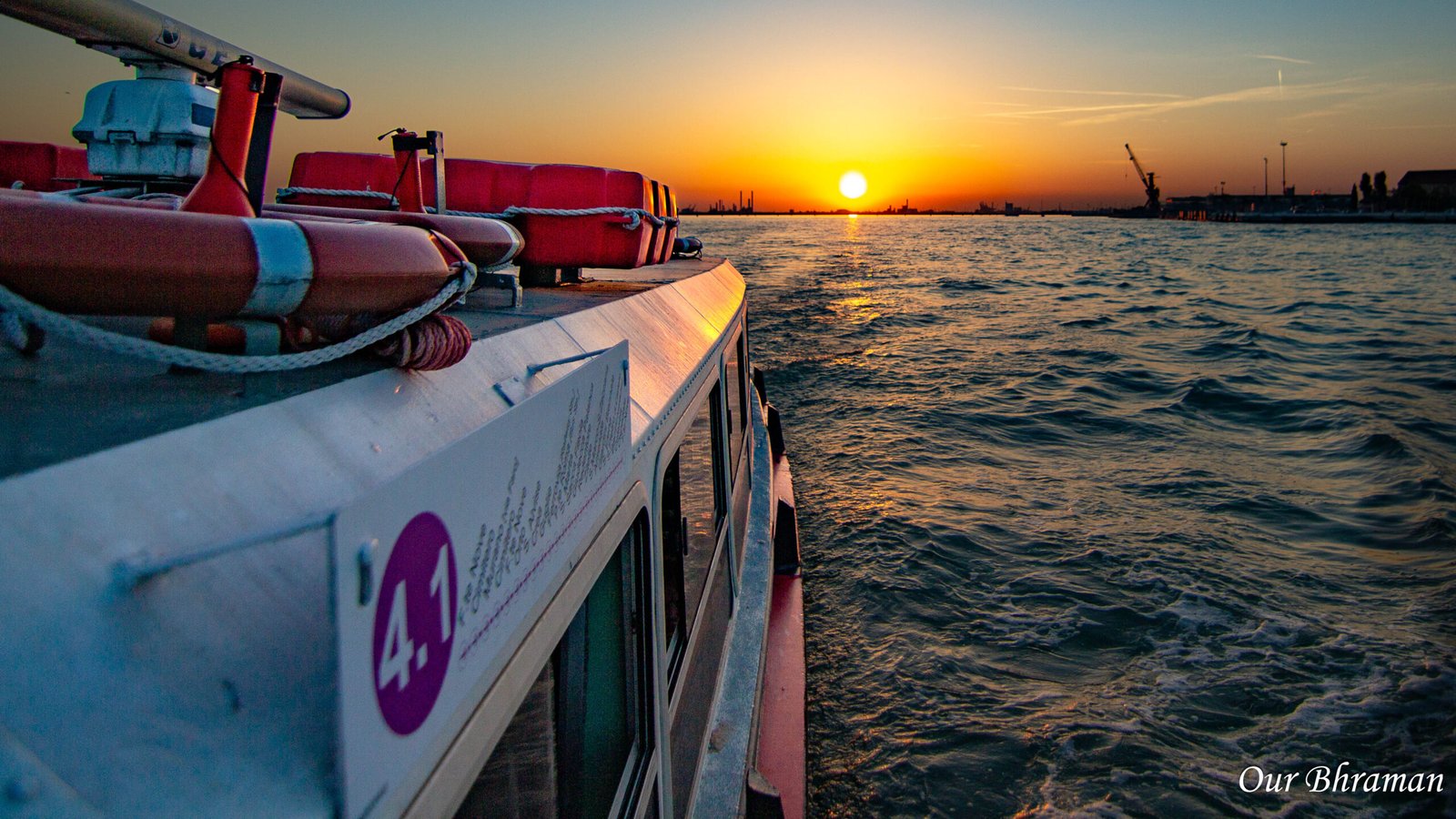
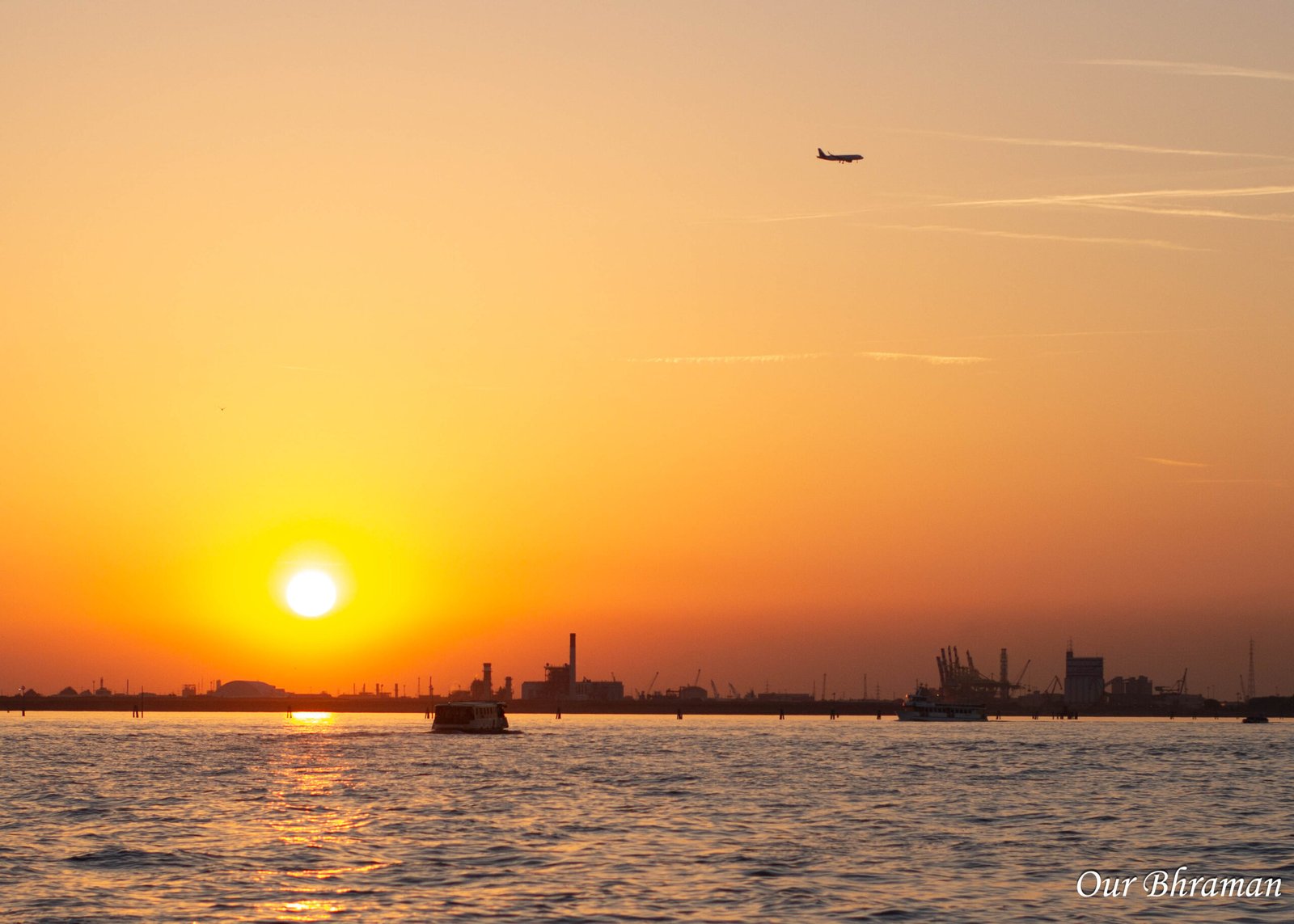
As the sun began to set over the Venetian Lagoon, we looked back on a day that revealed a completely different side of Venice. Each island had its own unique personality, history, and story to share.
Our island-hopping adventure was not just about visiting three different places—it was about discovering three different experiences. Murano celebrated the artistry and dedication of generations of glassmakers who continue to preserve a centuries-old tradition. Burano captured our hearts with its vibrant colors, simple charm, and peaceful canals. Lido offered a chance to slow down, breathe, and enjoy the relaxing rhythm of island life.
Together, Murano, Burano, and Lido gave us a deeper appreciation for the diversity and hidden treasures of the Venetian Lagoon. They reminded us that Venice is much more than its iconic canals, gondolas, and historic landmarks—it is a collection of unique islands, each with its own character, traditions, and stories waiting to be discovered.