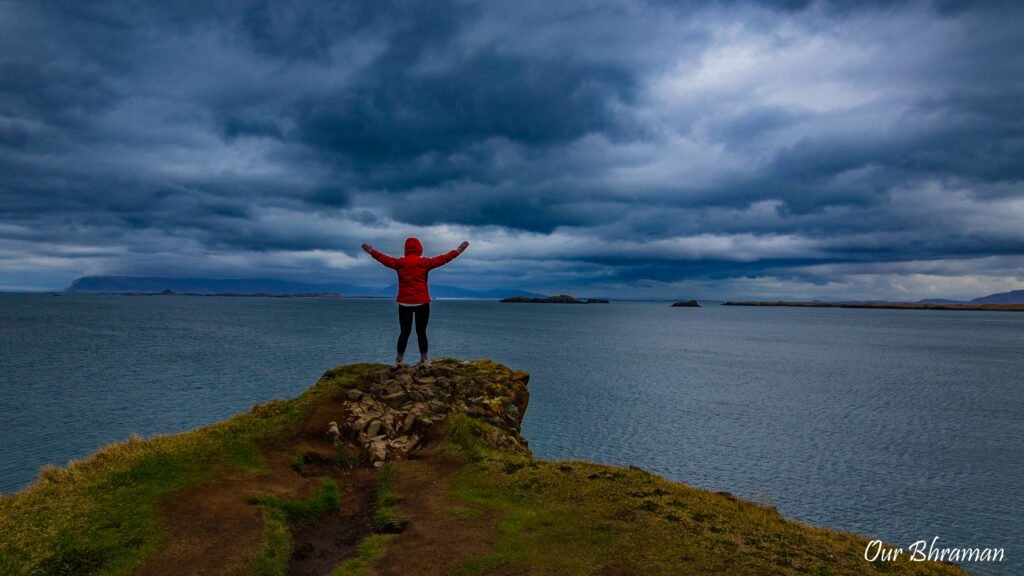
The Snæfellsnes Peninsula in West Iceland is often called Iceland in miniature because it brings together so many of the country’s iconic landscapes in one remarkable region. From the dramatic Kirkjufell Mountain and the mysterious Snæfellsjökull glacier to rugged coastlines, black-sand beaches, lava fields, waterfalls, and the striking Búðakirkja Black Church, every turn offers a new view. For us, Snæfellsnes was a perfect introduction to Iceland’s wild and cinematic beauty—a place where mountains, ocean, and history come together in one unforgettable journey.
Svöðufoss Waterfall
Our first planned stop was the iconic Kirkjufell, but just a few minutes into the drive — literally less than 10 minutes from the hotel — we came across a beautiful, unexpected Svöðufoss Waterfall view right off the roadside. Funny enough, this spot was supposed to be the last stop in our itinerary for the day, but when you see something that stunning so early in the morning, it’s nearly impossible to just drive past.
Svöðufoss Waterfall is just a half-hour walk from the parking area — an easy and quiet trail that leads you right into the heart of Icelandic countryside. The waterfall itself isn’t the tallest at just 10 meters, but its charm lies in the setting. It tumbles gracefully off a cliff made of stunning basalt columns, creating a powerful contrast between the dark rock and the soft, flowing water.
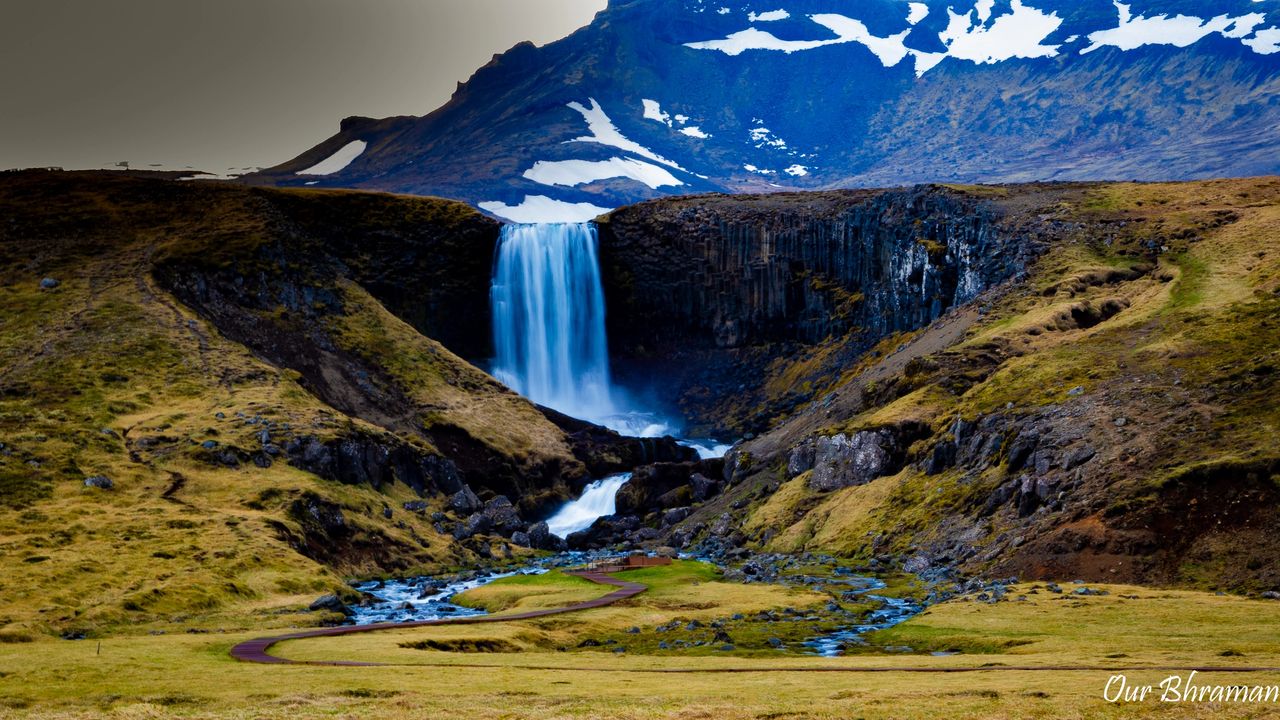
From a distance, the shape of the surrounding landscape even gives the area a heart-like appearance — something that feels both symbolic and serene. The falls feed into the river Laxá, and standing there, all you hear is the gentle rush of water and the stillness of nature. It’s raw, untouched beauty — exactly what you imagine when you dream of Iceland’s hidden gems.
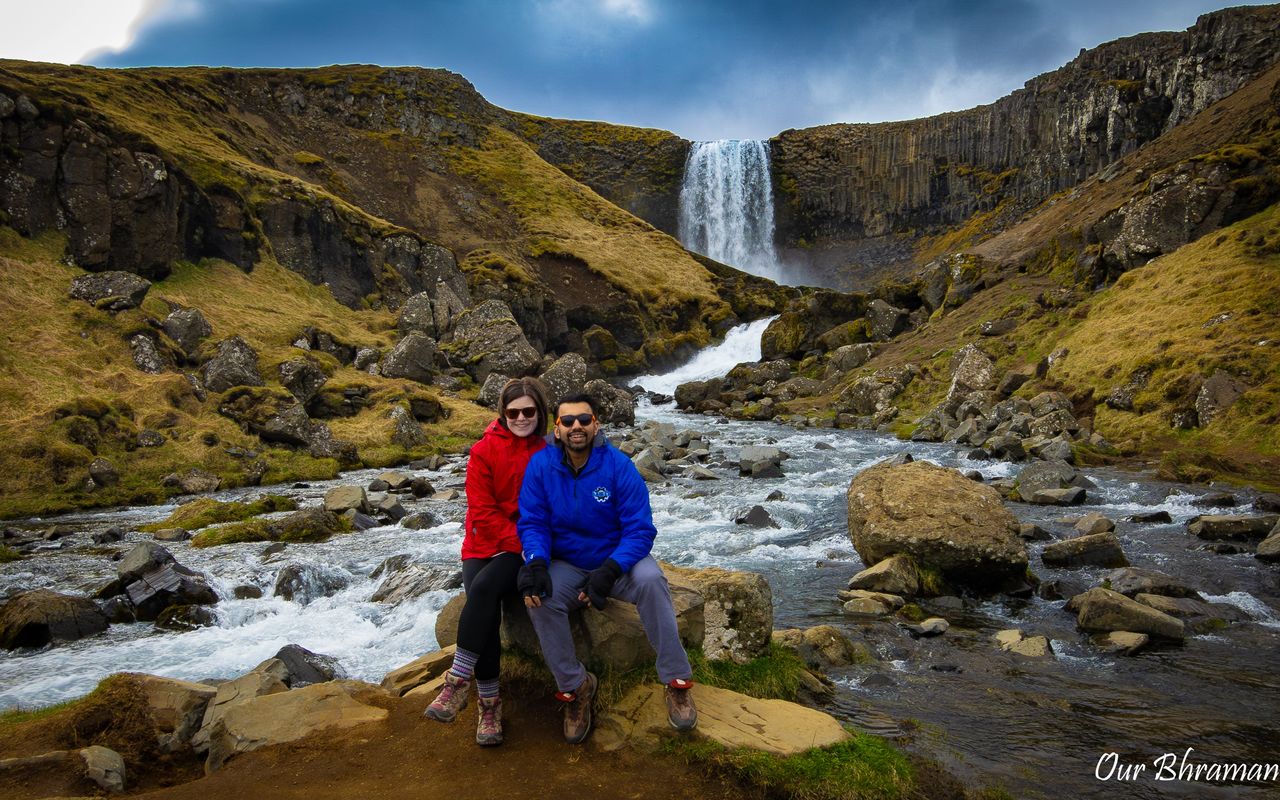
When we visited, the sky was overcast and a soft gray, but we still caught glimpses of the Snæfellsjökull Glacier rising behind the waterfall. Even with the clouds, the view was breathtaking full of calm and wonder.
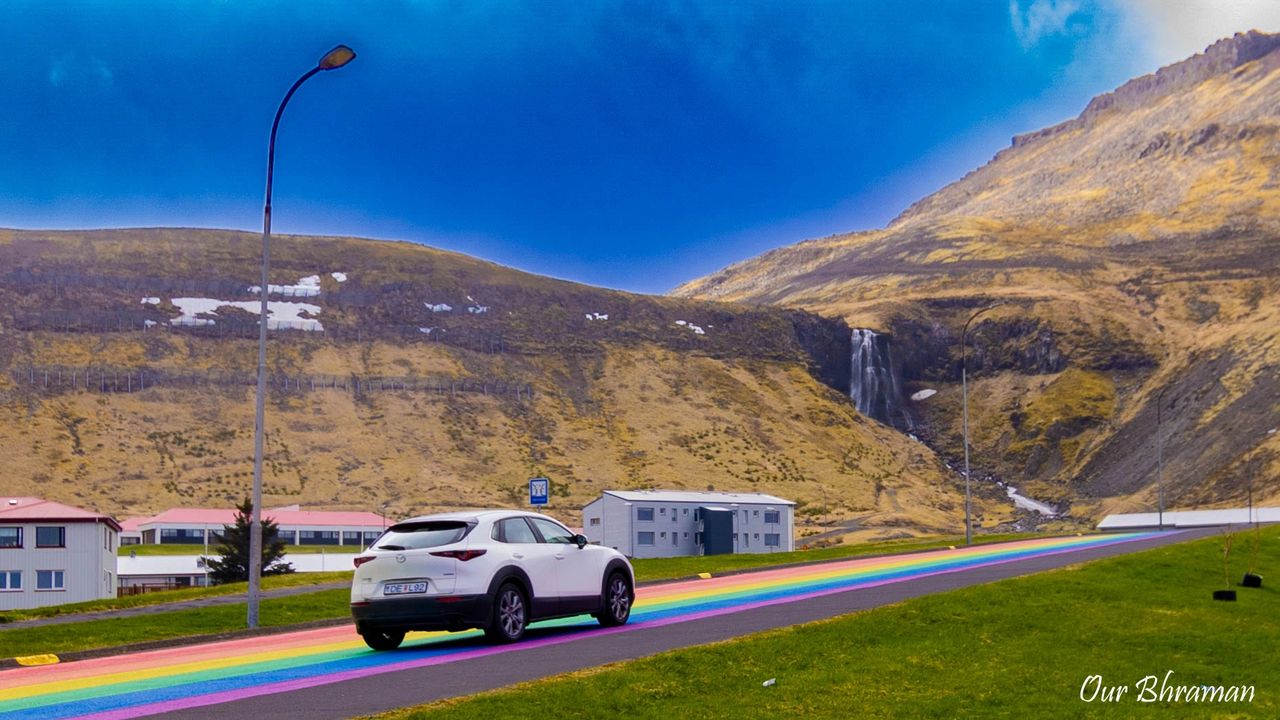
While heading to our next destination in a nearby town, we came across a rainbow-painted street. At first, we thought it was just a unique piece of street art near this waterfall. Little did we know, it was actually the first of many rainbow streets we would come across over the next 10 days.
Kirkjufell Mountain — Postcard from Iceland
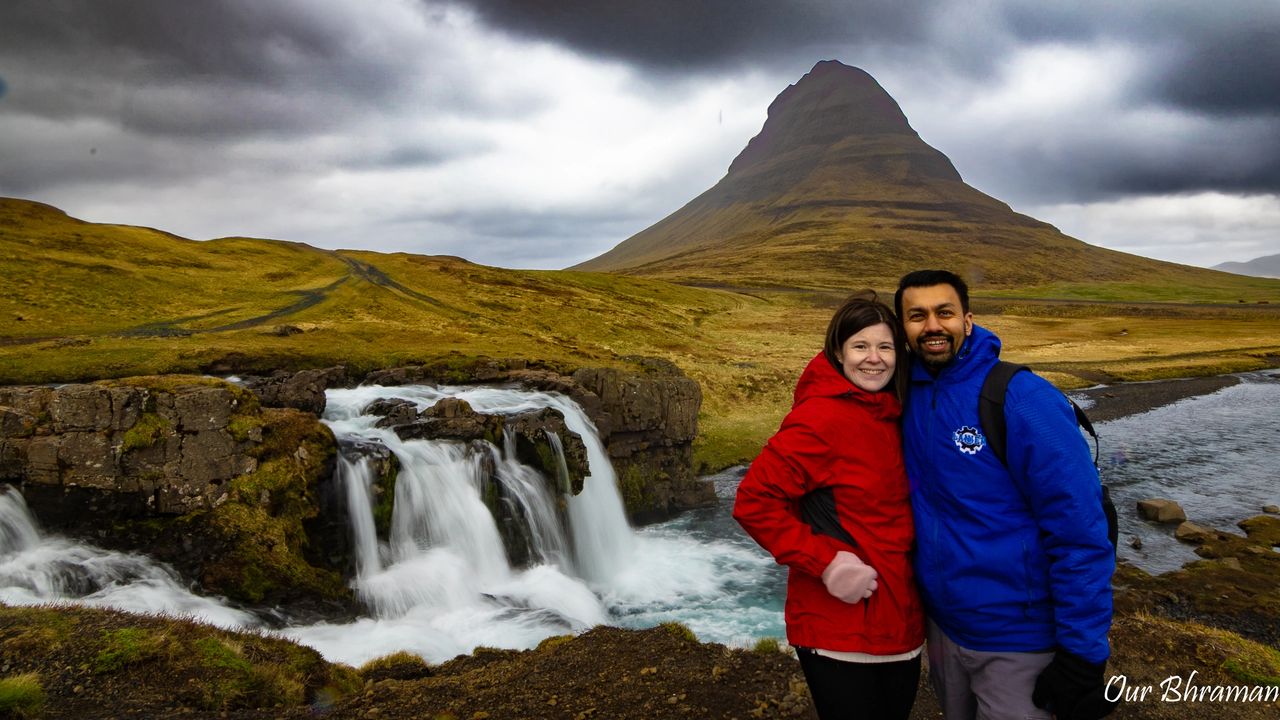
Next stop for the day was one of the most photographed places in Snæfellsnes Peninsula was standing in front of the iconic duo: Mount Kirkjufell and Kirkjufellsfoss Waterfall. This picture-perfect scene looked exactly like the postcards — and even more breathtaking in person.
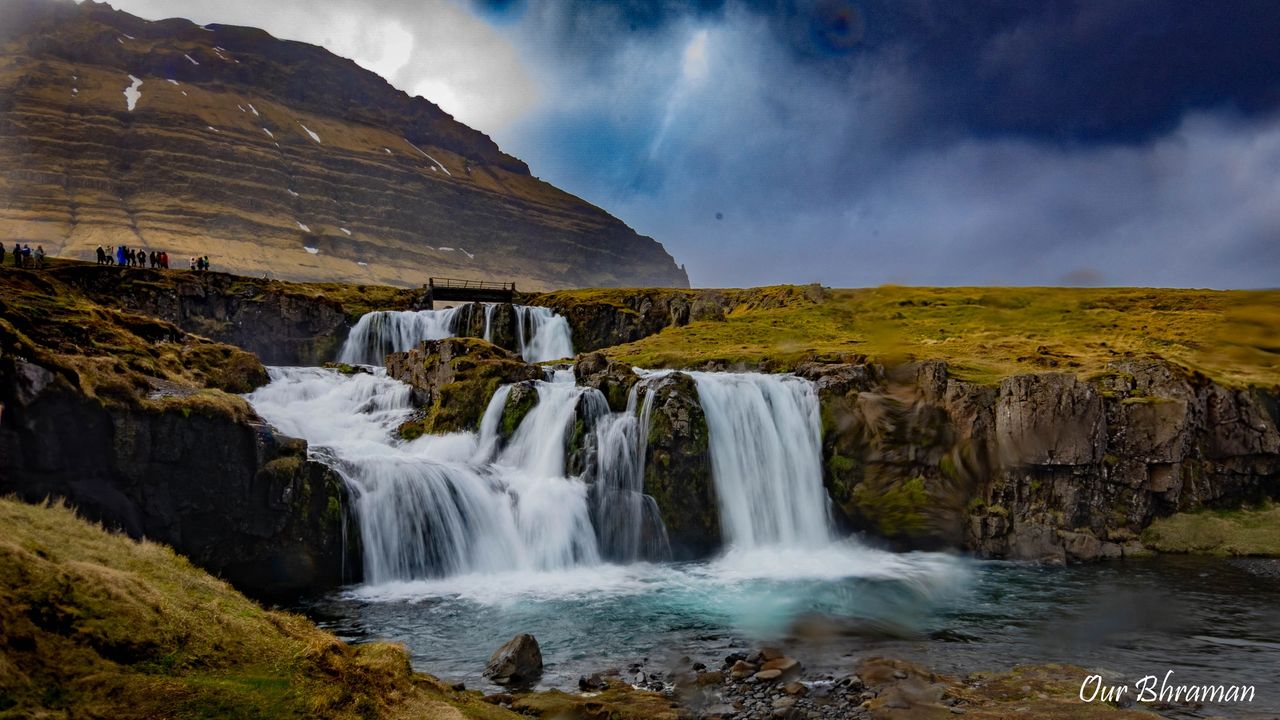
Kirkjufell, which means “Church Mountain”, rises like a sculpted spire near the coastal town of Grundarfjörður. It’s hard to believe, but this mountain’s story stretches back millions of years. Its sharp, standalone shape was once the peak of a mountain that broke through an ancient ice cap — a formation known as a nunatak. Built from layers of sedimentary rock, lava, and volcanic ash (tuff), Kirkjufell was slowly carved into its present form by powerful glacial erosion during the Ice Age.
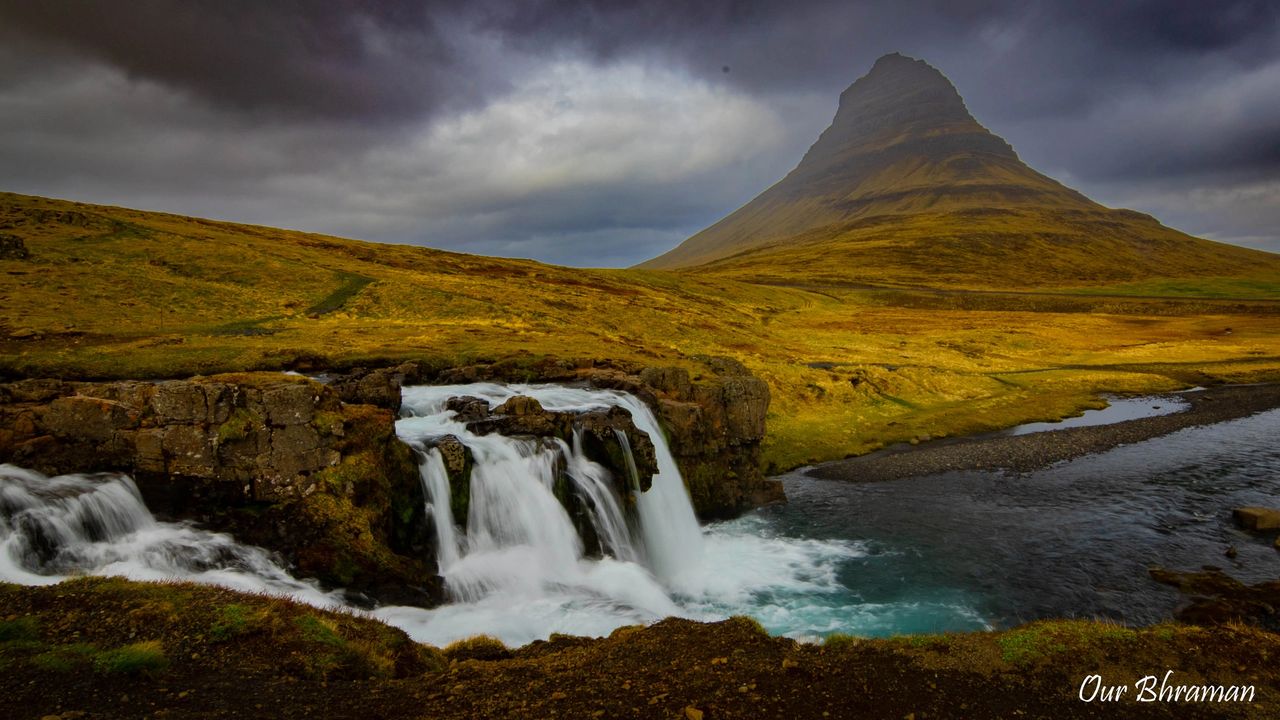
At the foot of this majestic mountain is Kirkjufellsfoss, a small but beautiful multi-tiered waterfall that flows gracefully over basalt and eroded lava. Though modest in size, its charm lies in its setting — a gentle cascade that perfectly complements the bold outline of Kirkjufell in the background. Formed by the same ancient glacial and volcanic forces that shaped the mountain, this spot is a natural masterpiece.
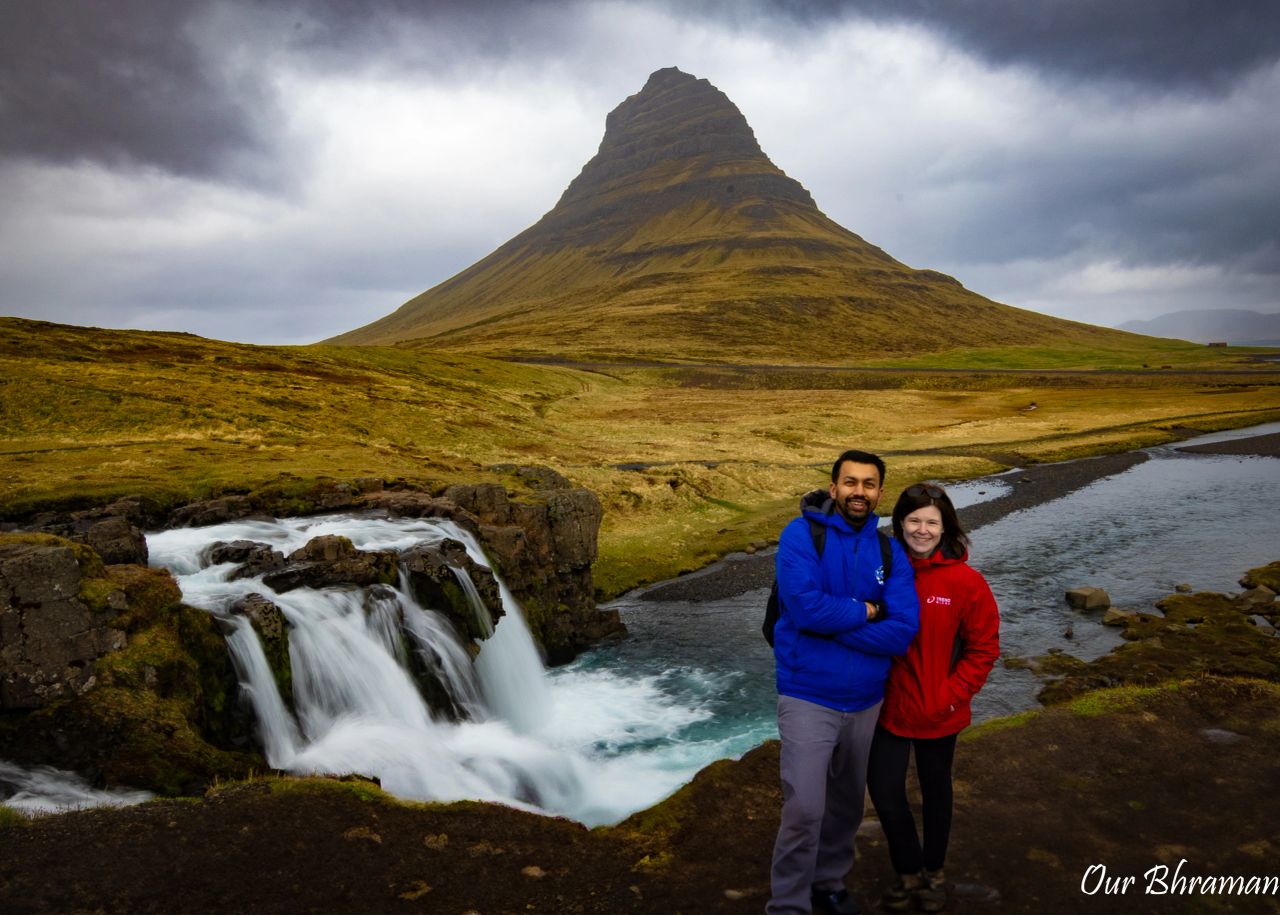
It’s no surprise that this location is one of the most photographed in all of Iceland. Whether you’re catching it at sunrise, during golden hour, or beneath the dancing Northern Lights, the contrast between the flowing water and the dramatic mountain makes every photo feel timeless. Standing there, camera in hand, we couldn’t help but pause and appreciate the raw beauty and deep history layered into every stone and stream.
While photographing Kirkjufell and Kirkjufellsfoss, we quickly realized that capturing the perfect shot wasn’t as effortless as the postcards make it seem. The rain was light but constant, and the mist from the waterfall added its own layer of moisture. We found ourselves constantly wiping the camera lens, as tiny droplets kept accumulating, blurring the view and challenging every frame.
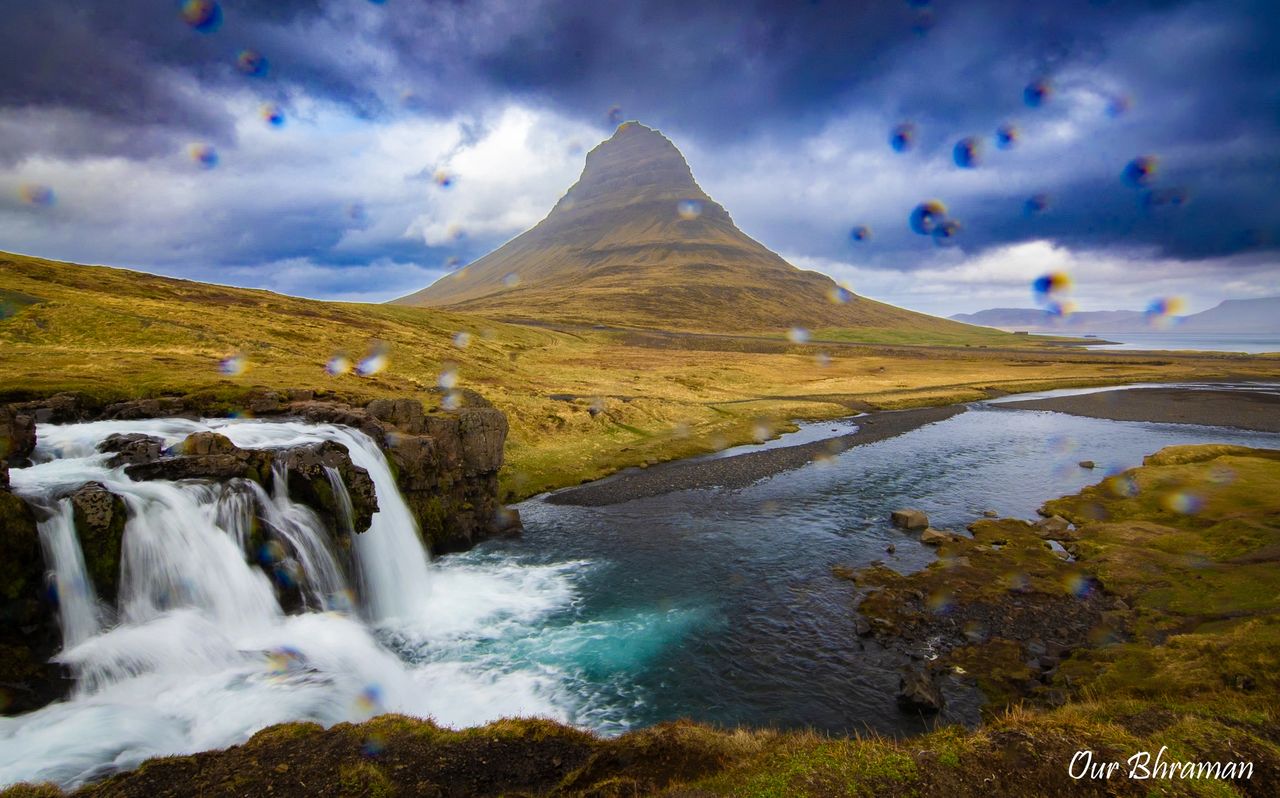
Despite the hassle, the weather added a dramatic mood to the scene — dark skies, a soft drizzle, and the roar of the falls created an almost cinematic atmosphere. It was one of those moments where nature doesn’t make it easy, but that challenge becomes part of the experience. Each photo became a mix of patience, timing, and luck — and a little bit of lens cloth magic.
Stykkishólmur Lighthouse
After spending a more than an hour exploring nearby hiking trails we moved to our next stop in Stykkishólmur town in western part of Iceland, in the northern part of the Snæfellsnes peninsula.
Our visit to Stykkishólmur Lighthouse was one of those quietly magical moments that stood out during our journey around the Snæfellsnes Peninsula. Perched on a small island just beyond the harbor, this bright orange lighthouse immediately caught our attention with its pop of color against the cool tones of the sea and sky.
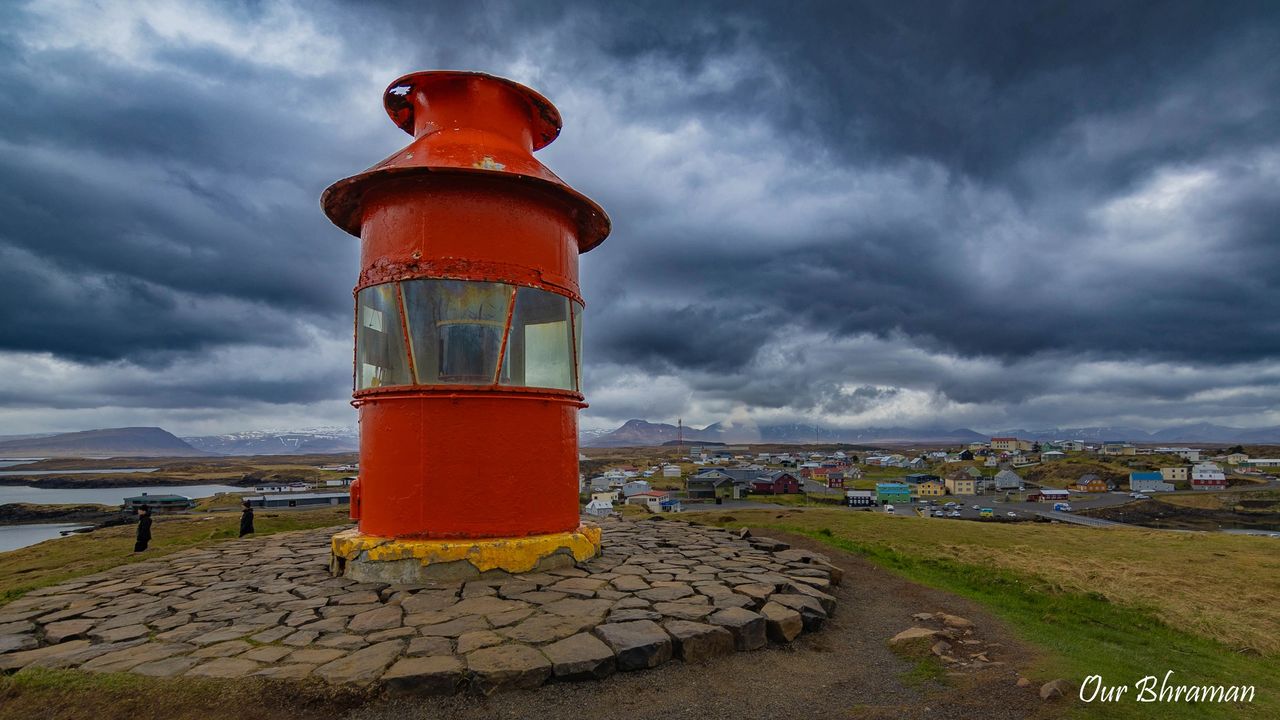
It was just a short walk from the ferry terminal parking area, but what a walk it was — the path offered beautiful views of Stykkishólmur, with its colorful houses, calm harbor, and the vast, open waters of Breiðafjörður Bay. As we got closer to the lighthouse, the wind picked up (as it often does in Iceland), adding a little drama to the experience. We braced ourselves against the gusts and stood at the edge of the island, taking in the panoramic views — the town behind us, the bay stretching endlessly ahead, and tiny islands dotting the horizon.
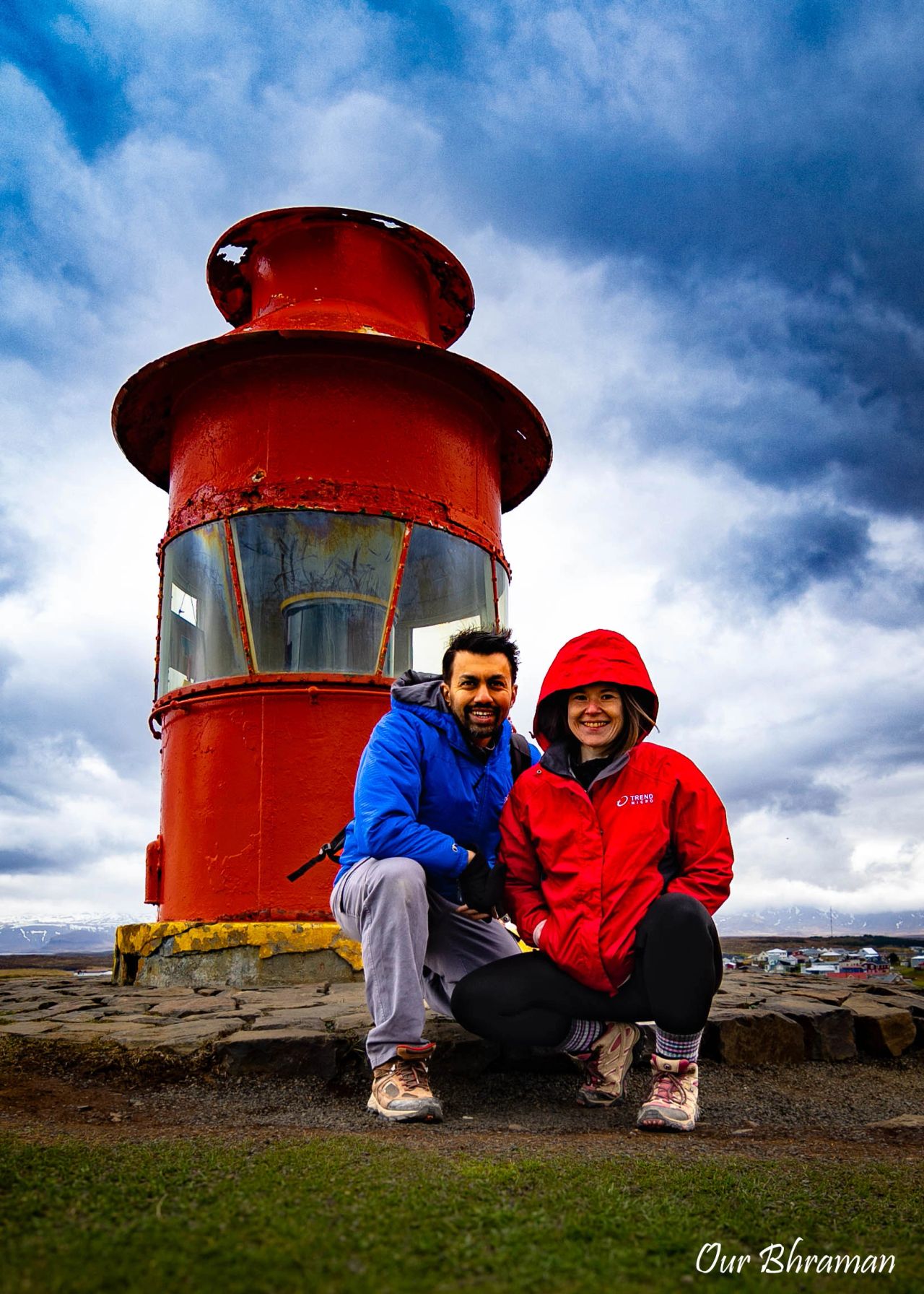
While it’s a great spot for photography — and yes, we took plenty — it was more than just a photo op. Standing by the lighthouse, you could really feel the history and maritime spirit of Stykkishólmur. This town has long been tied to fishing and sea trade, and the lighthouse felt like a quiet guardian watching over it all.
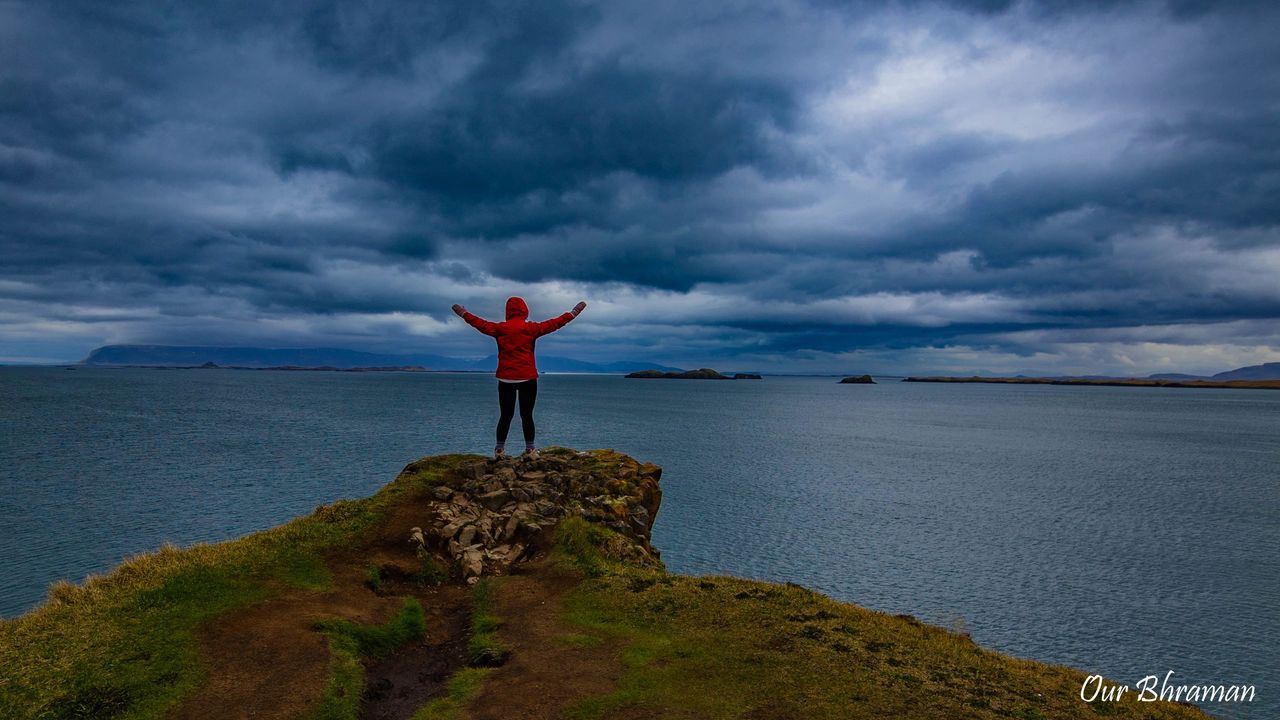
It wasn’t a major stop on our itinerary, but it became one of those surprising little highlights — the kind that reminds you to slow down, look around, and soak in the quiet beauty of a place.
On our way to visit the uniquely designed Whale Vertebrae Church (Stykkishólmskirkja), we made a quick stop to fill up the gas tank. You’d think pumping gas would be second nature — we do it all the time back home in the U.S. — but Iceland had a little surprise in store for us.
We pulled into what looked like a perfectly normal station, went through all the motions, and then… nothing. It took us almost 10 minutes of troubleshooting before we finally realized the pump was out of service. A good laugh and a bit of head-scratching later, we found a working pump at a nearby Ólís station, where we thankfully used a discount coupon we’d received with our rental car.
Even with the discount, it was a bit of a reality check. We couldn’t help but notice how spoiled we are by $3 gas back home — here, we were paying over $8 per gallon! Iceland may be full of natural beauty, but it definitely reminds you that adventures come with their own price tag.
Whale Vertebrae Church
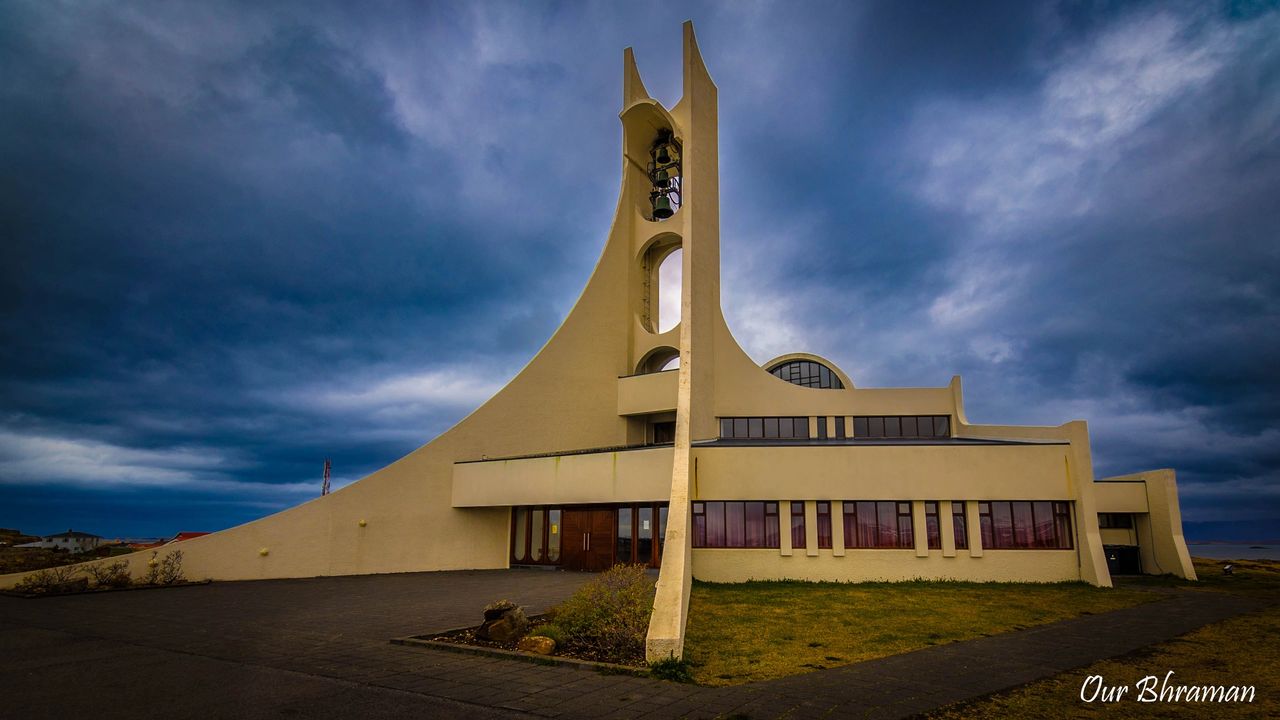
Stykkishólmskirkja is famously nicknamed the “Whale Vertebrae Church” because of its unique, modern architecture — the curved structure resembles the shape of a whale’s backbone or vertebra. The design is meant to echo the maritime heritage of the town, paying tribute to Iceland’s deep connection with the sea and its natural surroundings.
The church is built on a small hill, offering panoramic views over the town of Stykkishólmur and Breiðafjörður Bay. This place is both a place of worship and a cultural landmark, often included in architectural tours and photography stops around the Snæfellsnes Peninsula.
Ytri Tunga Beach
After visiting the stunning church, it was time to trade architecture for nature and head to Ytri Tunga Beach in hopes of spotting some local wildlife — seals!
What immediately struck us about Ytri Tunga was how different it felt from other Icelandic beaches. Instead of the usual black volcanic sand, this beach had golden, almost glowing sand that shimmered under the soft light — a rare sight in Iceland and one that made the experience feel even more special.
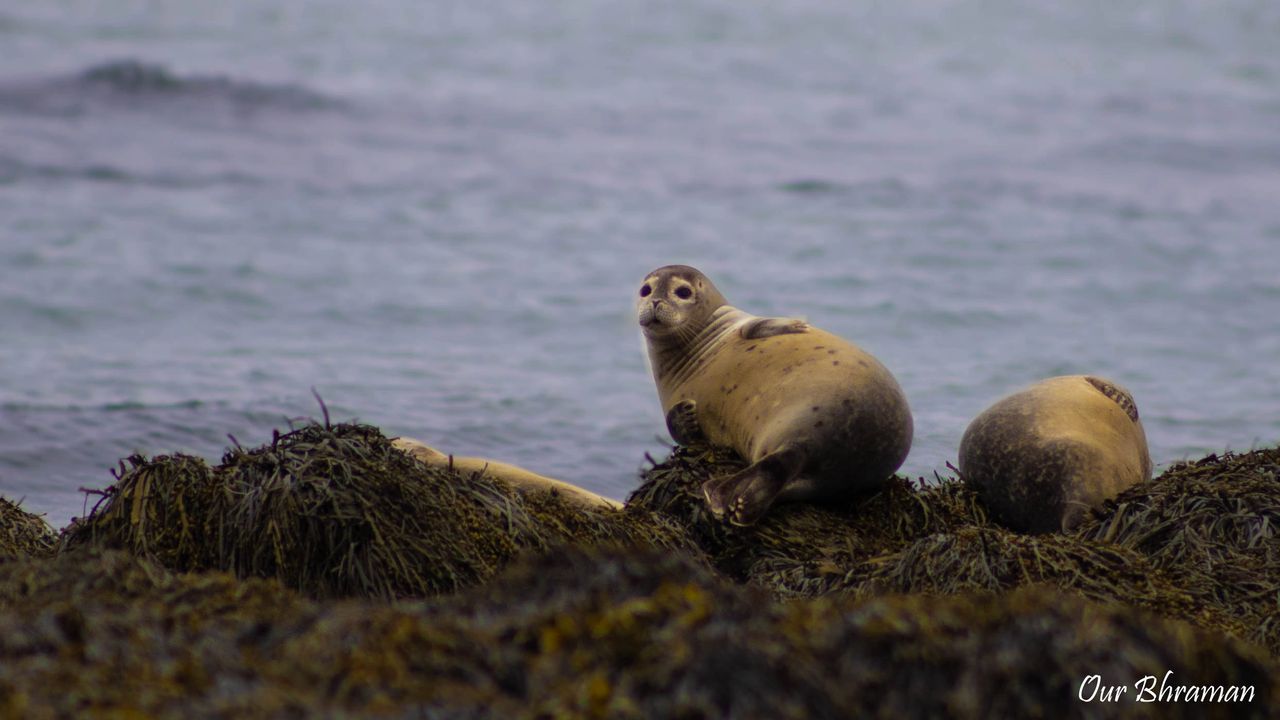
Although summer is considered the best time to see seals lounging on the shore, our visit in May didn’t disappoint. We spotted several seals resting on rocks just offshore, their sleek bodies blending into the water’s surface but clearly visible if you looked closely. Some would occasionally lift their heads or slip into the water, almost like they were casually checking out the few humans wandering the beach.
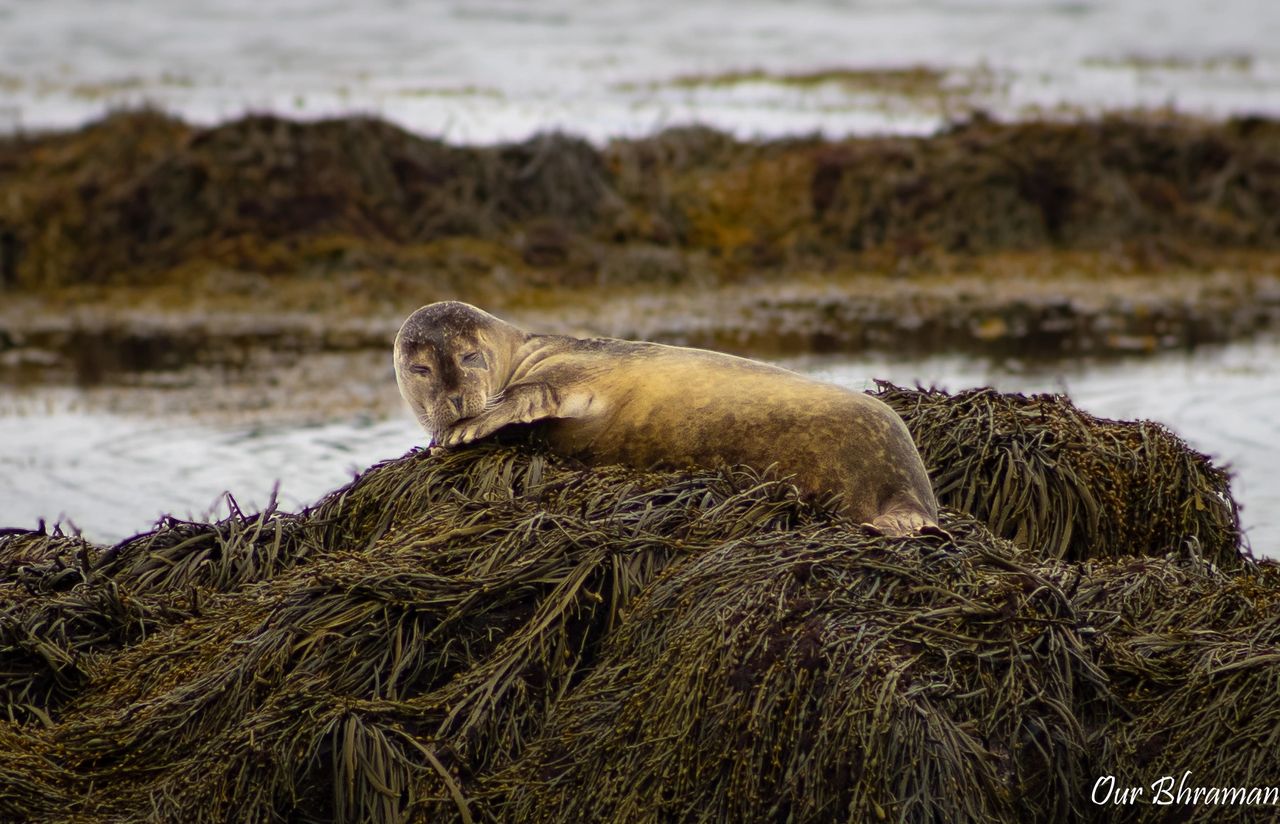
We were so excited when we spotted the first seal lounging on a rock just offshore — it felt like discovering a secret part of Iceland’s wild beauty. Naturally, we wanted to get a closer look, but thankfully we remembered to keep our distance. It was tempting to walk further out on the rocks, but watching from afar with our camera’s zoom lens gave us the best of both worlds — great views and no disturbance to the animals.
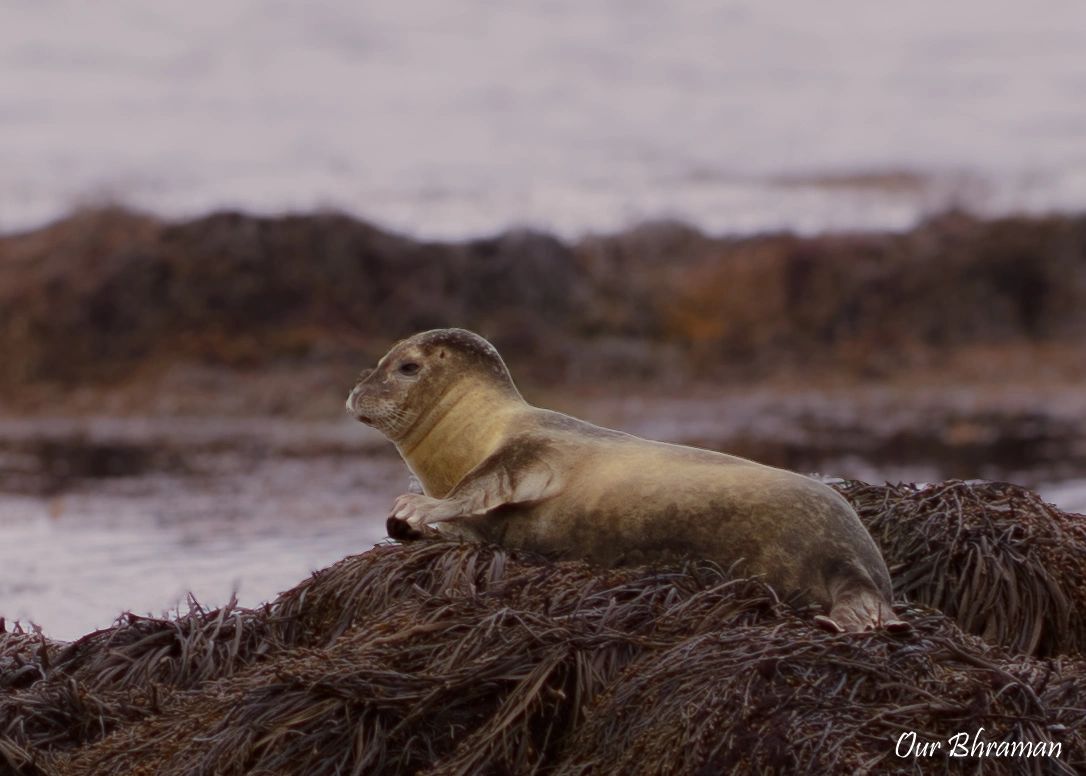
What we didn’t expect, though, was how slippery the shoreline rocks could be. One of us nearly slipped while trying to shift for a better angle — lesson learned! The seaweed-covered stones were slick, so we took it slow and kept to the drier parts of the beach after that.
It was also windier than we anticipated, even though it was May. We were grateful for our windbreakers and warm layers, especially as we stood still watching the seals play in the water. After spending over two and a half hours at Ytri Tunga — well beyond the time we had planned — we realized we were running quite a bit behind schedule. But honestly, between watching the seals and soaking in the golden beach views, it was time well spent.
Búðakirkja — Iceland’s Black Church
Still, the delay meant we had to pick up the pace to make it to our next destination: the iconic Búðakirkja, the black church at Búðir. We had been looking forward to visiting this spot for its quiet beauty and striking contrast against the surrounding lava fields, so even though we were a bit rushed, we were excited to hit the road and make our way there.
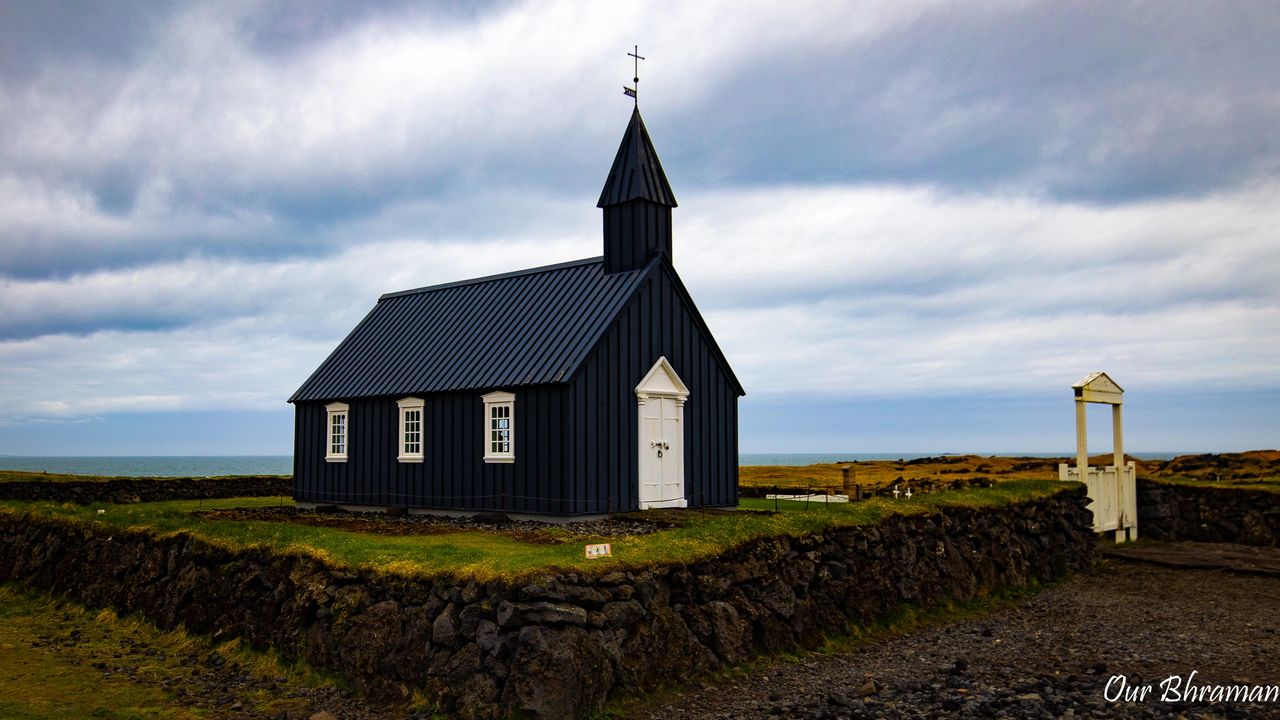
The church is completely painted black with pitch tar, a traditional method used to protect wood from the harsh Icelandic weather. This makes it visually striking, especially when set against the bright green moss, lava fields, and often moody skies of May
Búðakirkja is still an active Lutheran church, used for weddings and special services. It seats only about 50 people, adding to its intimate and peaceful charm. Church has a historic bell and gate, which are preserved remnants from the original 1703 building.
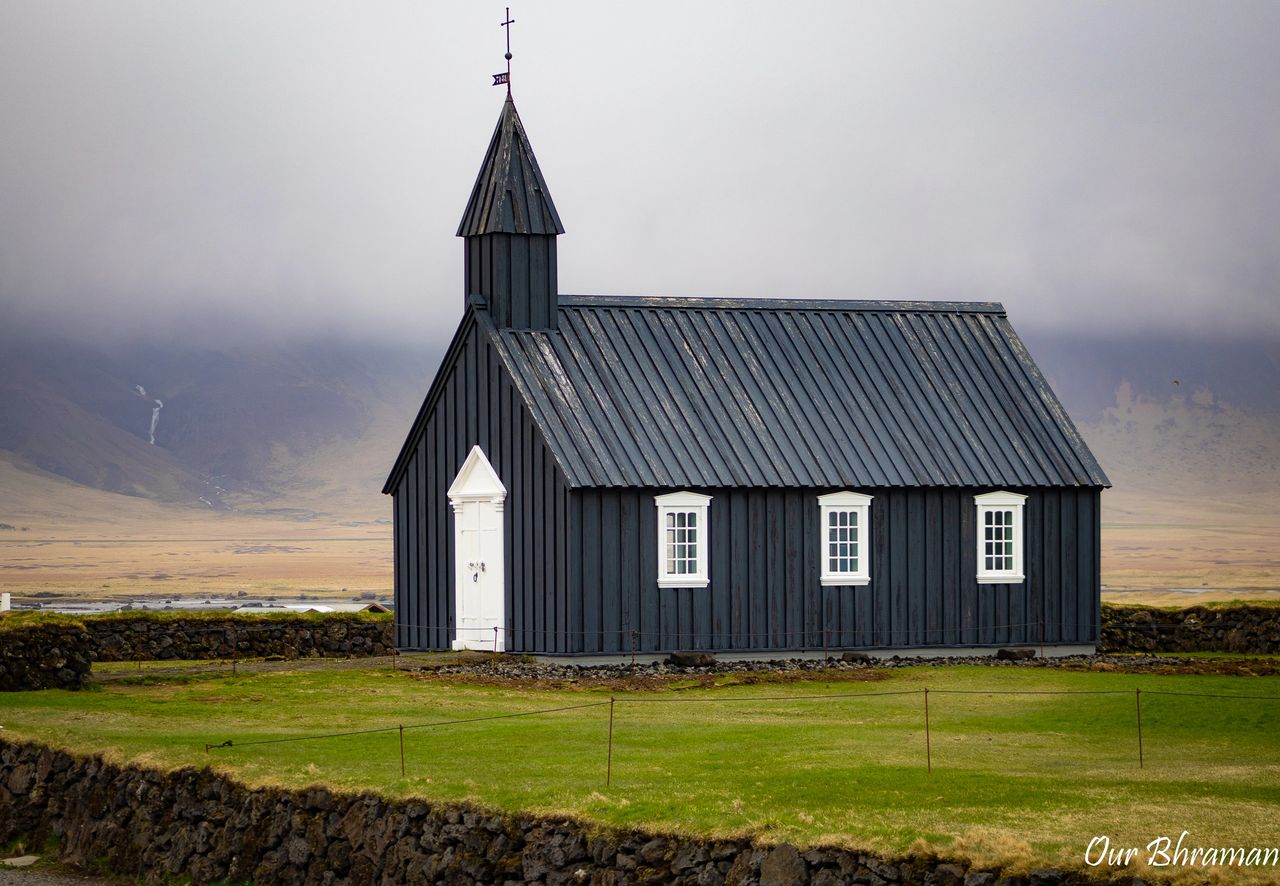
The church is located just a short walk from the parking lot, making it easy to access, even if you’re on a tight itinerary. In May, the area is generally less crowded than during peak summer. At the time of our visit, we had the entire location to ourselves. Since we were watching the time closely that day, we managed to spend about 20 minutes exploring the area before heading to our next stop.
Rauðfeldsgjá Gorge.
The hike through Rauðfeldsgjá Gorge turned out to be one of the most unexpectedly adventurous parts of our Snæfellsnes trip. It’s a moderately challenging route, but entirely worth it — and how far you go really depends on how much you’re willing to get a little wet and muddy.
The trail to the gorge starts with a short, steady uphill climb across rocky and sometimes muddy terrain. As we made our way up, the landscape behind us opened up into beautiful panoramic views of the Snæfellsnes Peninsula. Even before we reached the gorge itself, it felt like a reward.
When we arrived at the narrow fissure in the cliffside, the actual entrance to the gorge, it looked dramatic and mysterious — like something pulled straight out of a fantasy film. From there, we had a choice: admire the view from outside or take the plunge and venture deeper inside.
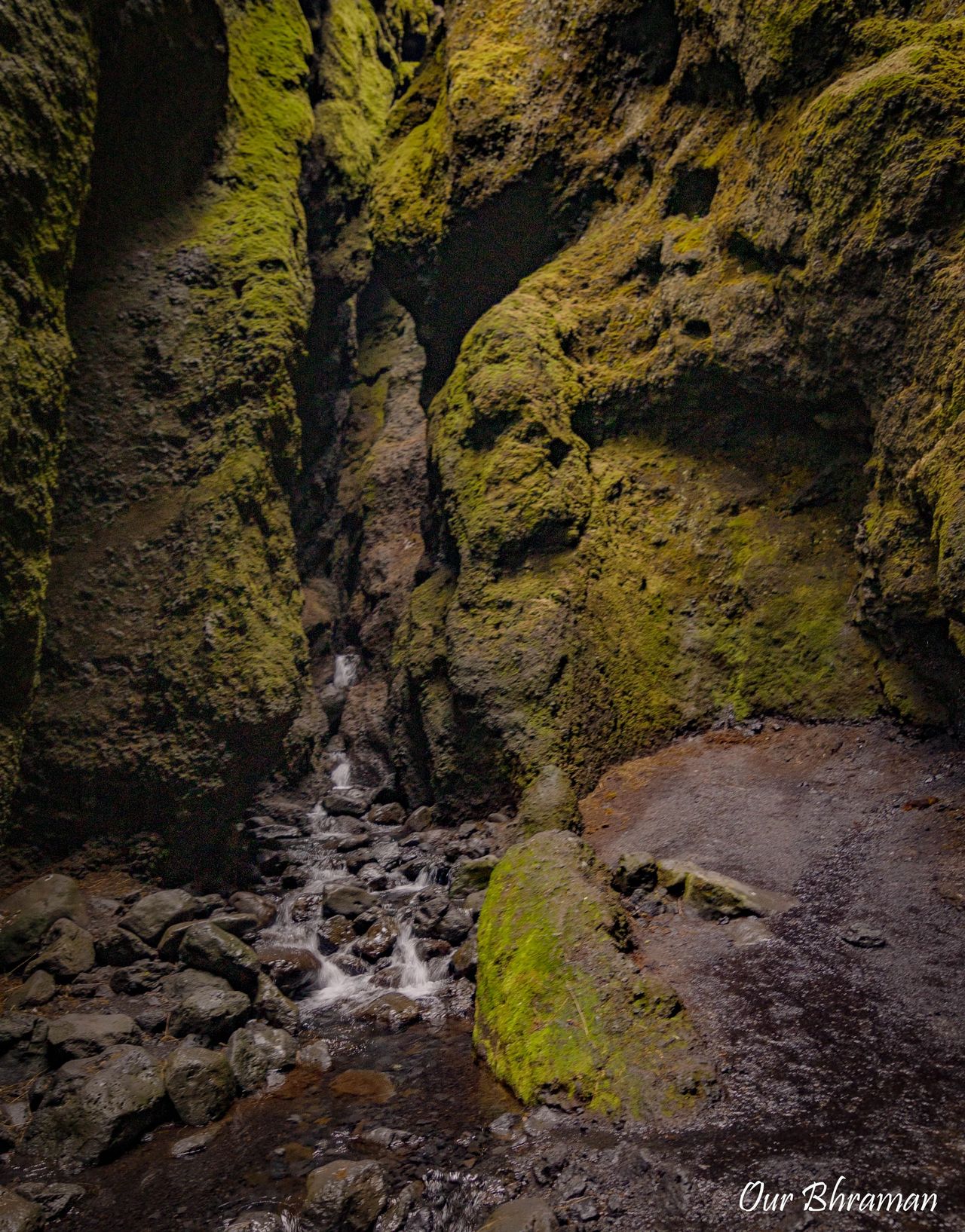
At first, Pranav wasn’t too keen on going further into the narrow, shadowy passage. But Kayla was all in — full of energy and excitement. I’m honestly so glad she pushed us to do it, because what we saw inside was pure magic. The moss-covered walls, the filtered light from above, and the hidden waterfall just a short way in made it feel like we had stepped into another world.
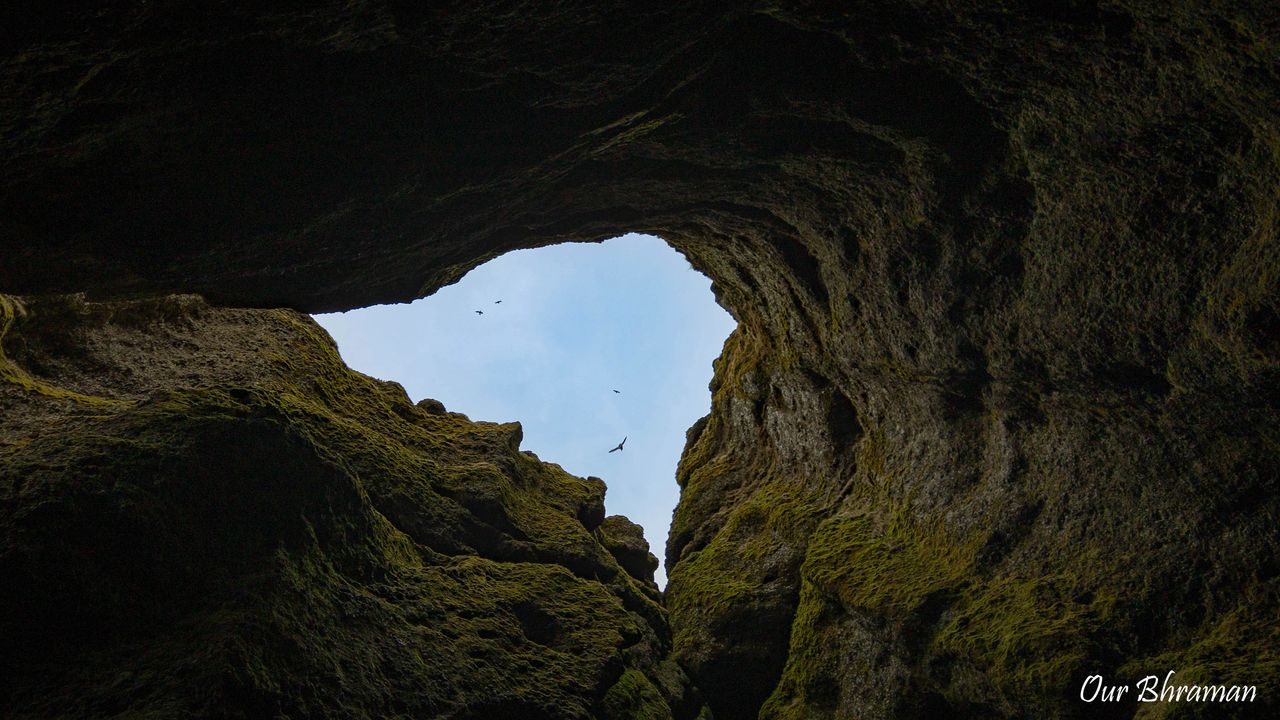
We were thankful for our waterproof clothing and sturdy boots — absolutely essential for the slick rocks and ankle-deep stream running through the canyon floor. It wasn’t a technical hike, but the tight spaces and wet surfaces definitely required focus and balance, and at some points, we had to use our hands to steady ourselves.
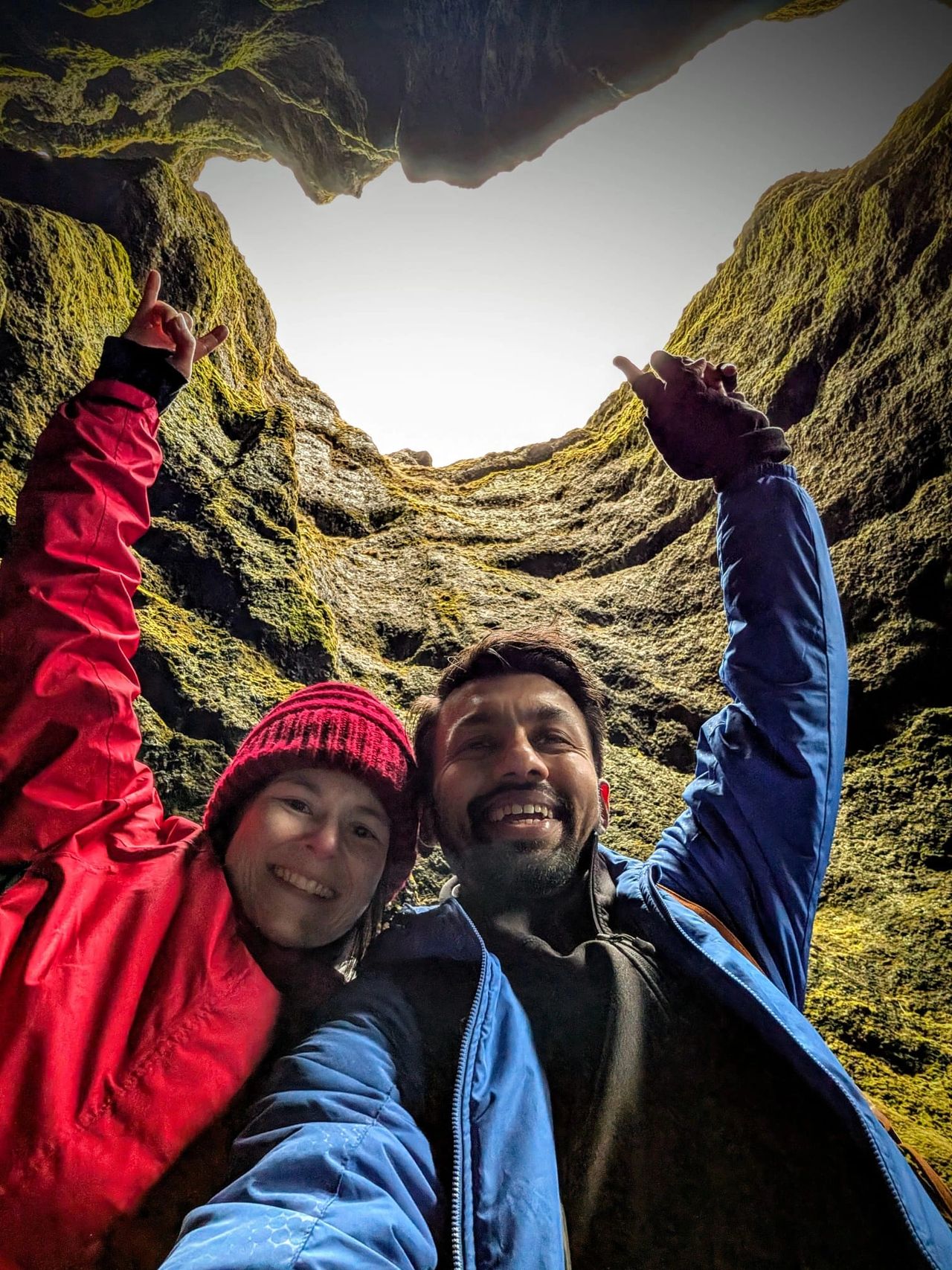
After finishing our hike, it was time to head to Arnarstapi — a small, scenic fishing village on the southern coast of the Snæfellsnes Peninsula, known for its dramatic cliffs, unusual rock formations, and a deep connection to Icelandic folklore. The port area is modest, but what it lacks in size, it more than makes up for in breathtaking views of the North Atlantic Ocean. When we visited, the surrounding lava cliffs were alive with seabirds, filling the air with sound and motion.
Bárður
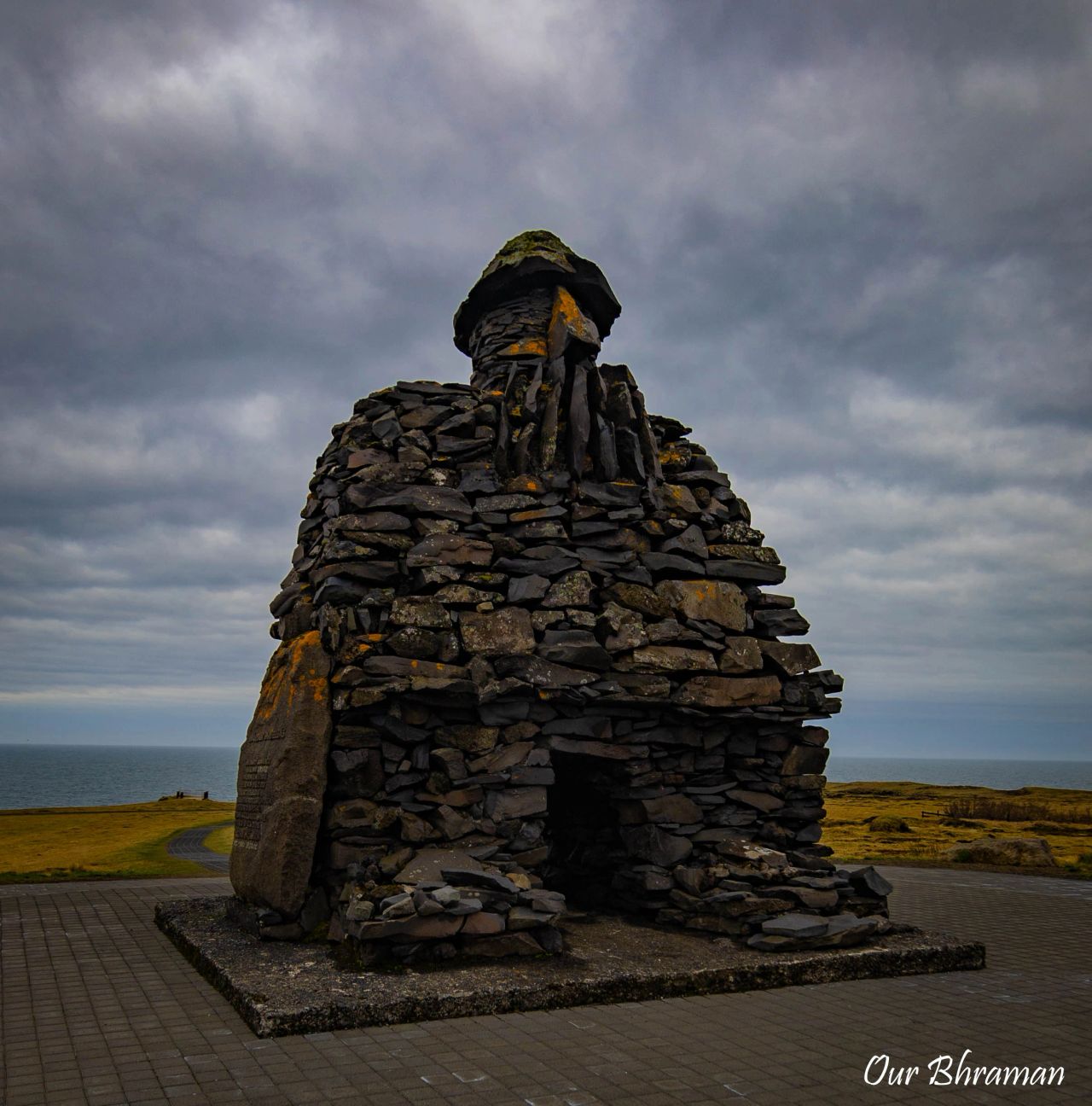
Our first stop was the Statue of Bárður Snæfellsás, the legendary guardian spirit of the peninsula.

According to folklore, he’s part man, part troll — a mysterious figure who watches over this wild and magical landscape. There was something so otherworldly and powerful about the statue that I couldn’t help but laugh at the random thought that popped into my head: he kind of reminded me of Hound, the Autobot commando from Transformers. Not sure if it was the broad stance, the stoic energy, or just my deep-rooted love for the movies — but there it was.
Snæfellsnes coastline
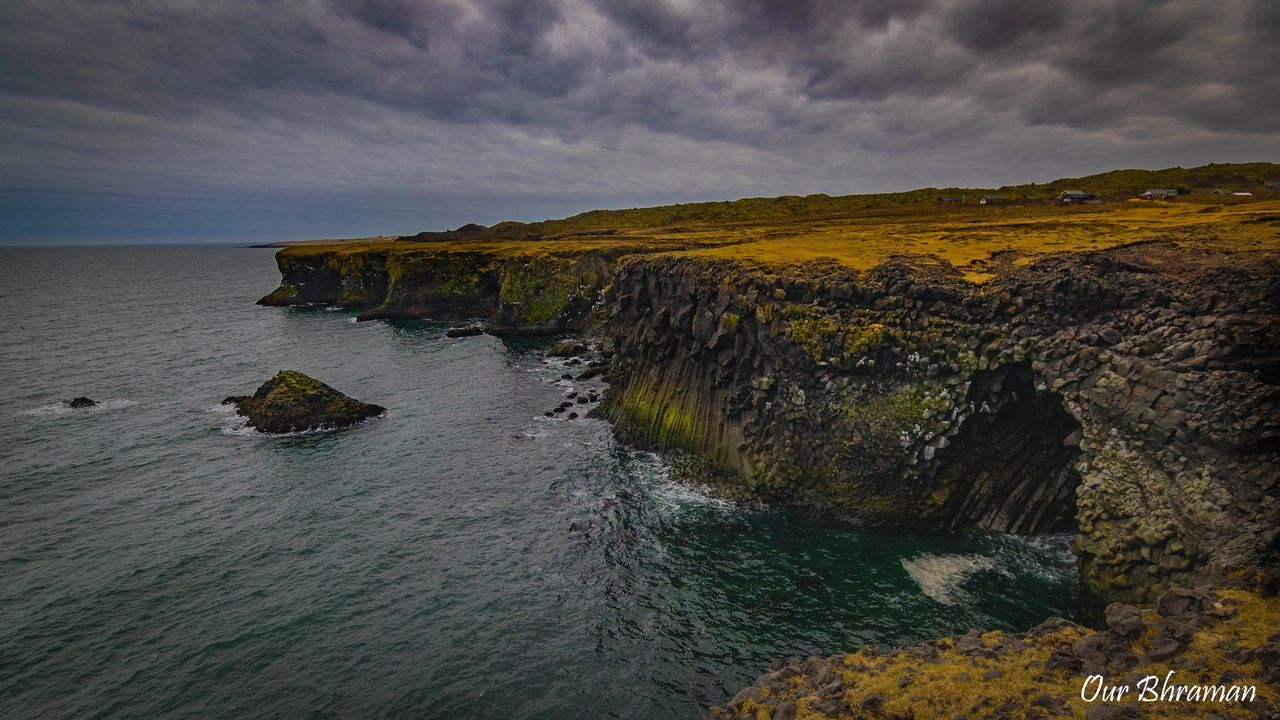
After visiting the Bárður Snæfellsás statue in Arnarstapi, we decided to take on the coastal hiking trail that starts just nearby.
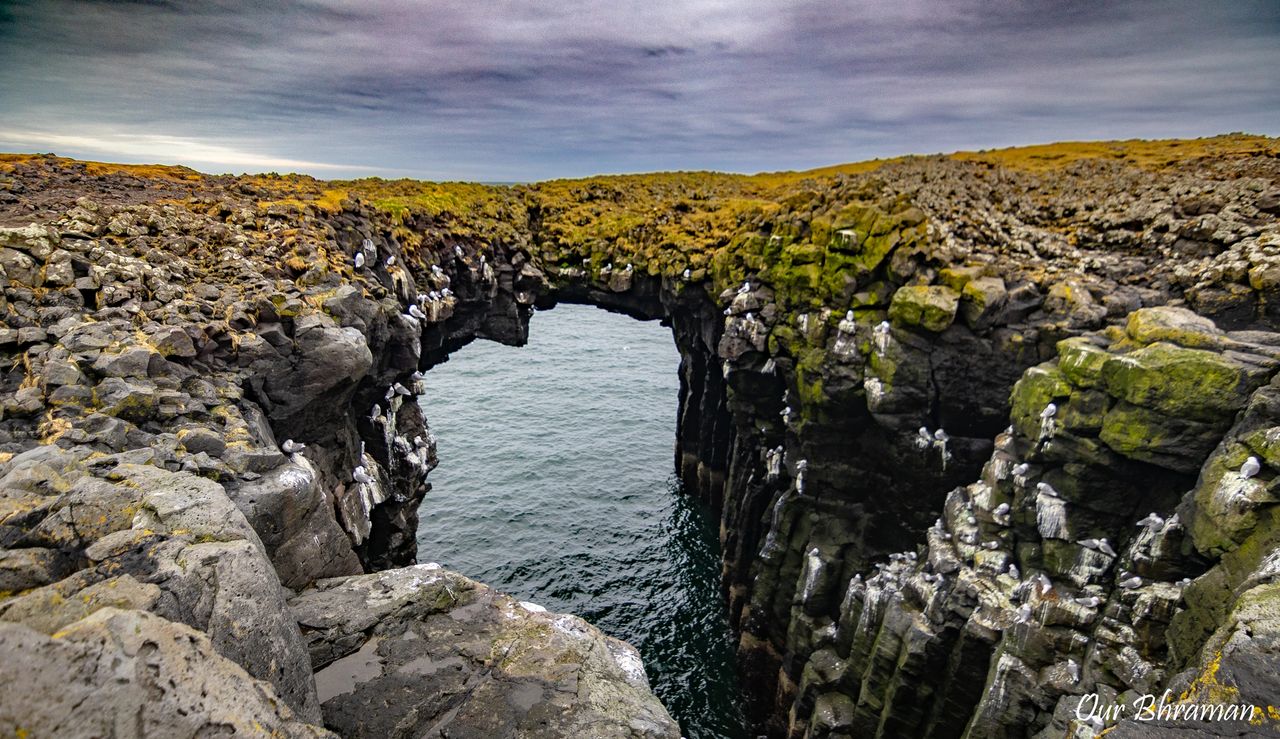
It was the perfect way to unwind after settling into the village — a light 2-hour roundtrip walk with minimal elevation, and exactly what we needed to stretch our legs and soak in the raw beauty of the Snæfellsnes coastline.
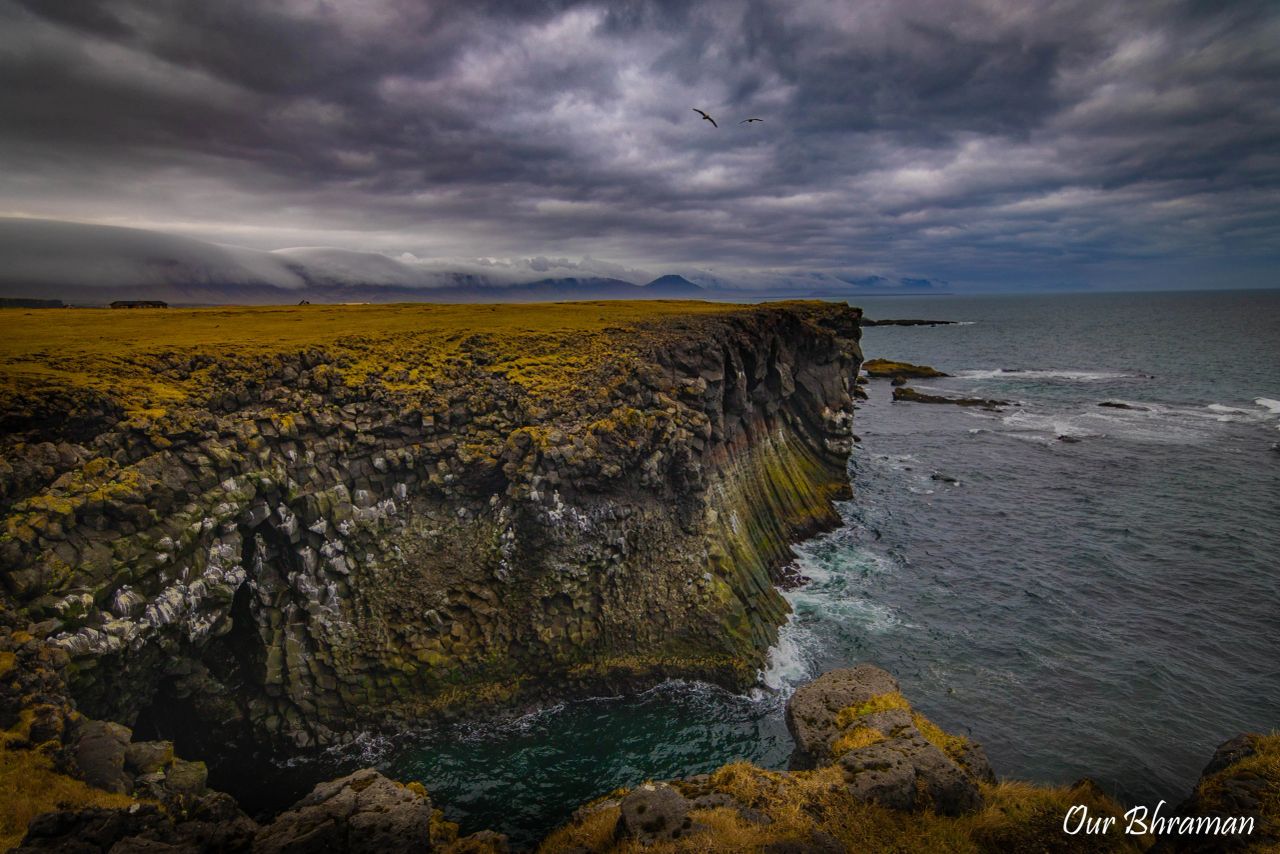
We chose to start from the harbor, and I’m so glad we did. The extra 10-minute walk was more than worth it — the harbor itself felt like a postcard come to life, with colorful boats bobbing gently in the water and cliffs rising up beyond. Before we knew it, we were standing beside the statue again, ready to follow the coastline toward Gatklettur, the famous stone arch.
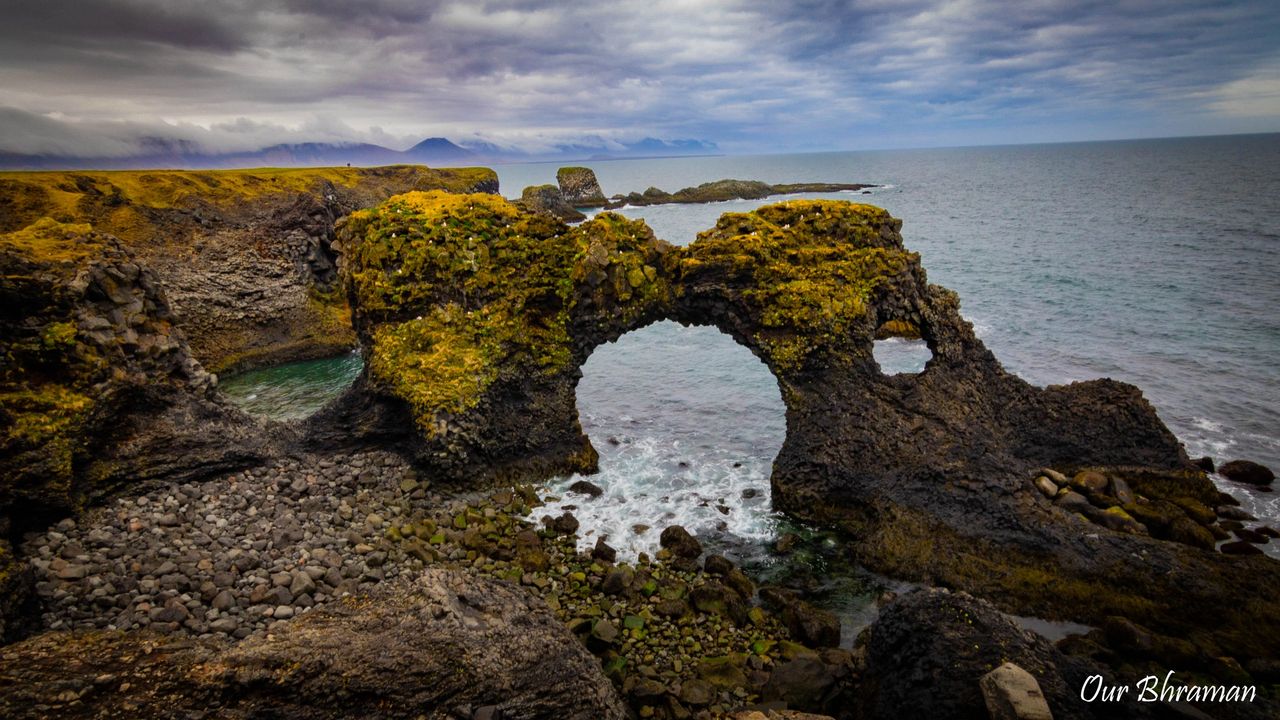
The trail was easy to follow, marked by red pegs, and what followed was a walk that felt straight out of a nature documentary. Basalt columns, tide-carved rock arches, and cliffside bird colonies lined the path.
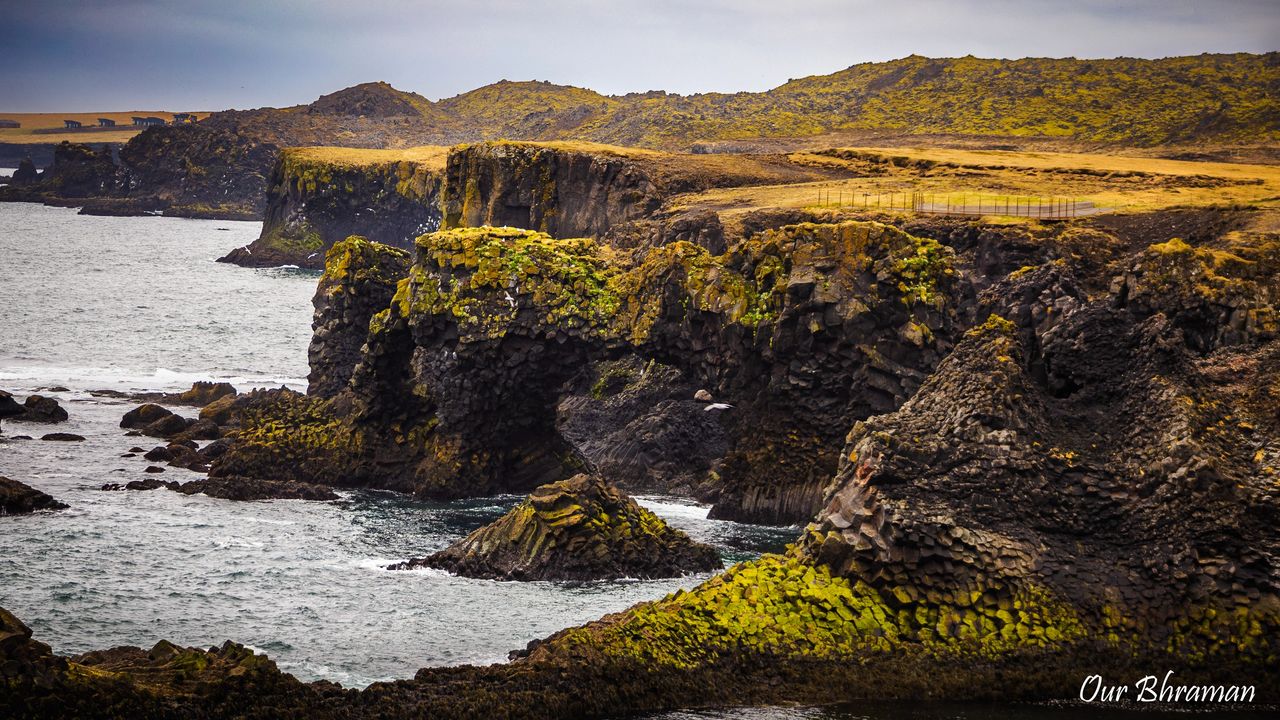
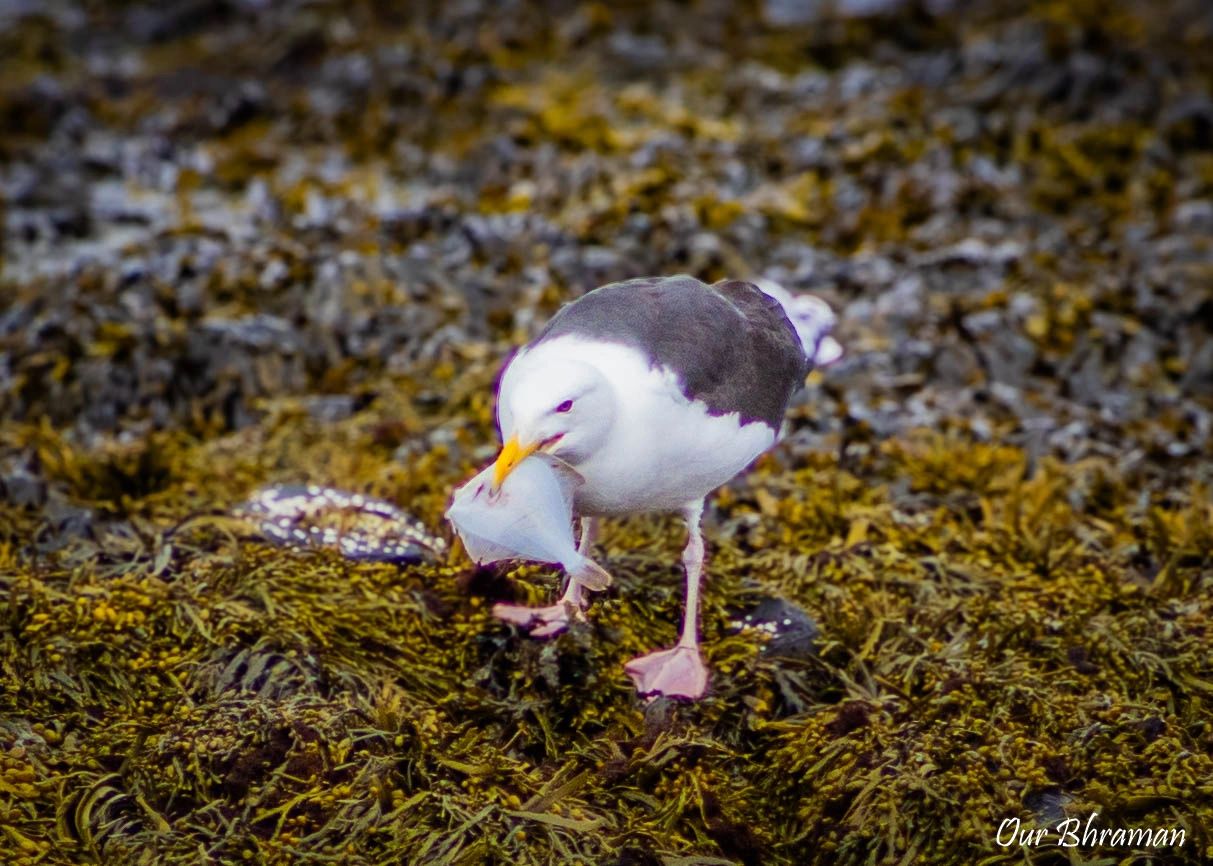
About 10 minutes in, we came across a small pond that was alive with seabirds — puffins, gulls, and others I couldn’t name. The air was filled with their calls, echoing through the natural sea tunnels carved into the cliffs. The sound was surprisingly beautiful, almost like the cliffs were alive and speaking back.
Djúpalónssandur
By the time we reached Djúpalónssandur, it was already 9 in the evening. Despite the cloudy skies, there was still enough light left to keep going — the long Icelandic days are something else. We had two more spots to explore before heading back to our hotel, but as we started down the winding path to the beach, time felt like it slowed.
We were surrounded by jagged lava formations, and an almost haunting silence hung in the air. The black sand under our feet was soft and cool, giving the whole place a surreal, almost otherworldly feeling — like stepping into a forgotten page of Iceland’s ancient story.
This beach isn’t just beautiful; it carries the weight of history and mystery. Once the site of a busy fishing village, Djúpalónssandur now stands quiet. Scattered across the sand are the rusted remains of the British trawler Epine (GY7), wrecked in 1948. The twisted metal, left as a memorial, felt especially ghostly in the dim light, like a quiet reminder of the lives lost at sea.
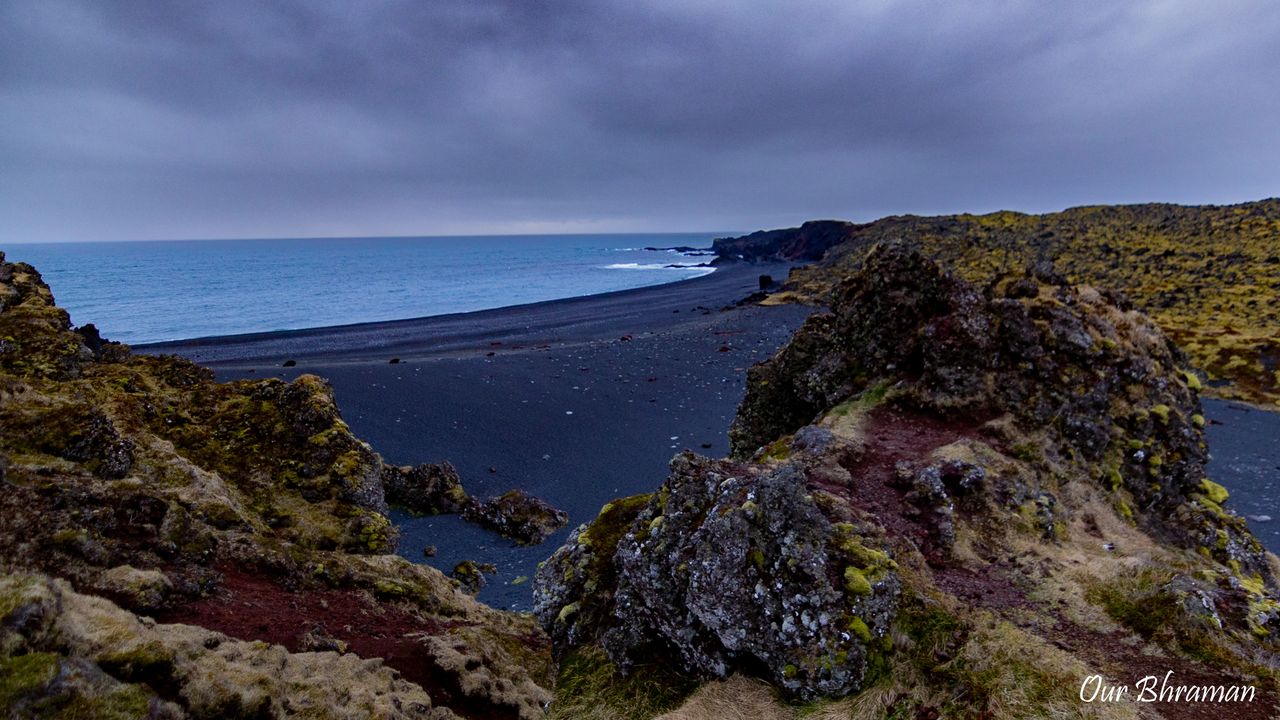
As we walked through the Lóndrangar lava field, we couldn’t help but feel the pull of Icelandic folklore. The shapes in the rocks, the deep silence, the chill in the air — it all made the legends of trolls, hidden people, and elves feel more real than myth. There’s even a story that elves protect this beach, and in that moment, I believed it.
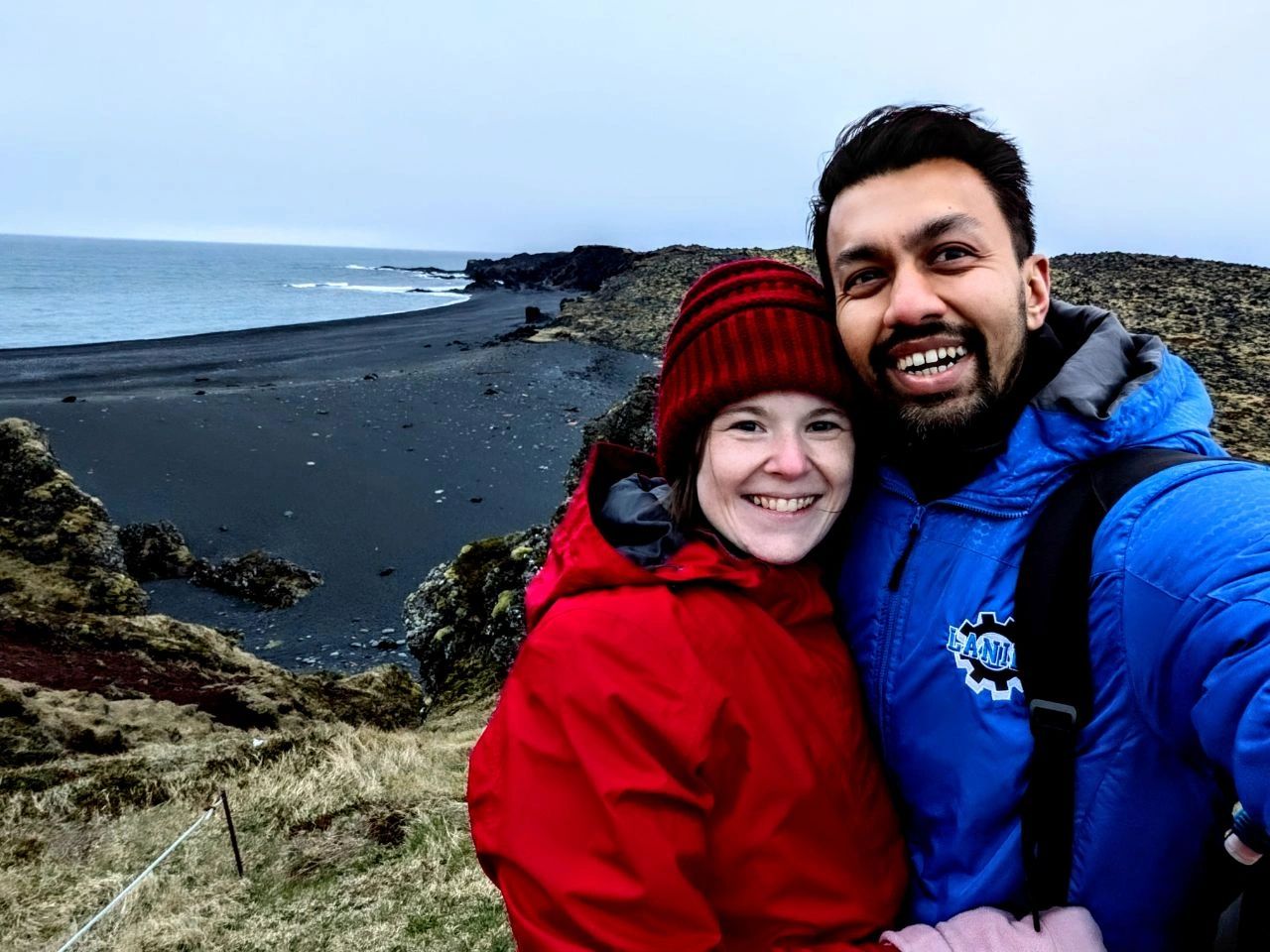
By the time the wind picked up and the temperature dropped, the beach had completely transformed. What had been stark and beautiful became something atmospheric and eerie. It felt like the land was asking us to admire quietly… and then leave respectfully.
Hellissandur- Street Art Capital of Iceland
We arrived our next stop, Hellissandur around 10 at night, and while most places would be pitch-dark or closing up by then, here in Iceland — especially in late spring — we still had enough soft evening light to explore. The village was quiet, almost empty, with hardly any people or cars around, which made wandering through the streets feel like a private gallery tour.
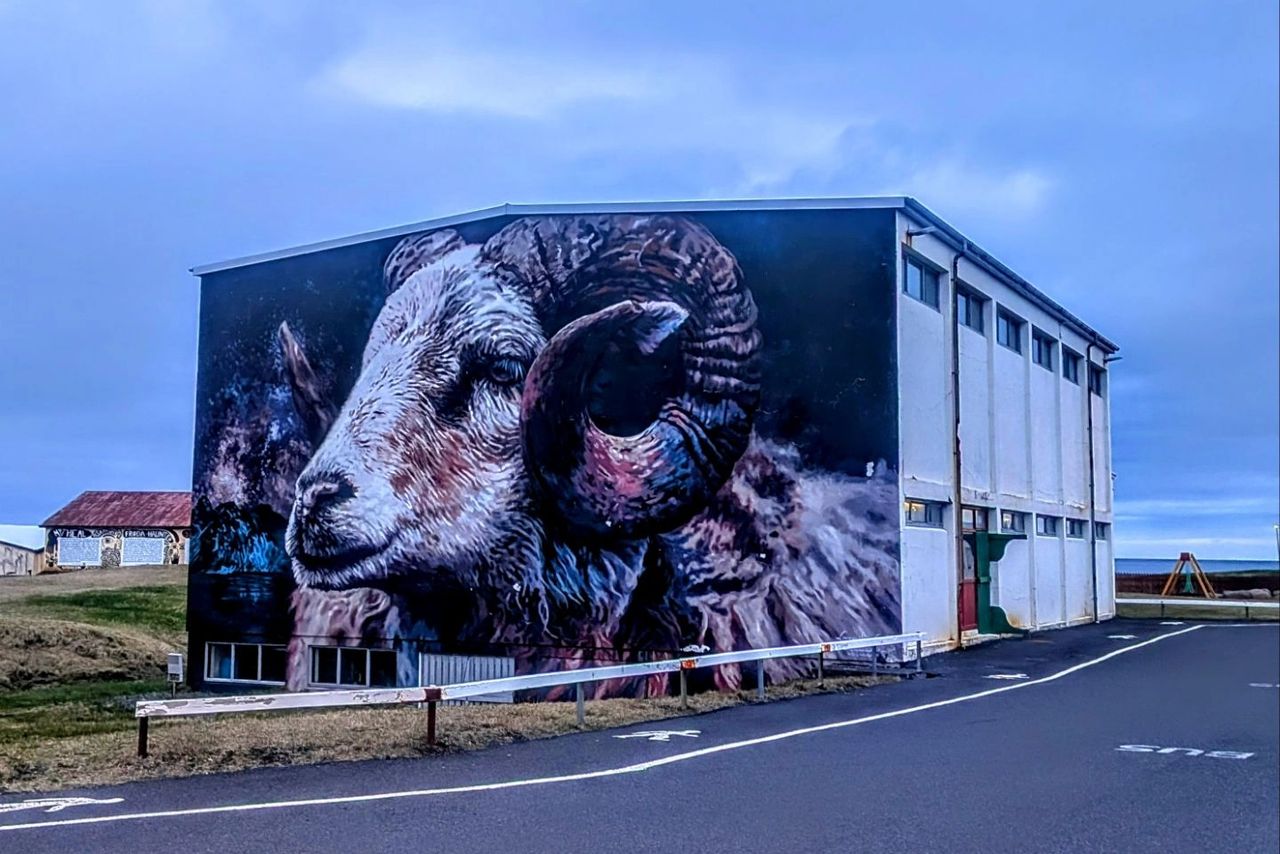
This place is known as the “Street Art Capital of Iceland,” Hellissandur is full of surprises. With over 40 vibrant murals painted across houses, sheds, and abandoned buildings, the town has been transformed into an open-air museum by both local and international artists. It was incredible to see how these massive works of art brought color and character to the quiet fishing village.
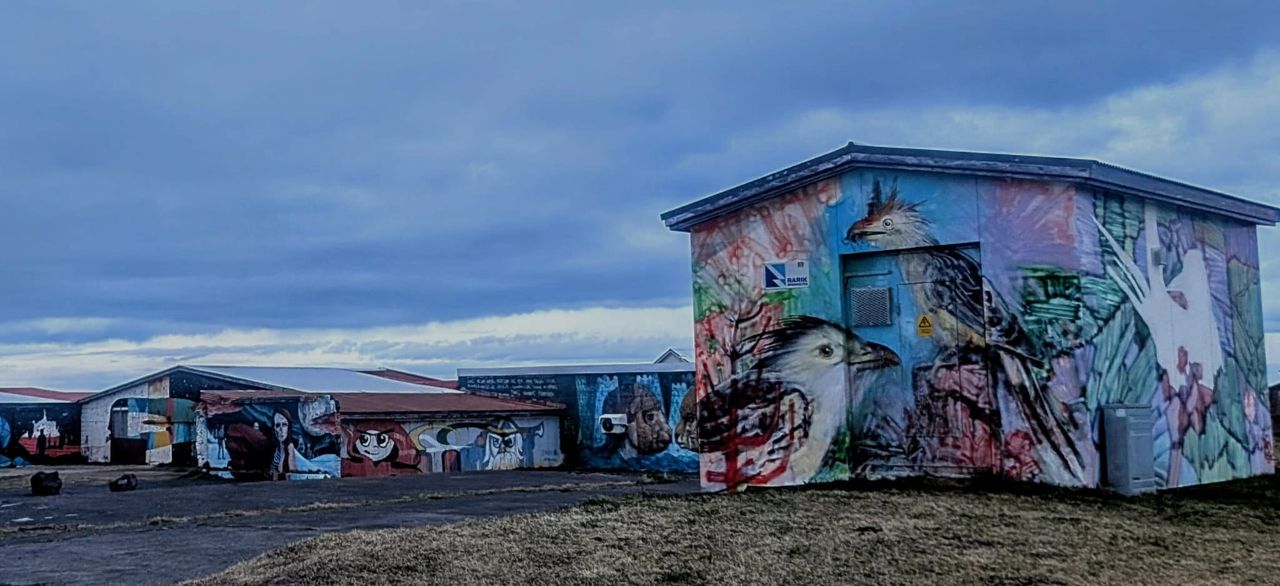
Every corner turned revealed something new — a towering puffin, a surreal glacier-themed piece, bold geometric designs, and haunting portraits that almost seemed to watch you as you passed. With no crowds, we could take our time, admire the details, and snap photos without a single person in the background.
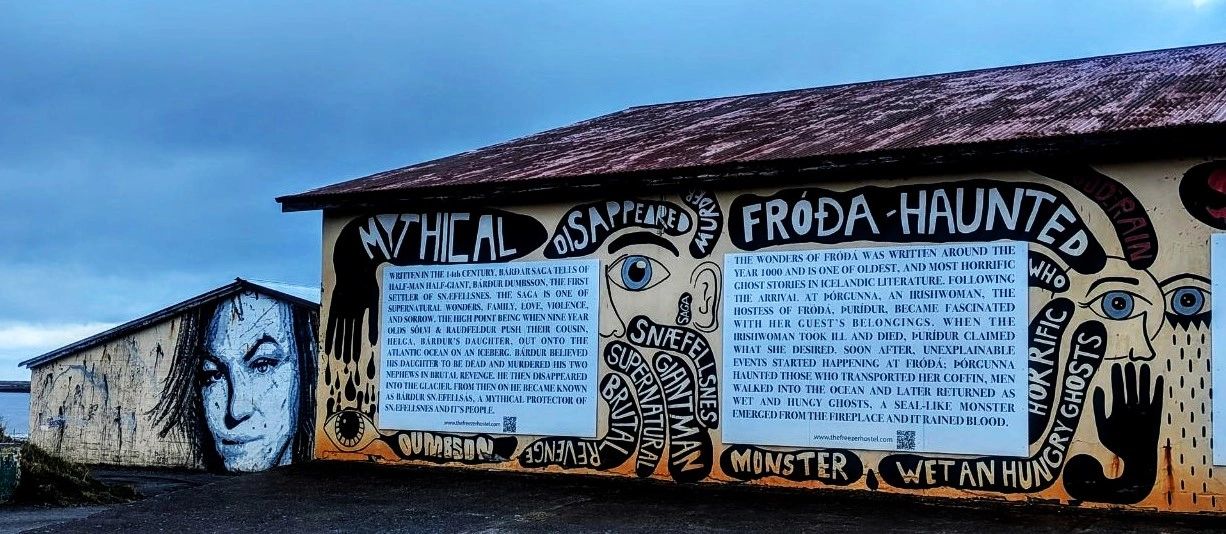
After spending about 10–15 minutes exploring the colorful streets of Hellissandur, we decided it was time to head back to our hotel. The day had been long, full of dramatic landscapes, unexpected stops, and unforgettable moments — and we were definitely feeling it. We grabbed a late dinner, recapped some of our favorite highlights, and happily called it a day. Iceland has a way of filling your soul and exhausting your legs — the best kind of tired.