Castel Sant’Angelo: From Emperor’s Tomb to Fortress
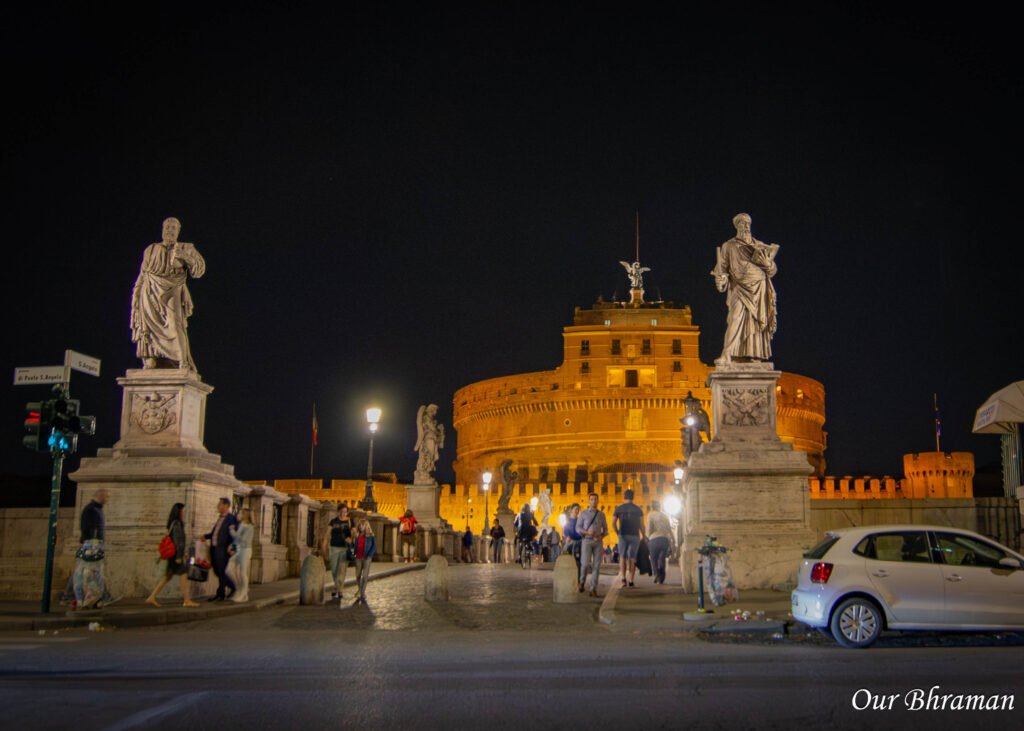
Castel Sant’Angelo, the massive round fortress standing beside the Tiber River. From the outside, it looked more like a medieval castle than an ancient Roman monument—but that is exactly what makes this place so fascinating.
 The story of Castel Sant’Angelo began almost 1,900 years ago, when Roman Emperor Hadrian commissioned the building around AD 123 as a mausoleum for himself and his family. The structure was completed around 139 AD, during the reign of his successor, Antoninus Pius.
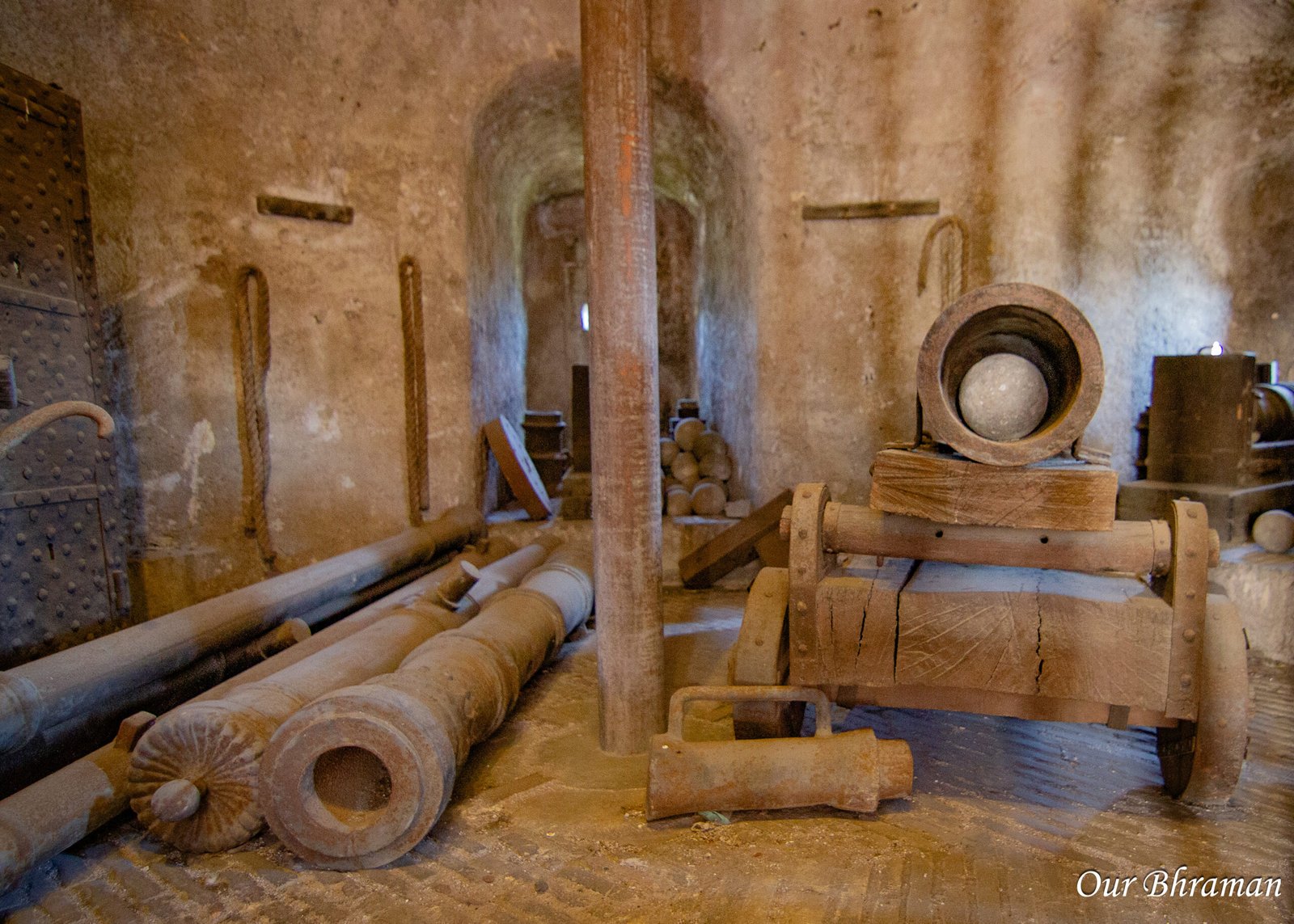
 Over the centuries, its purpose changed dramatically. The original mausoleum was transformed into a military fortress, and later became a papal refuge, prison, and residence. One of the most interesting features is the Passetto di Borgo, a fortified corridor connecting Castel Sant’Angelo to the Vatican. It allowed popes to escape to the fortress during times of danger.
As we walked around the castle, it was hard not to think about how many different chapters of Rome’s history had unfolded within these walls—from the Roman Empire to the medieval period and the age of the popes.
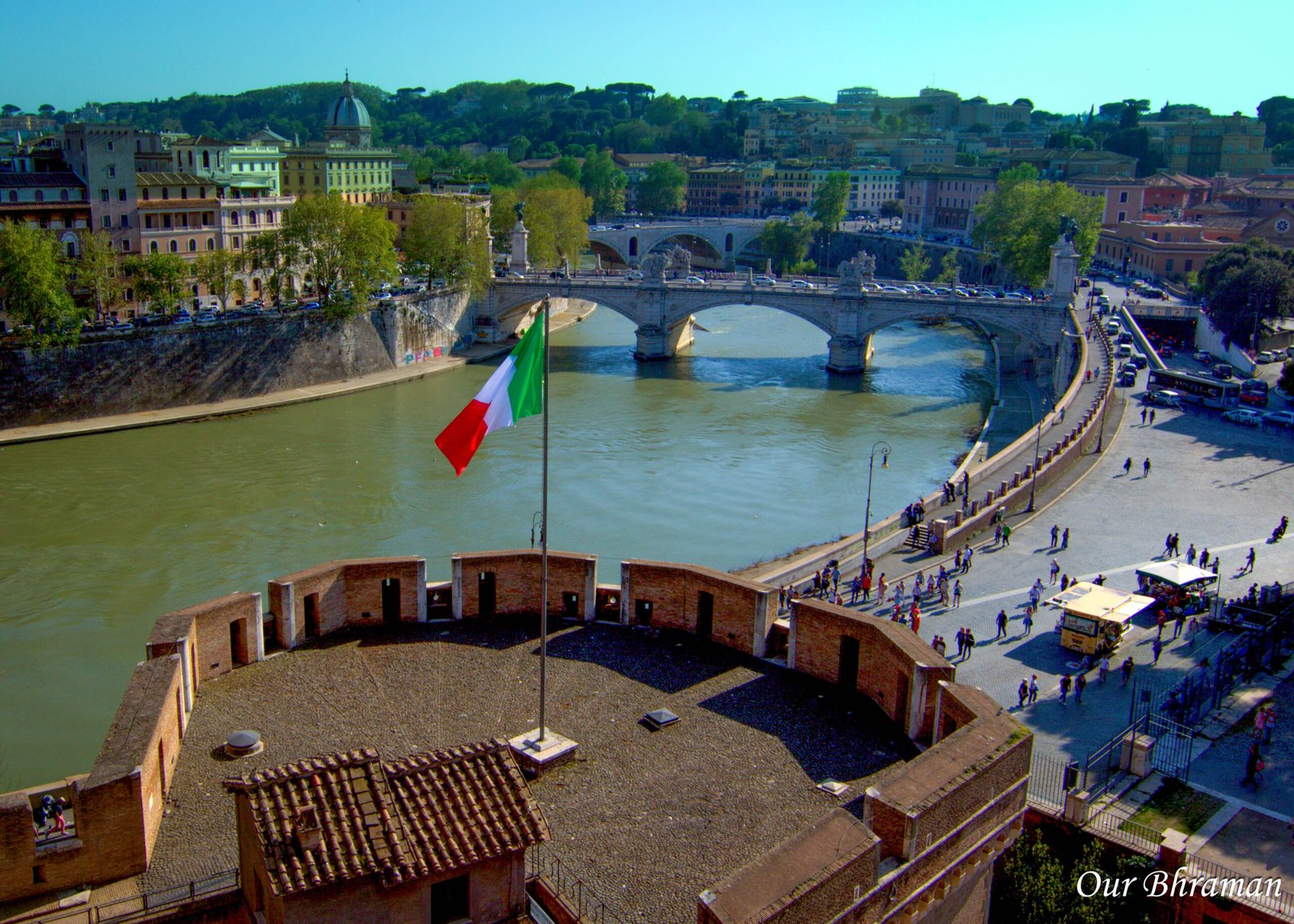
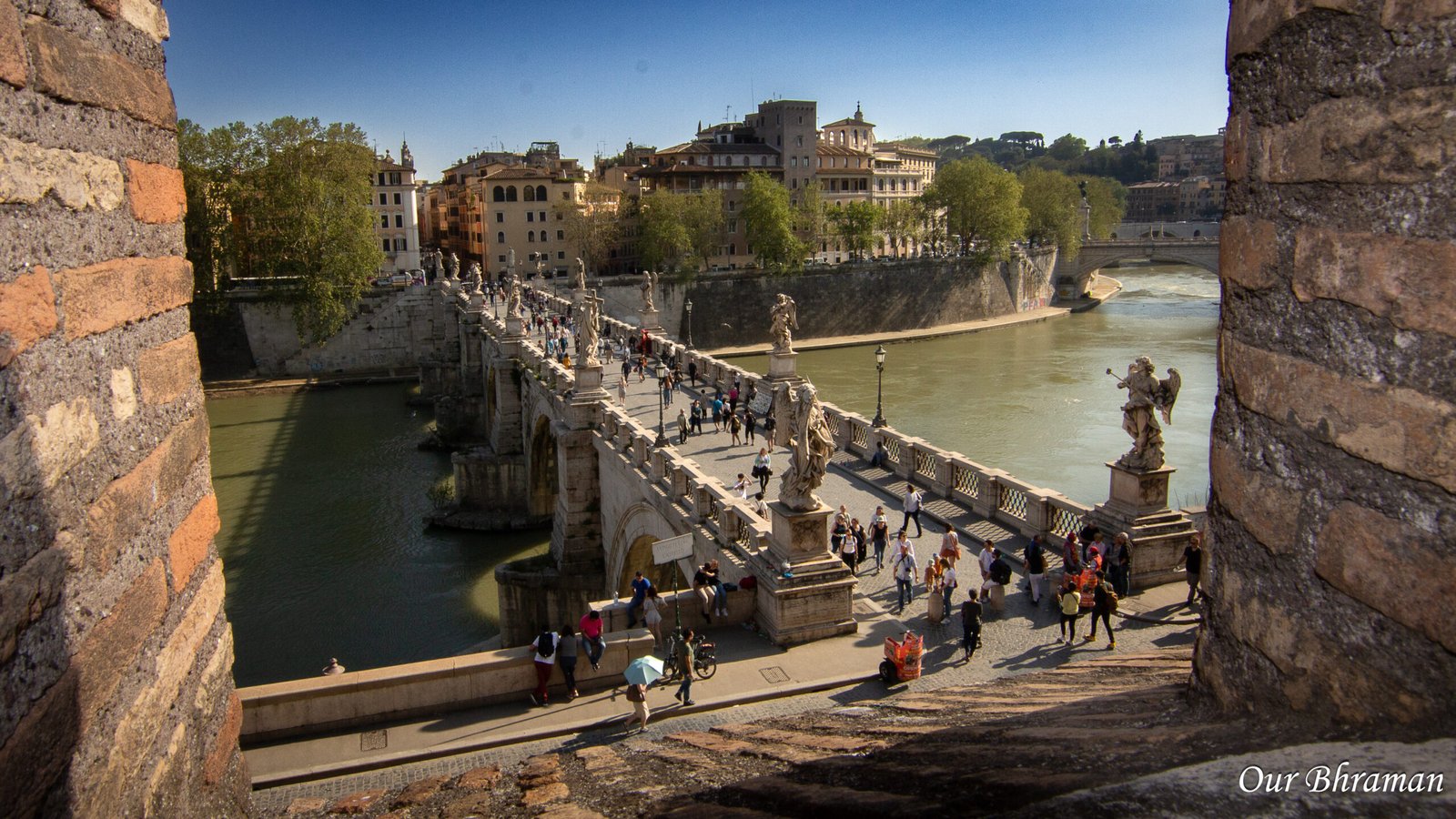
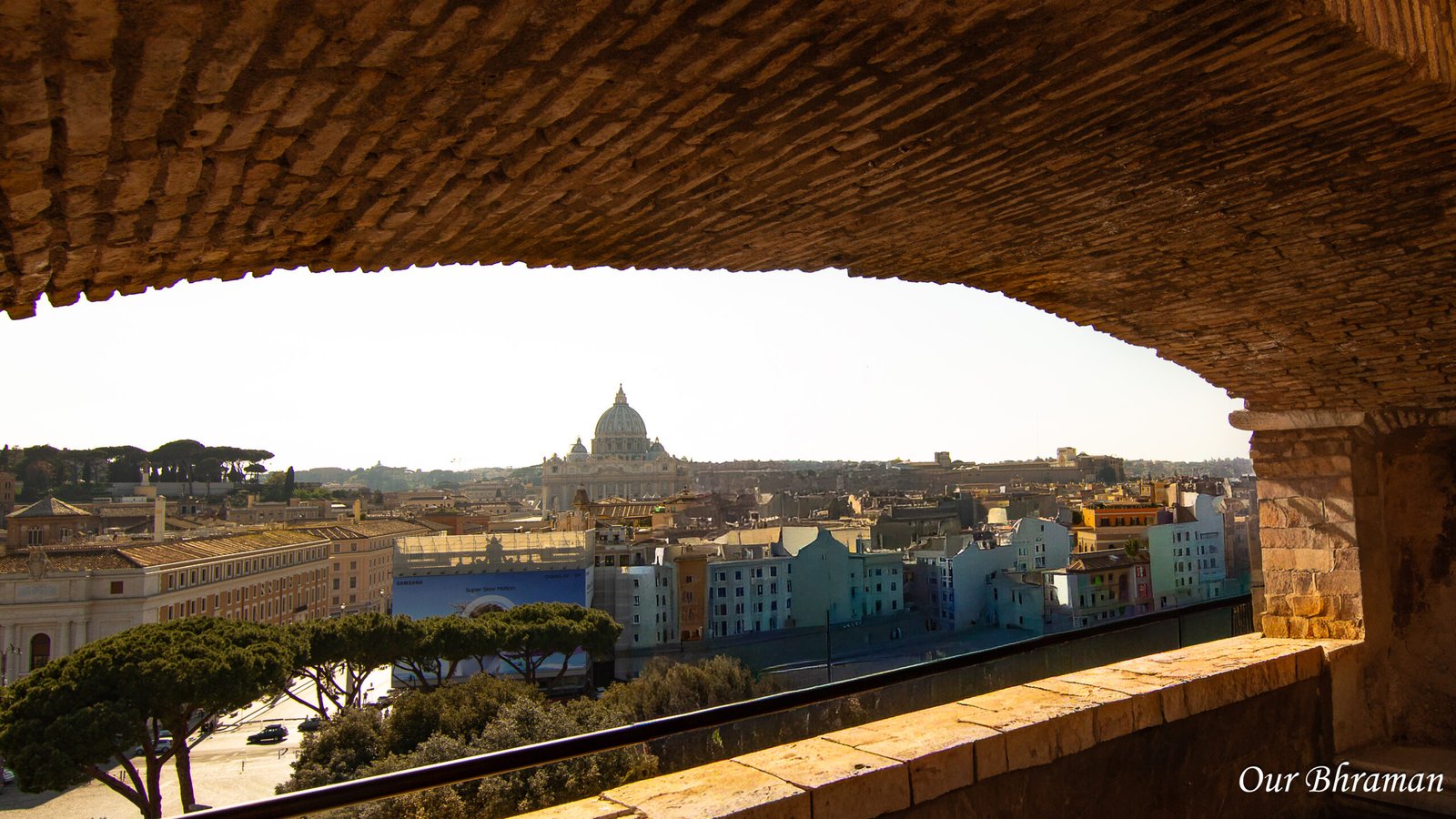 At the top, the views became the highlight for us. The Tiber River flowed below, while the dome of St. Peter’s Basilica rose dramatically in the distance. After spending much of the day walking through Rome, this was one of those places where we naturally slowed down and simply enjoyed the view.
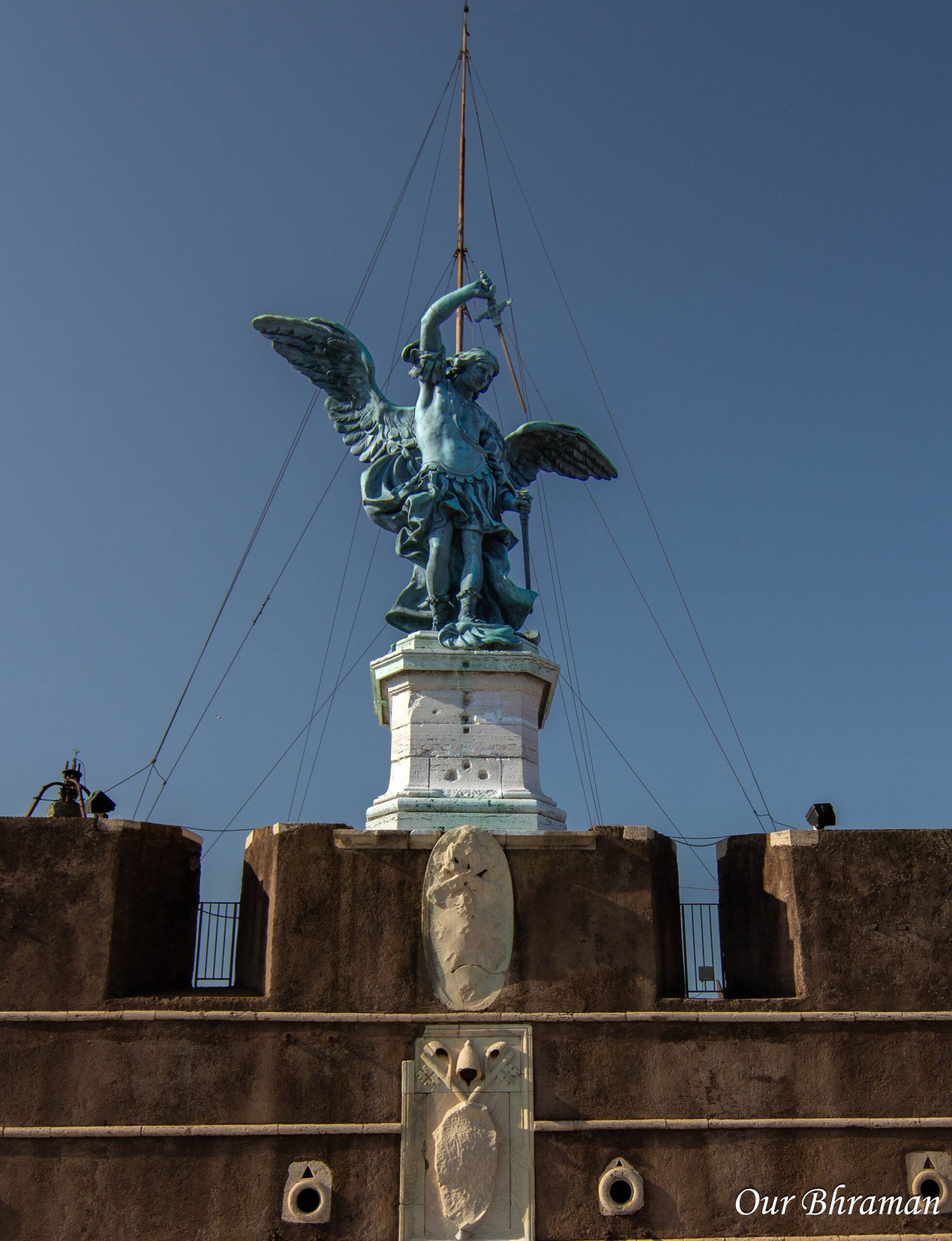 And then there was the famous statue of the Archangel Michael standing above the castle. According to tradition, the archangel appeared above the fortress in 590 AD, signaling the end of a plague in Rome. A statue of Michael was later placed on top of the building, giving the fortress its present name—Castel Sant’Angelo, or Castle of the Holy Angel.
What fascinated us most was how one building could tell so many different stories. It began as an emperor’s tomb, became a fortress, served the popes, and eventually became a museum.
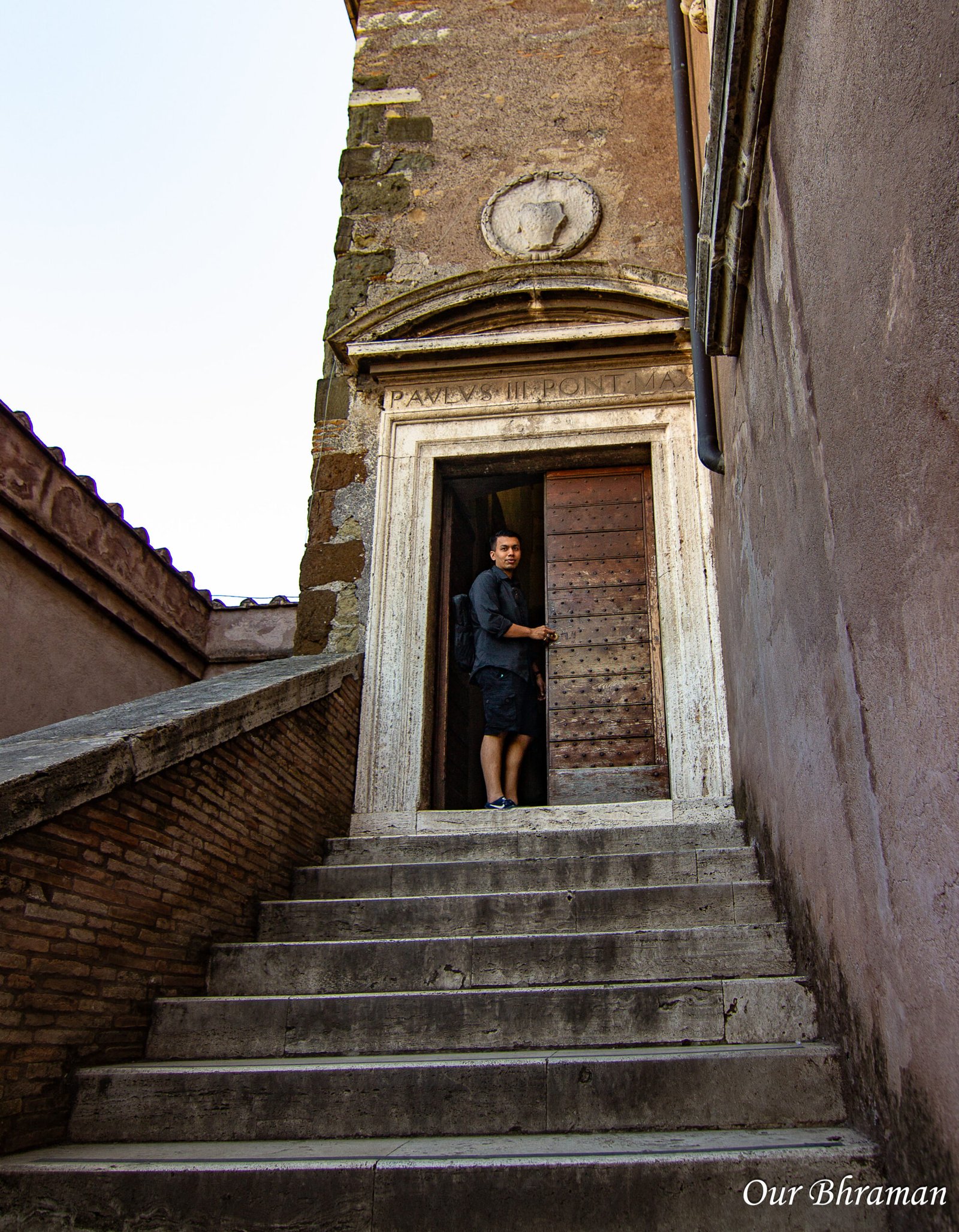 For us, Castel Sant’Angelo was another reminder that in Rome, history isn’t confined to ruins or museums. Sometimes, the history is the building you’re standing inside.