Day-5 Experiencing Rajput Valor and the Legacy of Mewar
We started the morning with an early breakfast, checked out of our hotel, and set off toward our first destination of the day — Maharana Pratap Smarak in Udaipur. It was a long travel day for us, with nearly a four-hour drive before reaching the memorial.
Perched on the hill of Moti Magri and overlooking the serene waters of Fateh Sagar Lake, the site offers both historical significance and beautiful panoramic views of the surrounding landscape.
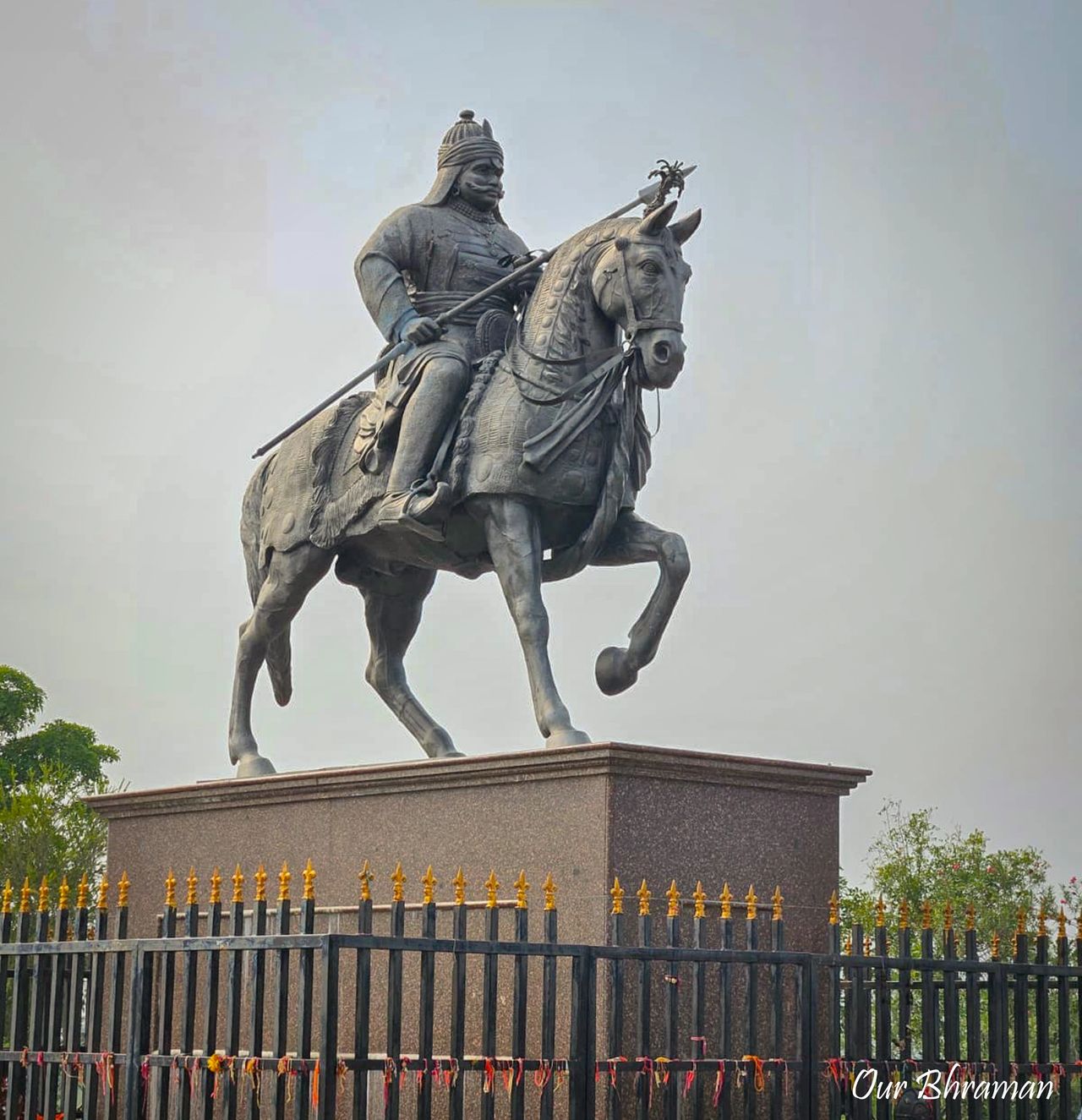
As we arrived, the striking statue of Maharana Pratap riding his loyal horse Chetak immediately caught our attention. Standing tall against the backdrop of the lake and hills, the statue felt like a powerful tribute to one of Rajasthan’s most respected warriors. This was a moment where history feels alive, and you can truly sense the pride and courage associated with the legendary ruler of Mewar.
One of the most interesting parts of our visit was the interactive museum experience. We attended a short movie and storytelling walkthrough that guides visitors through multiple themed rooms. As we moved from one room to another, the narration and visual displays unfolded the story of Maharana Pratap’s life, the history of the Mewar kingdom, and the famous Battle of Haldighati. The immersive setup made the experience engaging, almost like walking through a living timeline of Rajput history rather than simply reading information on museum boards. The storytelling, visuals, and historical context gave us a deeper appreciation of the struggles and resilience of the Rajput rulers who fought fiercely to protect their land and honor. What made the visit even more special was the peaceful atmosphere around the memorial and the scenic views of Fateh Sagar Lake from the hilltop.
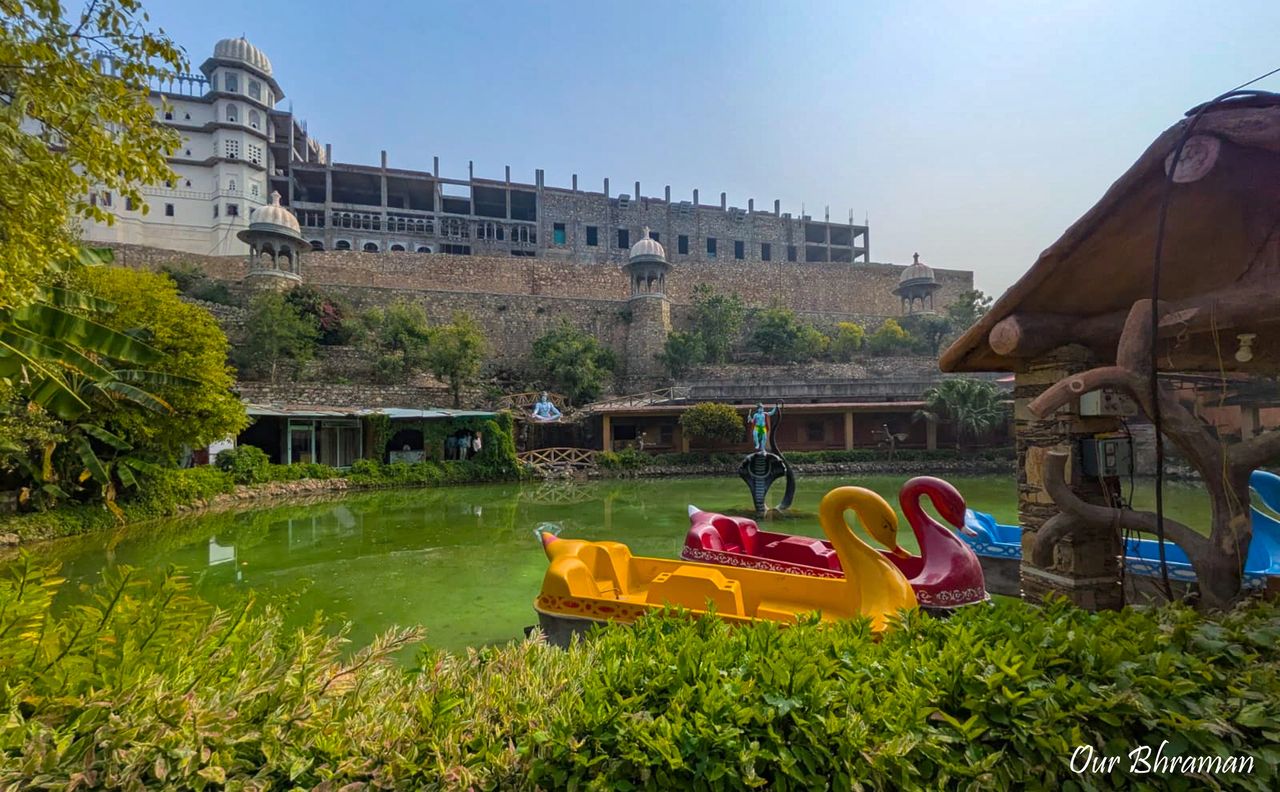
Outside the museum, the surrounding area is equally pleasant. The memorial grounds include beautifully maintained green spaces, walking paths, and even a small pond that adds to the peaceful atmosphere.
Later in the evening, we made our way to the ever-beautiful Lake Pichola for what turned out to be one of the most soothing moments of our trip in Udaipur. After a long day of travel, stepping onto the boat felt like finally taking a deep breath. The lake was calm, a gentle breeze moved across the water, and as the sun slowly began to set, the entire scene softened into warm golden hues. Watching the light ripple across the lake and reflect off the surrounding palaces was one of those quiet travel moments where you simply pause and take everything in.
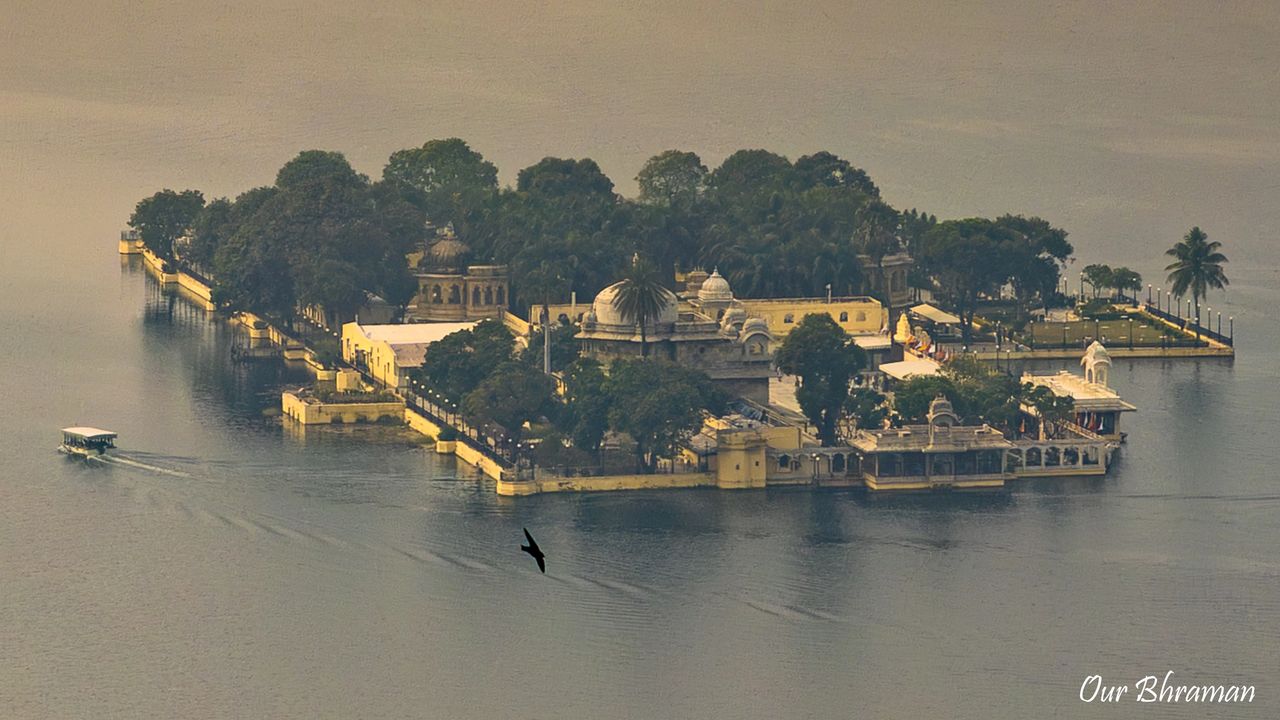
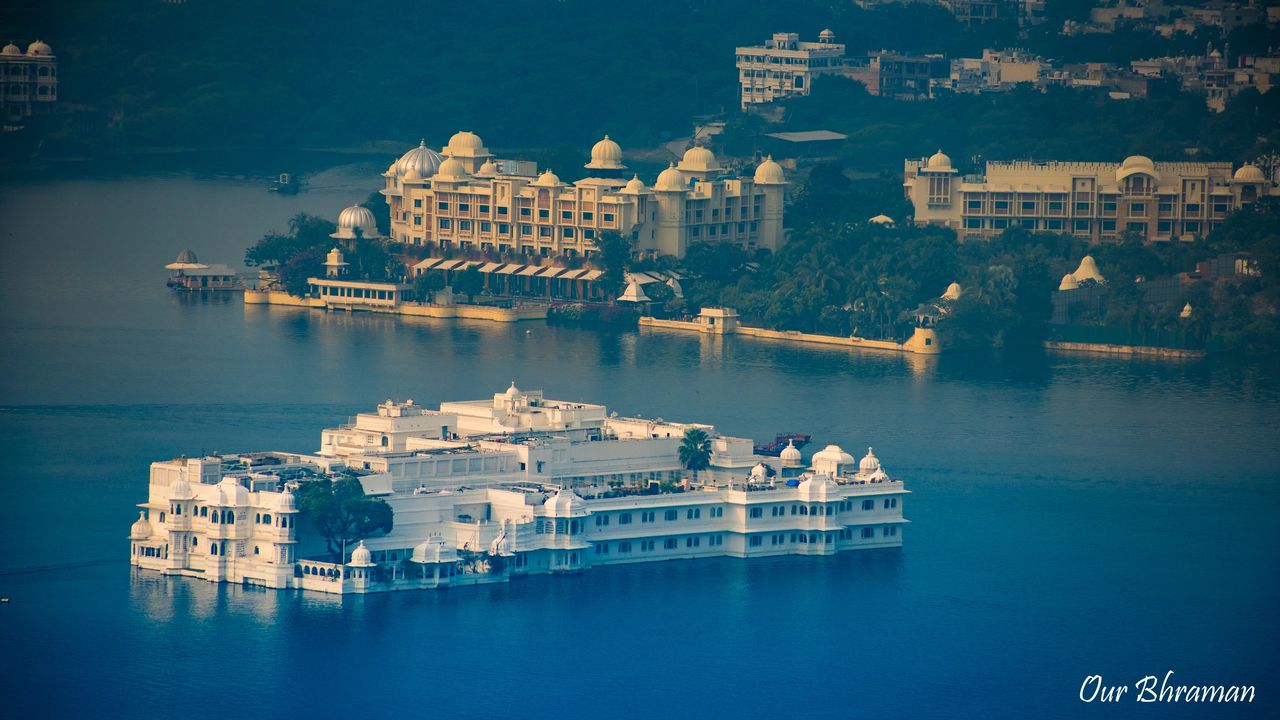
As our boat drifted across the water, we were surrounded by the very landmarks that make Lake Pichola so iconic. The first to capture our attention was the breathtaking Taj Lake Palace (Jag Niwas), a stunning white marble palace that appears to float gracefully in the middle of the lake. A little farther away stood Jag Mandir, glowing softly in the evening light. Knowing it once served as a royal retreat made the experience feel even more special, almost as if we were gliding through a living piece of history.
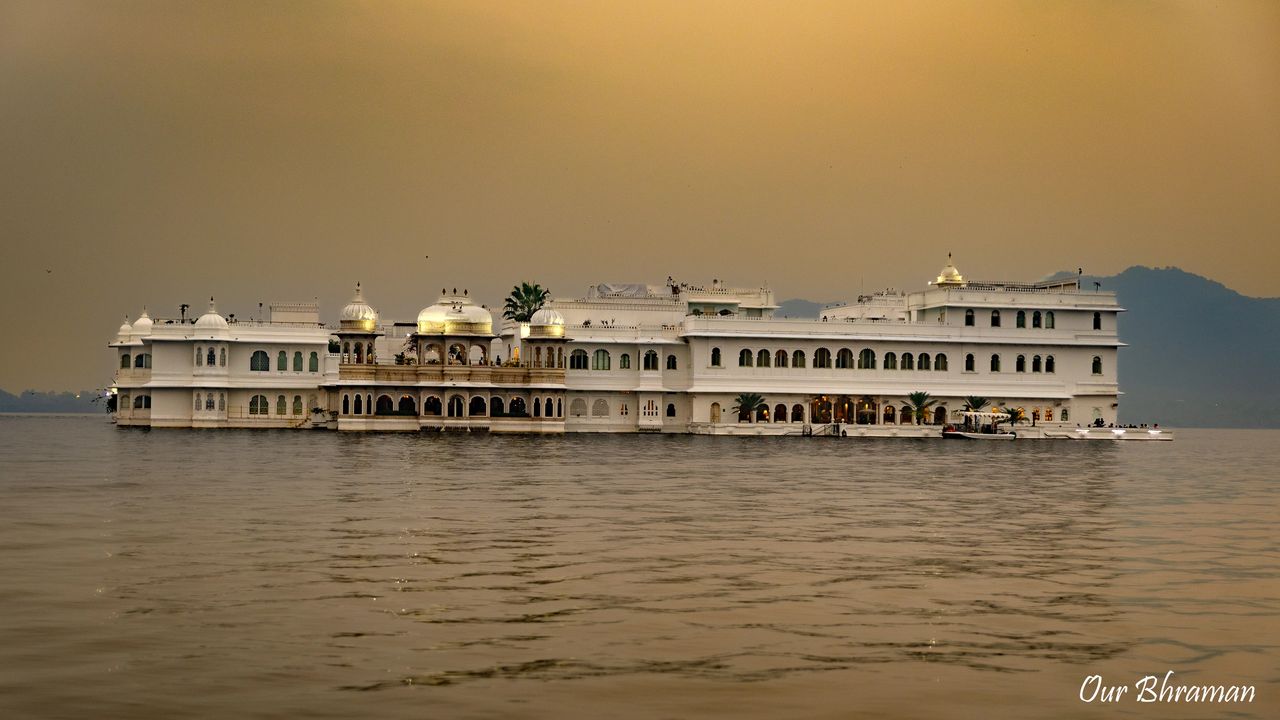
During our boat ride on Lake Pichola, we also heard an interesting fact about the iconic Taj Lake Palace from the boat guide. He mentioned that the palace is one of Udaipur’s most famous landmarks and is often featured in travel photography, films, and cultural showcases. Today, the palace operates as a luxury heritage hotel and is also a popular venue for destination weddings and high-profile events, making it one of the most sought-after locations in the city.
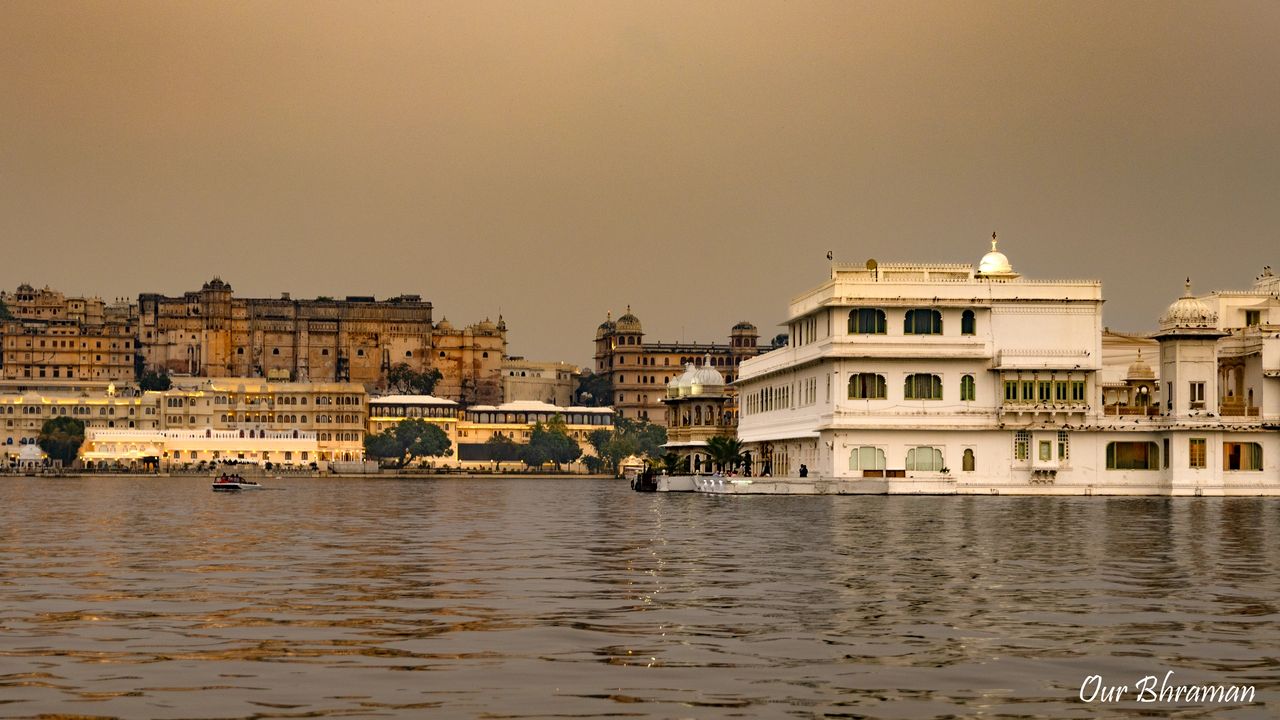
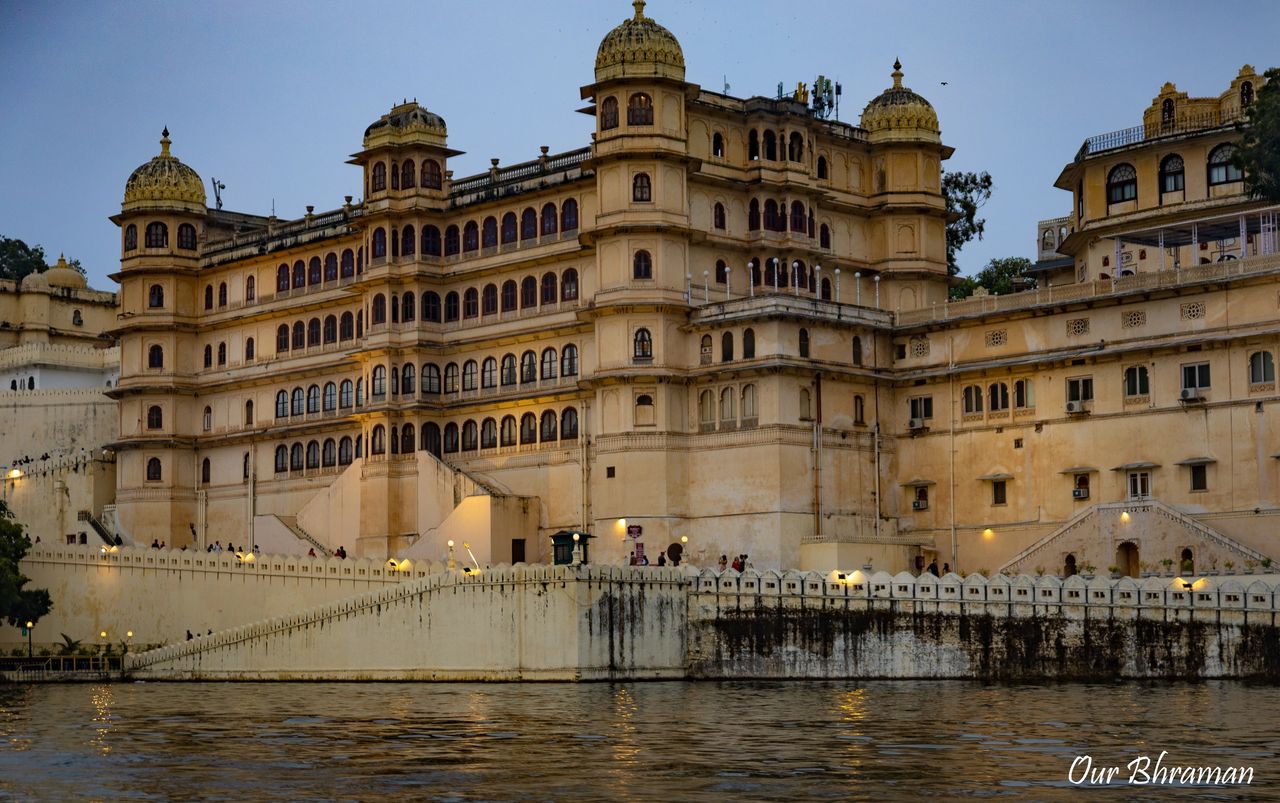
From the lake, we also enjoyed beautiful views of the grand City Palace Udaipur rising along the eastern banks. We passed by historic spots like Gangaur Ghat, where locals gather for festivals and cultural rituals, adding life and character to the tranquil setting. As the sun dipped lower, the reflections of palaces, temples, and old havelis shimmered across the water, turning the entire panorama into something truly magical.
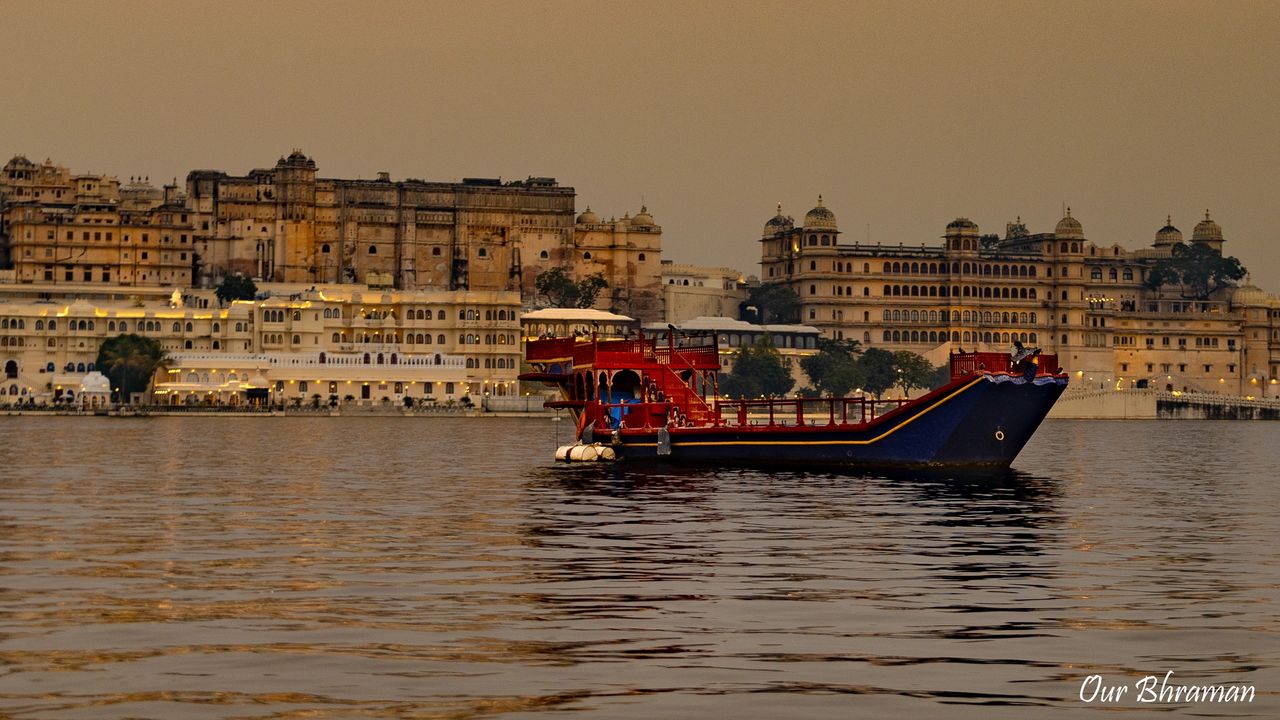
One of the most mesmerizing parts of the ride was watching how the sky slowly transformed during the journey. When we first stepped onto the boat, the sky was still a soft blue, but as we moved farther into the lake, it gradually shifted into warm shades of gold and orange. Within minutes, the horizon began painting itself with deeper sunset colors—hints of pink, amber, and soft purple.
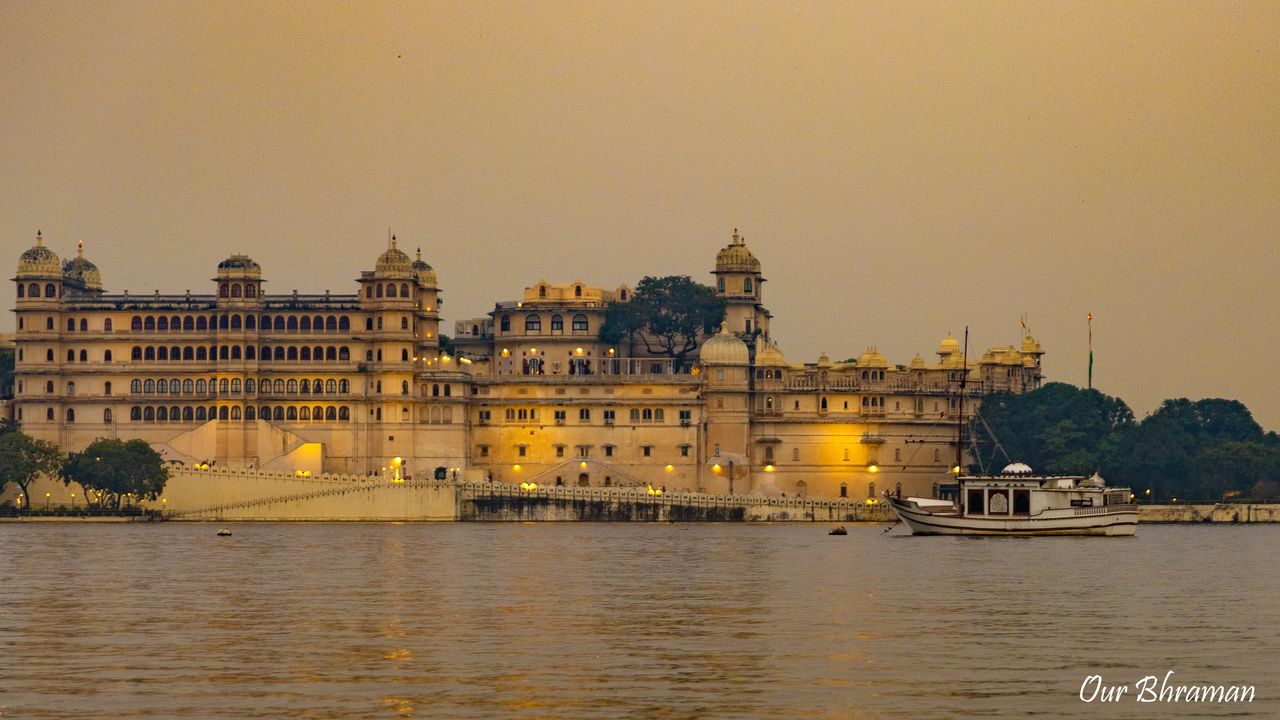
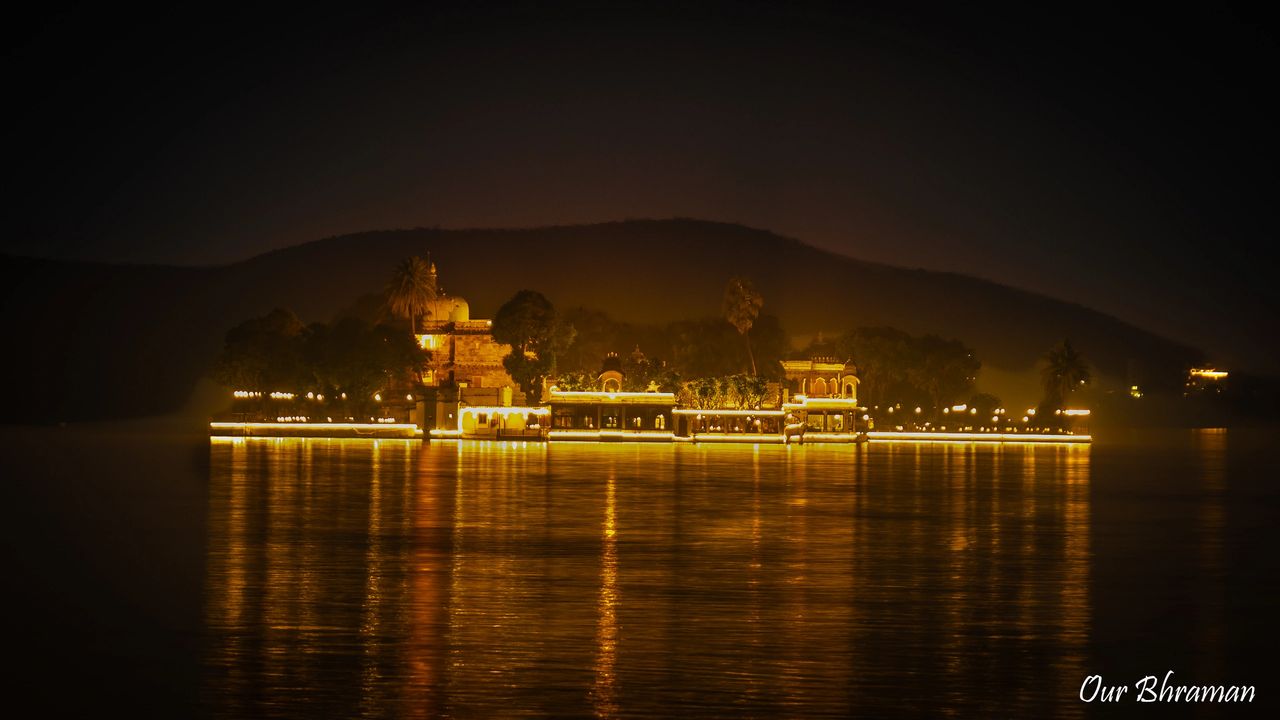
With every turn of the boat, the landscape seemed to change: palaces glowing in golden light, silhouettes of temples and ghats, and reflections dancing across the water. By the time the boat began heading back toward the docking point, the sky had completely transformed, and the city lights were beginning to appear along the shoreline. It felt like watching several different landscapes unfold during a single boat ride.
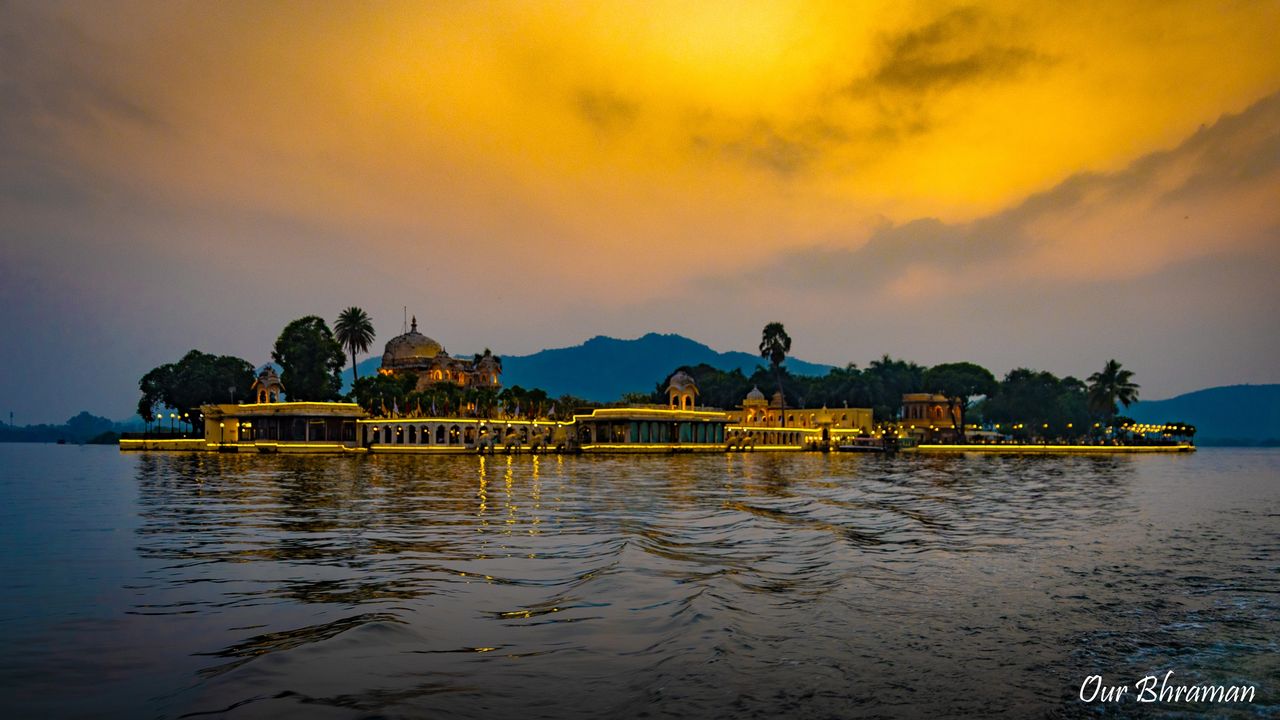
As our boat continued across Lake Pichola, we passed by the impressive Jag Mandir. Built by the rulers of Mewar, this historic palace is known for its beautiful blend of Rajput and Mughal architecture, intricate carvings, and elegant marble structures. In the past, it served as a summer resort and pleasure palace for the royal family of Udaipur. We learned that there are usually two types of boat rides on the lake—one that simply circles around the lake and another that stops at Jag Mandir so visitors can explore the palace grounds. Although we didn’t get the chance to step inside the palace during our ride, we were still able to admire many of its beautiful features from the water.
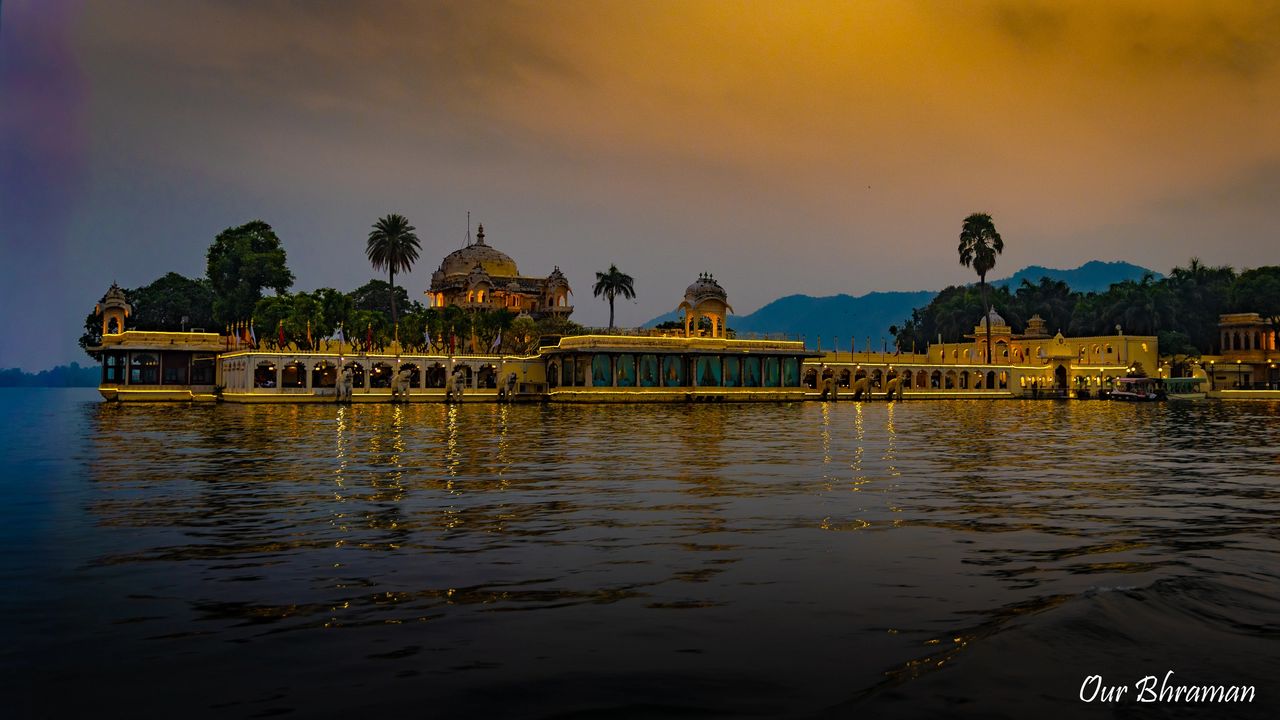
From the boat, we could clearly see the majestic elephant statues standing along the entrance by the water, welcoming visitors arriving by boat. The palace’s graceful domed pavilions, ornate arches, and marble façades stood out beautifully against the evening sky. Surrounding the palace were lush gardens and tall palm trees, adding to the serene island atmosphere. Even from a distance, Jag Mandir looked incredibly elegant, making it one of the most picturesque sights on the lake
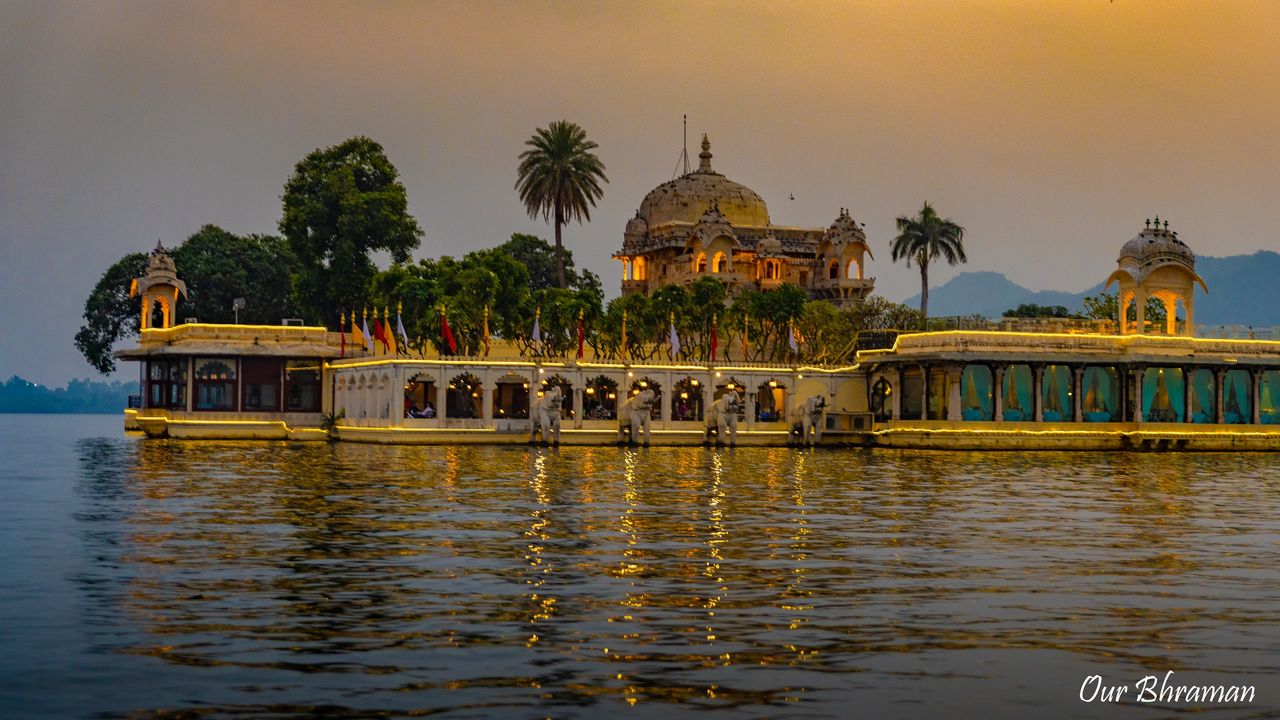
Boat rides are available throughout the day, but the sunset rides are the most popular and usually cost a bit more. Still, watching the sky change from warm orange to soft pink while the palaces slowly lit up in the fading evening light made it completely worth it. For us, it was far more than just a boat ride—it became one of the most peaceful and memorable experiences of our time in Udaipur. It was a fitting end to the day’s sightseeing.
Day 6
The next morning, we set out to explore the palace we had admired from afar the evening before. We purchased our tickets at the counter near the entrance, where our driver dropped us off at the closest parking area. From there, we began a short walk toward the stunning Taj Fateh Prakash Palace. Once the royal court of the Maharanas of Mewar, the palace today invites visitors to step into its timeless grandeur. Set along the eastern shores of the serene Lake Pichola, it looks like something straight out of a fairytale.
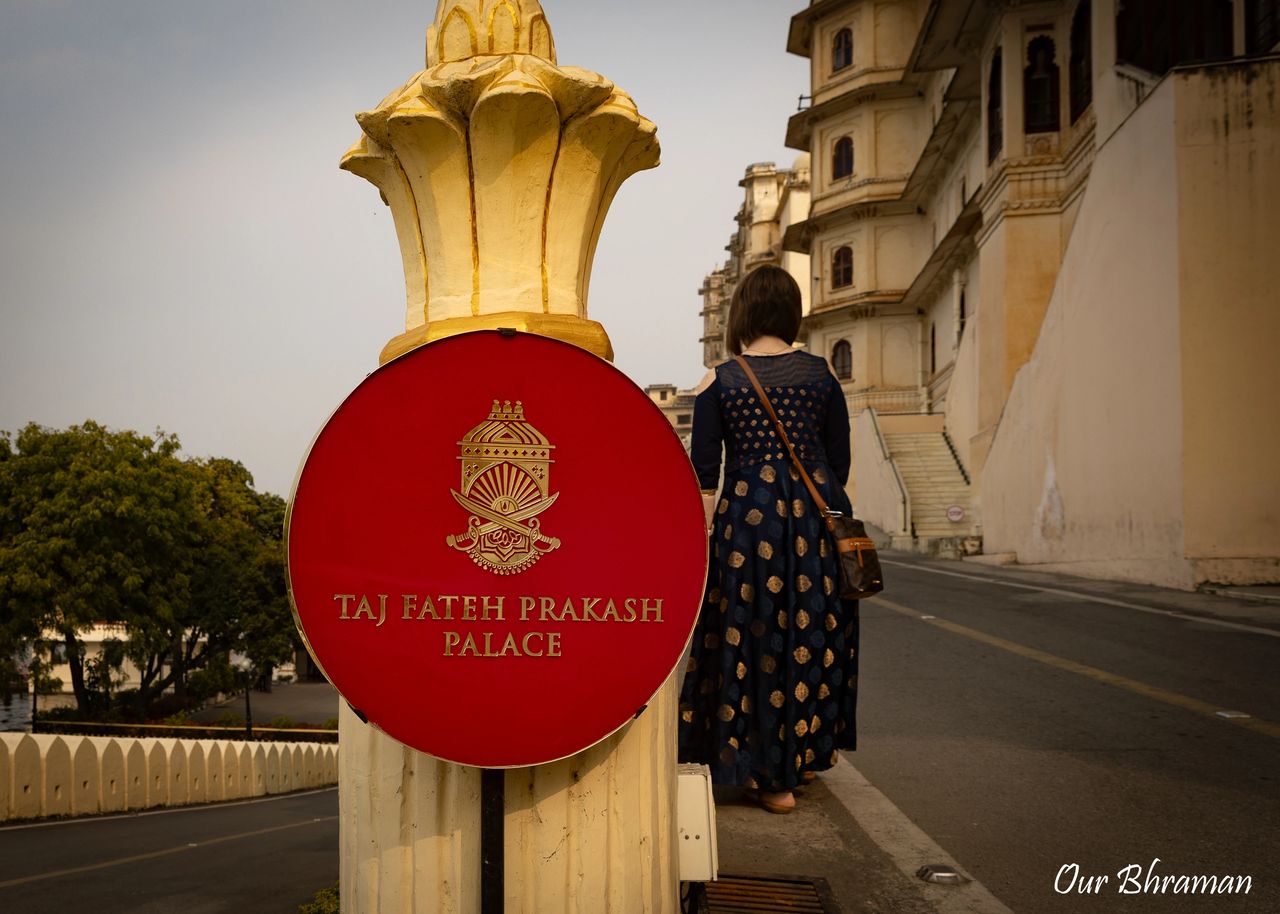
Our driver dropped us right in front of the ticket counter, and from there, the journey began. Tickets were straightforward—₹400 for adults (₹300 for seniors), with an additional ₹100 if you want access to the museum.
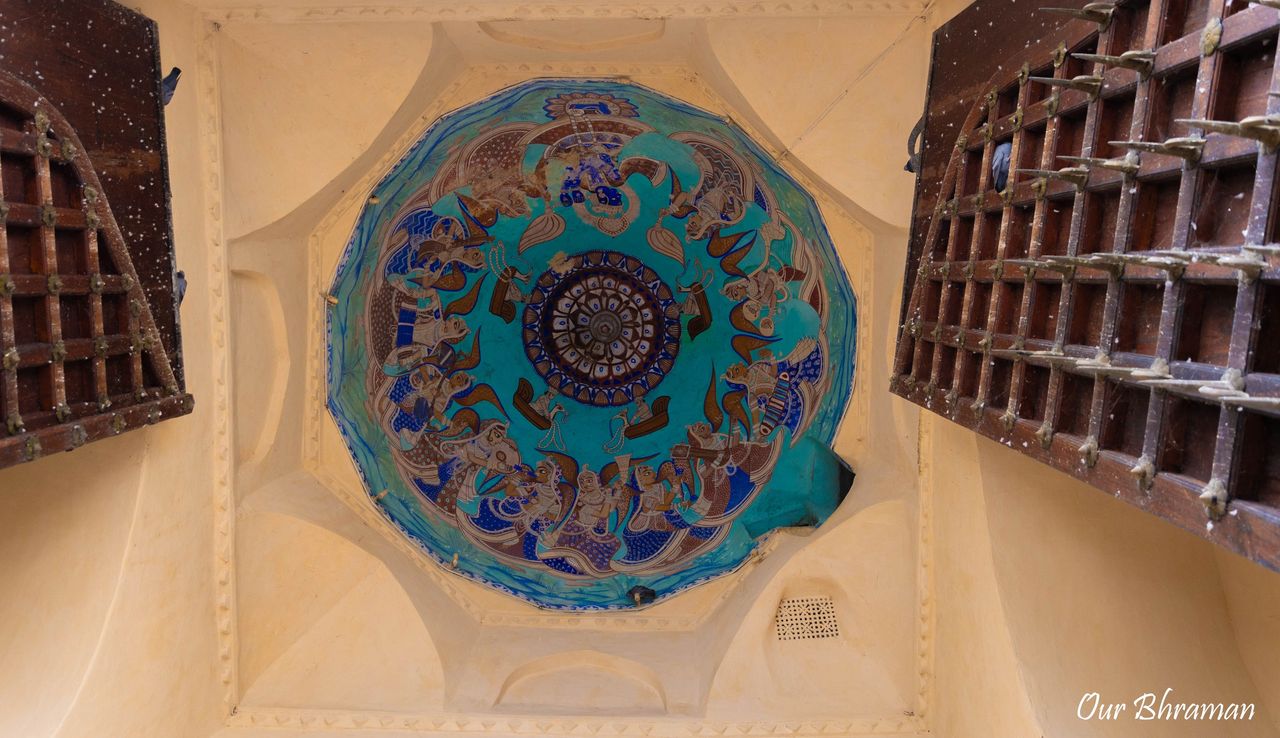
From the ticket area, you have two options: walk up or take a small shuttle. We chose to walk—it’s a slightly steep but manageable path—but if you prefer, there’s a trailer vehicle available for ₹50 (cash only) that takes you up in about 5–10 minutes. At the entrance of Taj Fateh Prakash Palace, we were instantly drawn to the intricately painted dome ceiling above us. Drenched in vibrant shades of blue and turquoise, the artwork showcased exquisite traditional Rajasthani craftsmanship.
At the center, a circular motif unfolded into detailed scenes—possibly mythological tales or royal moments—surrounded by delicate patterns and figures. It was one of those details that’s easy to miss if you’re rushing in, but taking a moment to look up truly reveals the artistic soul of the palace.
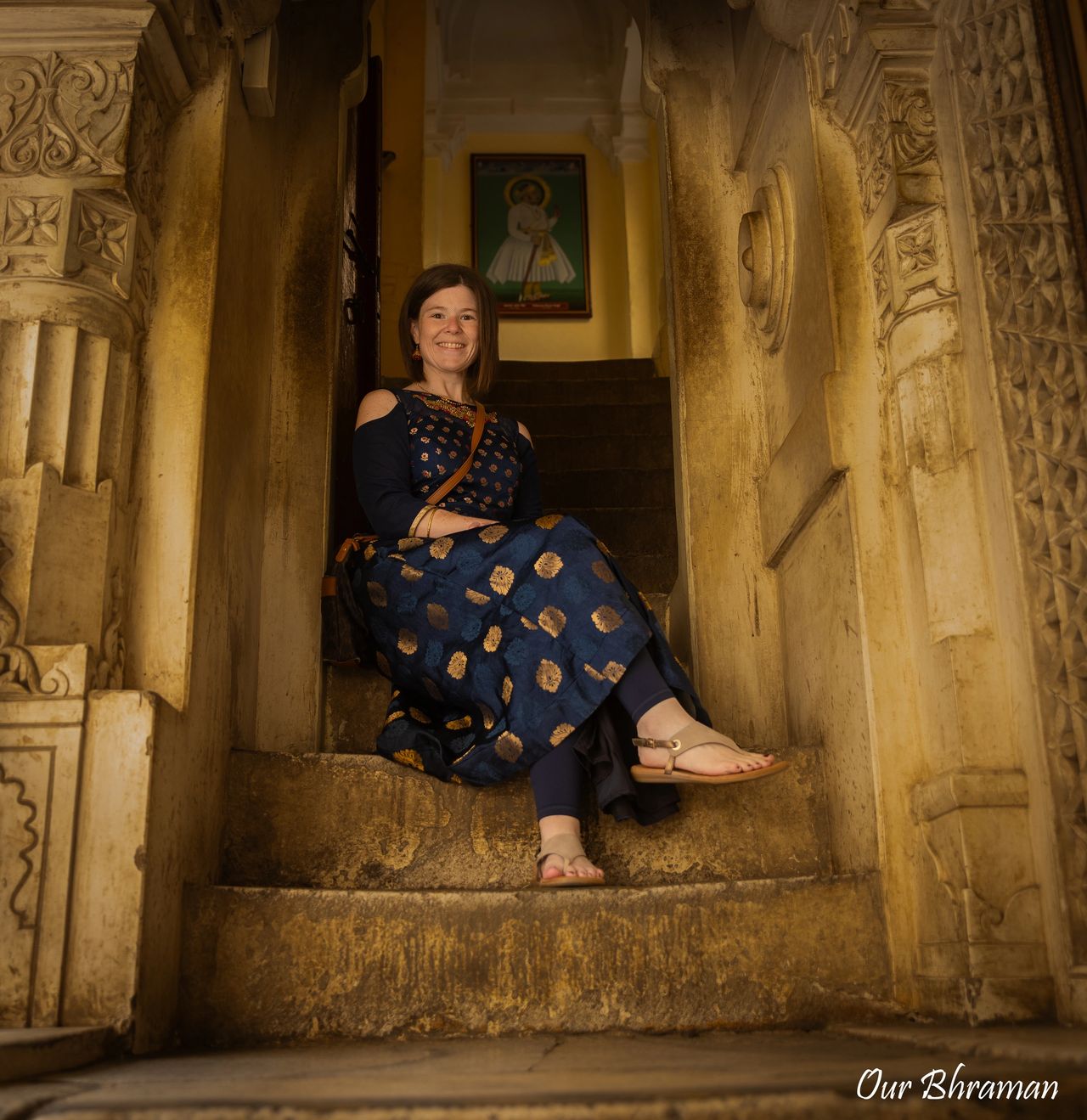
Walking through the grand gates of the City Palace felt like entering a world frozen in time. What seemed like a single palace from the outside slowly unfolded into a series of interconnected courtyards, corridors, and hidden corners waiting to be explored. Once inside, a clearly marked route guided us through the different sections in a way that felt natural and never repetitive. One thing to be prepared for, though—there are quite a few stairs. Some passages are narrow, almost like secret pathways, where only one person can pass at a time, and in a few places we even had to duck slightly under low ceilings. All of it added to the charm, making the experience feel raw and authentic. We especially enjoyed exploring the museum, which showcased royal costumes, weapons, and antique furniture. The audio guide helped bring everything to life, and the staff throughout the palace were polite and helpful.
After exploring the initial rooms, we stepped into a quiet courtyard (Amar Vilas) that felt like a peaceful pause in the middle of it all. Surrounded by beautifully carved pillars on one side and shaded by trees on the other, the space felt open, calm, and refreshing. Sunlight filtered through the leaves, casting soft patterns across the marble floor. We naturally slowed down here, taking in the simple details—a bench under the shade, a few plants, and the gentle play of light and shadow. It wasn’t the most grand part of the palace, but it turned out to be one of the most calming and memorable moments of our visit.
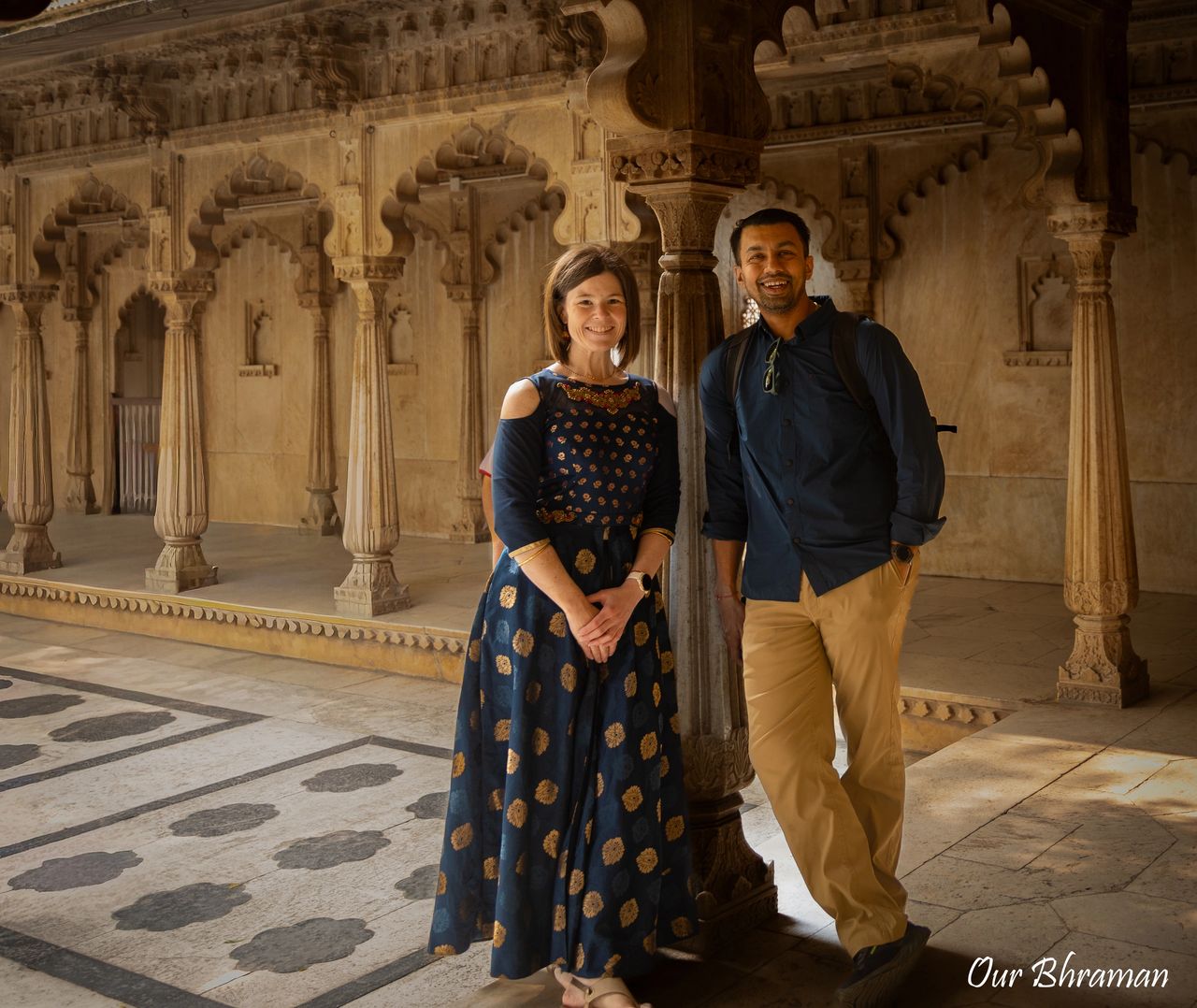
Amar Vilas served as a peaceful retreat for the Maharanas, designed as a terrace garden where they could relax and enjoy the surroundings. Its elevated position also allowed them to look out over the city and observe activities below. The space beautifully blends Mughal-style gardens—with symmetry, fountains, and floral details—alongside Rajput architectural elements, reflecting a unique mix of styles and influences.
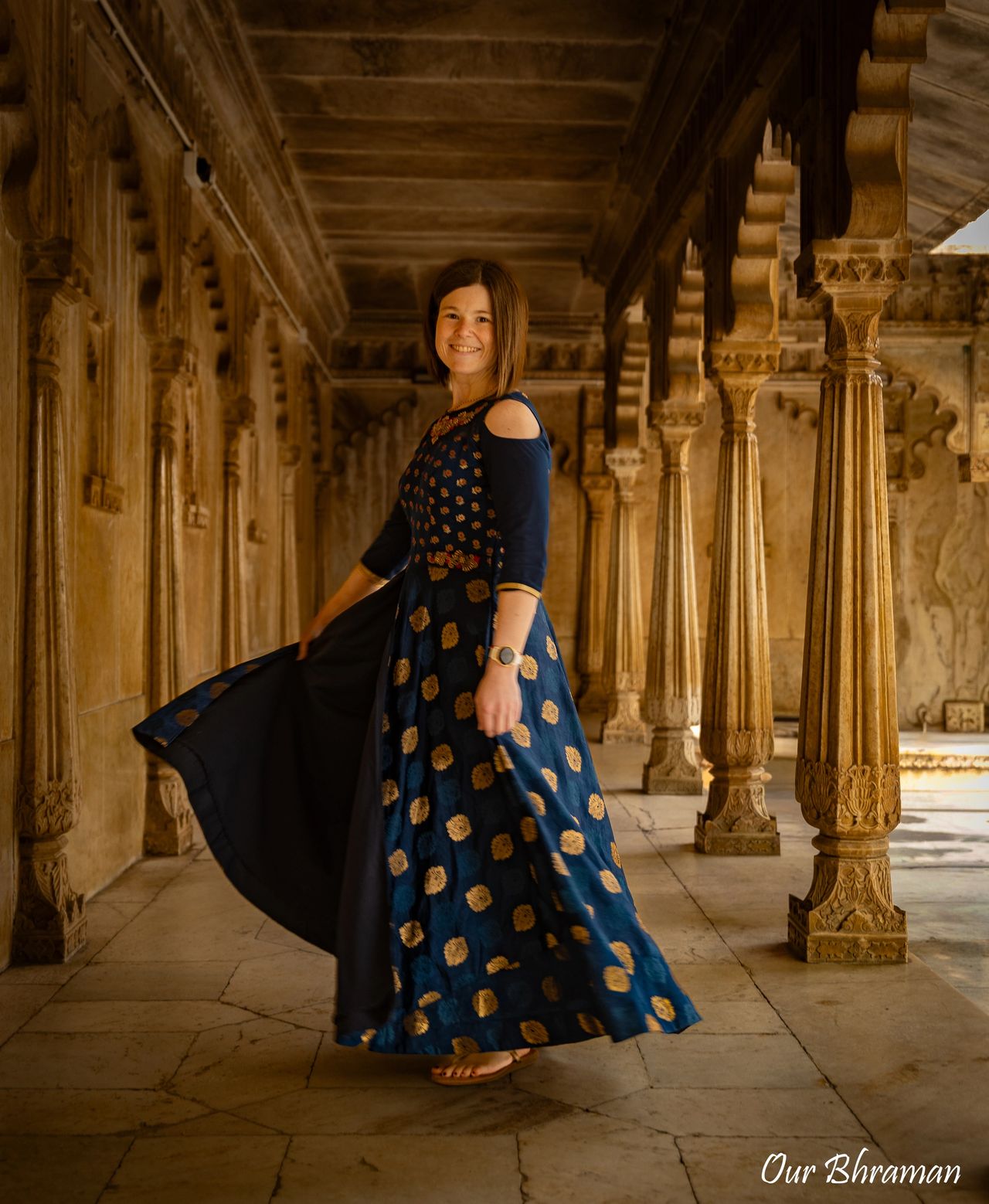
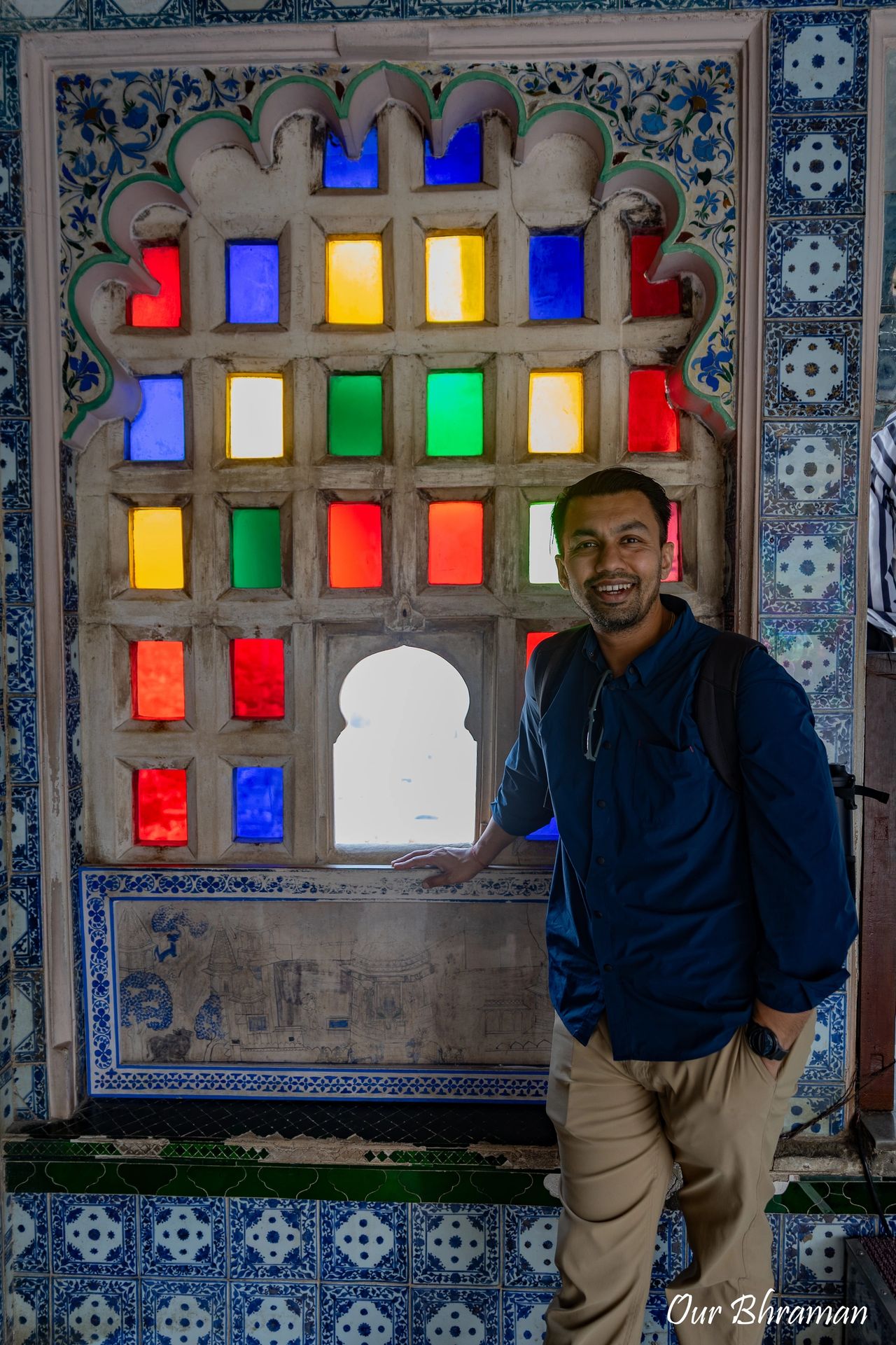
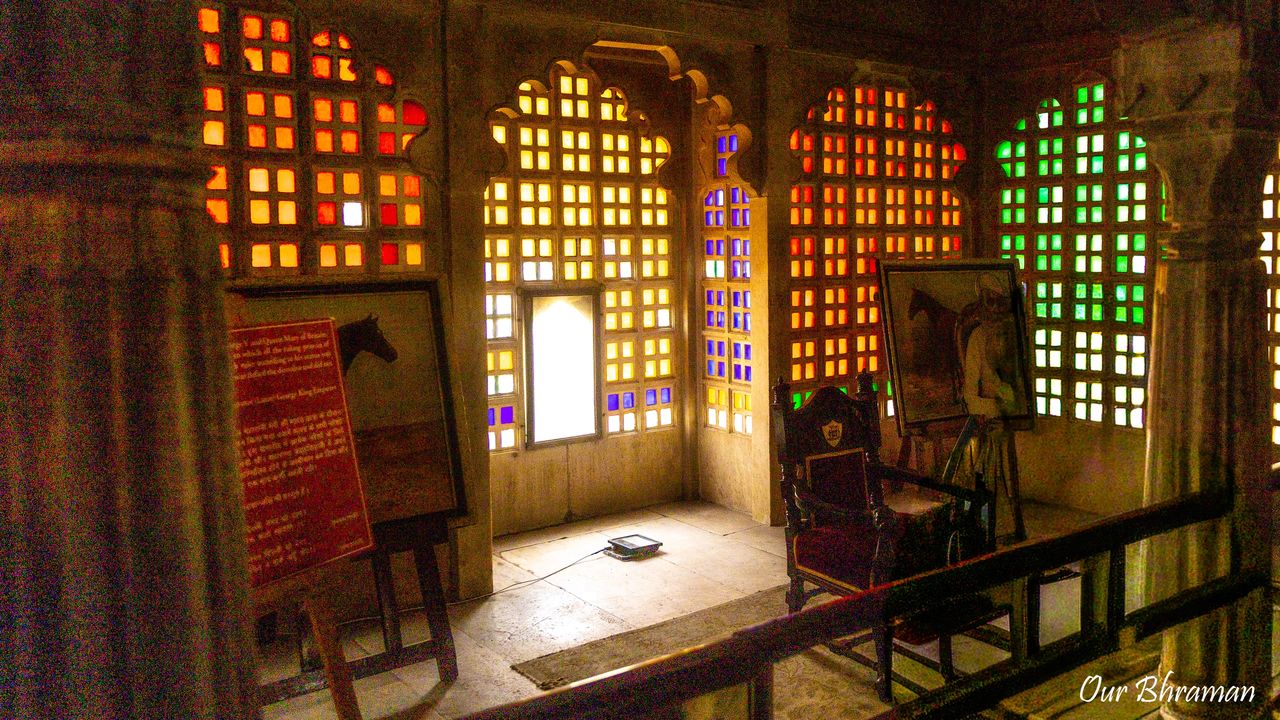
The palace spans multiple levels, and as you go higher, the views keep getting better. As we continued walking through the palace, we came across a room that immediately caught our attention. The space was filled with vibrant colored glass insets, set beautifully within intricate Rajasthani architecture and ornate detailing.
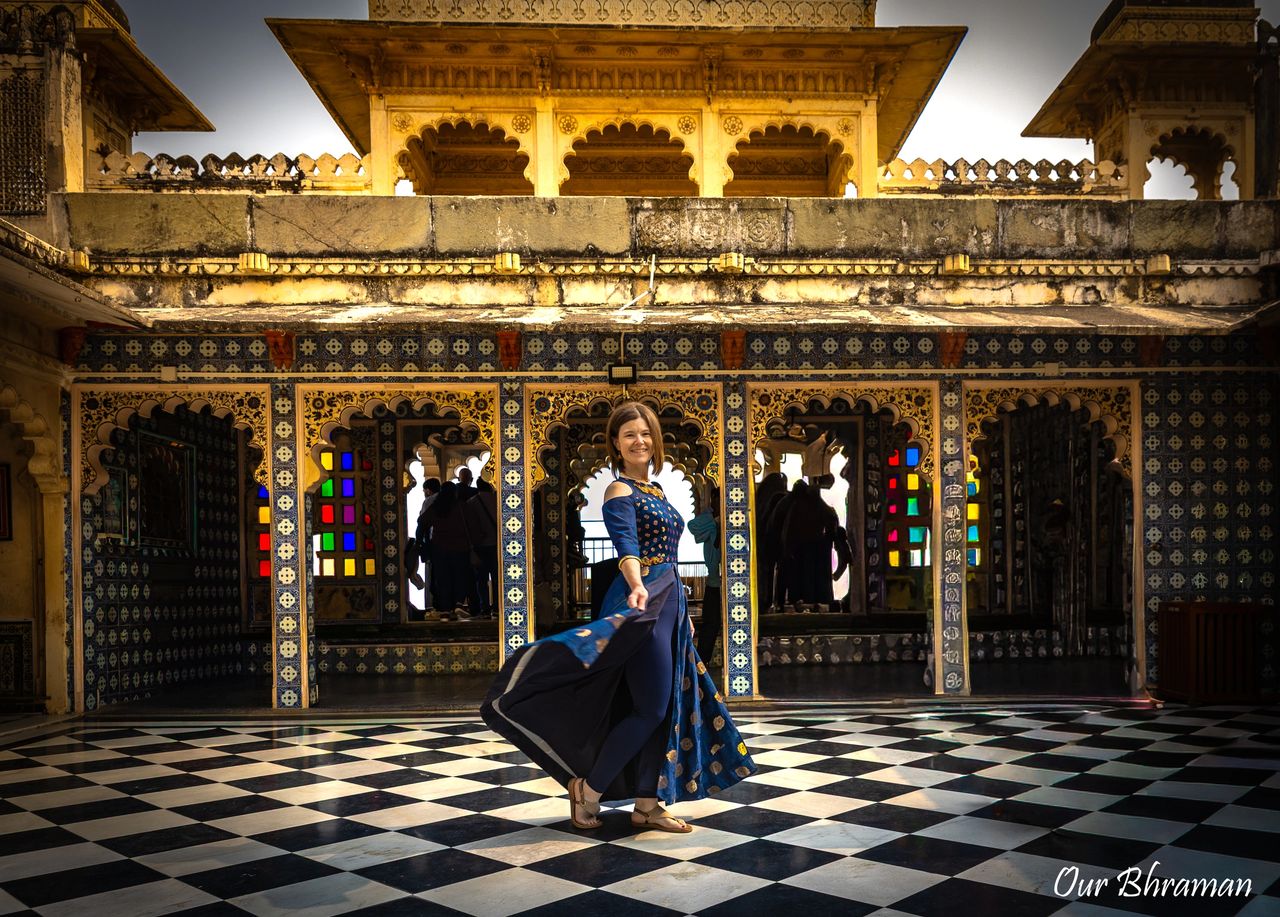
As we moved between Badi Mahal and Mor Chowk, we came across Badi Chitrashali Chowk, a beautiful open courtyard that once served as a recreational space for the royal family inside the City Palace. Built during the reign of Maharana Sangram Singh II, this area was used for music and dance performances, and you can almost imagine those lively gatherings as you stand there today. What stood out to us were the vibrant details—blue tiles, colorful glass, and intricate murals that added so much character to the space. With panoramic views of Lake Pichola and the city beyond, it also turned out to be one of the best spots in the palace to pause, take photos, and simply soak in the beauty around us.
For next destination was Mor Chowk, also known as the Peacock Courtyard, inside the City Palace. At first glance, it was beautiful—but once we paused, the details truly began to stand out.
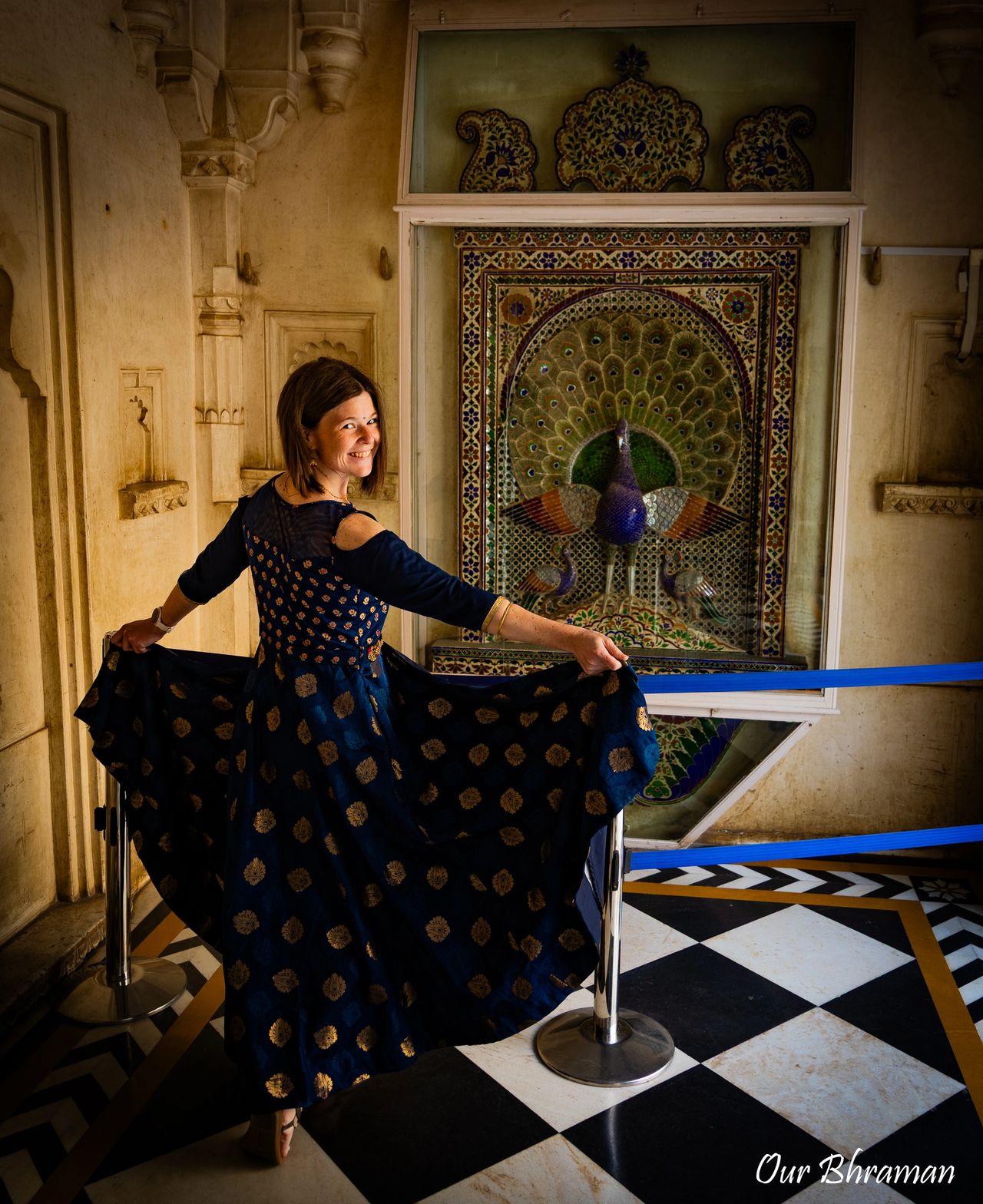
Three intricate peacocks, crafted from thousands of tiny pieces of colored glass and mirror, shimmered in shades of blue, green, and gold. Our guide explained that each peacock represents a different season—summer, winter, and monsoon. This felt more than just decoration. It was storytelling through art. We found ourselves standing there longer than expected, just taking it all in.
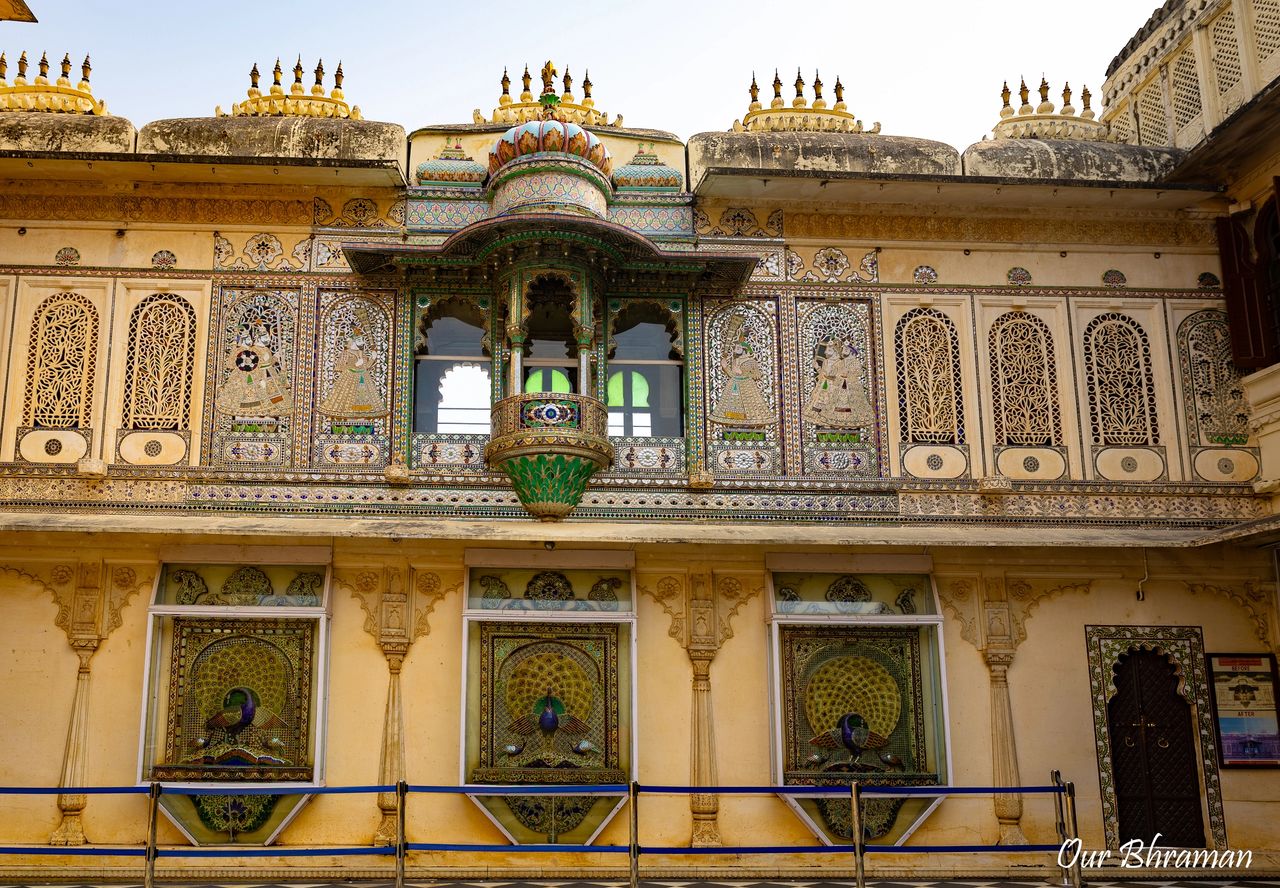
The courtyard is surrounded by richly decorated walls, with detailed mosaic work, delicate patterns, and a beautifully adorned jharokha (balcony) above. Every inch reflects the craftsmanship and artistic excellence of the Mewar era.
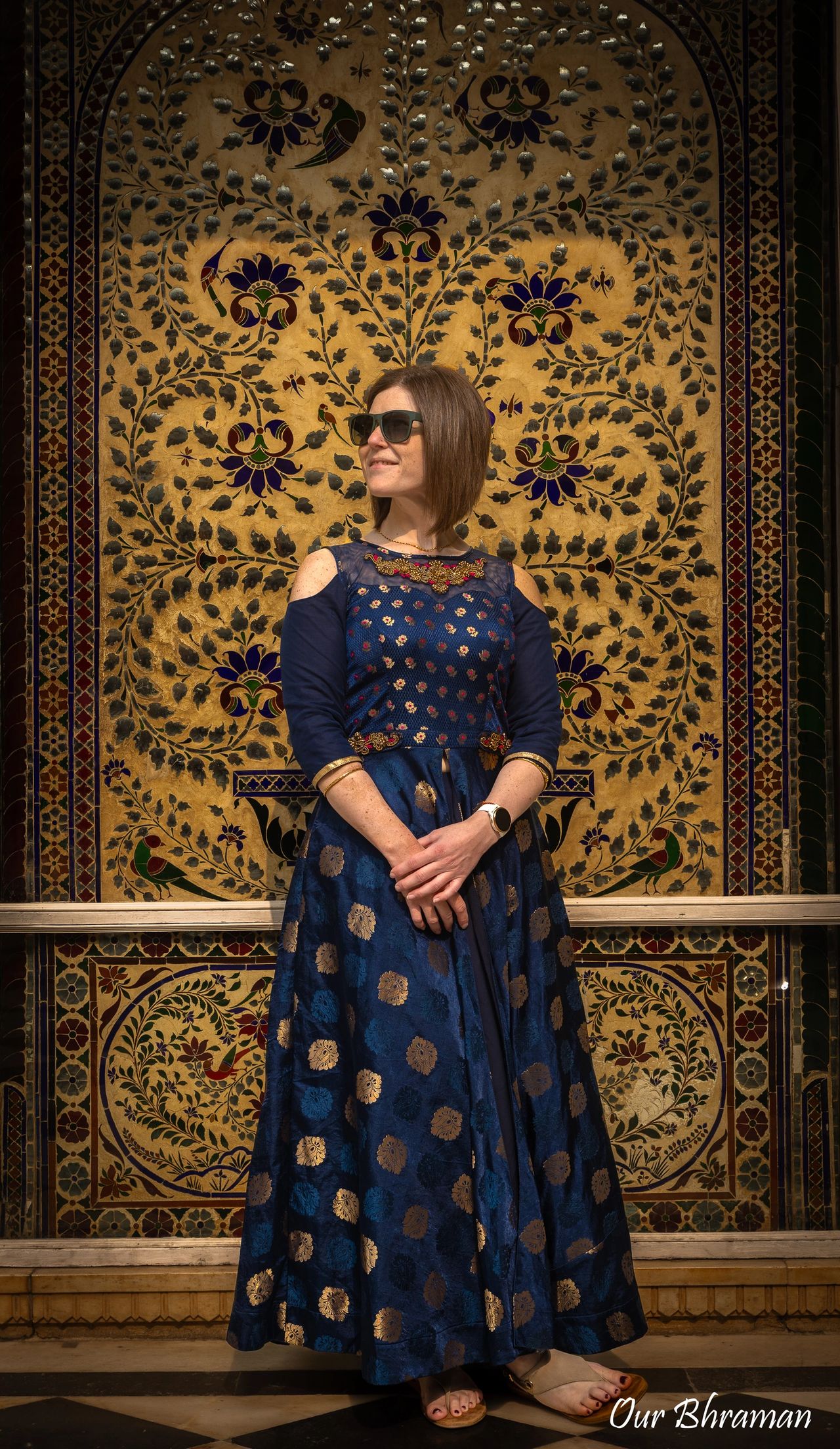
Reluctantly, we moved on, still thinking about the details we had just seen. Our next stop was the Mirror Tower, known as Kanch ki Burj, one of the most ornate chambers inside the City Palace. As we stepped in, the intricate glass inlay work immediately caught our attention—a signature of Rajasthani craftsmanship that covered the space in delicate detail. This room once served as the Maharanas’ winter bedroom, and you could sense a certain warmth in its design. The zig-zag patterns in red, yellow, and white—the traditional colors of Mewar—added a vibrant touch, while mirrors on the dome and even parts of the floor reflected light in a subtle, beautiful way. Every corner felt thoughtfully designed, from the reflective surfaces to the finely crafted ivory doors, making it one of those spaces where we naturally slowed down to take it all in.
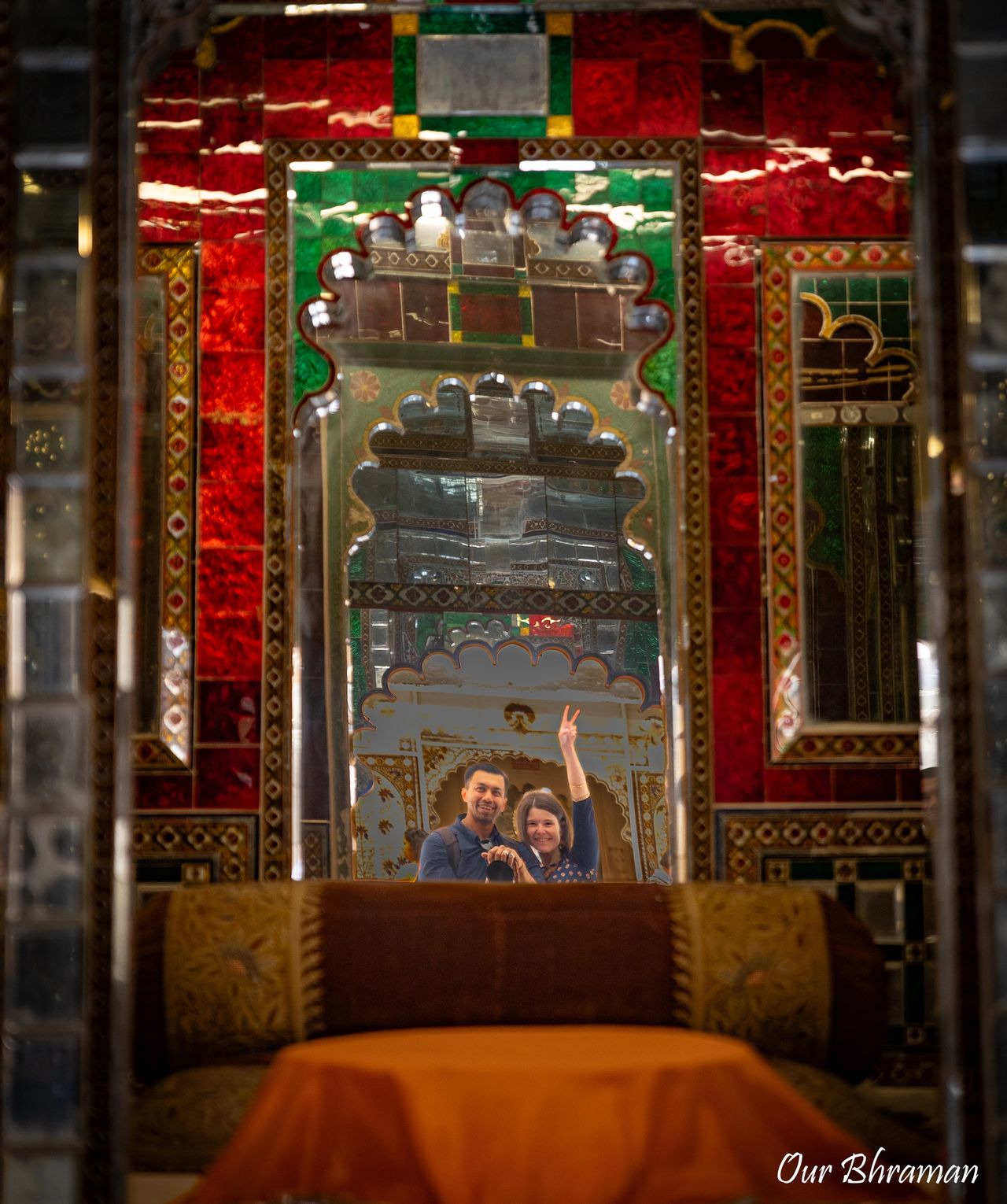
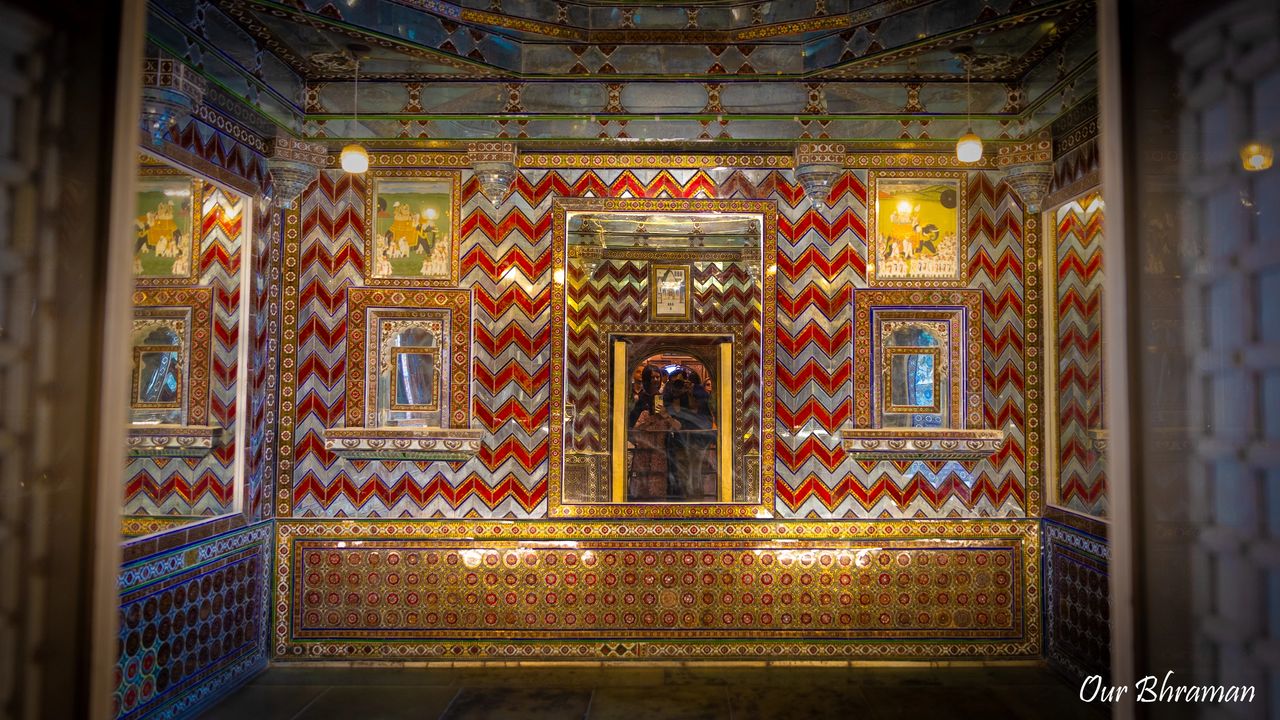
As we moved deeper into the complex, we began to appreciate not just the experience, but the sheer scale and craftsmanship behind it. Built in granite and marble, the palace reflects a beautiful blend of Medieval, European, and even Chinese architectural influences.
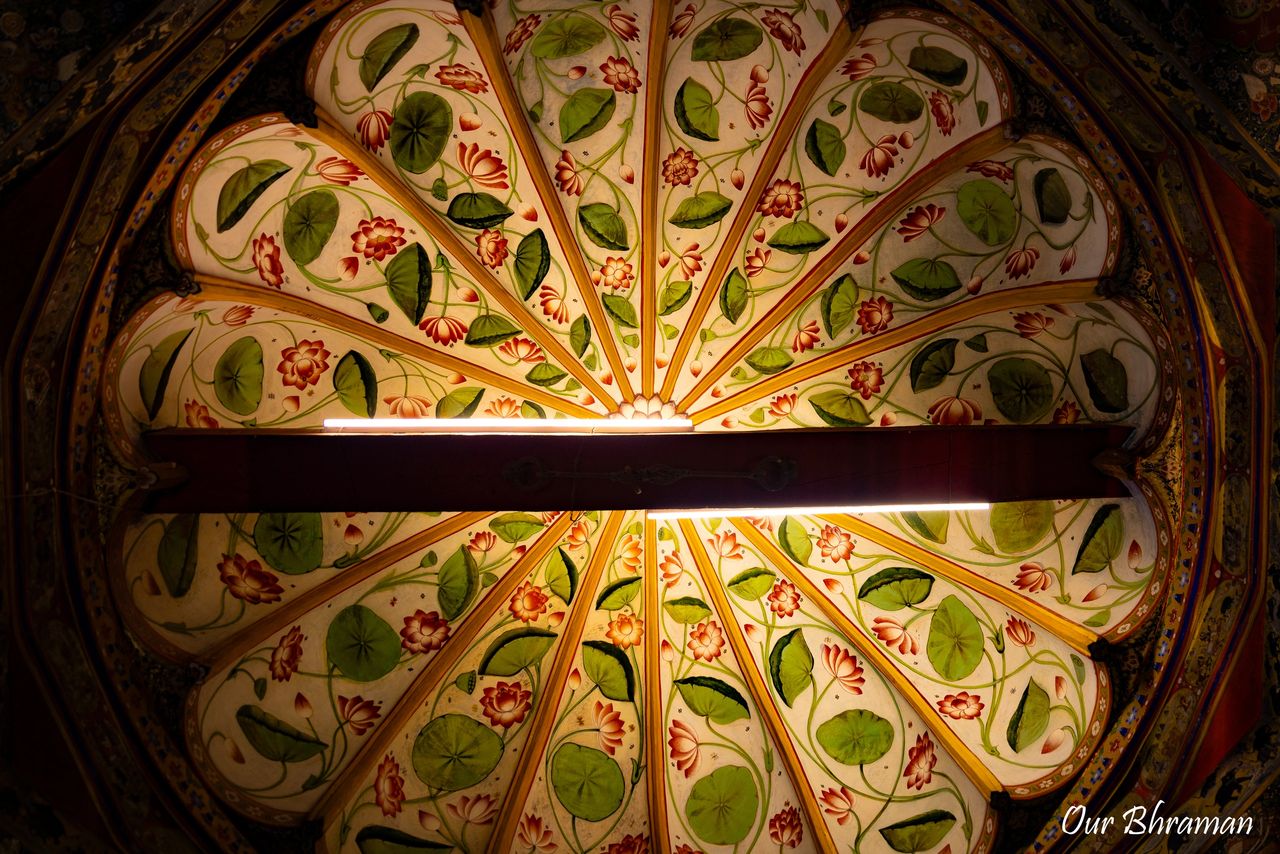
What makes it even more impressive is how seamlessly everything comes together. The interiors are just as captivating as the exteriors—filled with intricate mirror work, detailed murals, marble carvings, silver accents, and colorful glass that catch the light beautifully. As we walked through each section, it felt like every corner had something worth pausing for, a small detail that added to the larger story of the City Palace.
When sunlight streamed through the windows, the rooms seemed to glow with warm hues of red, green, and gold. It created a soft, almost magical ambiance—one of those moments where you naturally pause, take it all in, and appreciate the craftsmanship that has stood the test of time.
As we stepped into the Zenana Mahal, the atmosphere instantly shifted. The soft blue walls, paired with delicate white detailing and beautifully carved arches, created a space that felt calm, elegant, and almost soothing. Sunlight streamed in through the windows, casting long shadows across the patterned floor, adding a quiet charm to the room.
Unlike the more ornate sections of the palace, this space felt more intimate—like a place meant for pause rather than display. It was easy to imagine this once being part of the private quarters of the royal women, where moments of everyday life unfolded away from the grandeur of the court. We found ourselves slowing down here, taking in the symmetry, the colors, and the peacefulness that made this room feel so different from everything we had seen before.
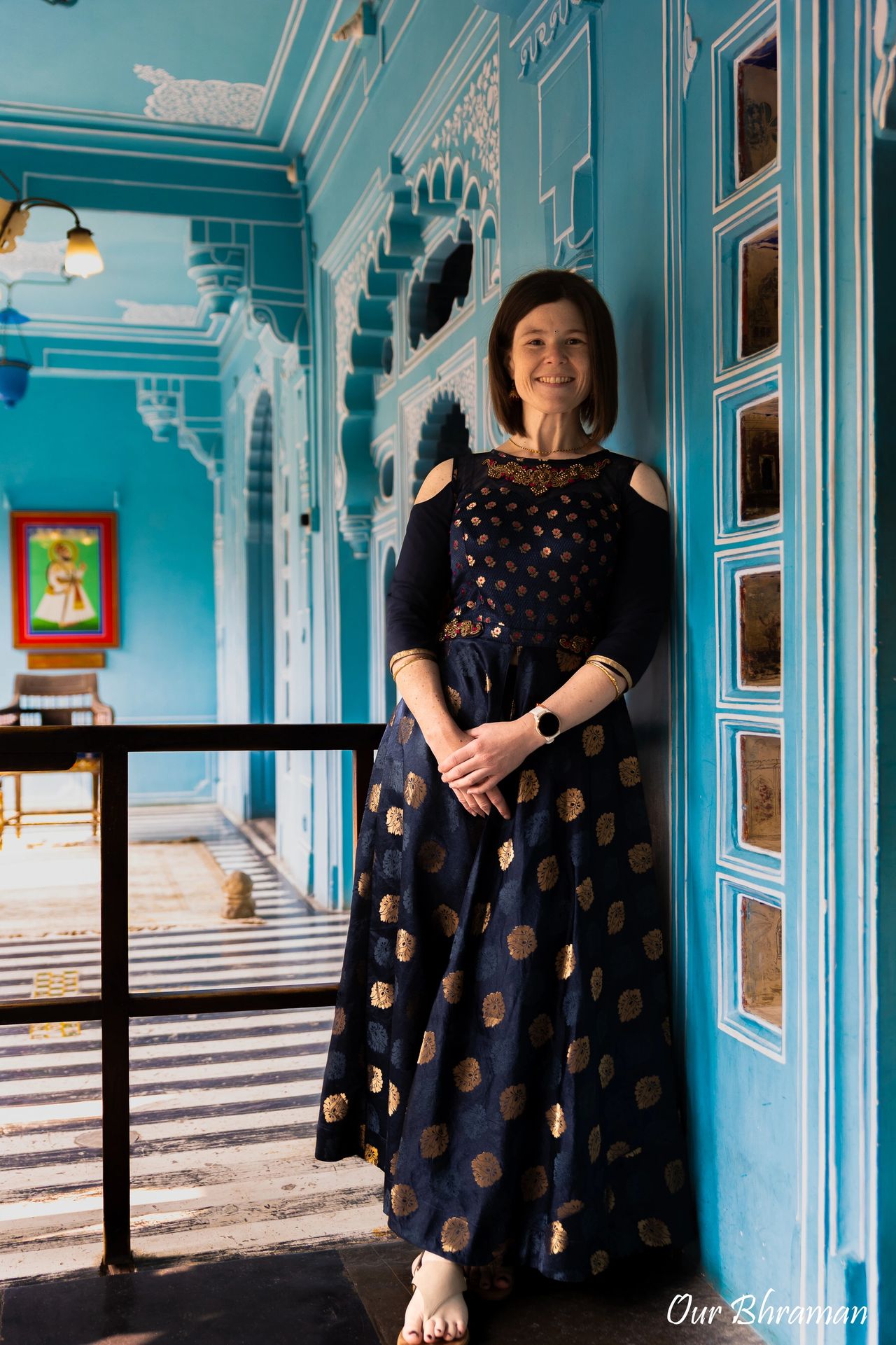
The audio guide explained that spaces like these were part of the royal living quarters, designed not just for comfort but also to showcase the artistic elegance of the Mewar era.
After spending more than two hours exploring the many layers of the City Palace, we finally decided to head out. As we made our way toward the exit, we passed through some of the grand gateways that felt just as impressive as the interiors we had just explored.
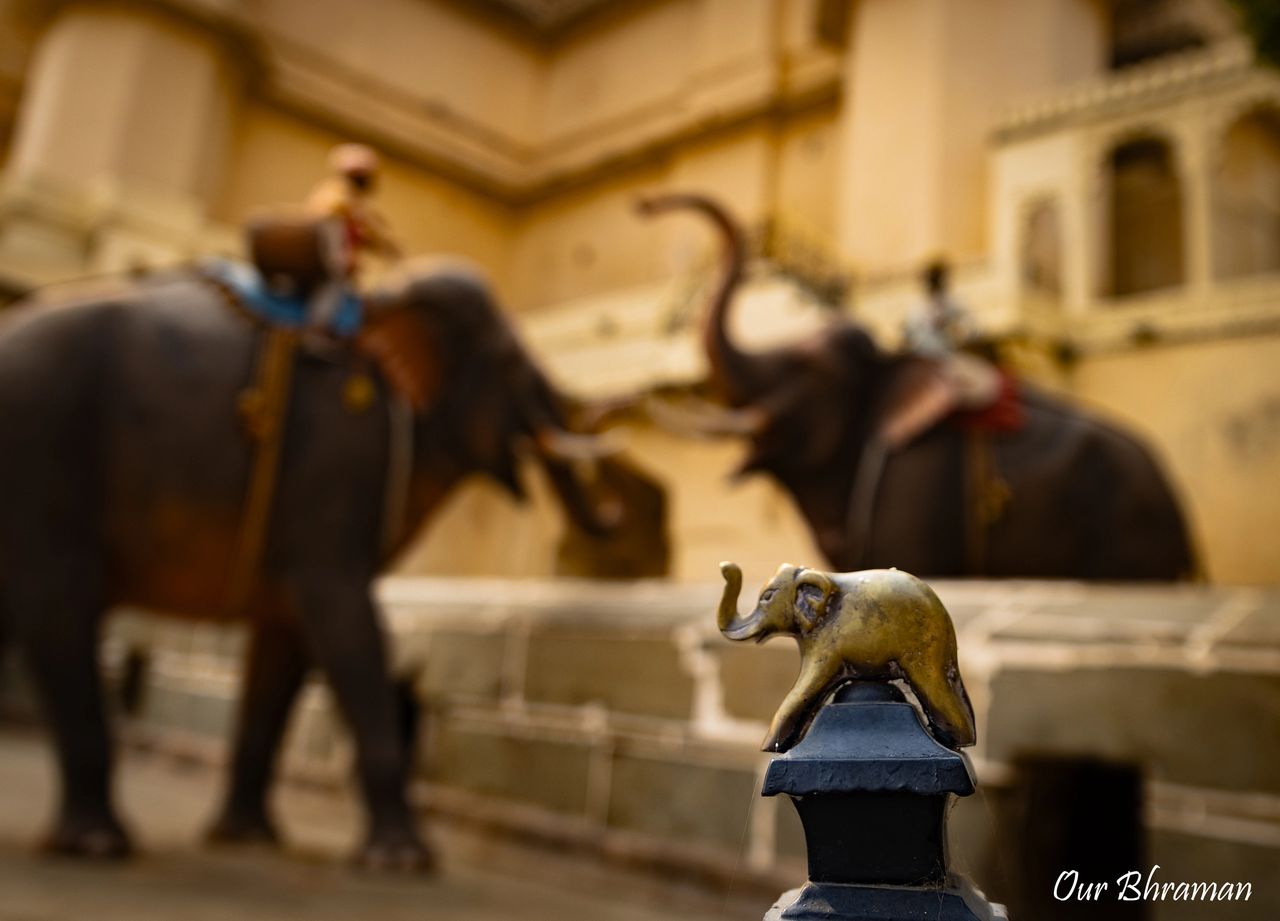
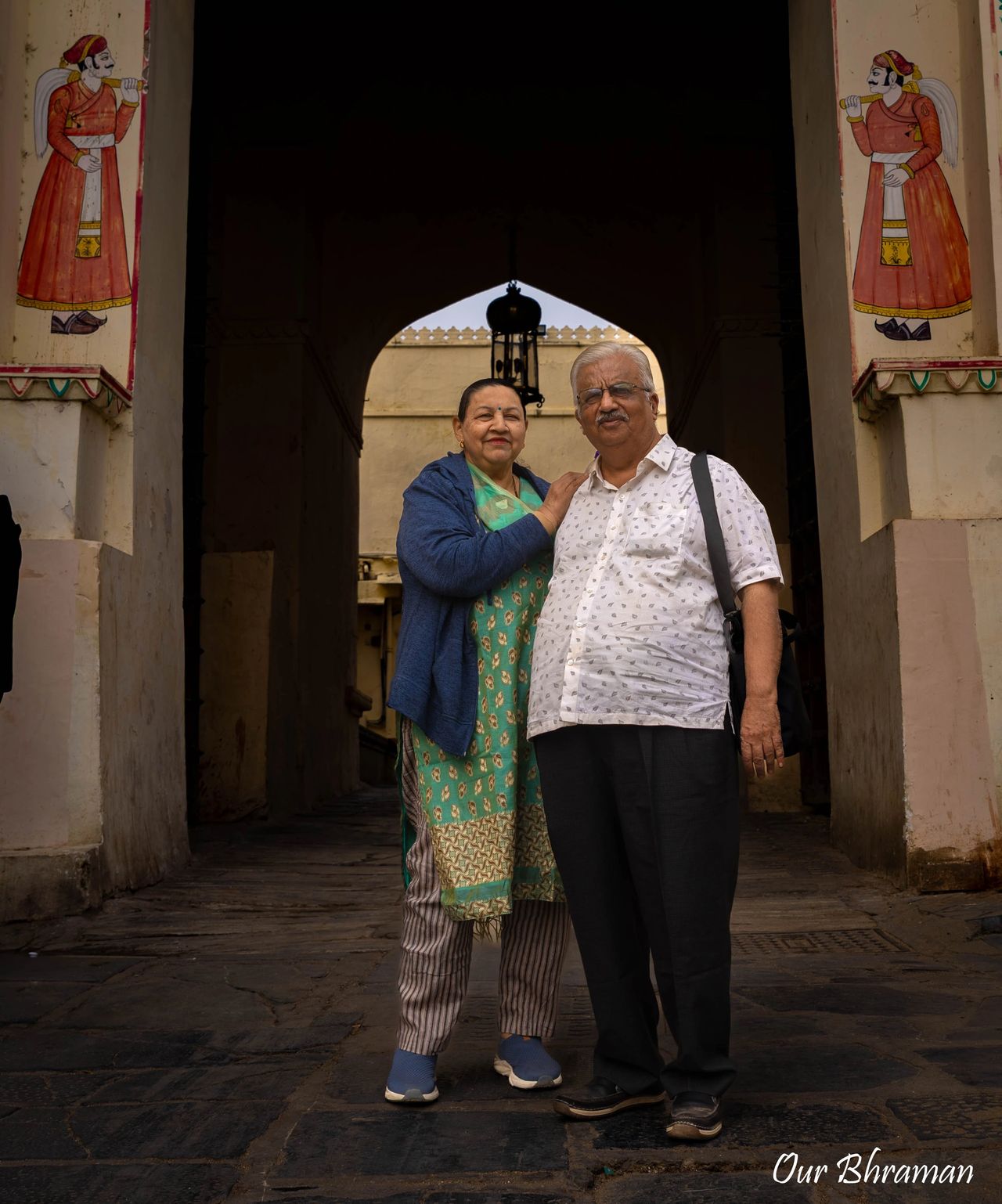
We walked through Bara Pol, the main entrance to the palace complex, which opens into the first courtyard. Just beyond it stands the famous Tripolia Gate—a triple-arched gateway aligned with elegant marble arches, known as toranas. The gate we passed through, much like the one in the image, is part of this grand entrance area—often referred to as Badi Pol or Tripolia Gate depending on the exact section. These gateways were historically used for ceremonial processions and to welcome royal guests, and you can still feel that sense of grandeur as you walk through them.
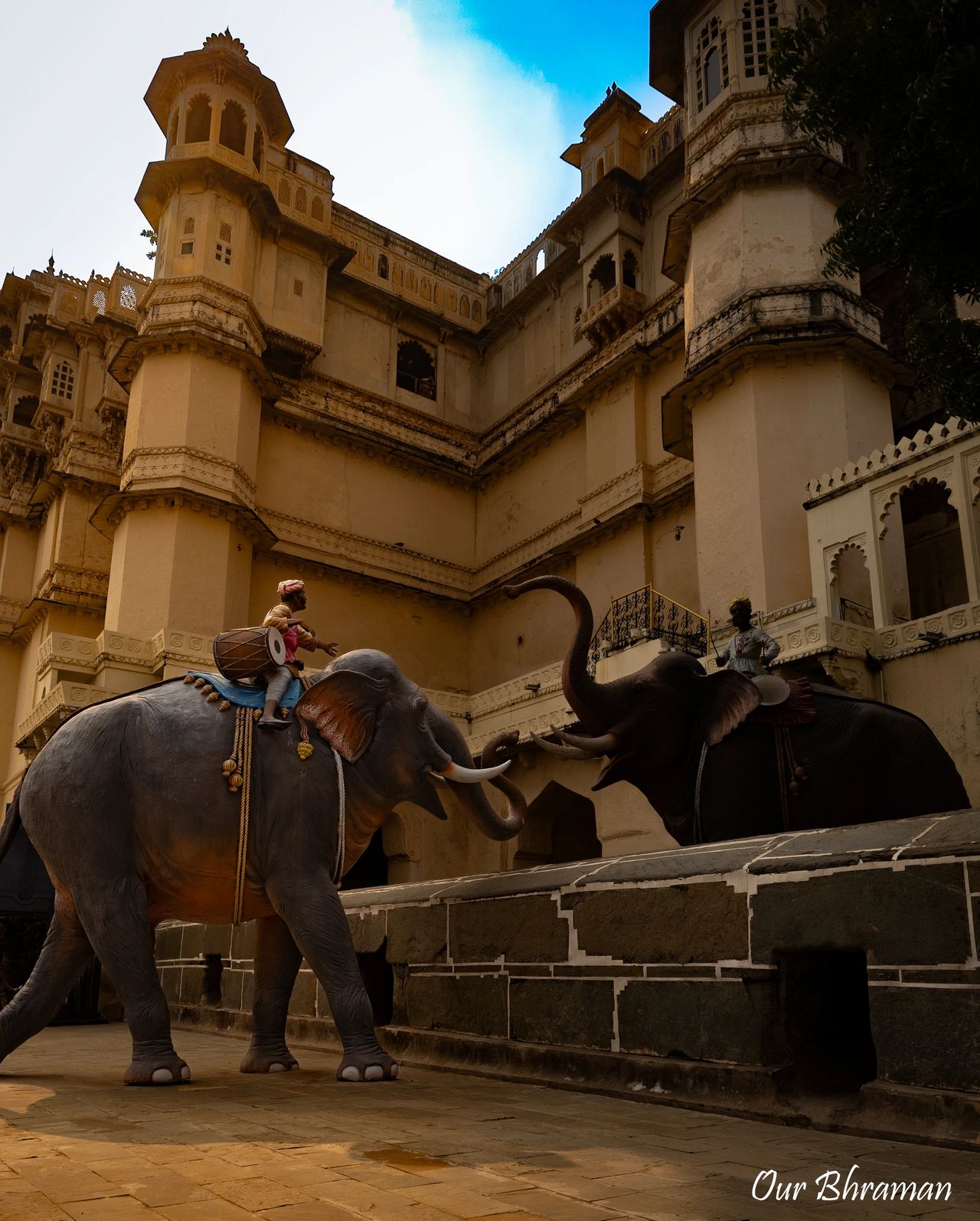
The intricate carvings, jharokhas (overhanging balconies), and domed pavilions reflect the richness of Mewar’s royal heritage. Our guide also mentioned that this space once held ceremonial significance, where rulers were weighed against gold and silver. Nearby, there was even an arena where elephant fights were once held, adding another layer to the palace’s complex history. Passing through Hathi Pol, or the Elephant Gate, felt like stepping out of the royal world and back into the rhythm of the city.
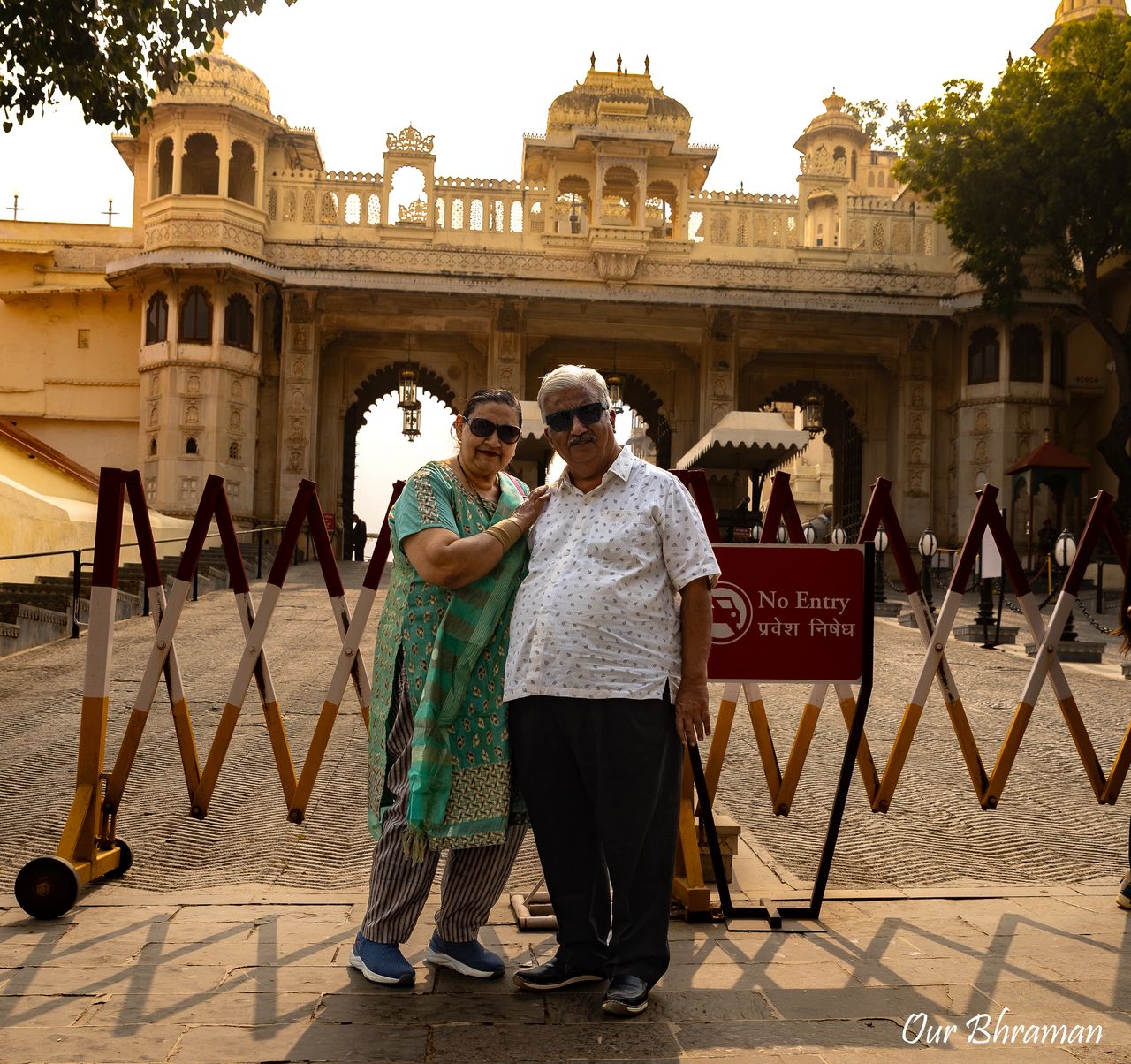
For us, this gate provided an excellent backdrop, creating the perfect opportunity for some memorable photographs.
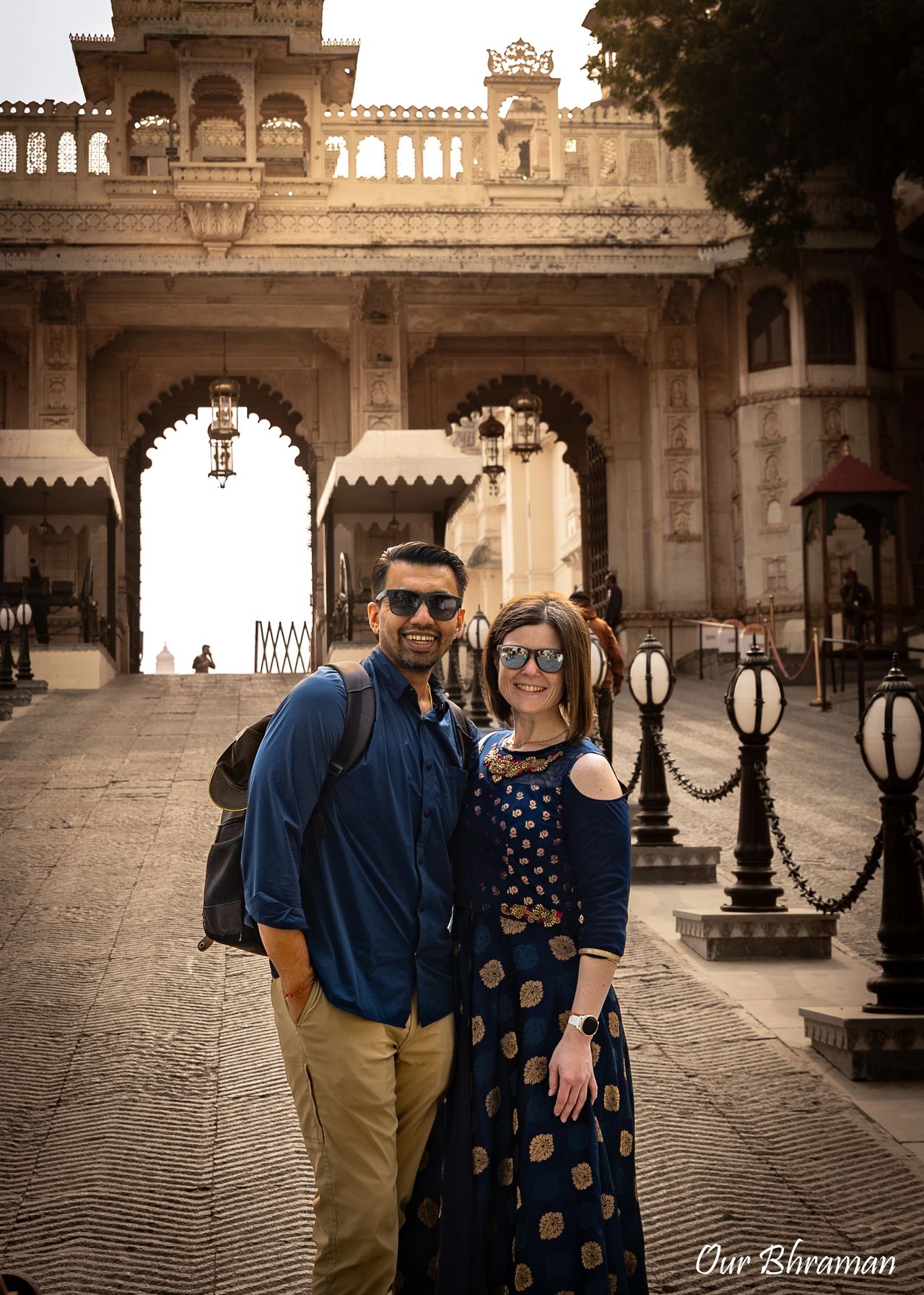
From there, we decided to walk to the nearby Jagdish Temple, just a short distance from the palace. As we approached, the temple immediately stood out against the skyline—tall, detailed, and full of character. Built in 1651 by Maharana Jagat Singh and dedicated to Lord Vishnu, it is one of the most important temples in Udaipur.
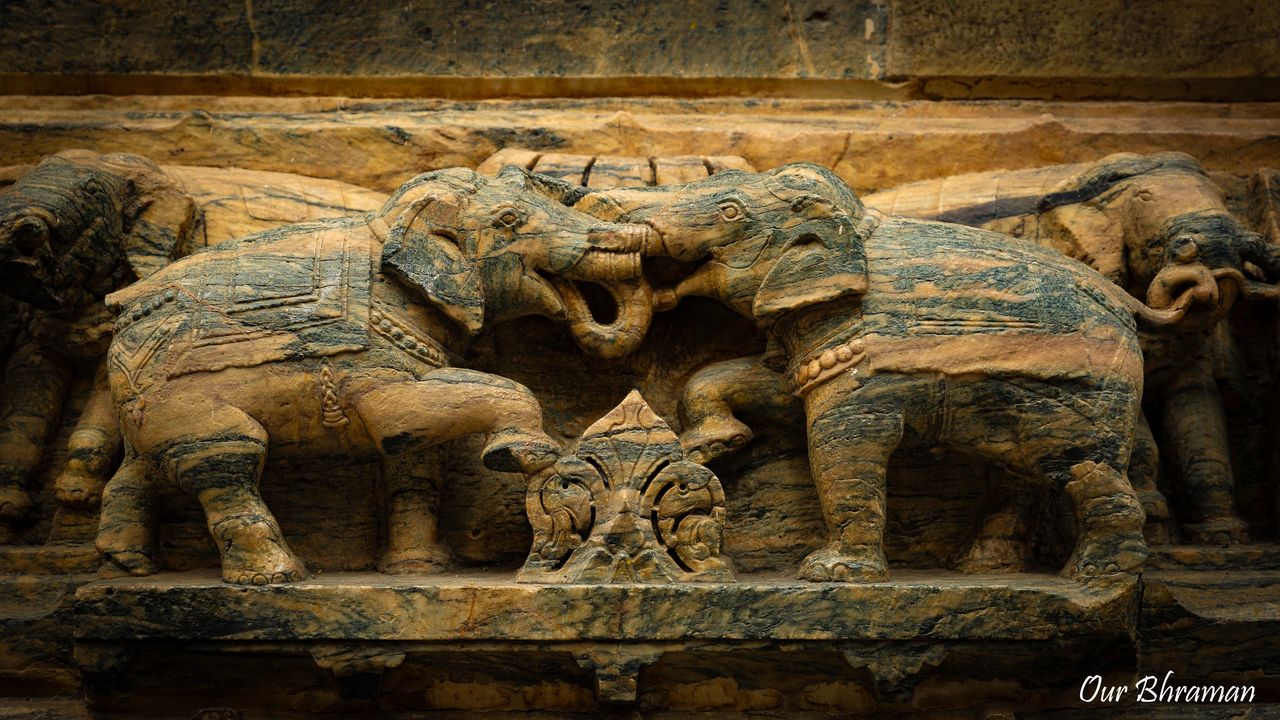
Climbing up the steps, we were welcomed by intricately carved pillars and sculptures of elephants, dancers, and musicians that covered almost every surface. Two large stone elephants guard the entrance, while a statue of Garuda stands as if protecting the deity inside. The temple’s three-story structure rises about 79 feet, making it hard to miss even from a distance.
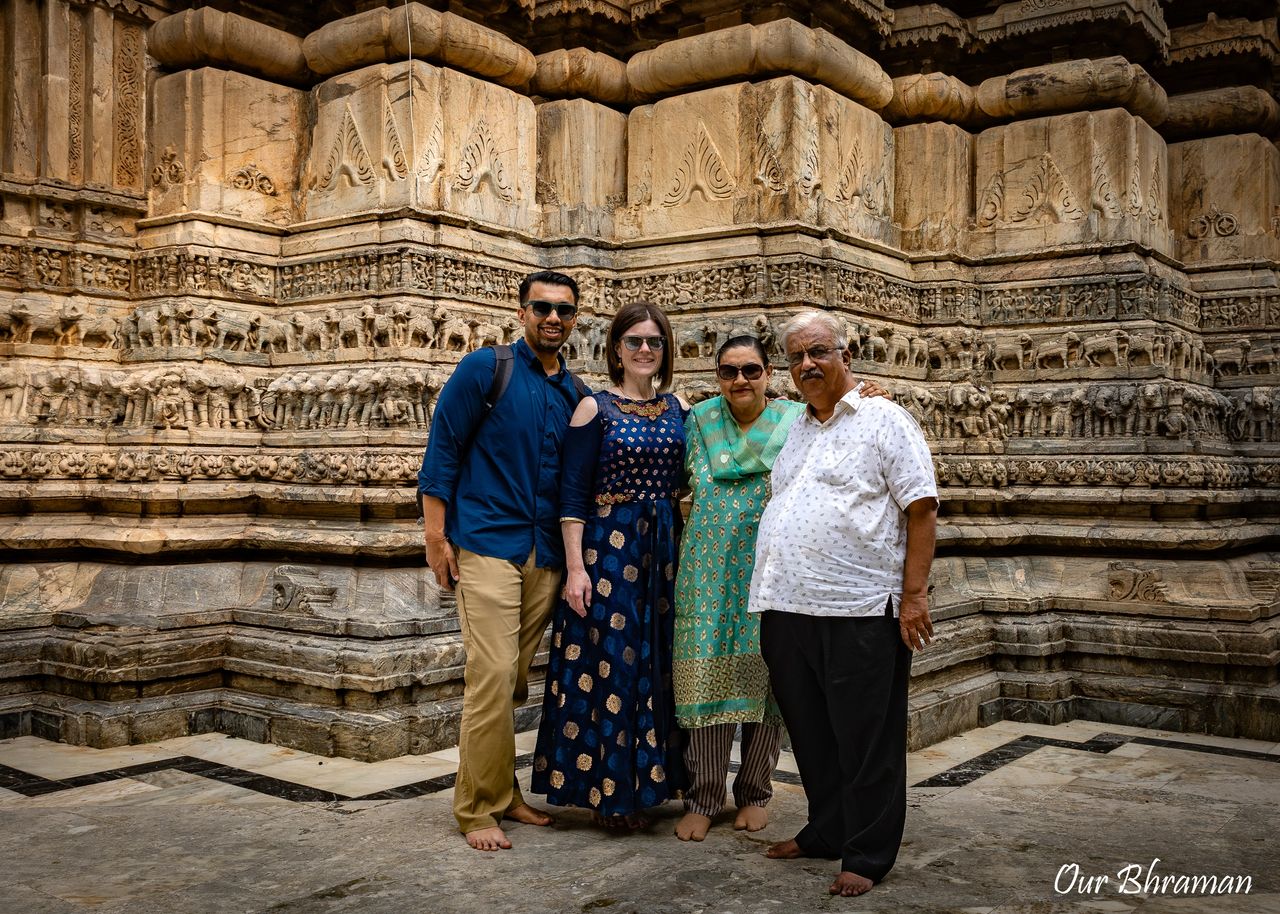
Inside, the atmosphere shifted to something more spiritual and calm. The idol of Lord Vishnu, carved from a single piece of black stone, drew everyone’s attention. Around the main shrine, smaller temples dedicated to Shiva, Ganesh, the Sun God, and Goddess Shakti added to the sacred feel of the space.
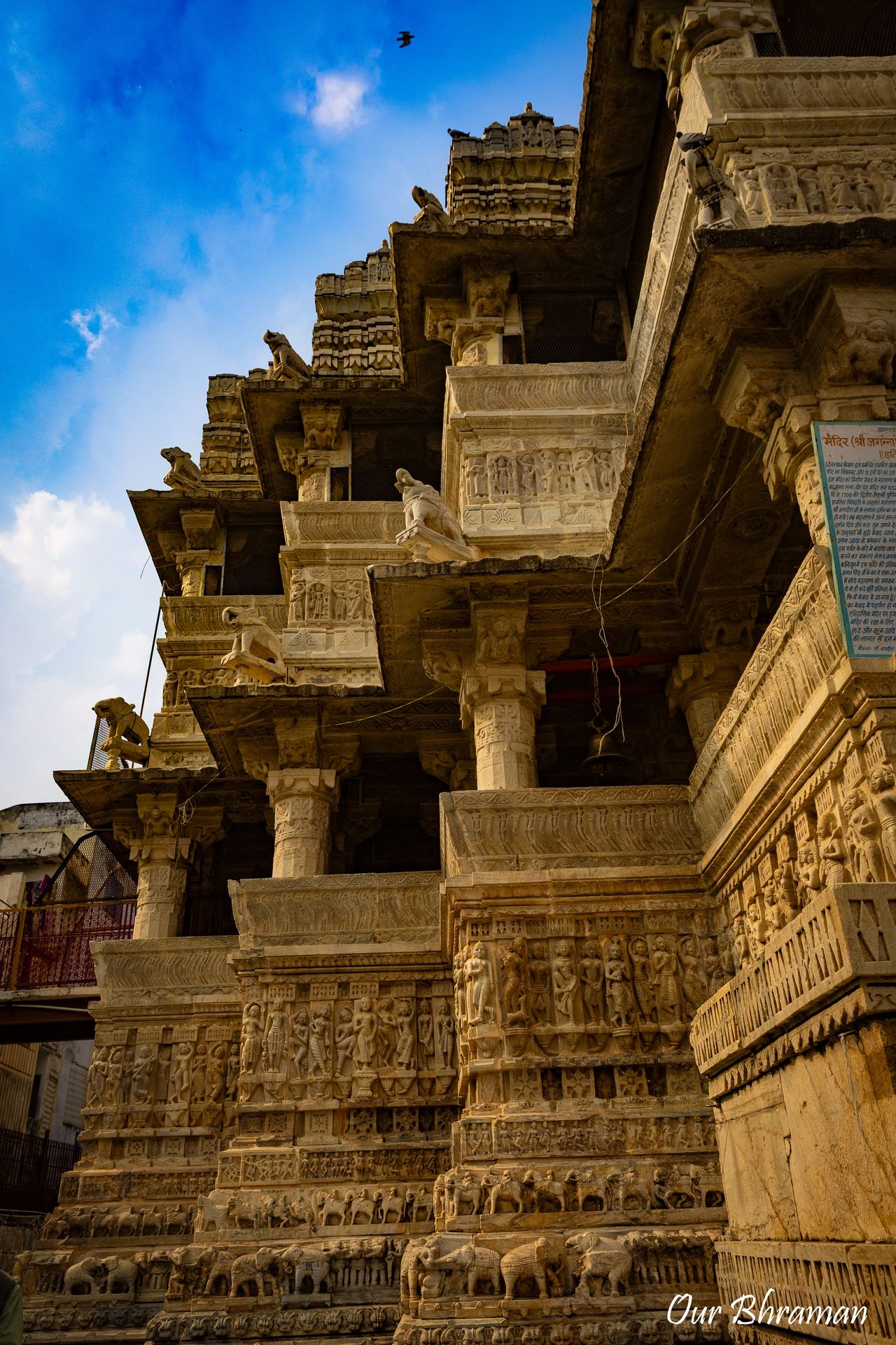
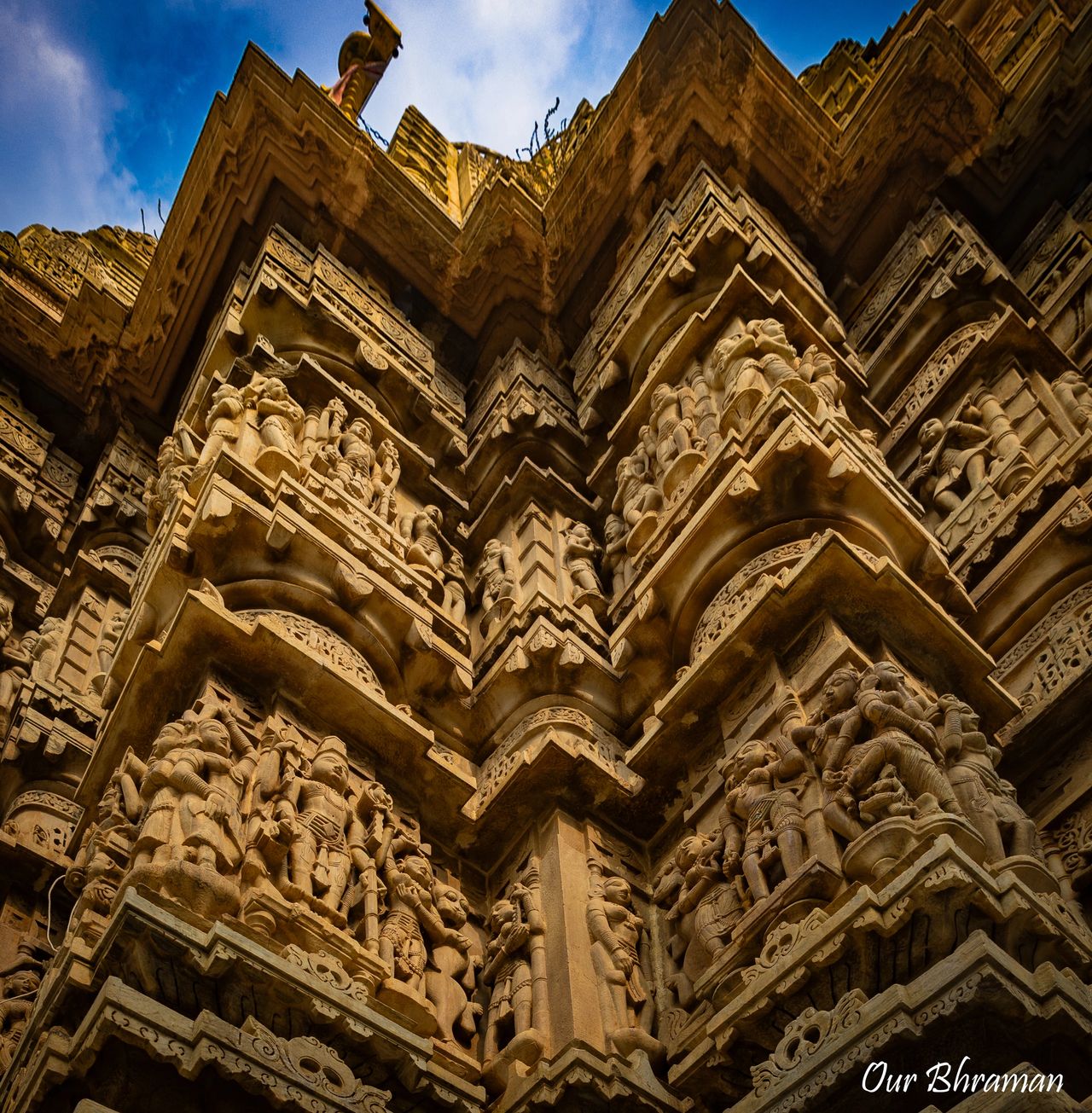
After experiencing both the grandeur of the palace and the calm spirituality of Jagdish Temple, we continued our day with one more stop that promised a completely different perspective of the city.
A short 10-minute drive brought us to the base of the Karni Mata Temple.
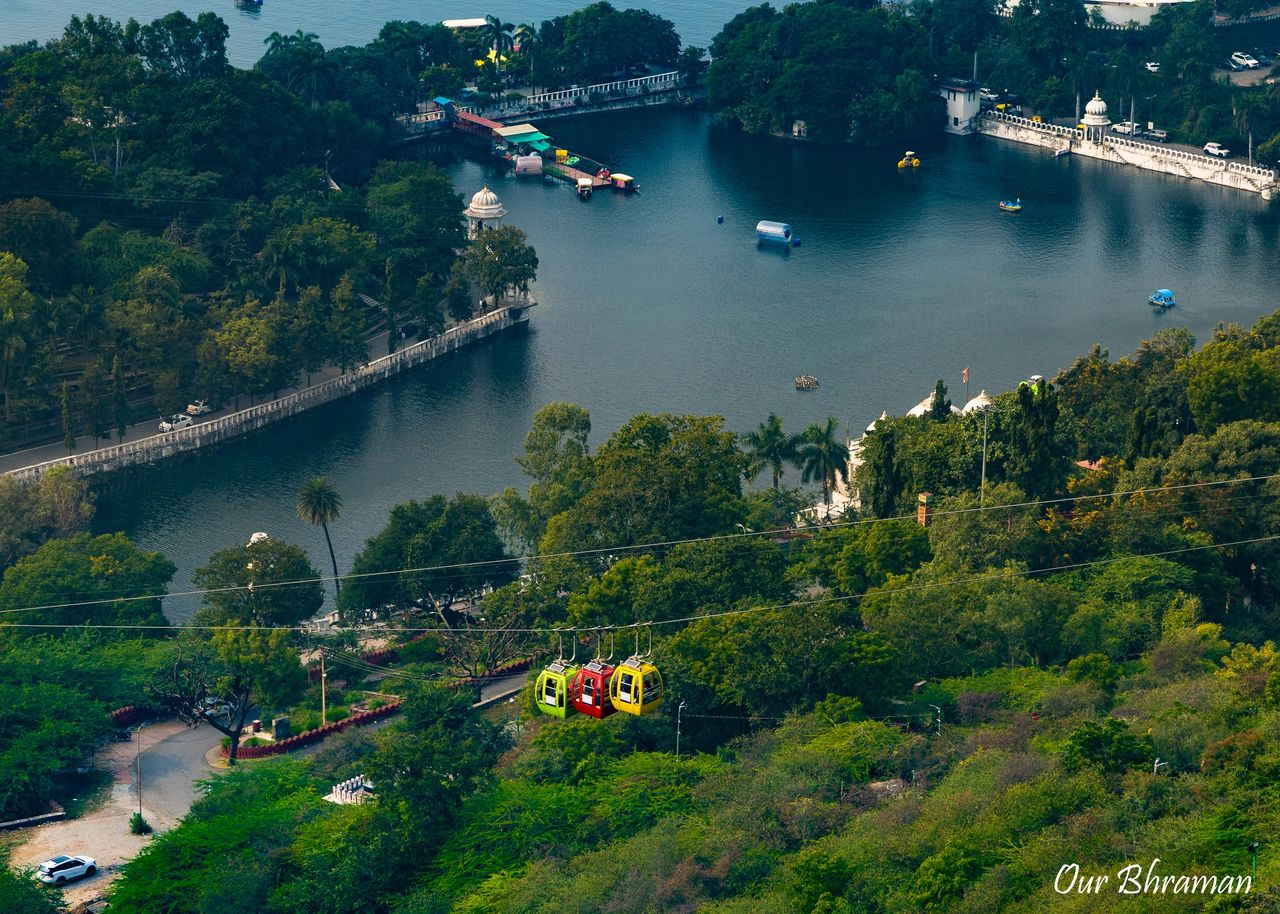
The highlight here was definitely the ropeway ride. As we waited in line, a quick internet search gave us a bit of background—the temple was originally built by Maharana Karan Singh in the early 1600s on the Machla Magra hills. It was once relatively unknown, but after restoration efforts in the late 1990s, it slowly became one of the popular viewpoints in the city.
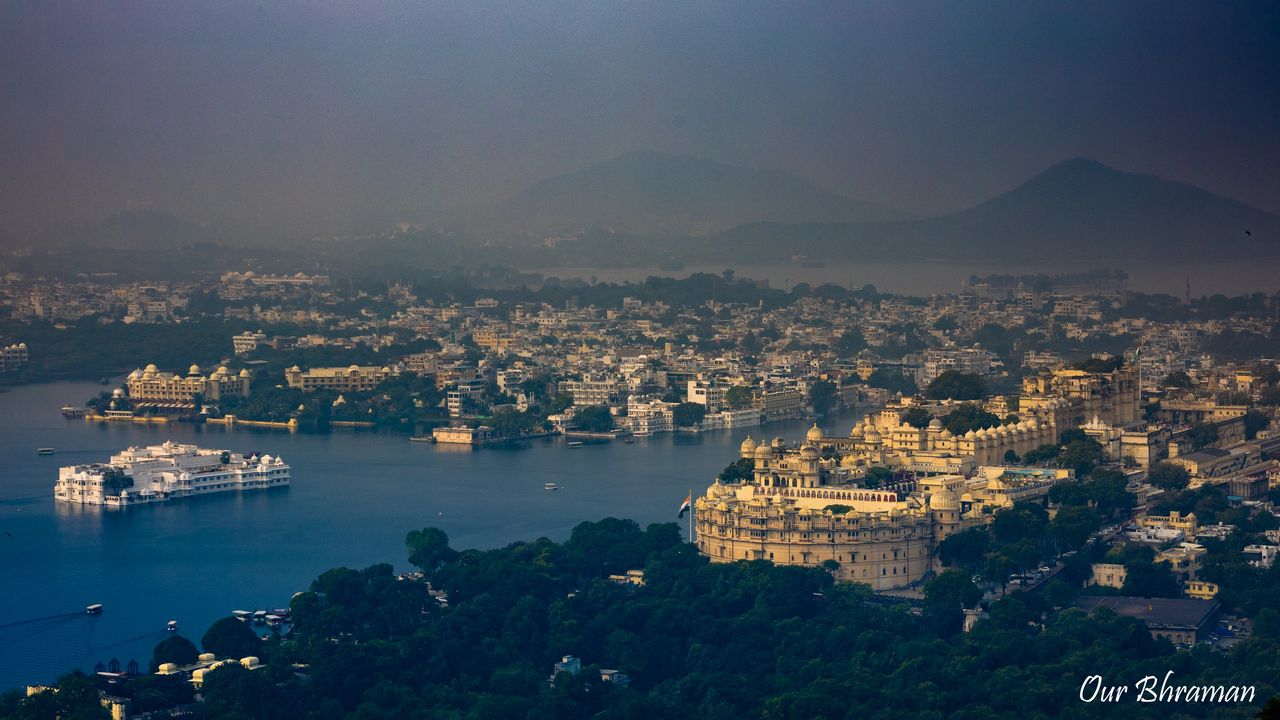
Once we reached the top, the view completely took over. In the soft afternoon winter light, the entire city looked calm and almost golden. The lake shimmered below, the palaces stood out in the distance, and everything felt peaceful yet expansive at the same time.
Soon enough, we stepped into one of the colorful cable cars and began the short but thrilling ride up. The ropeway, stretching over the landscape, offered stunning views as we gradually moved higher. From above, we could see the beauty of Lake Pichola, the sprawling city, and even parts of the surrounding Aravalli hills. The ride itself lasted just a few minutes, but it felt like an experience in its own right.
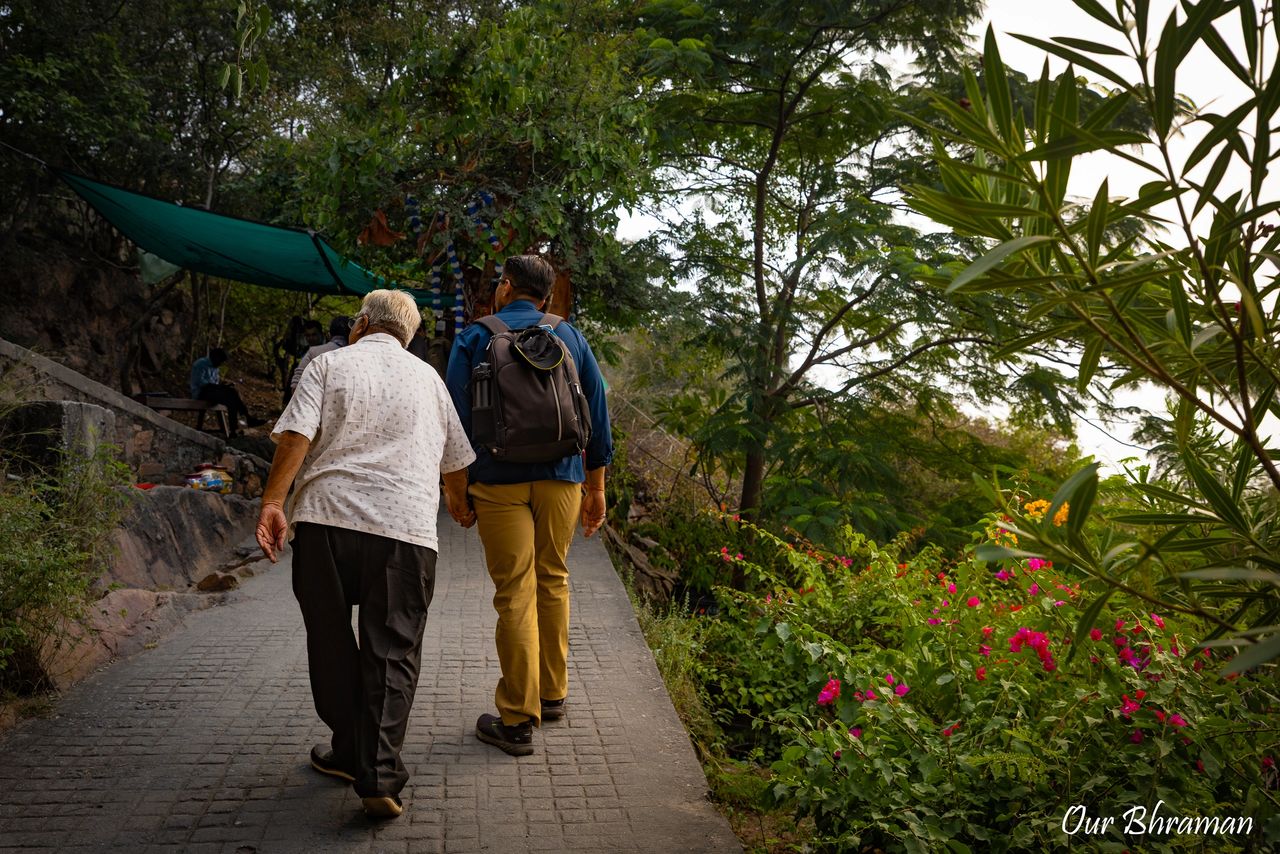
For those who prefer, there’s also a stairway leading up to the temple with resting spots along the way, but honestly, the ropeway made the journey both easy and memorable. Looking back, it wasn’t just about visiting the temple—it was about the experience of getting there and the view that stayed with us long after we left.
By the time we made our way back down from Karni Mata Temple, it had already been a full and eventful day. Our watch showed we had crossed over 10,000 steps, along with quite a bit of elevation from walking through the palace and exploring the hilltop.
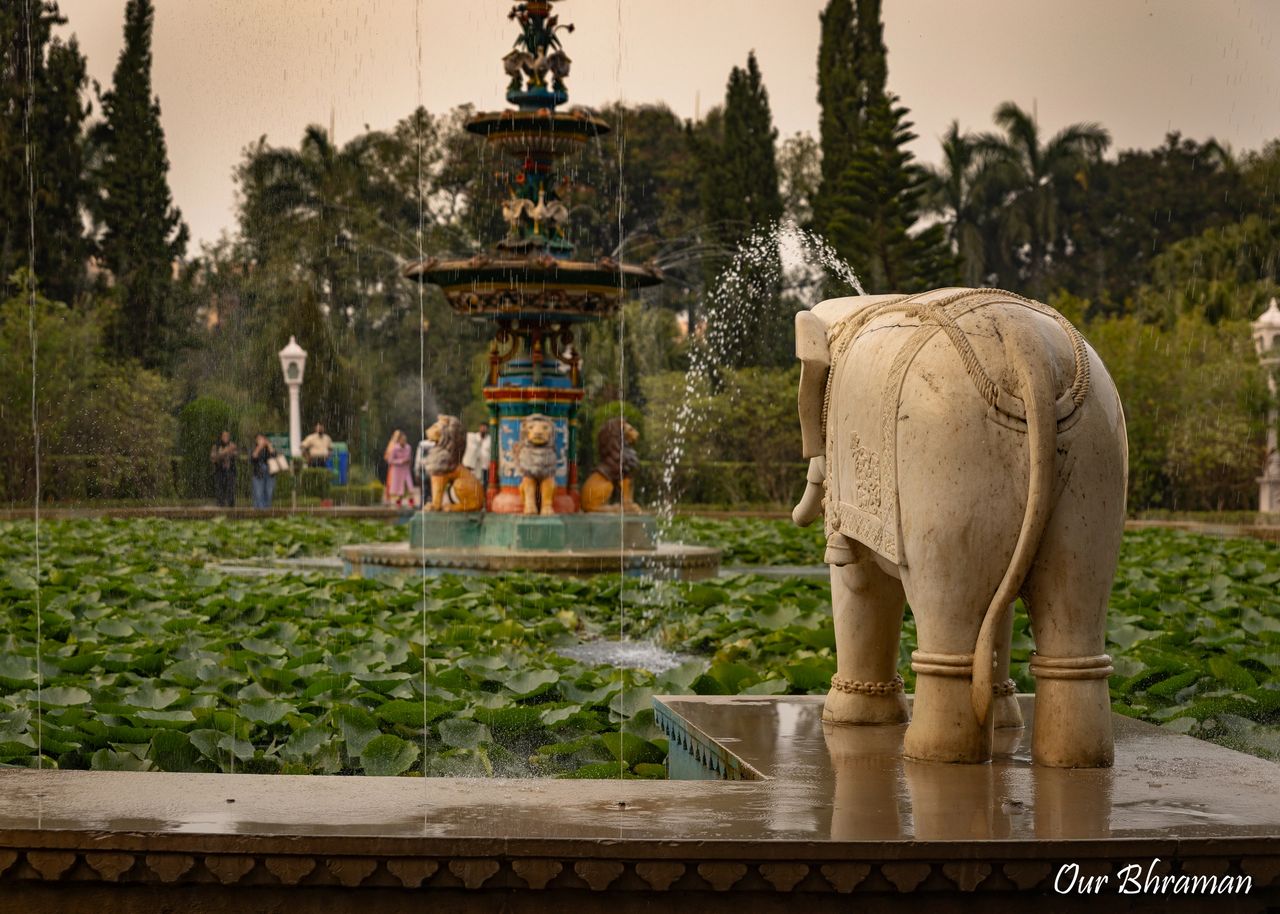
Feeling pleasantly tired, we headed to our next stop—Saheliyon Ki Bari—which turned out to be the perfect change of pace. We reached around 4 PM, with soft afternoon light filtering through the trees, making the whole place feel calm and refreshing.
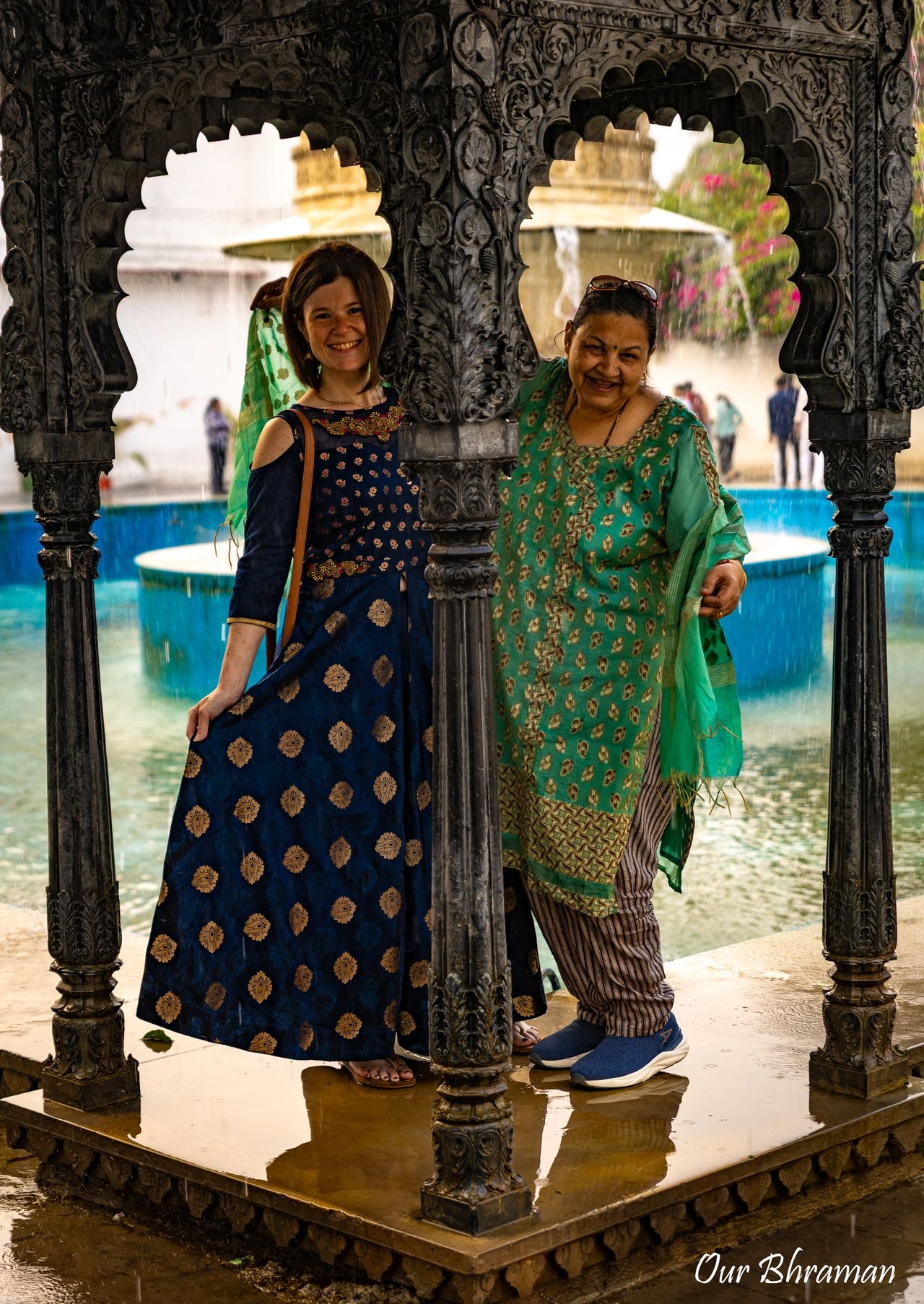
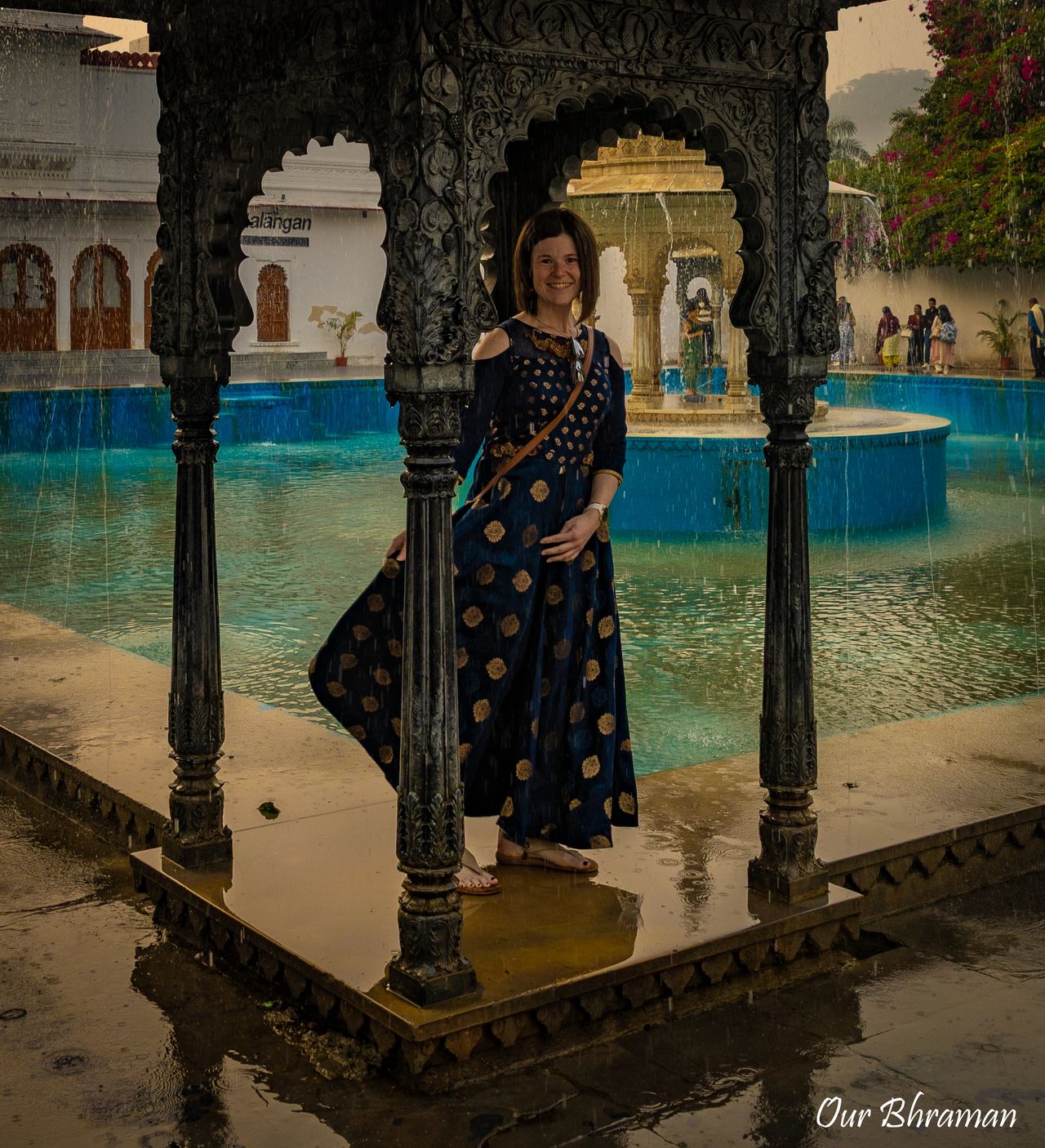
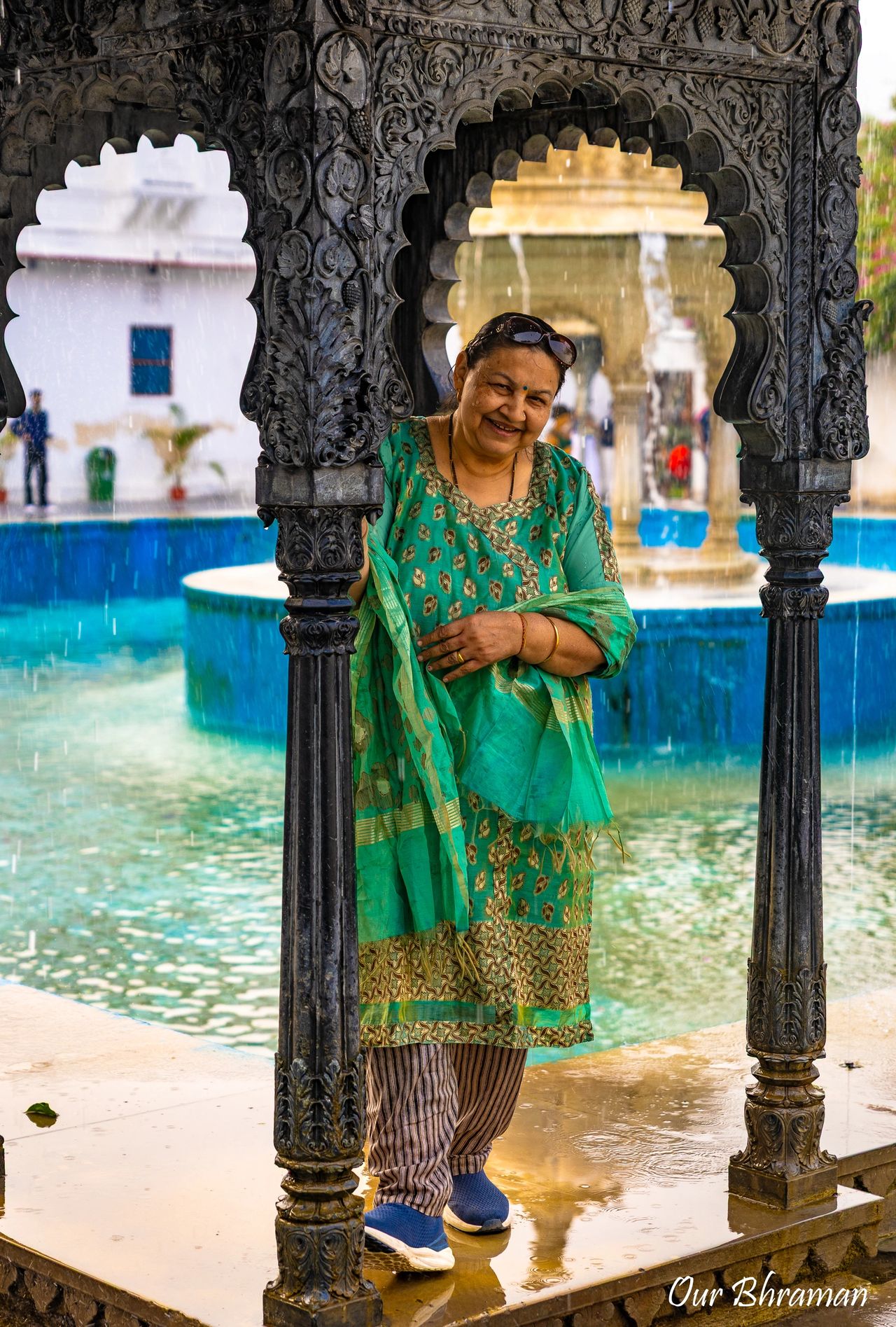
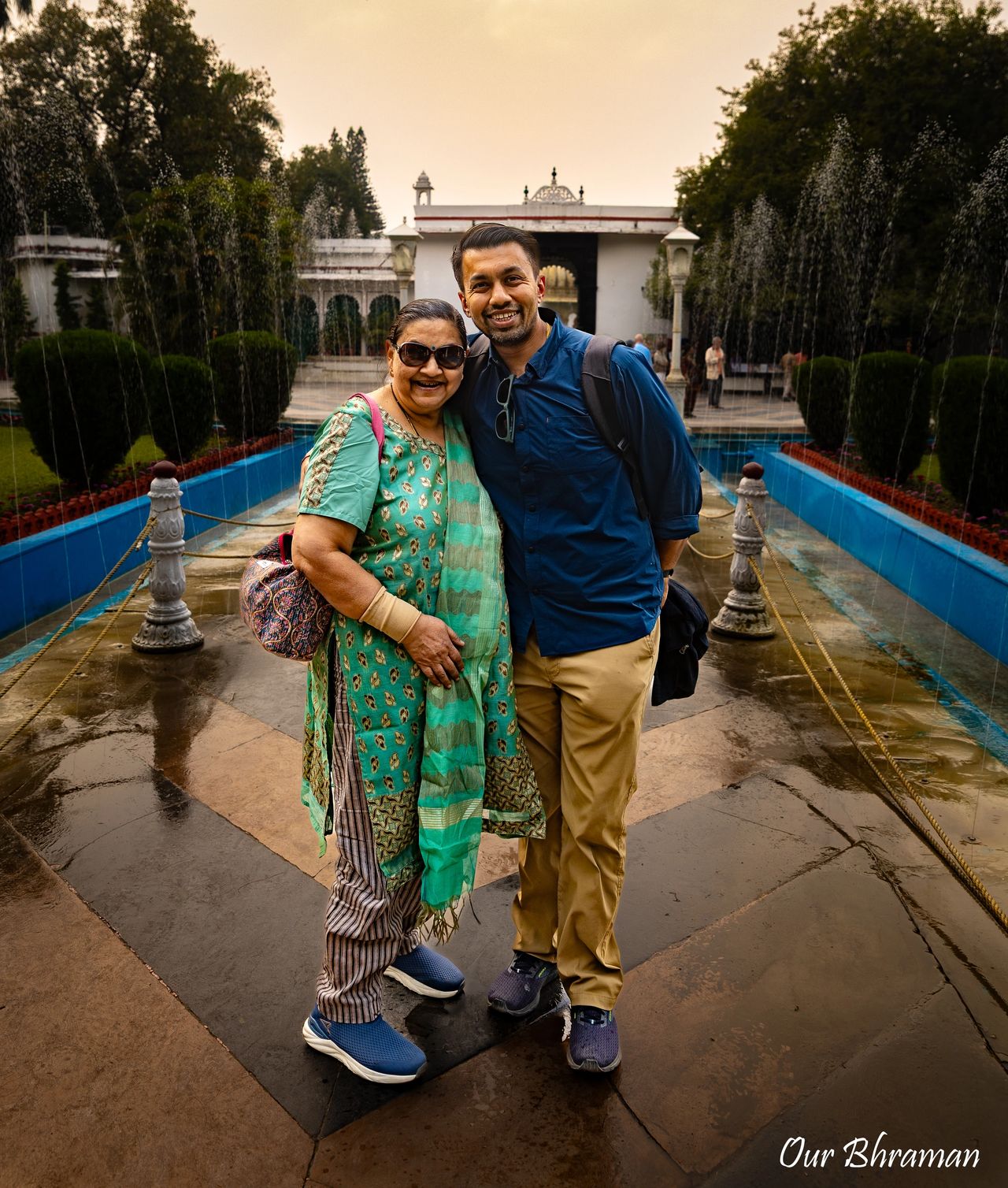
Saheliyon Ki Bari, which translates to “Garden of the Maidens,” was originally built in the 18th century by Maharana Sangram Singh II for the royal ladies of the palace. It was designed as a peaceful retreat where the queen and her companions could relax away from the formal life of the court. The garden’s layout—with its fountains, marble pavilions, lotus pools, and shaded walkways—reflects that intention perfectly.
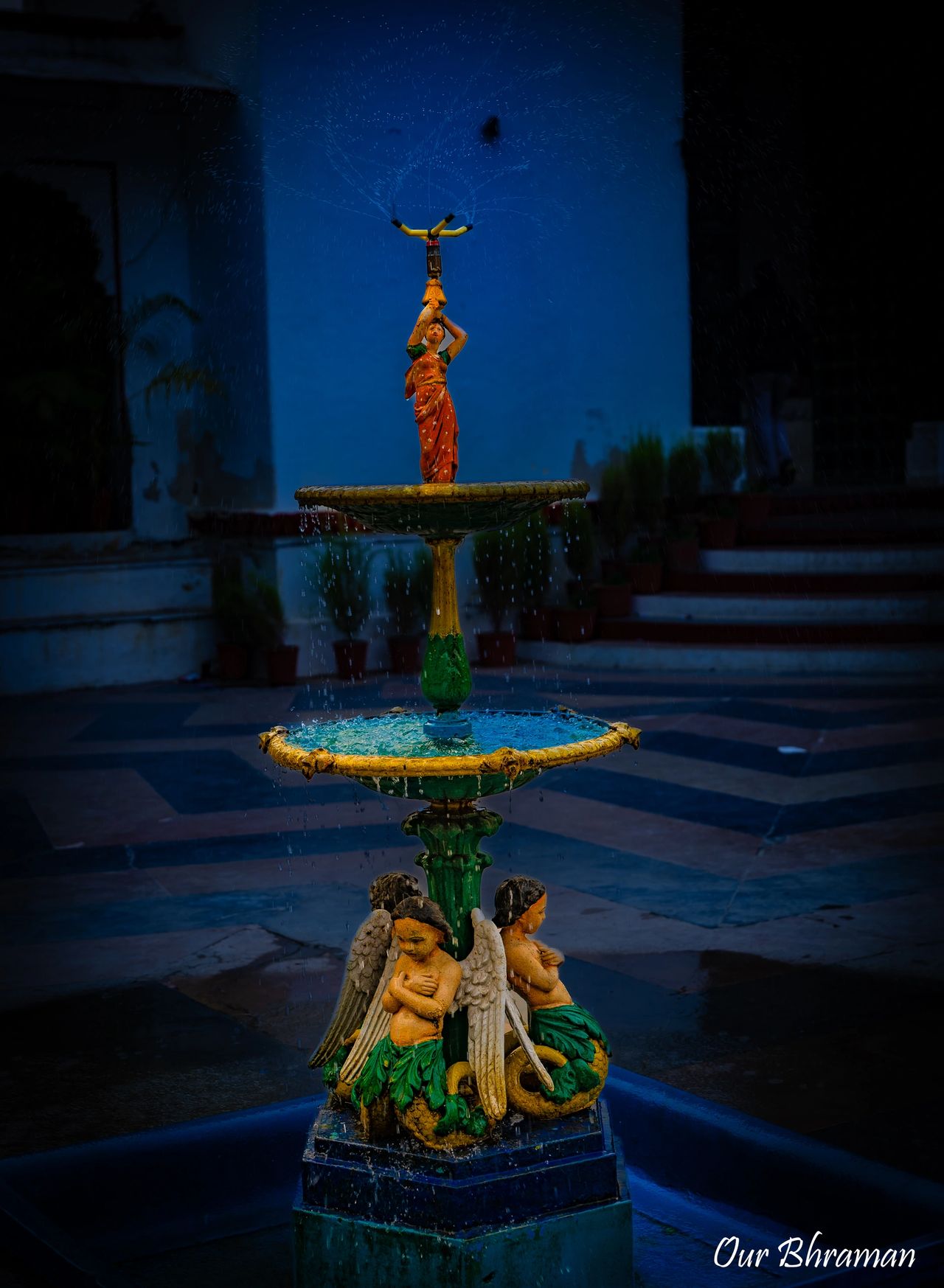
As we walked through the garden, it felt easy to slow down. The sound of flowing water from the fountains, the symmetry of the pathways, and the greenery all around created a sense of quiet escape. Today, for visitors, it offers that same feeling—a place to pause, unwind, and enjoy a softer, more relaxed side of Udaipur after a day filled with history and exploration.
After spending about an hour soaking in the calm atmosphere of the gardens, we made our way to our next stop—Shilpgram.
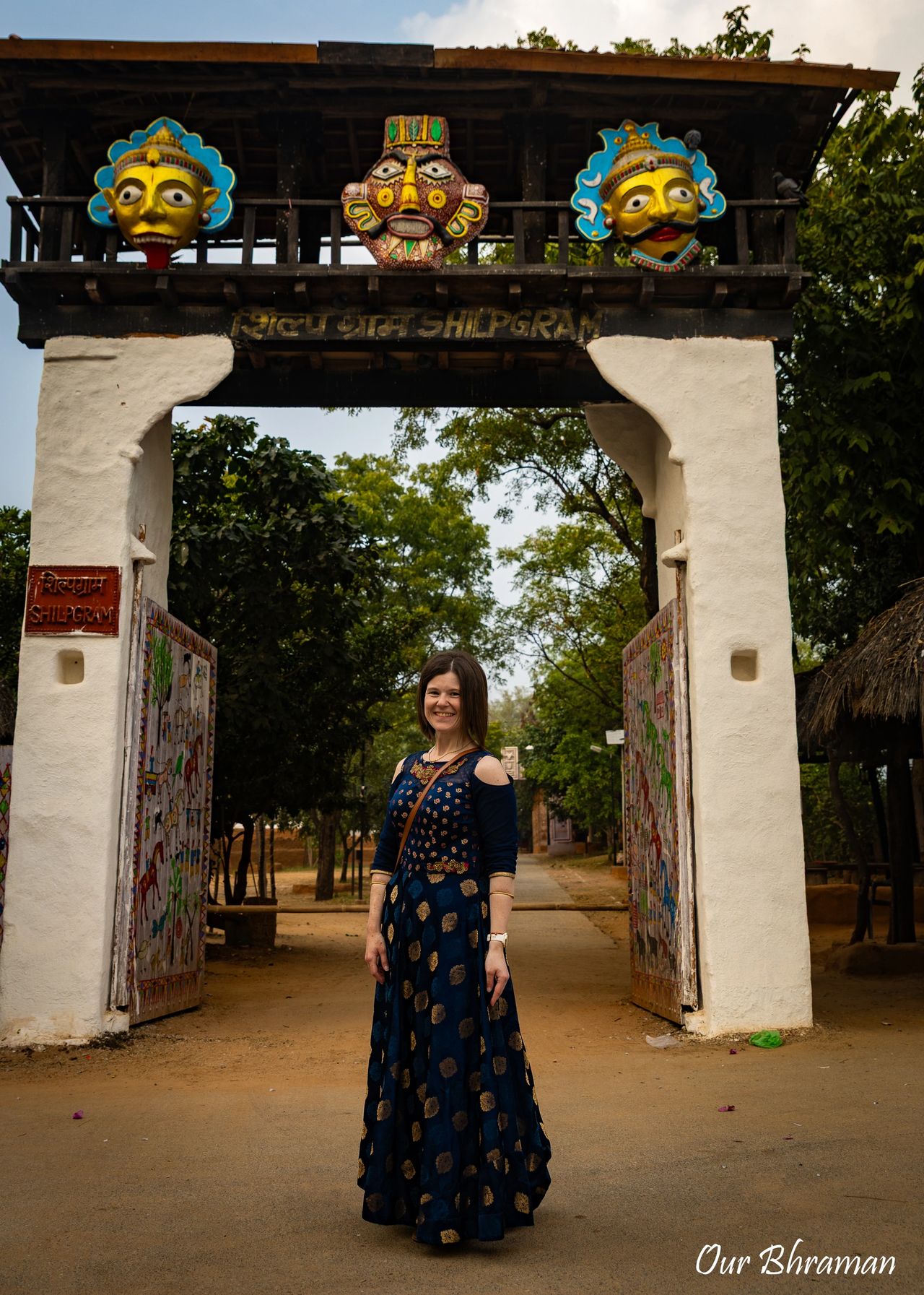
Compared to the other places we had visited that day, it felt noticeably less crowded, which made the experience more relaxed from the start. Shilpgram is designed as a cultural village where local artists from across India come together to showcase their crafts, traditions, and performances. As we walked through the space, we could see artisans demonstrating their work live, along with small stalls displaying handmade products ranging from textiles to home décor. It’s definitely a great place if you enjoy shopping while traveling or want to pick up something unique and locally made. Shilpgram feels less like a museum and more like walking through a traditional Indian village, with huts, open courtyards, and spaces where art and culture come to life. At the same time, it also features permanent displays and artistic structures that add to the overall experience, giving visitors a deeper sense of the region’s craftsmanship and heritage.
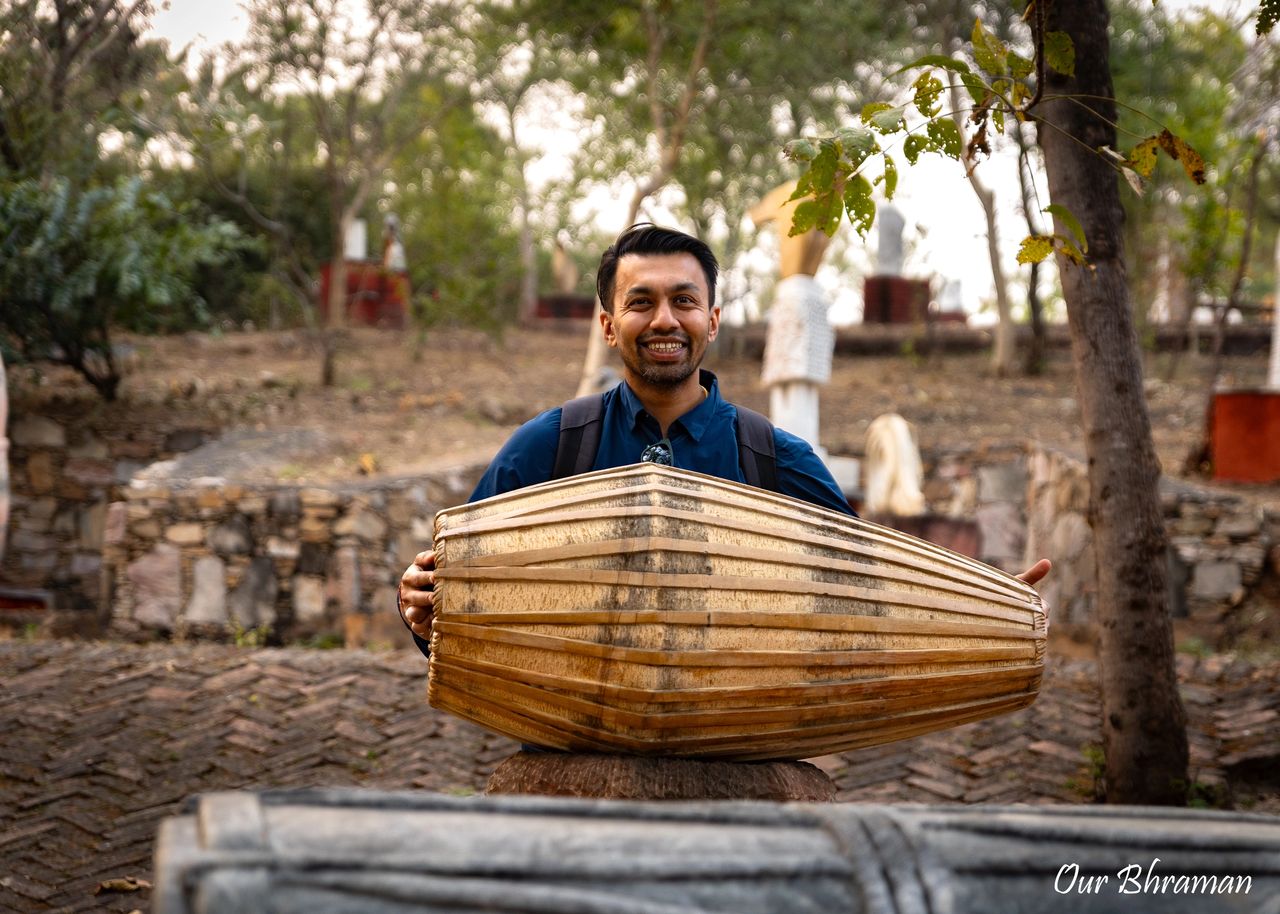
At the same time, we did feel that some vendors were quite eager to showcase their products, which can take up more time than you might expect—especially if you’re not really in the mood to shop. While everything they offered was creative and well-made, it sometimes felt like there was an expectation to buy, which slightly took away from the otherwise relaxed experience.
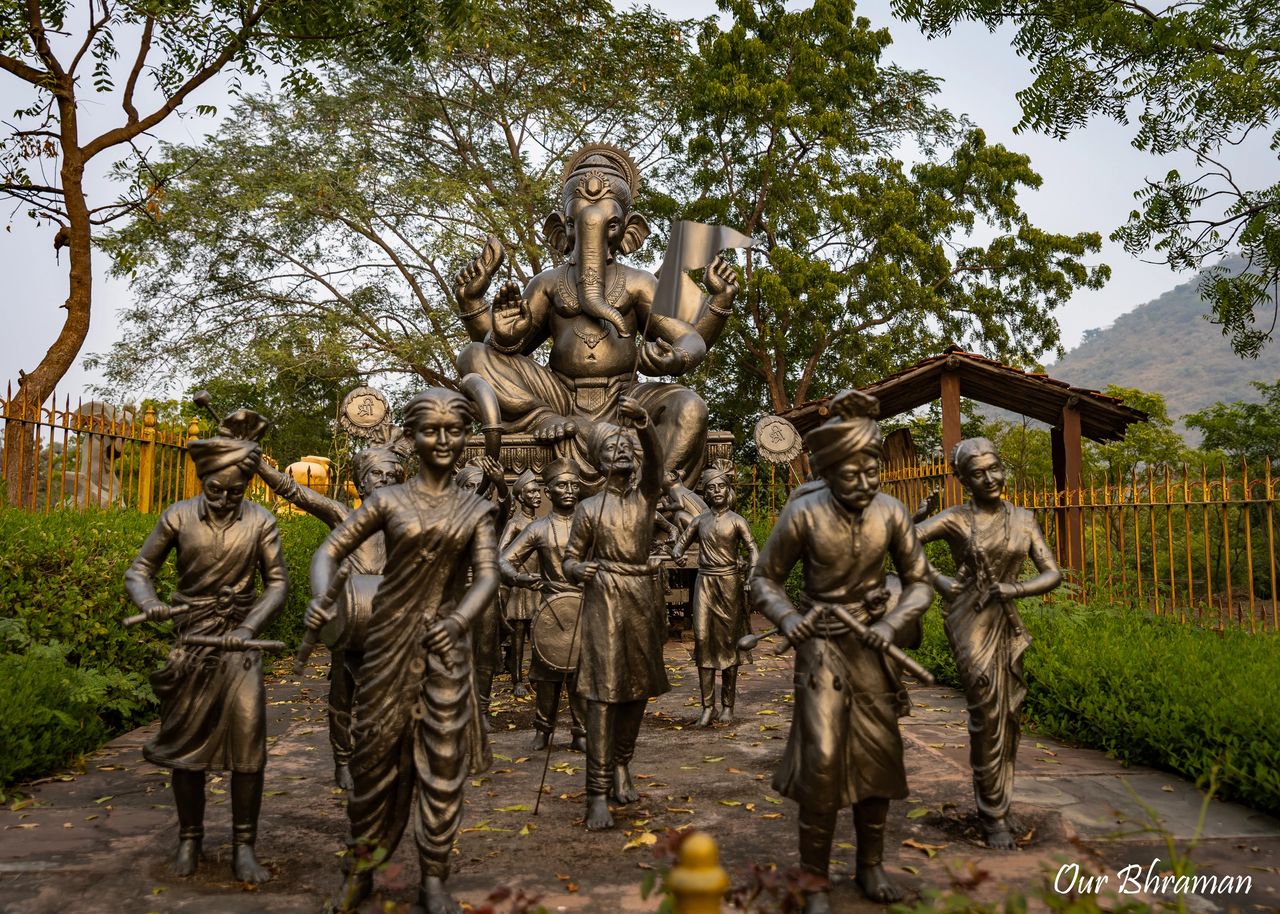
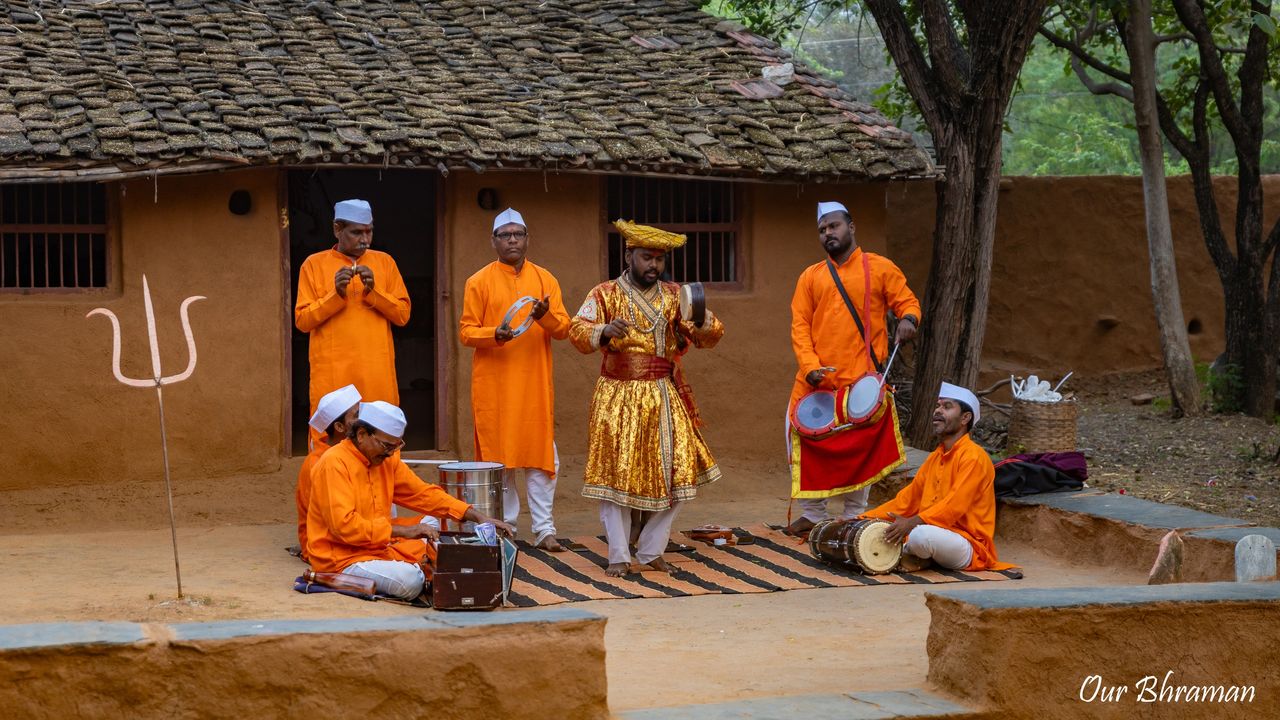
That said, we really appreciated the overall concept of the place. This was a one-stop destination to experience culture, art, and craftsmanship from different parts of India. The key, we realized, was to explore it at your own pace—taking in what interests you, without feeling pressured. When approached that way, Shailpgram becomes a meaningful and enjoyable stop to end the day.
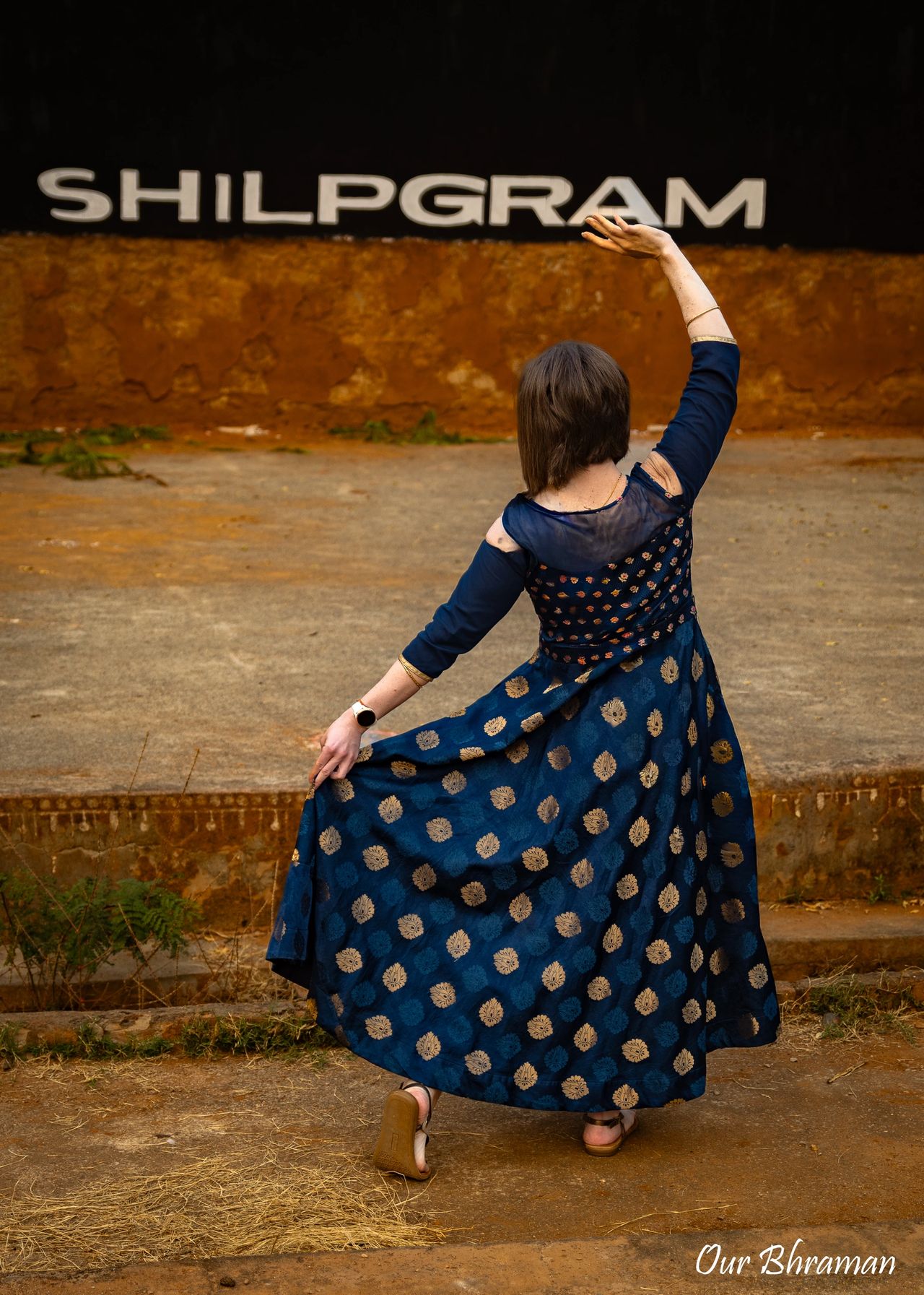
By the time we finished exploring Shilpgram, the day was slowly coming to a close. With the sky beginning to soften into evening colors, we decided to make one final stop before heading back—Fateh Sagar Lake.
We only managed about 15 minutes before the sun dipped below the horizon and darkness quickly settled in—but even that short time felt worth it. Fateh Sagar Lake is one of the most loved spots in Udaipur, known for its calm waters and scenic surroundings, with the Aravalli hills forming a beautiful backdrop. As the sun sets, the lake takes on a completely different character—the sky reflects softly on the water, and the entire area begins to glow with a peaceful, almost romantic vibe.
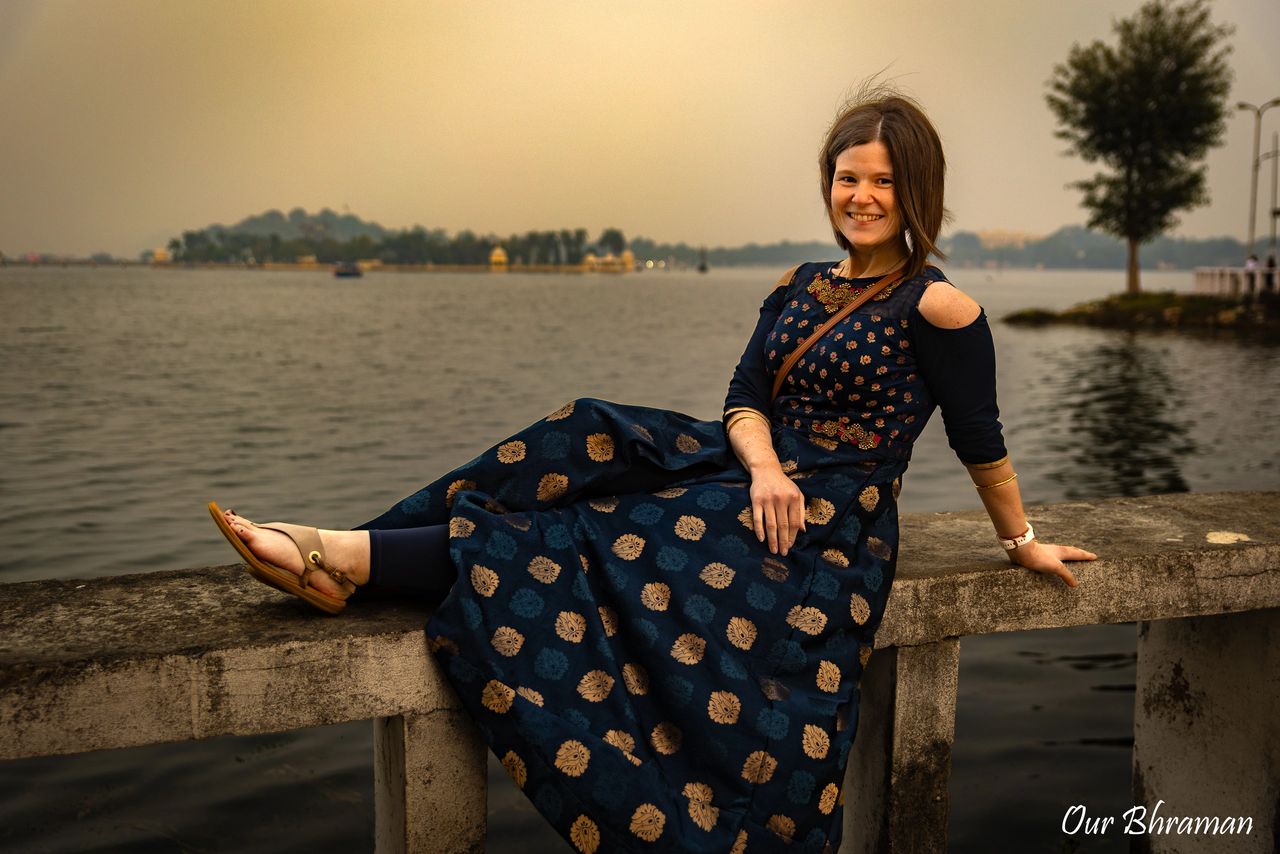
Even though we didn’t get the full sunset experience, standing there watching the light fade over the lake felt like the perfect way to end the day. It was a gentle reminder that sometimes, even a few quiet moments by the water can leave a lasting impression of Udaipur.