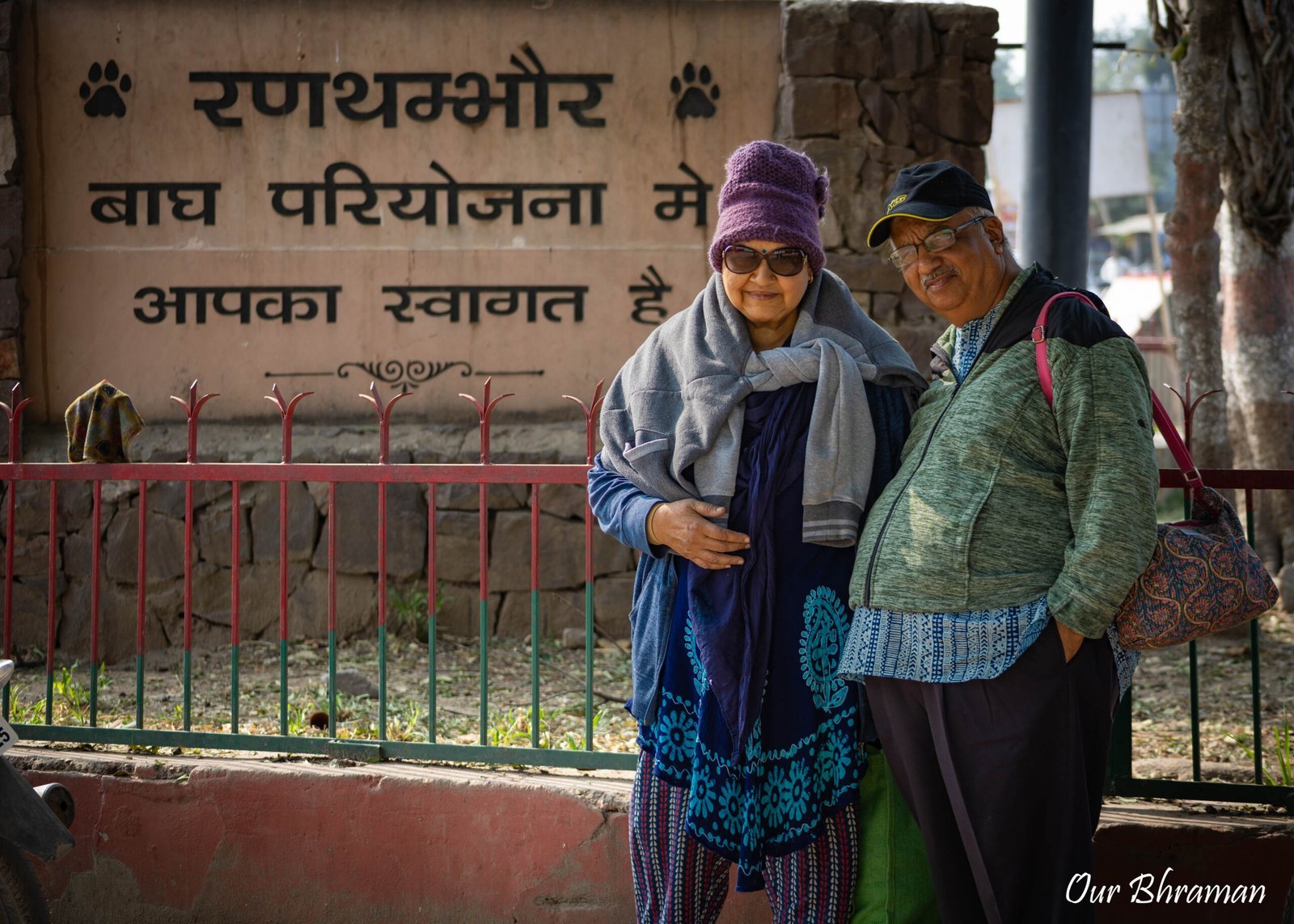
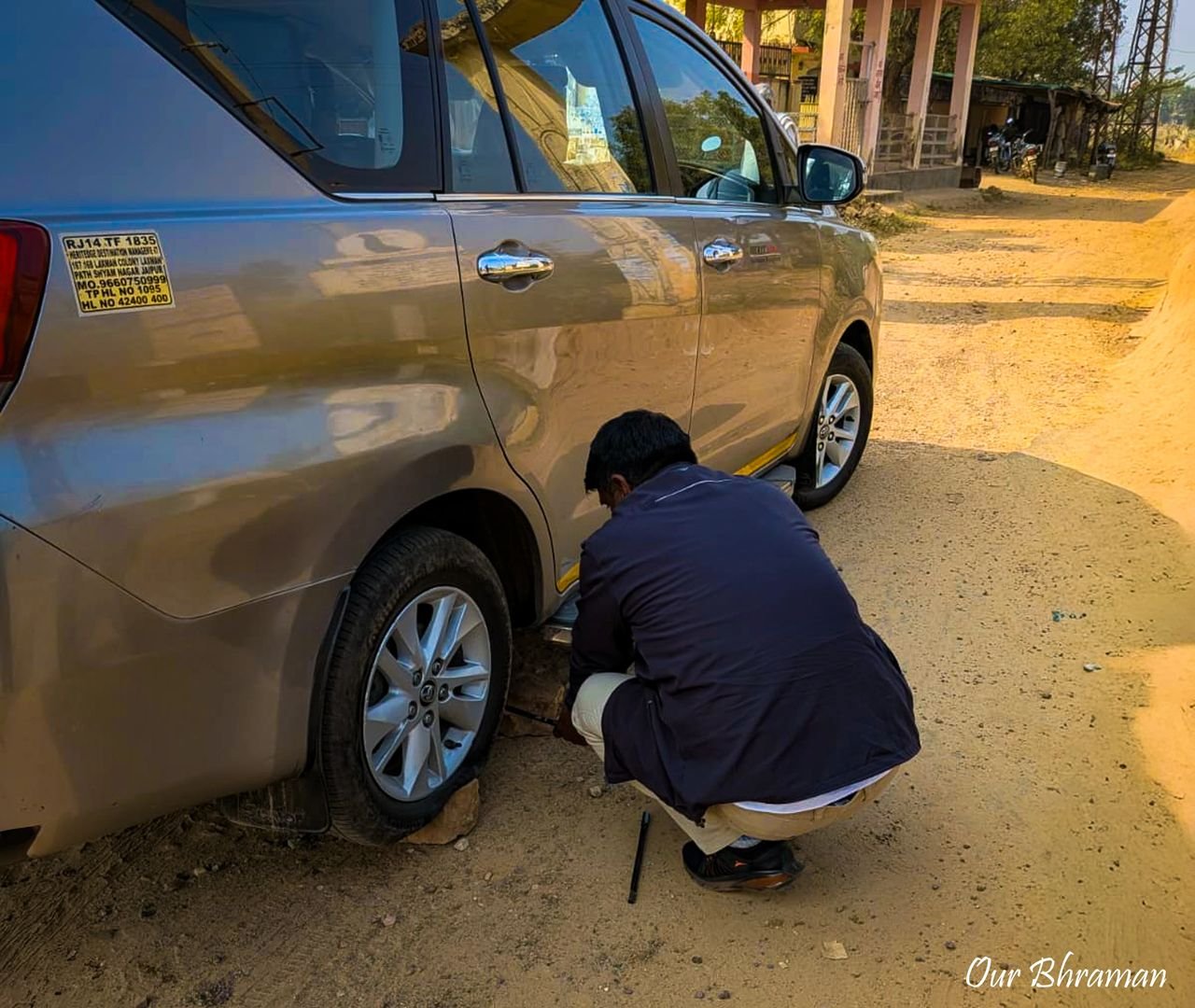
Day-9 The next day, we set off from Jaipur for Ranthambore, a four-hour drive that we had to time carefully to make it for our afternoon safari in Sector 4. After ten days of traveling, it seemed almost inevitable that something would go awry—and sure enough, we burst a tire along the way. Luckily, our driver was quick on his feet and managed to fix it without losing precious time, ensuring we wouldn’t miss the safari.
Once a private game reserve of the royal House of Jaipur, Ranthambore National Park and Tiger Reserve is one of the world’s best-known wilderness areas. Located just 14 kilometres from Sawai Madhopur and at the junction of some of India’s oldest mountain ranges—the Aravallis and Vindyas—the park offers some of the finest opportunities to spot the magnificent tiger in the wild. Its rolling hills, crags, meadows, lakes, and rivulets create a dry-deciduous forest system teeming with life. Apart from tigers, visitors may encounter sloth bears, leopards, caracals, jackals, foxes, hyenas, and mongooses, with the elusive Indian wolf occasionally making an appearance. Herds of chital and sambar deer, nilgai antelope, rhesus macaques, langurs, and a vast variety of birds roam beneath dhok, fig, and banyan trees, making every safari a feast for the senses. The landscape is dominated by the 10th-century Ranthambore fortress, while valleys hold numerous cenotaphs, ruins, and abandoned settlements overtaken by nature—a silent testament to battles and romances of an era long past. The park’s popularity with tourists from around the globe means advance reservations are highly recommended.
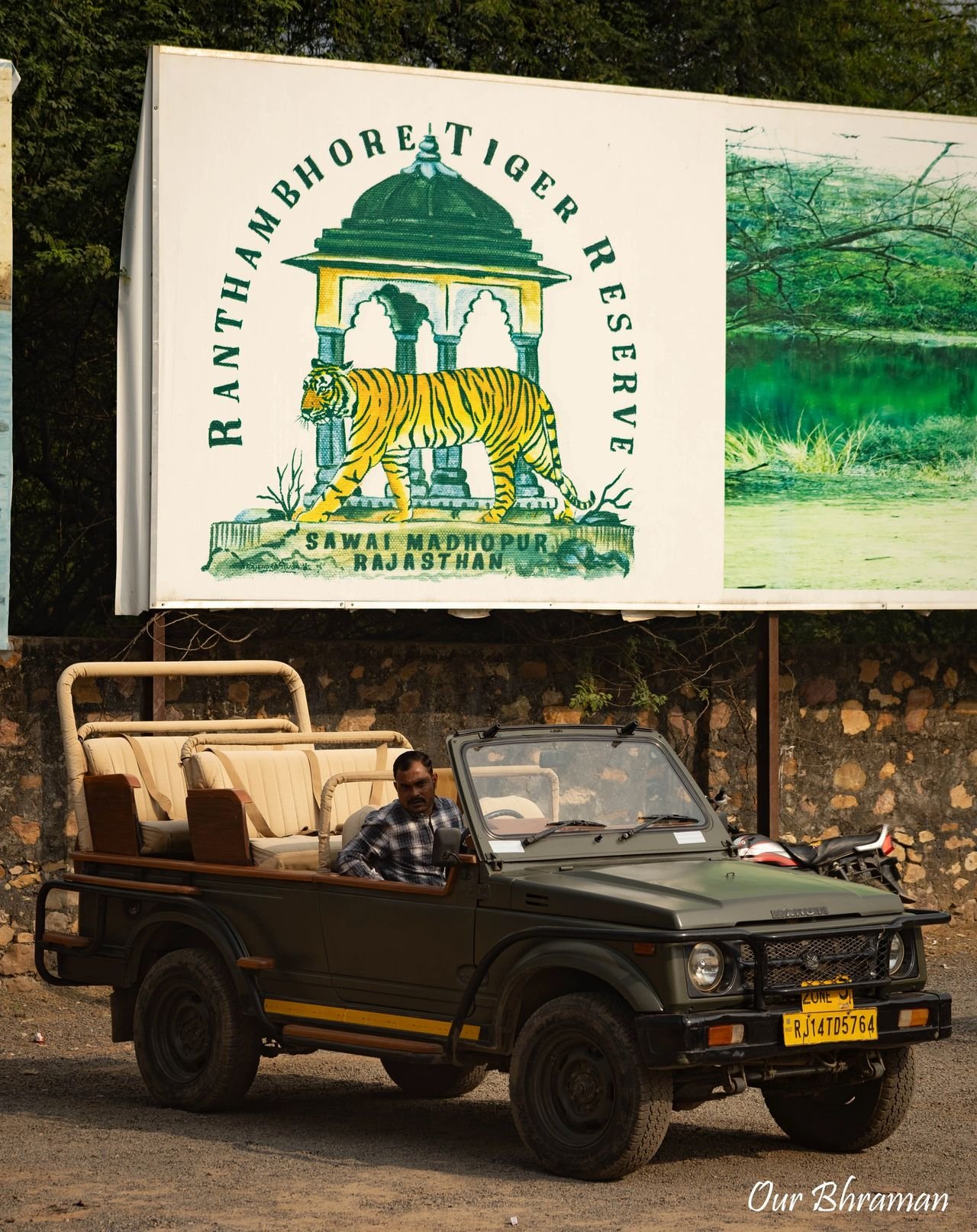
Before I take you into our safari experience, here’s something useful for anyone planning a visit: jeep rides are exciting but limited, so if you don’t book early, you might miss out. Canter rides, on the other hand, are more comfortable and provide a great vantage point to enjoy the safari. Both have their charm, but for those wanting a more relaxed view of the park, canters are a solid choice.
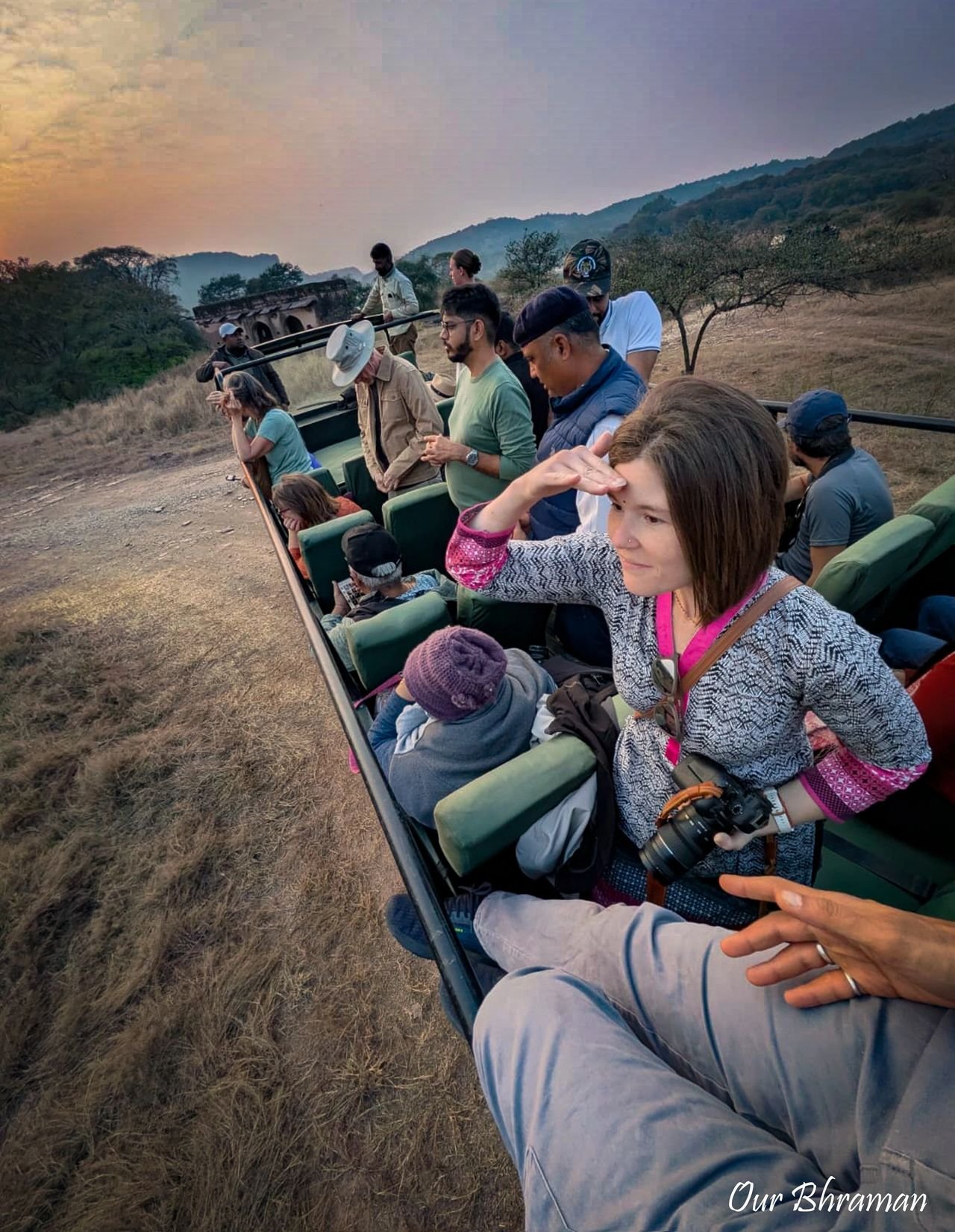
Ranthambore National Park is divided into 10 safari zones, each offering a unique landscape and wildlife experience. Choosing the right zone can make your safari even more exciting:
- Core Zones (Zones 1–5): Known for the highest chances of tiger sightings, including areas like Tooti Ka Nala, Amareshwar Dang, Sultanpur, Kharia, Kala-Peela Pani, and Gada Doob.
- Buffer Zones (Zones 6–10): Less crowded but still offering great wildlife viewing, including Jogi Mahal, Phuta Bandha, Nal Ghati, and Rajbagh Lake.
When booking a safari, the Rajasthan Forest Department assigns zones randomly, so every visitor gets a fair chance. While every zone is worth exploring, booking multiple safaris across different zones—especially in summer—can increase your chances of spotting tigers. For our two scheduled rides, afternoon of the first day and morning of the next, we ended up in Zones 2 and 4.
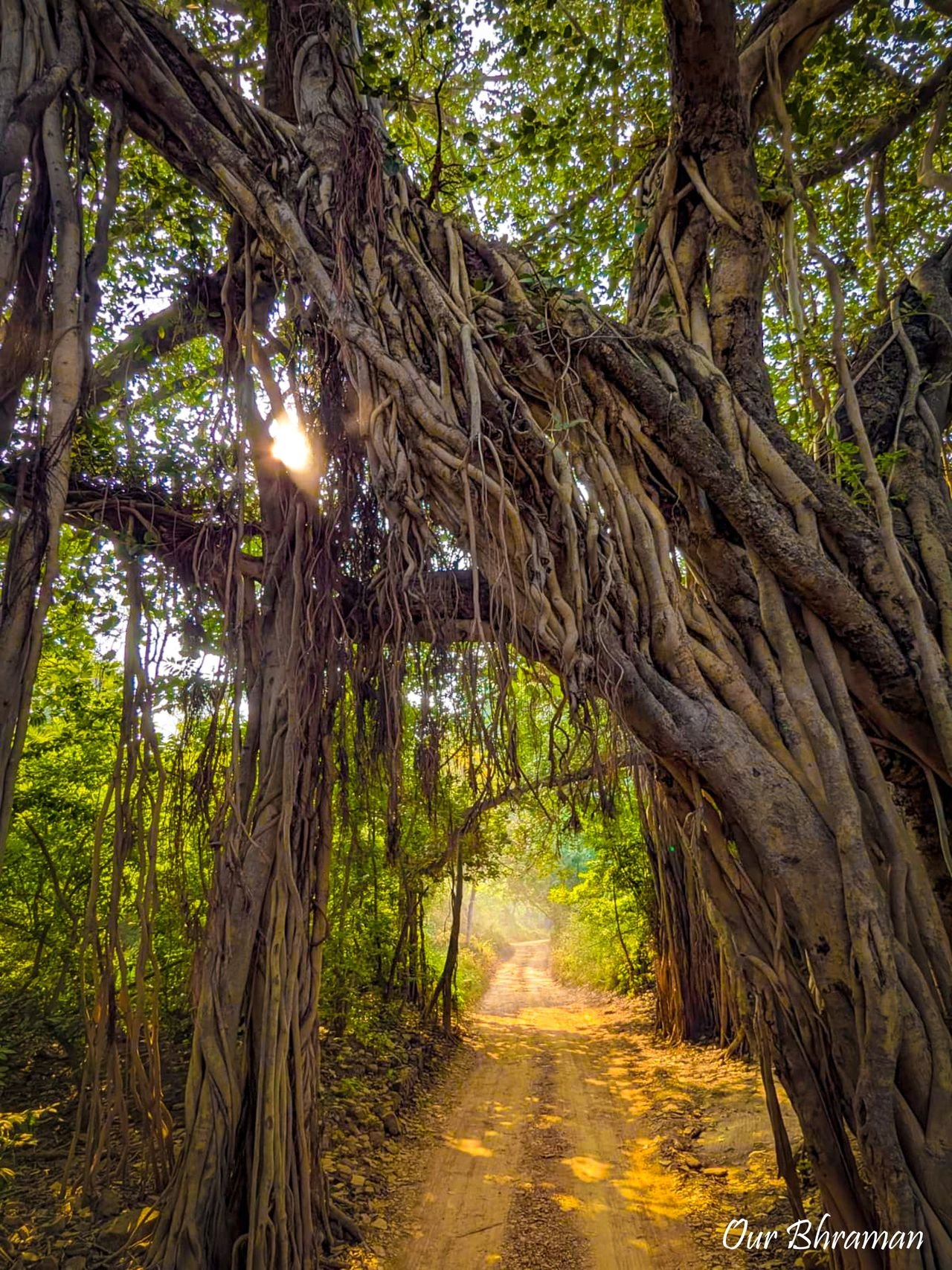
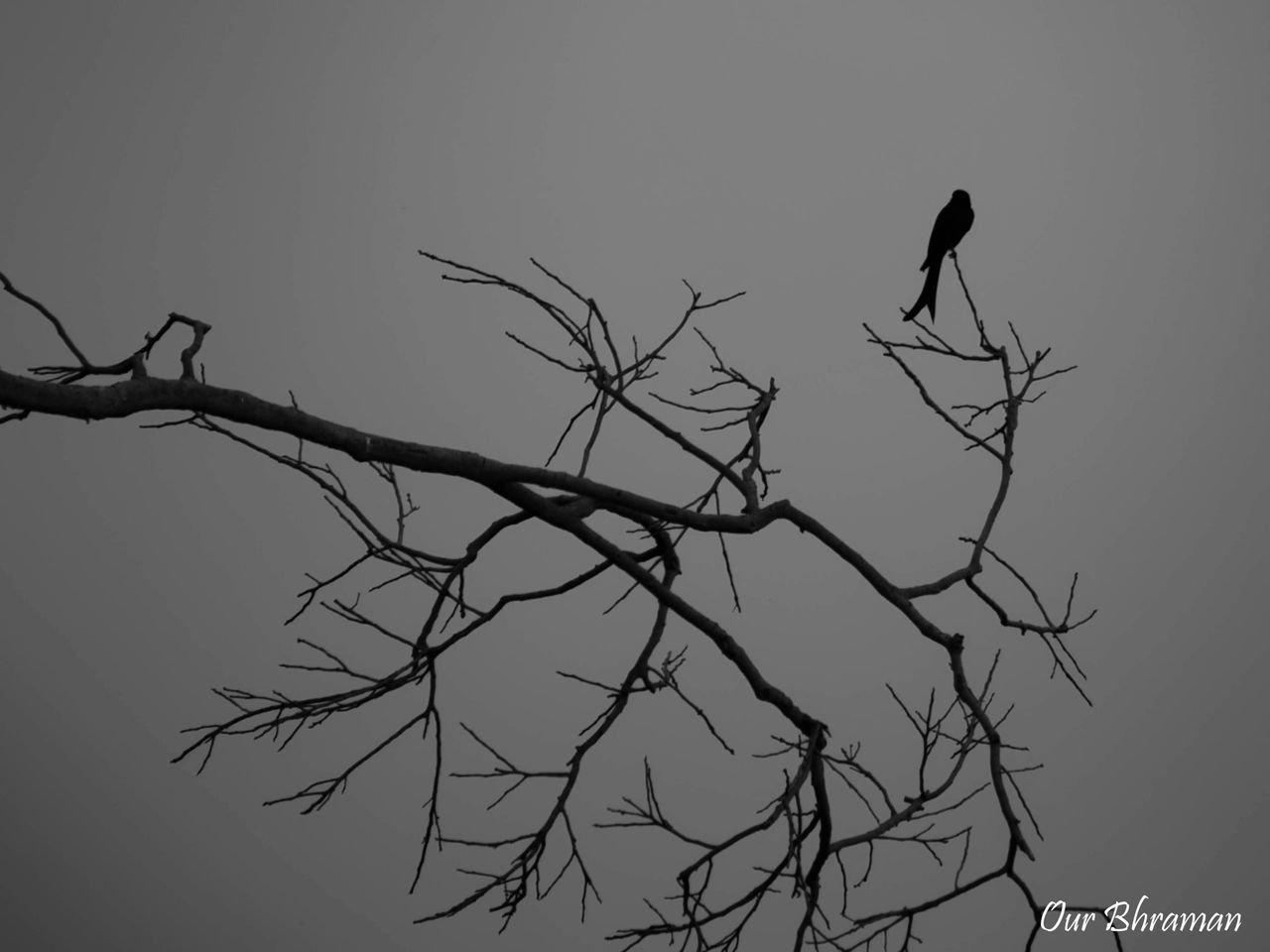
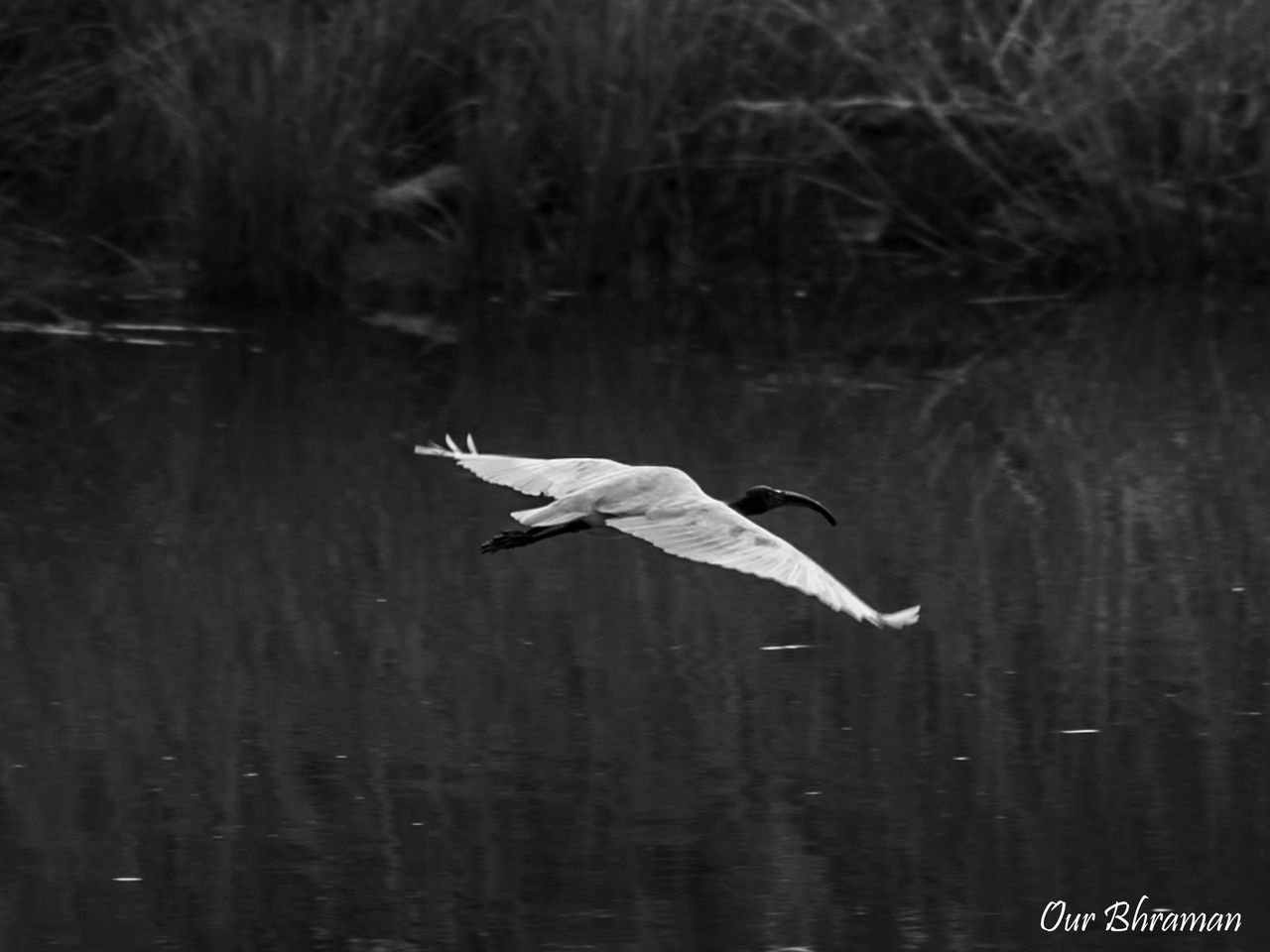
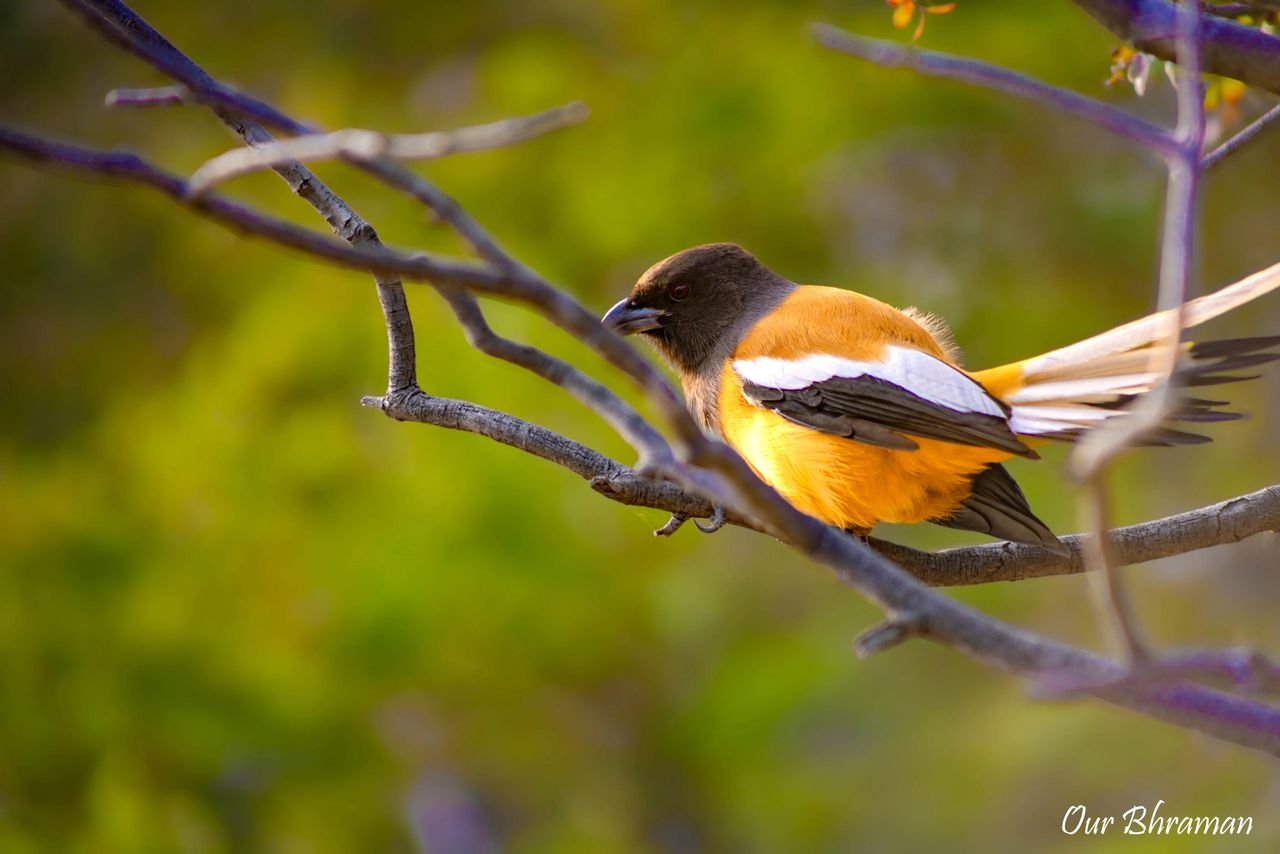
As we entered the park, the adventure unfolded like a wildlife documentary. Our guide scanned the ground and trees, noticing footprints, listening for calls, and constantly communicating with other guides across the park. Soon, we spotted a sloth bear rummaging near the forest edge, its slow, deliberate movements captivating us all. Nearby, a crocodile lounged by a small lake, barely moving but undeniably commanding attention. Herds of sambar and chital deer grazed cautiously, their heads snapping up at every rustle, while nilgai antelope gracefully crossed a clearing. Overhead, king vultures soared, serpent eagles screamed, and a rainbow of smaller birds flitted between the trees. Mischievous rhesus macaques and langurs leapt across branches, adding energy and life to the forest scene. Every turn of the vehicle seemed to reveal another hidden gem of wildlife, reminding us that the park is as much about the smaller wonders as it is about the majestic tiger.
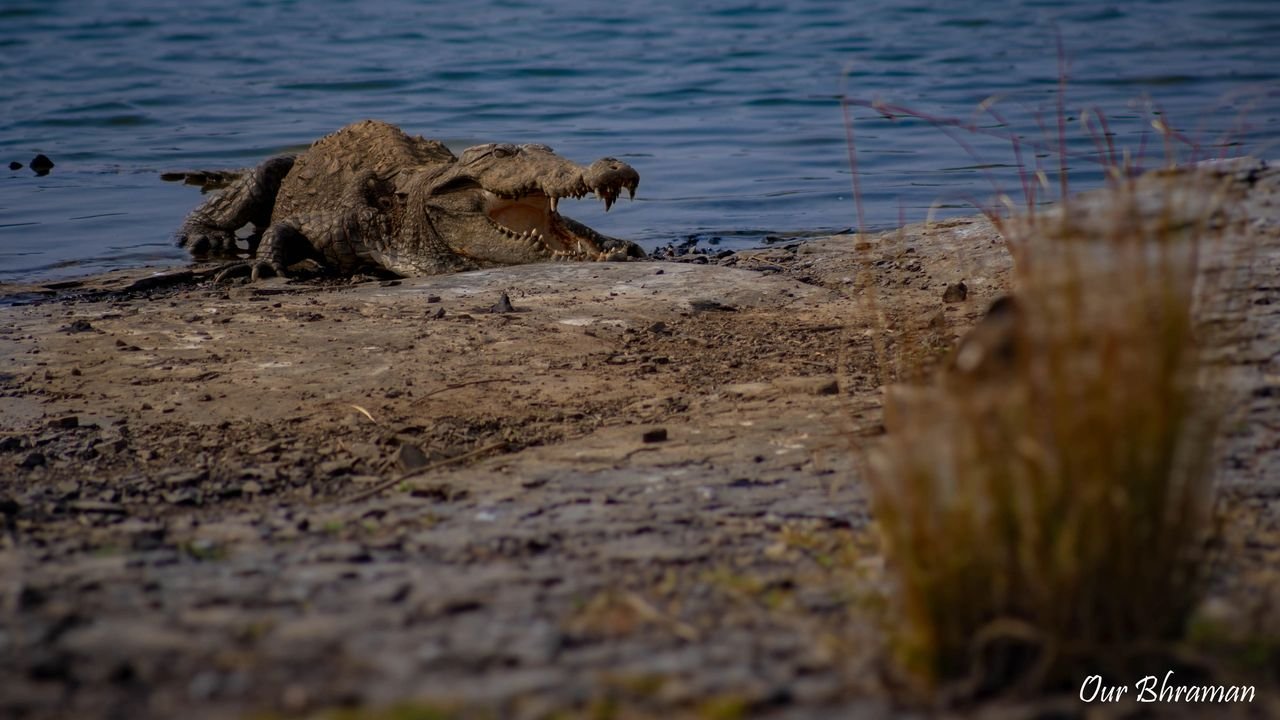
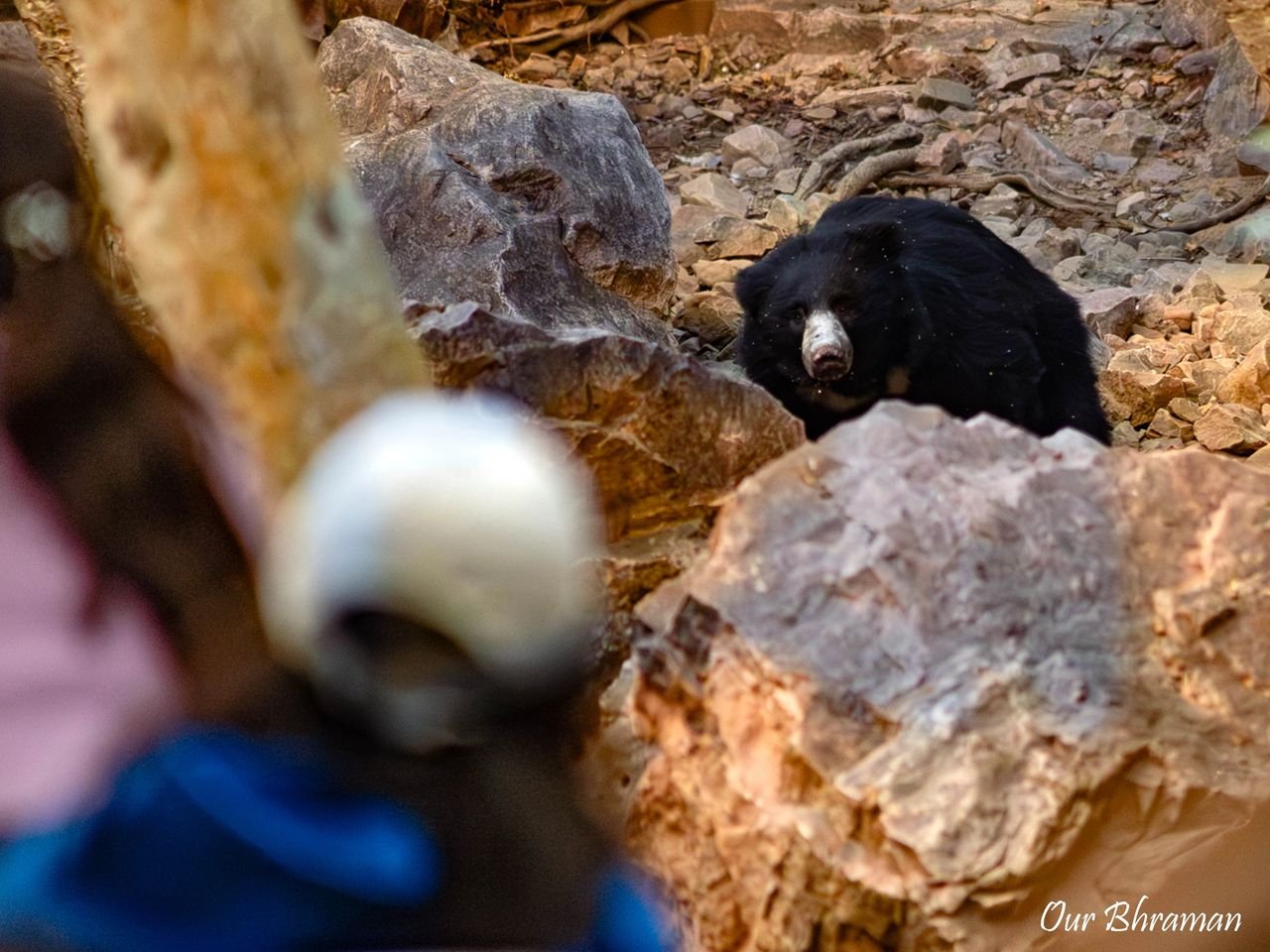
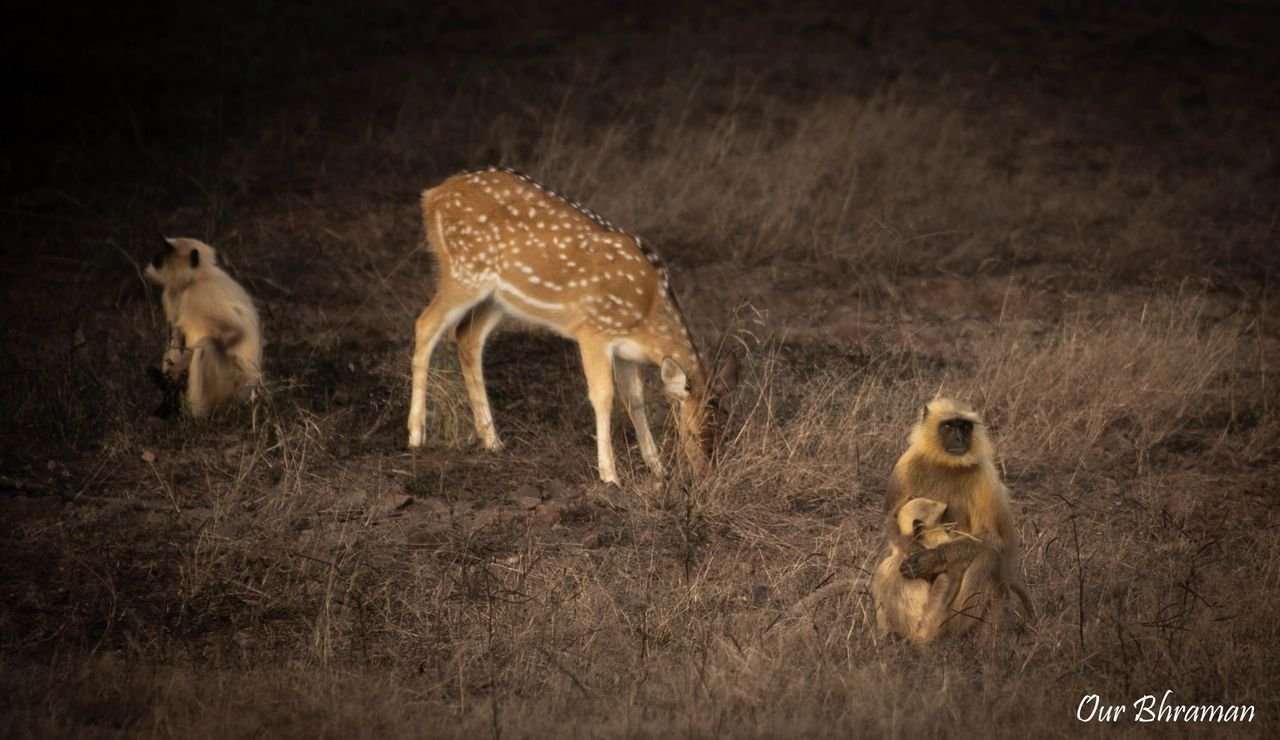
And then, as if on cue, the tiger appeared at the very end of our first safari—distant, but undeniably magnificent. Even with a guide’s skill and careful tracking, spotting this elusive creature felt like pure luck, the reward for patience and attentive eyes. Still, seeing the other wildlife—the deer interacting with predators, the monkeys’ playful antics, the calls of countless birds, and the silent basking of the crocodile—made the safari unforgettable. Every moment was a reminder that Ranthambore is alive in every sense, a wild, untamed spectacle where luck, skill, and the thrill of discovery come together.
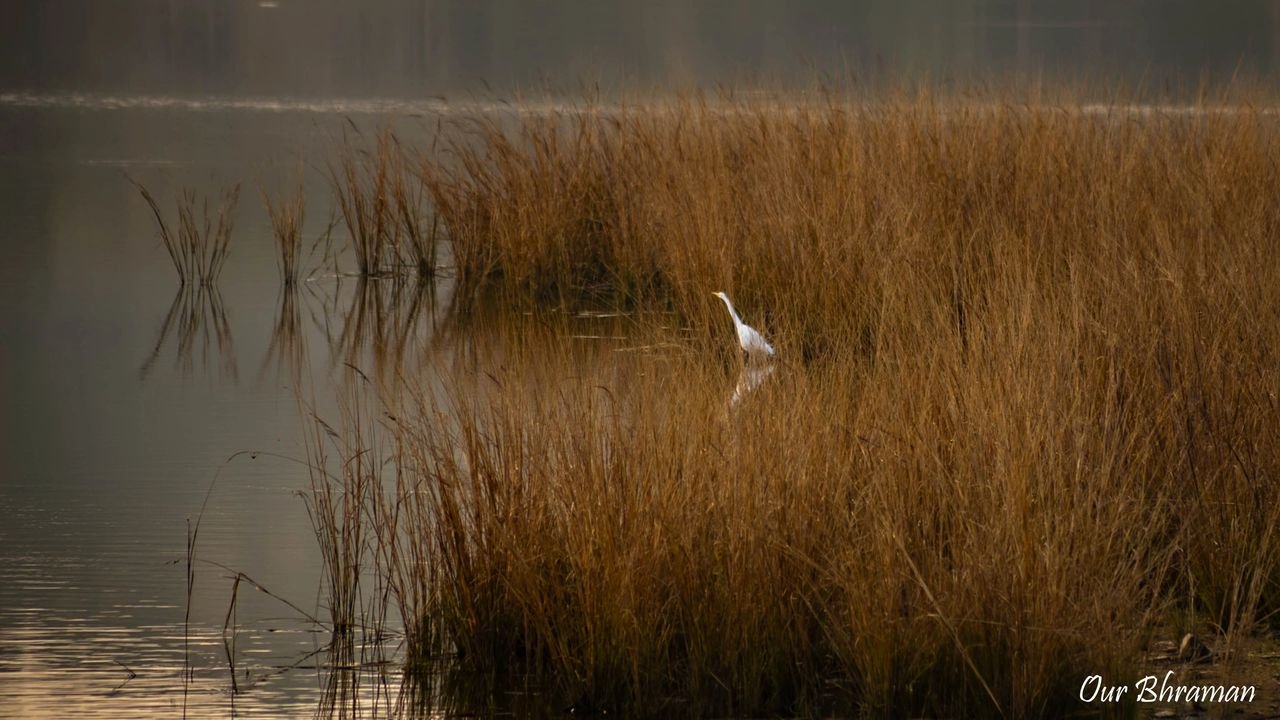
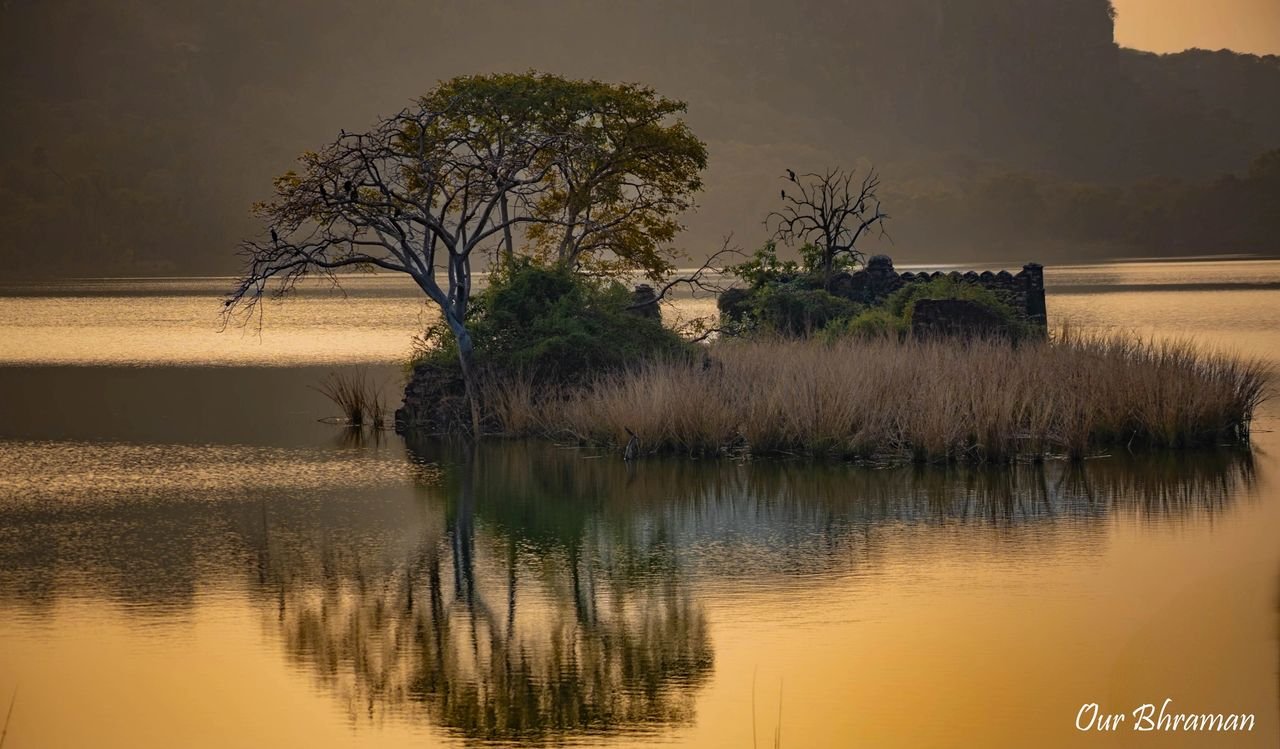
After our afternoon tour, we returned to Jungle Cave Resort, which felt like stepping into a peaceful haven right in the heart of nature. The resort is beautifully maintained, with clean, well-kept grounds that immediately create a sense of calm. The staff were warm and attentive, always ready to help.
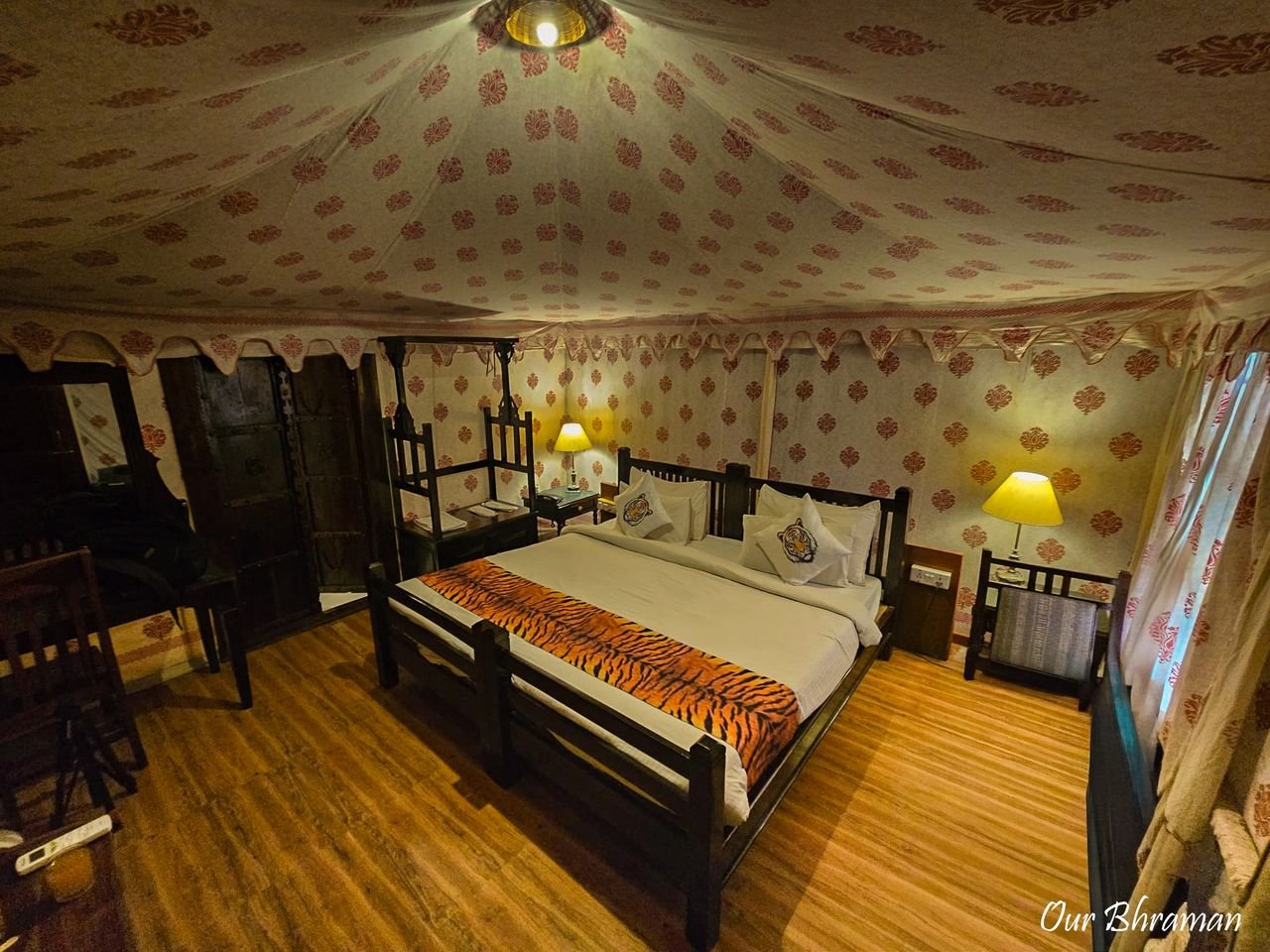
Our room was spacious and comfortable, and the bed and pillow design featuring a tiger really brought home the theme of being close to the wild. It was a playful yet fitting reminder of why we were here—to immerse ourselves in nature and experience the thrill of the safari. The resort’s secluded location near the park made mornings especially serene, with the sounds of the forest replacing the usual city noise. While occasional events nearby did intrude on the quiet, the overall atmosphere was restful. Meals were reasonably priced and tasty, adding good value to the stay, though some extra fees applied.
Day 10 – Morning Safari & Departure
The next morning, we were up bright and early for our morning safari, eager to catch a glimpse of wildlife before the sun climbed too high. Animals in Ranthambore are much more active in the early hours, preferring to sleep or rest under the canopy once the heat of the day sets in.
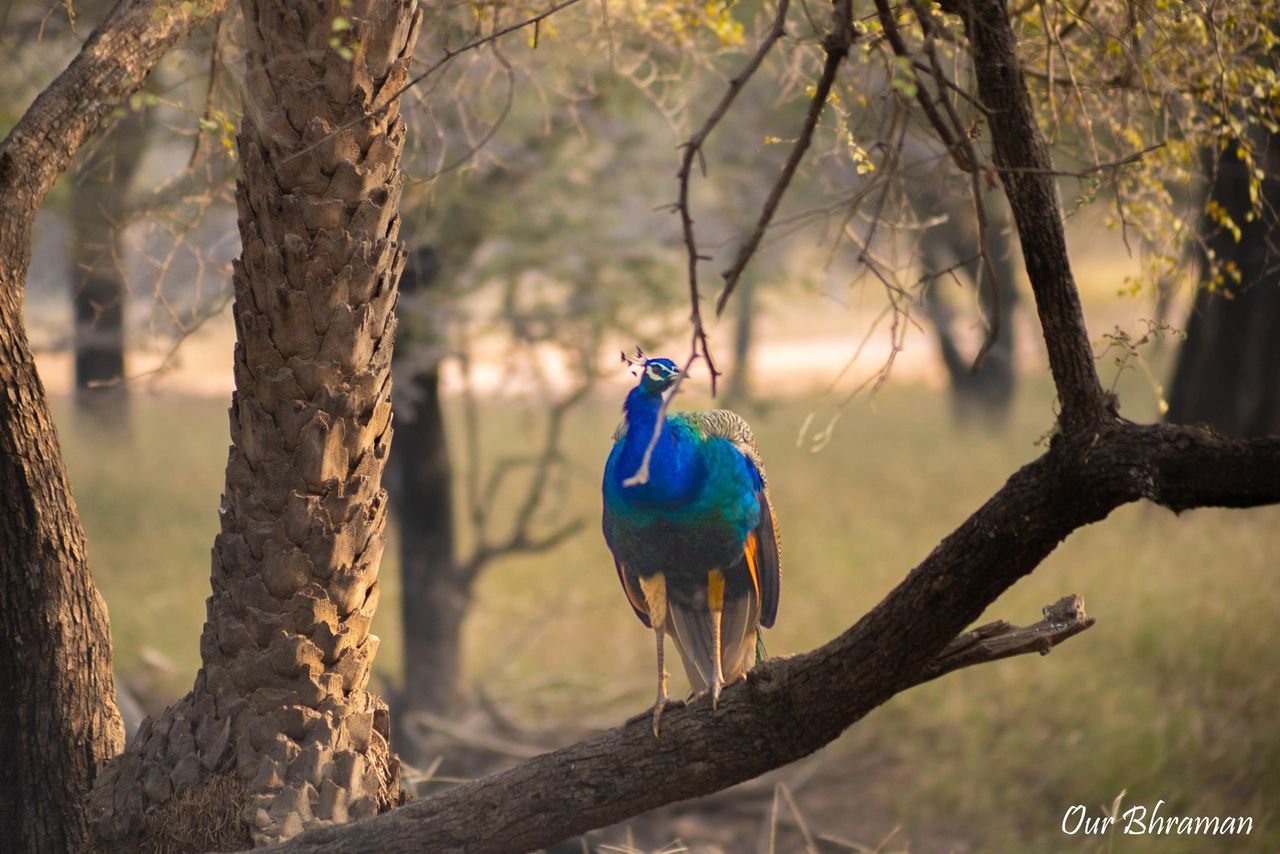
The forest took on an entirely different character in the morning light—mist drifting over the meadows, birds calling from the trees, and dewdrops shimmering on leaves—offering a more serene and intimate view of the park compared to the afternoon bustle.
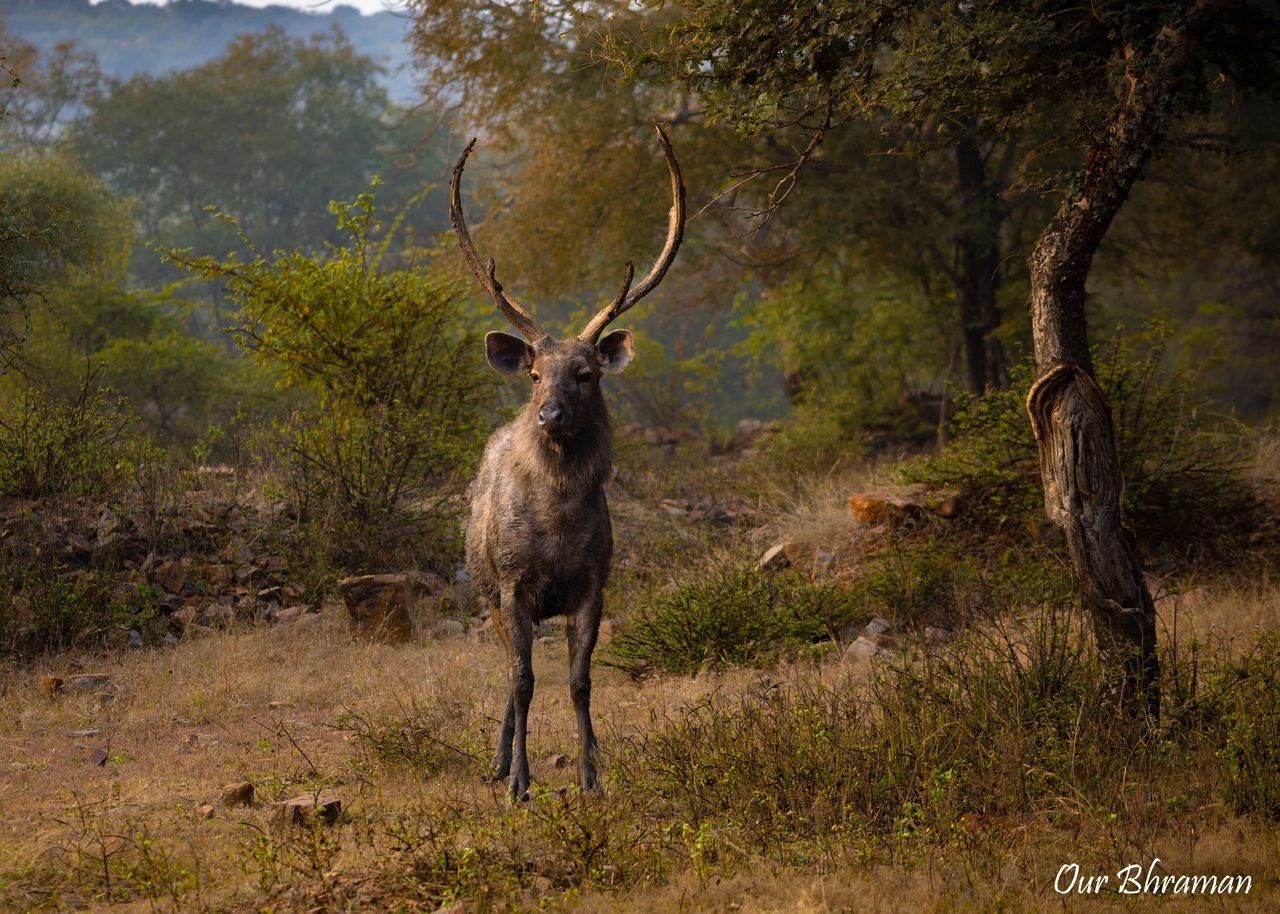
Our guide shared fascinating insights into animal behavior and how to increase our chances of spotting wildlife. He explained that certain areas in the jungle—especially water sources like rivers, streams, lakes, and ponds—are crucial gathering points for animals. Many herbivores, such as sambar deer, chital (spotted deer), nilgai, Indian wild boar, and chinkara (Indian gazelle), tend to visit these water sources in the early morning or late afternoon to drink, avoiding the hottest parts of the day to stay safe and conserve energy.
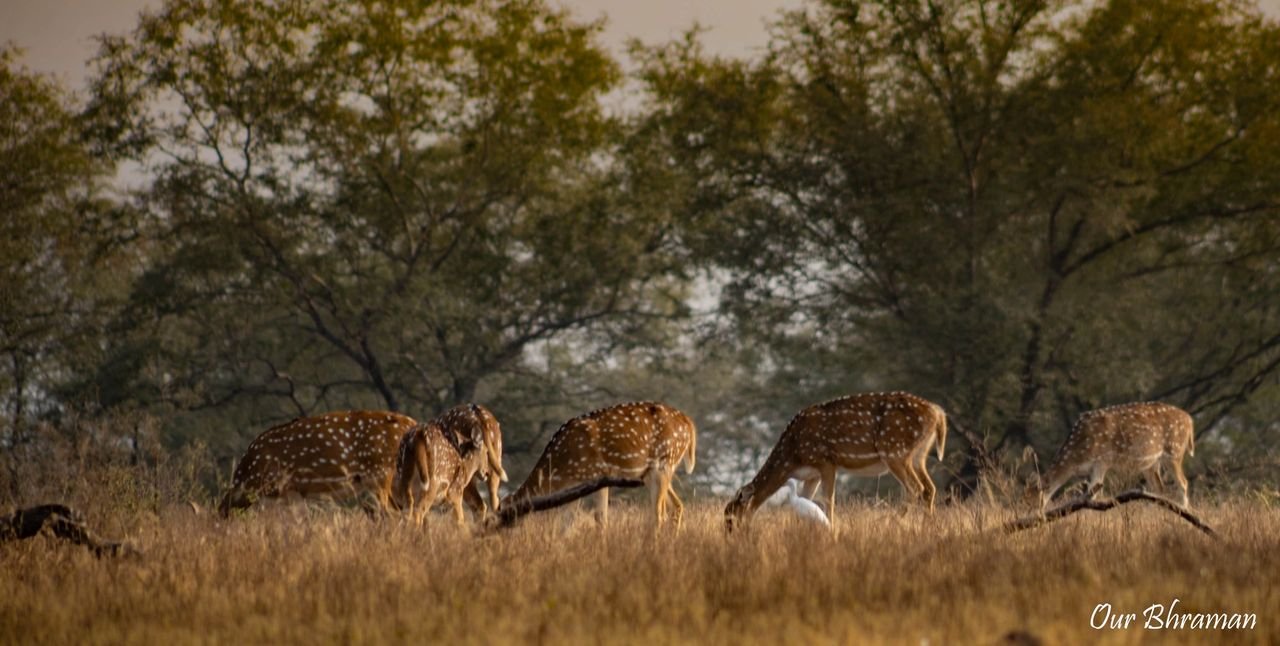
Predators and carnivores also patrol these edges, taking advantage of the higher concentration of prey. Understanding these patterns gave us a deeper appreciation of the forest and made our safari experience far more engaging.
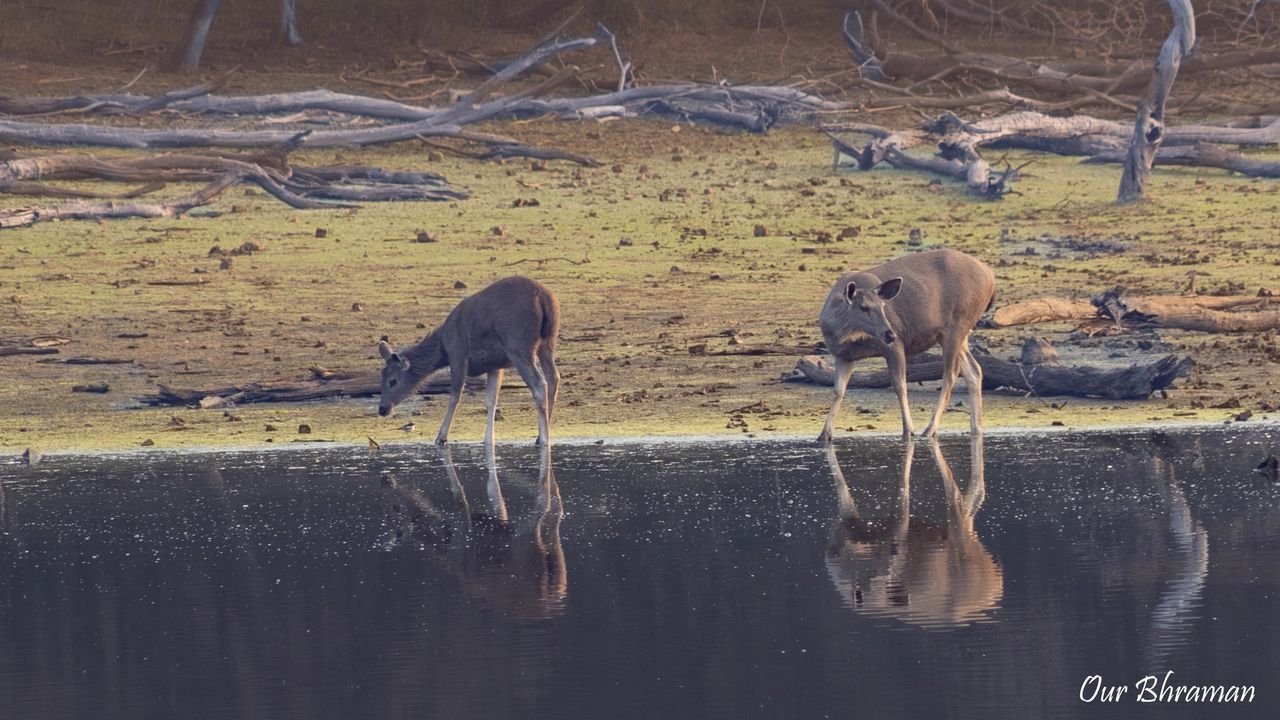
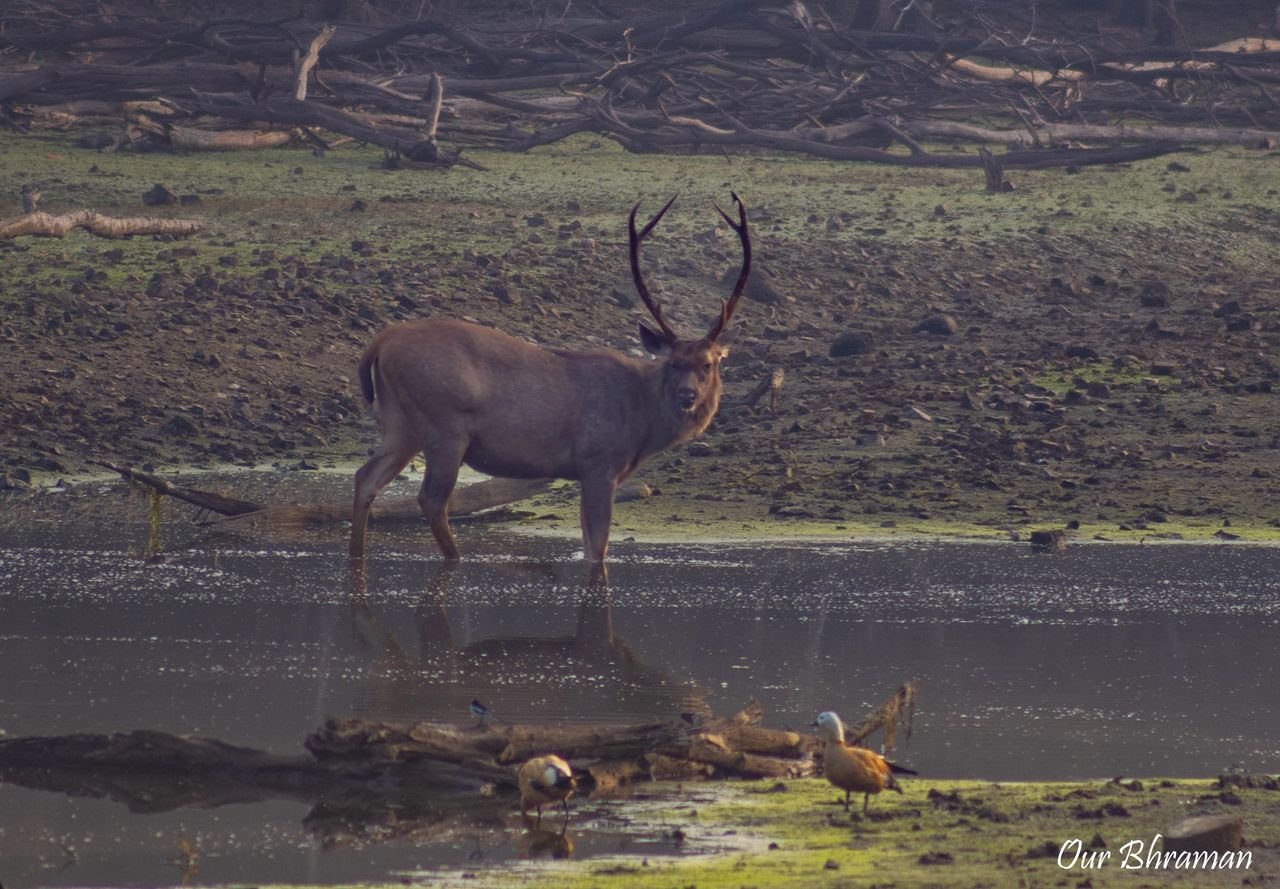
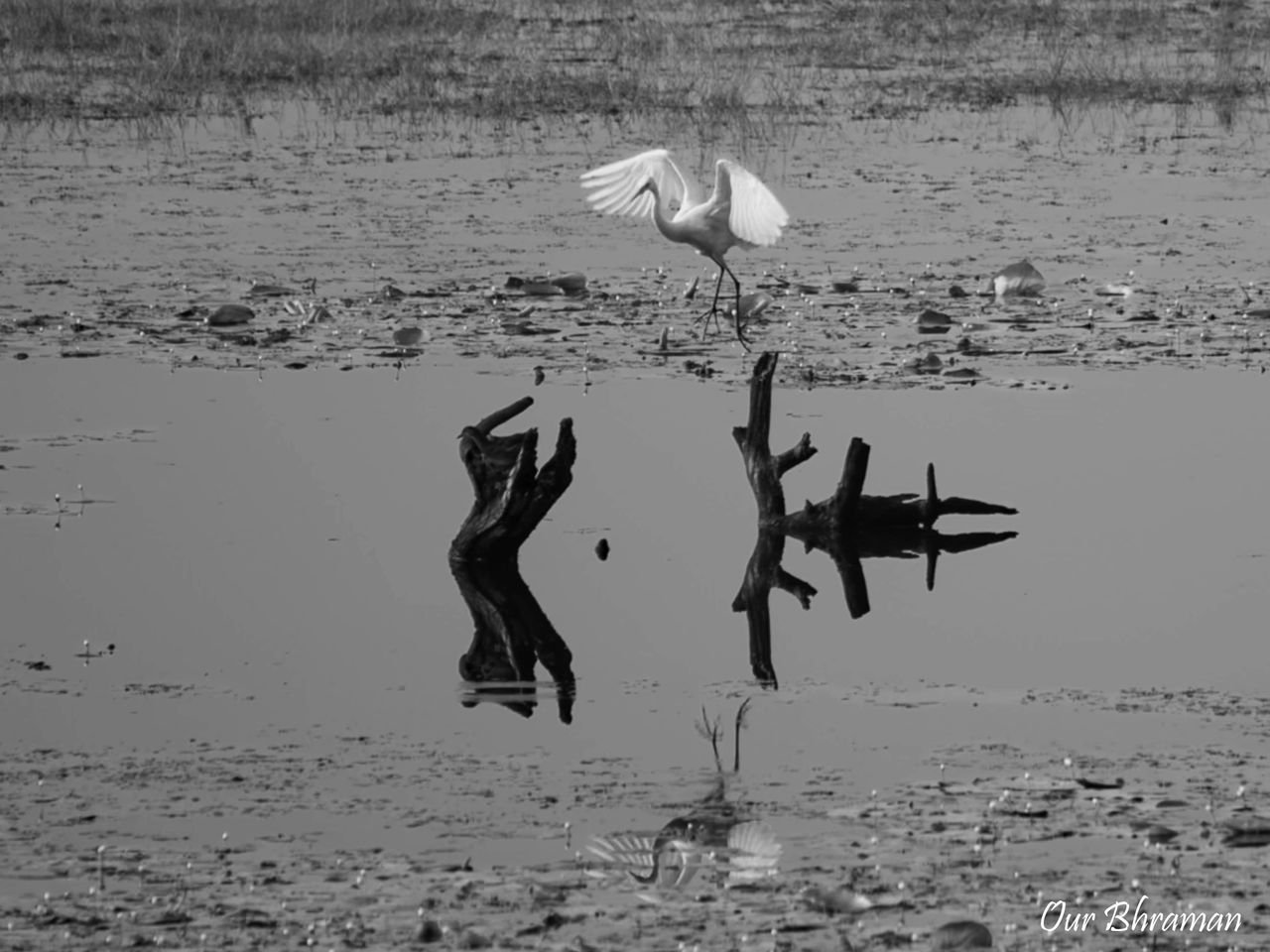
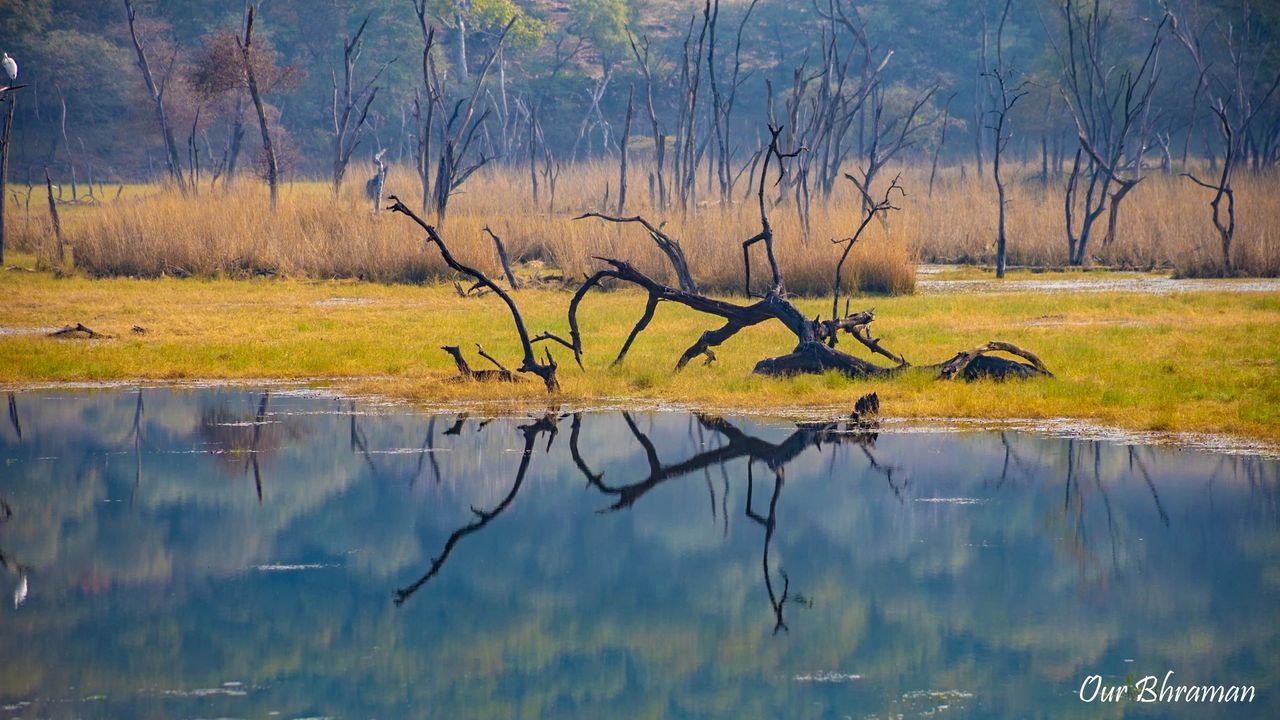
The calm water acts like a perfect mirror, capturing a crisp reflection of the surrounding trees and the rising sun. As the golden sunlight spreads across the surface, it illuminates the forest and sky in a serene glow, creating a moment of peaceful beauty that makes you feel completely connected to nature. It’s one of those scenes that stays etched in memory long after you leave.
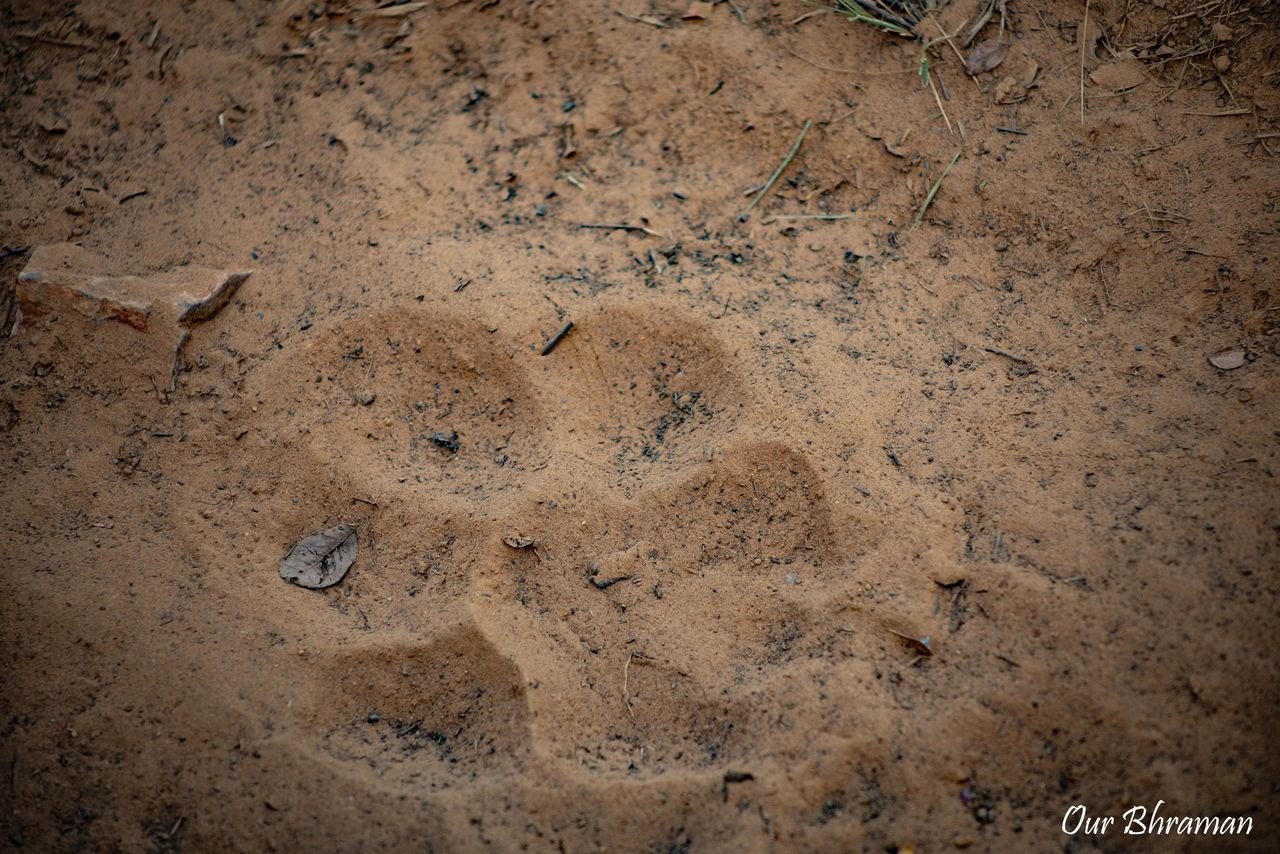
While we didn’t spot a tiger this time, our guide pointed out fresh paw prints in the ground, explaining that a tiger had passed through the area within the last 24 hours. Watching him trace the tracks, pointing out the subtle impressions and the direction of movement, it was hard not to be impressed by his expertise. Years of experience in the field had trained his eyes to read the forest in ways most of us could never imagine.
Over the next couple of hours, we soaked in the sights and sounds of Ranthambore: deer grazing quietly, monkeys leaping through the trees, colorful birds flitting from branch to branch, and the occasional rustle that hinted at hidden wildlife. Even without seeing the tiger, the morning safari was a reminder that the park is alive in every moment, with countless stories unfolding just beyond view.
After our safari, we returned to the hotel for a hearty breakfast. Ranthambore left us with a deeper respect for the wild — a reminder that nature reveals its magic in its own time. Then it was time to head back to Jaipur to catch our return flight, our hearts full of memories from one of India’s most spectacular wildlife adventures.