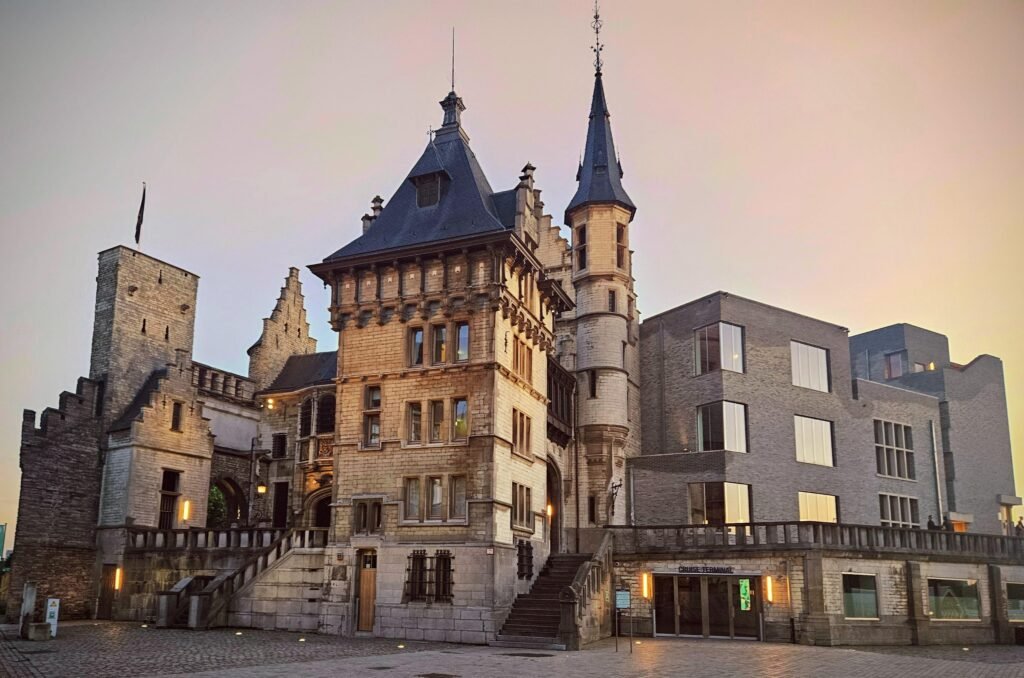
Exploring Antwerp, Brussels and Ghent
Our exploration of Belgium took us through three very different cities—Antwerp, Brussels, and Ghent. Each city had its own personality, but what I enjoyed most was discovering how easily history, architecture, art, food, and everyday life blended together.
We didn’t approach these cities with the goal of checking off every attraction. Instead, we spent much of our time walking. We wandered through historic squares, followed rivers and canals, stepped inside old churches, stopped for photographs, and sometimes simply turned down a street because something caught our attention. In many ways, those unplanned moments became some of our favorite memories.
Antwerp – History, Architecture and the Scheldt
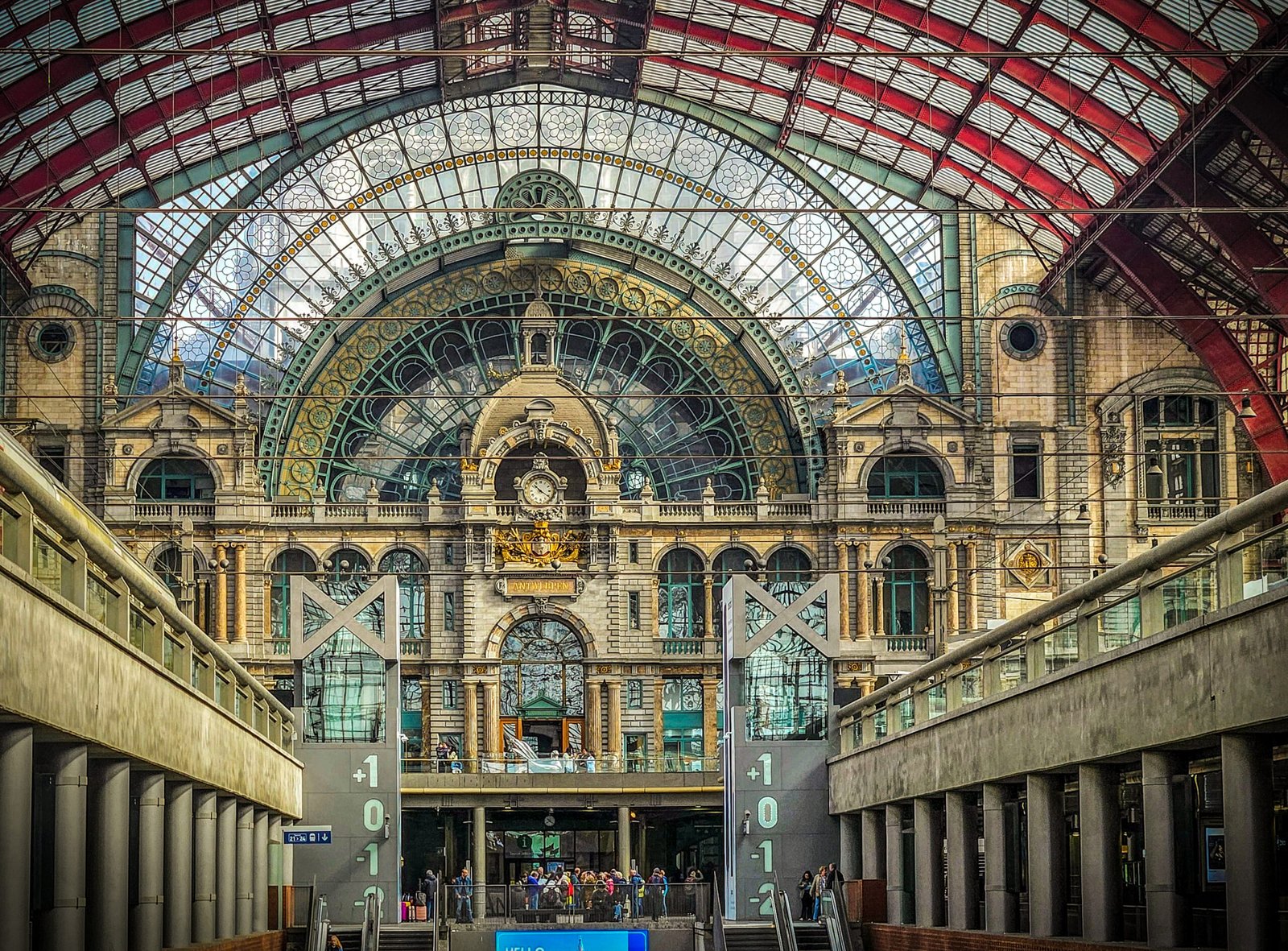
We began our Belgian exploration in Antwerp, a city that immediately felt lively and energetic. From the impressive Antwerp Central Station, often called one of Europe’s great railway buildings, we made our way into the historic center.
Walking through Antwerp brought us to places such as Grote Markt, the Cathedral of Our Lady, Nello & Patrasche, Het Steen, and the River Scheldt. We also wandered through Chinatown and discovered street art, historic buildings, cafés, and small details that were easy to miss when simply following a sightseeing list.
One thing we particularly enjoyed was walking along the Scheldt. The river gave us a different perspective of Antwerp, while monuments and old buildings along the waterfront reminded us of the city’s long connection with trade and shipping.
Antwerp felt like a city where the past and present were constantly meeting—medieval architecture on one street, modern shops and street art on the next.
For more detailed itineraries and city guides, visit our Antwerp travel page.
 Ghent – A Medieval City with a Modern Personality
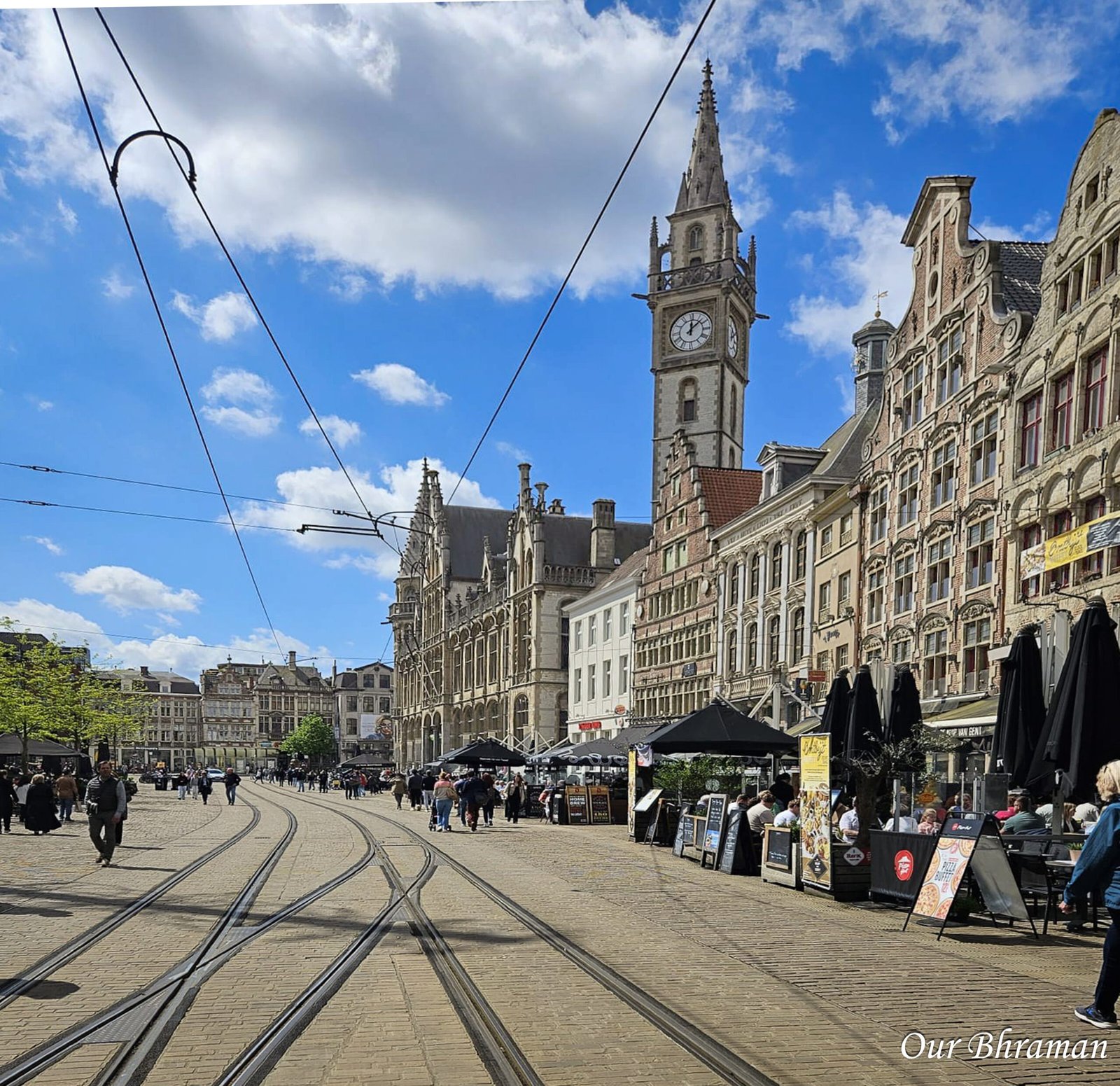
 Ghent – A Medieval City with a Modern Personality
From Antwerp, we continued to Ghent, and this was probably the city where walking felt most rewarding. Ghent’s historic center is compact, with many of its major sights within walking distance of one another.
We started around Vrijdagmarkt and simply followed the streets from there. Our walk took us past the River Leie, Gravensteen Castle, Grasbrug, Korenmarkt, St. Nicholas Church, the Belfry, and St. Bavo’s Cathedral. Eventually, we reached St. Michael’s Bridge, where the famous three-tower view brought together much of what we had seen throughout the day.
What made Ghent especially interesting was the contrast between its medieval character and its contemporary side. Alongside castles, churches, and centuries-old waterfront buildings, we discovered colorful street art and graffiti. Ghent even has an official street-art map, and its graffiti scene has become an important part of the city’s modern identity.
For us, Ghent was not just about individual landmarks. It was about the experience of moving from one historic street to another and constantly finding something interesting along the way.
For more detailed itineraries and city guides, visit our Ghent travel page.
 Brussels – The Capital with Many Layers
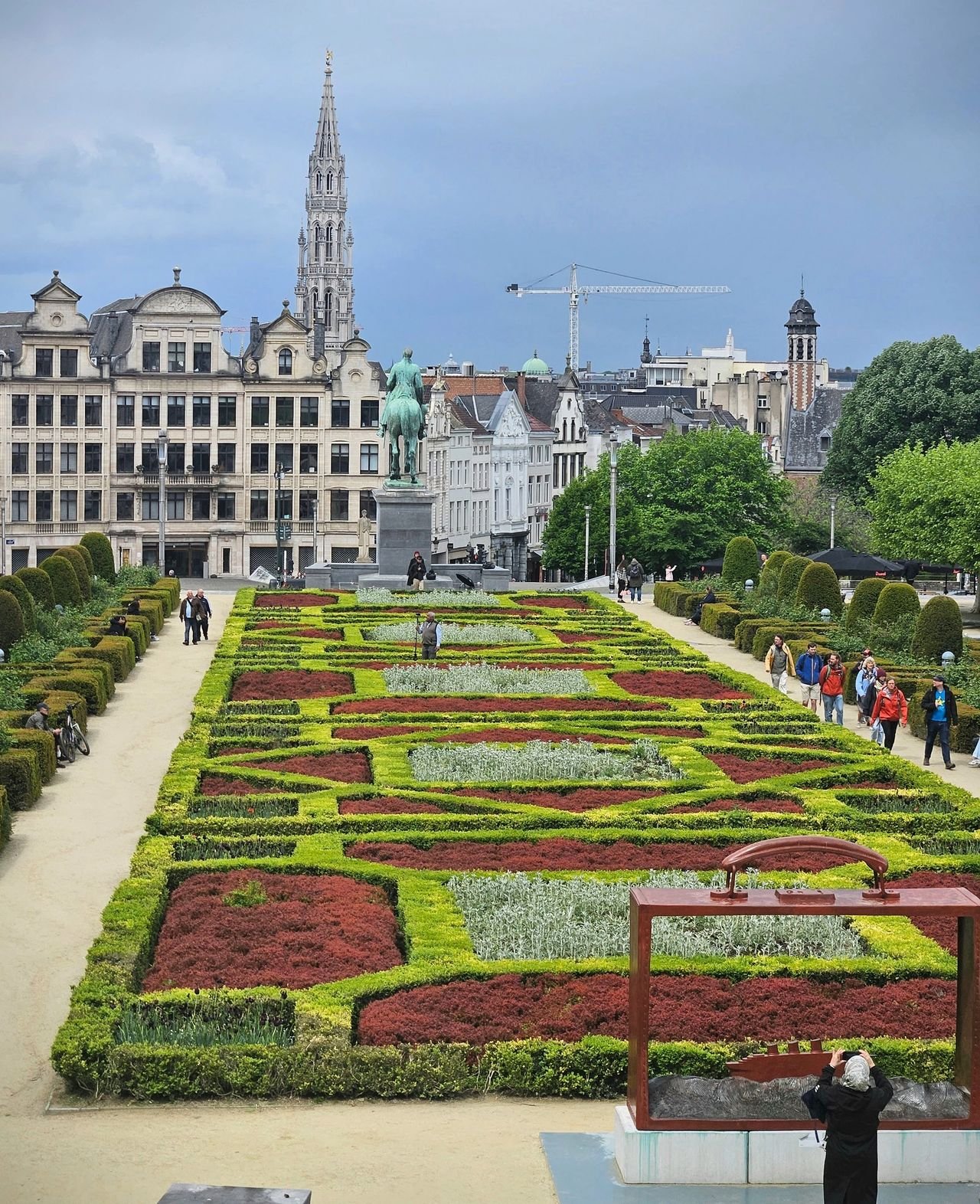
 Brussels – The Capital with Many Layers
Our final stop was Brussels, and the experience felt different again. As Belgium’s capital, the city seemed larger and more diverse, with grand squares, royal architecture, museums, historic churches, colorful streets, and a strong food and café culture.
We explored the historic center around Grand-Place, wandered through the surrounding streets, visited Mont des Arts and the Royal Quarter, and eventually made our way to the futuristic Atomium.
Brussels also surprised us with how much street culture was woven into the city. Comic-book murals, contemporary street art, and public artworks appeared alongside historic architecture. Brussels even has a dedicated Street Art Trail, while its metro system contains more than 90 artworks spread across its stations.
And, of course, it was difficult to explore Brussels without noticing the food. Belgian chocolate, waffles, fries, and the city’s café culture seemed to appear around almost every corner. Sometimes stopping for something to eat became just as much a part of the experience as visiting another landmark.
For more detailed itineraries and city guides, visit our Brussels travel page.
 Three Cities, Three Different Experiences
 Three Cities, Three Different Experiences
Looking back, Antwerp, Ghent, and Brussels each gave us something different.
Antwerp felt energetic and commercial, with a fascinating mix of architecture, history, fashion, art, and the Scheldt waterfront.
Ghent felt more intimate and walkable, with its medieval streets, castle, canals, three towers, and unexpected street art creating a wonderful mix of old and new.
Brussels felt bigger and more cosmopolitan, combining Belgium’s historic identity with art, food, architecture, and modern city life.
What connected all three cities for us was the simple pleasure of walking. We didn’t always know what was around the next corner—and that was part of the fun. A historic building, a small monument, colorful artwork, a quiet riverside view, or a café terrace could suddenly become a reason to stop.
Our Takeaway
Our Belgium trip reminded us that exploring a city isn’t always about seeing as many attractions as possible. Sometimes the best way to understand a place is to slow down and walk through it.
Antwerp, Ghent, and Brussels each told a different story, but together they gave us a wonderful introduction to Belgium—one filled with history, architecture, art, food, and plenty of unexpected moments along the way.