Our day started with the train trip from Antwerpen to the Brussel it was less than 60 mins train ride. After getting out of the train station our first stop was The Cathedral of St. Michael and St. Gudula, This place is nestled in the tranquil square of Treurenberg Hill in Brussels, holds a prestigious role in Belgian history. It serves as the preferred venue for princely weddings, coronations, and state funerals, embodying the epitome of Gothic architecture. Victor Hugo once hailed it as “the purest flowering of the Gothic style,” a sentiment echoed by many.
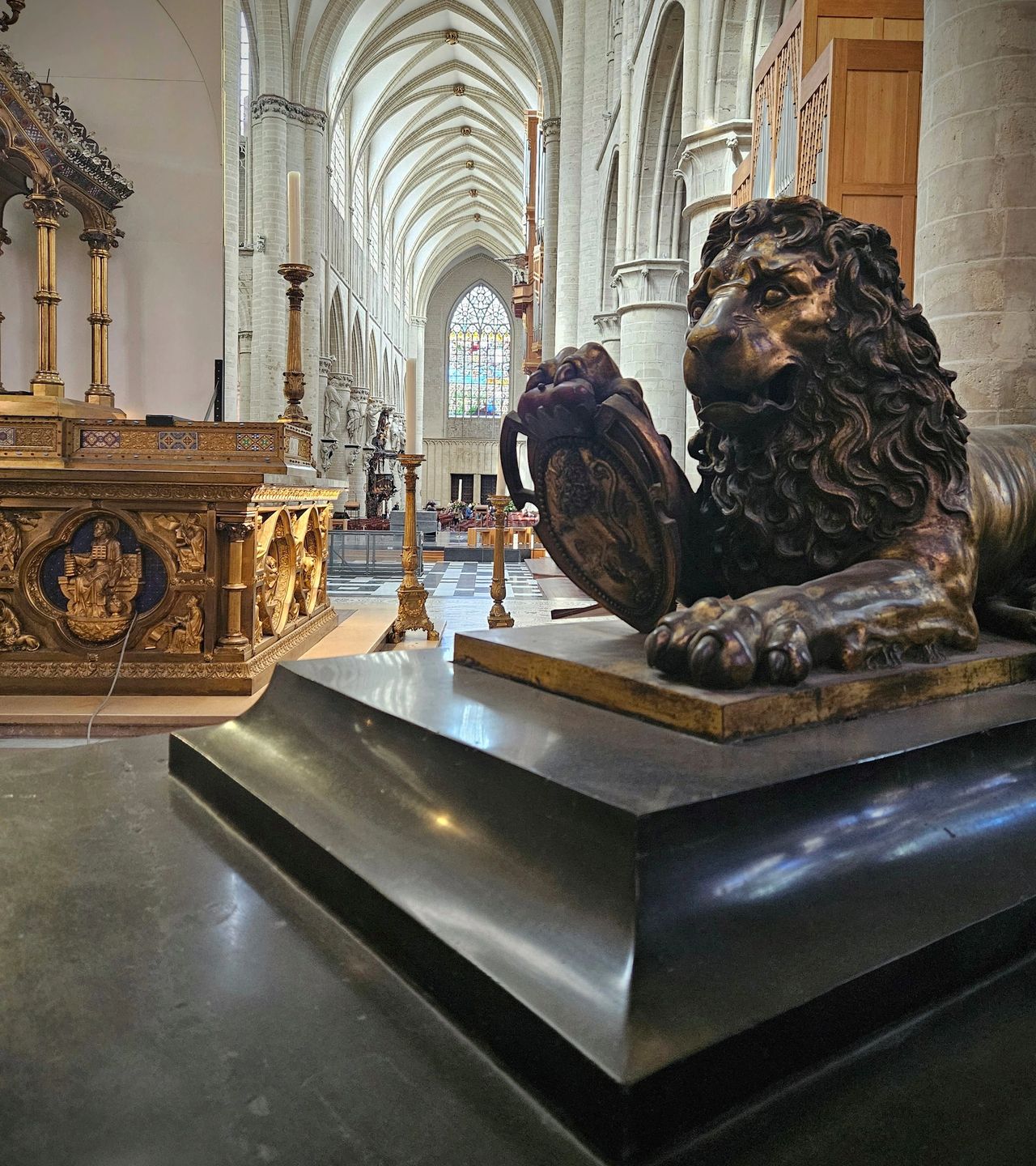
Despite its seemingly simple facade, the cathedral’s lack of eclecticism distinguishes it as a masterpiece. Its construction, spanning centuries from the 13th to the 17th, embodies the essence of Gothic purity. Revered as even purer than Paris’ Notre Dame, St. Michael and St. Gudula Cathedral captivates with its monumental columns, soaring arches, and a solid wooden pulpit adorned with intricate carvings.
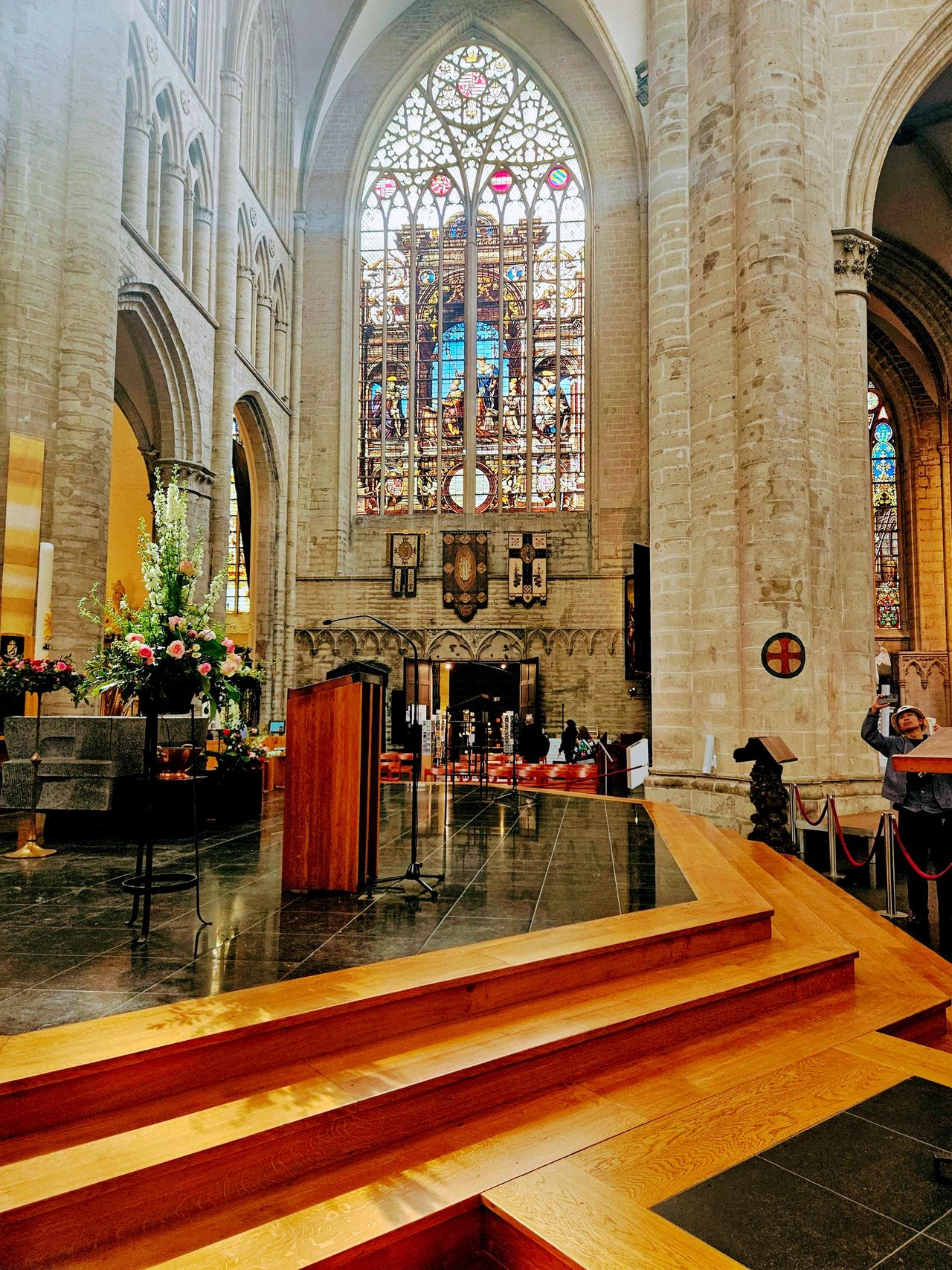
Inside, the cathedral’s interior exudes a sense of streamlined elegance, allowing its masterpieces to shine. The Chapelle du Saint-Sacrement is illuminated by stunning stained-glass windows commissioned by Emperor Charles V, casting colorful hues throughout the nave. While the cathedral officially became a cathedral in 1961, its origins trace back to the 9th century when a chapel honoring Archangel Michael was erected on the hill. Over time, it evolved into a Romanesque church, and its transformation into the Gothic marvel we see today began in 1226, lasting nearly three centuries. With its rich history, breathtaking architecture, and medieval treasures, St. Michael and St. Gudula Cathedral stands as a testament to Brussels’ cultural heritage and spiritual significance.
After the church visit we continued walking through the street of Brussel to land to the The Grand-Place, or Grote Markt. This place in Brussels holds immense significance both historically and culturally. The Grand-Place has been the heart of Brussels since the Middle Ages, serving as the city’s main square and marketplace. Its origins date back to the 12th century when it was a simple market square. Over the centuries, it evolved into a bustling hub of commerce, politics, and social activity. The Grand-Place is renowned for its stunning architecture, particularly its guildhalls and the Brussels Town Hall. The guildhalls, with their ornate facades and intricate detailing, showcase the wealth and power of Brussels’ medieval guilds. The Town Hall, a masterpiece of Gothic architecture, is an iconic symbol of the city’s civic pride. In 1998, the Grand-Place was designated as a UNESCO World Heritage Site, recognizing its outstanding universal value as an exceptional example of a medieval square. Its inclusion on the UNESCO list highlights its importance as a cultural heritage site of global significance.
We continue walking to next attraction point Manneken Pis, the iconic little statue in Brussels, has sparked many amusing tales over the years. The Manneken Pis, a small bronze statue of a boy urinating into a fountain basin, is one of Brussels’ most famous and beloved landmarks. Despite its diminutive size, this statue holds a rich history and cultural significance that stretches back several centuries.
The origins of the Manneken Pis date back to the early 17th century. The exact date of its creation is uncertain, but it is believed to have been designed by Brussels sculptor Jerome Duquesnoy the Elder around 1619 or 1620. Originally, it served as part of a larger fountain system in the city, providing drinking water to residents and visitors.
The statue quickly became a symbol of Brussels and gained popularity among locals and tourists alike. Over the years, it has been the subject of numerous legends and stories, further cementing its place in the city’s folklore.
One popular legend surrounding the Manneken Pis involves a young boy who saved Brussels from destruction by urinating on a burning fuse during a battle in the 14th century. While historically inaccurate, this tale helped solidify the statue’s status as a symbol of Brussels’ resilience and independence.
Throughout its history, the Manneken Pis has undergone several relocations and renovations. It was initially located near the Brussels Town Hall but was later moved to its current location in the early 17th century. The statue has also been stolen and replaced multiple times, with the current version being a replica installed in 1965.
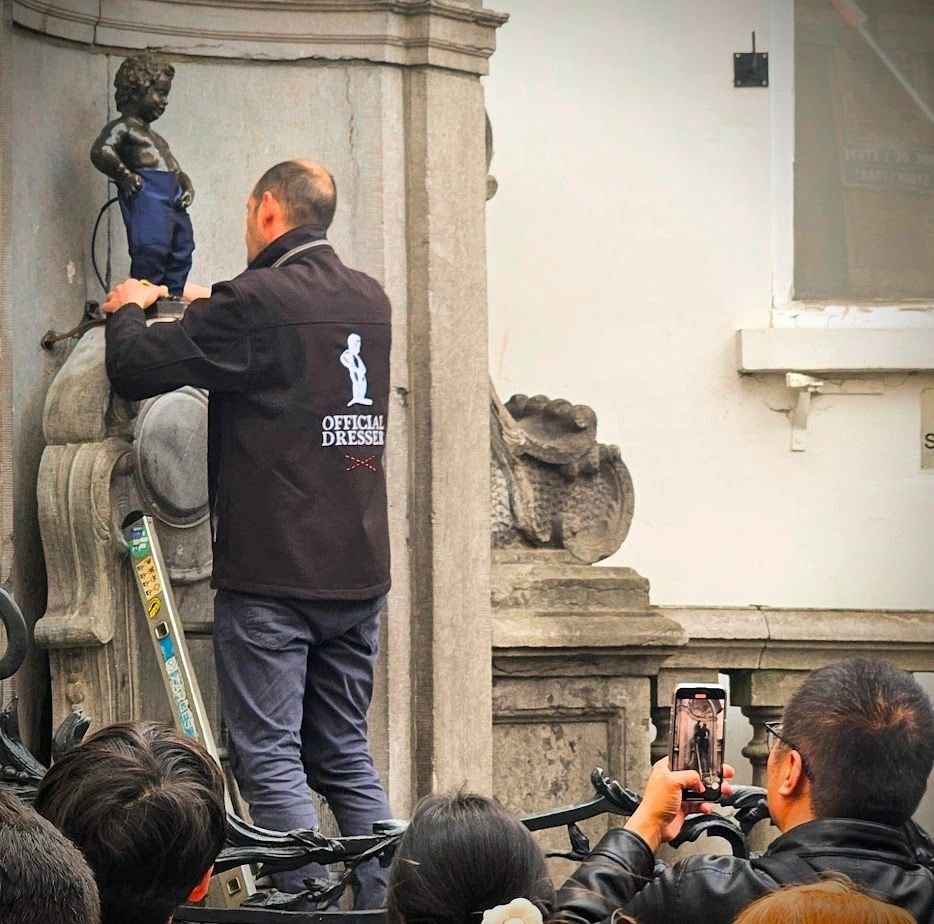
Today, the Manneken Pis remains a beloved symbol of Brussels’ irreverent spirit and sense of humor. It is dressed in various costumes several times a week, with each outfit chosen to commemorate a particular event or occasion. From historical uniforms to whimsical costumes, the Manneken Pis’s wardrobe is a testament to its enduring popularity and cultural significance.
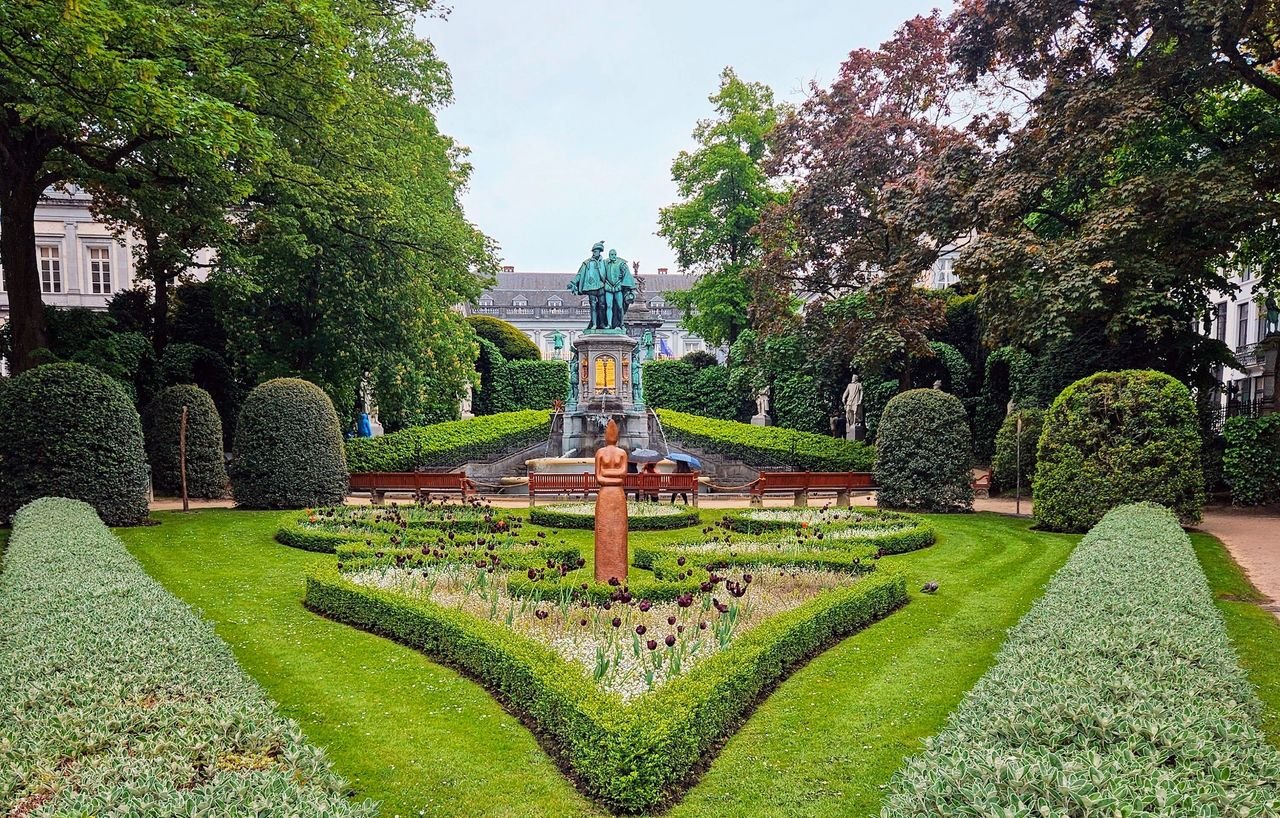
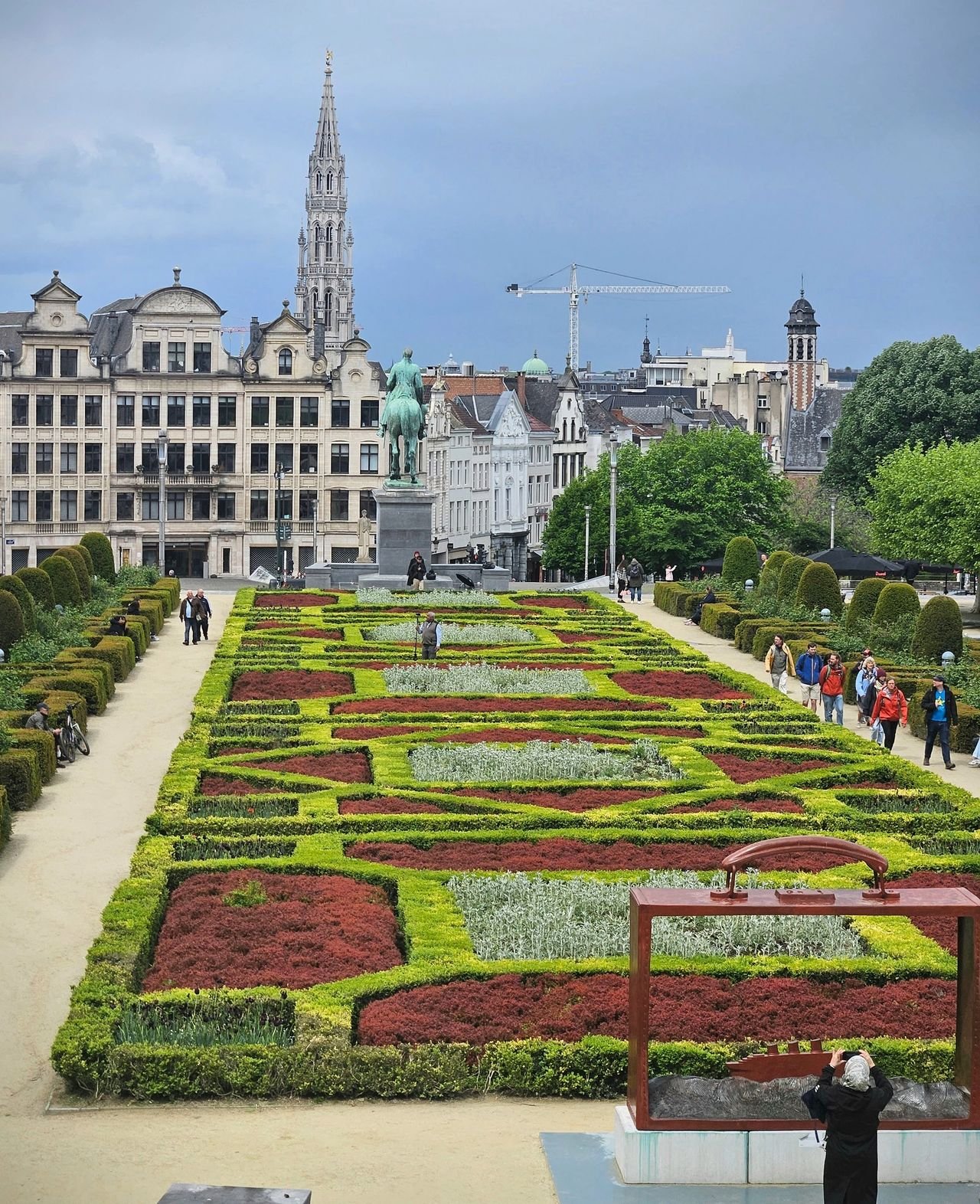
we continued our walk to go to the modern art museum and got to see the amazing garden and beautifully decorated pathway along the way to museum
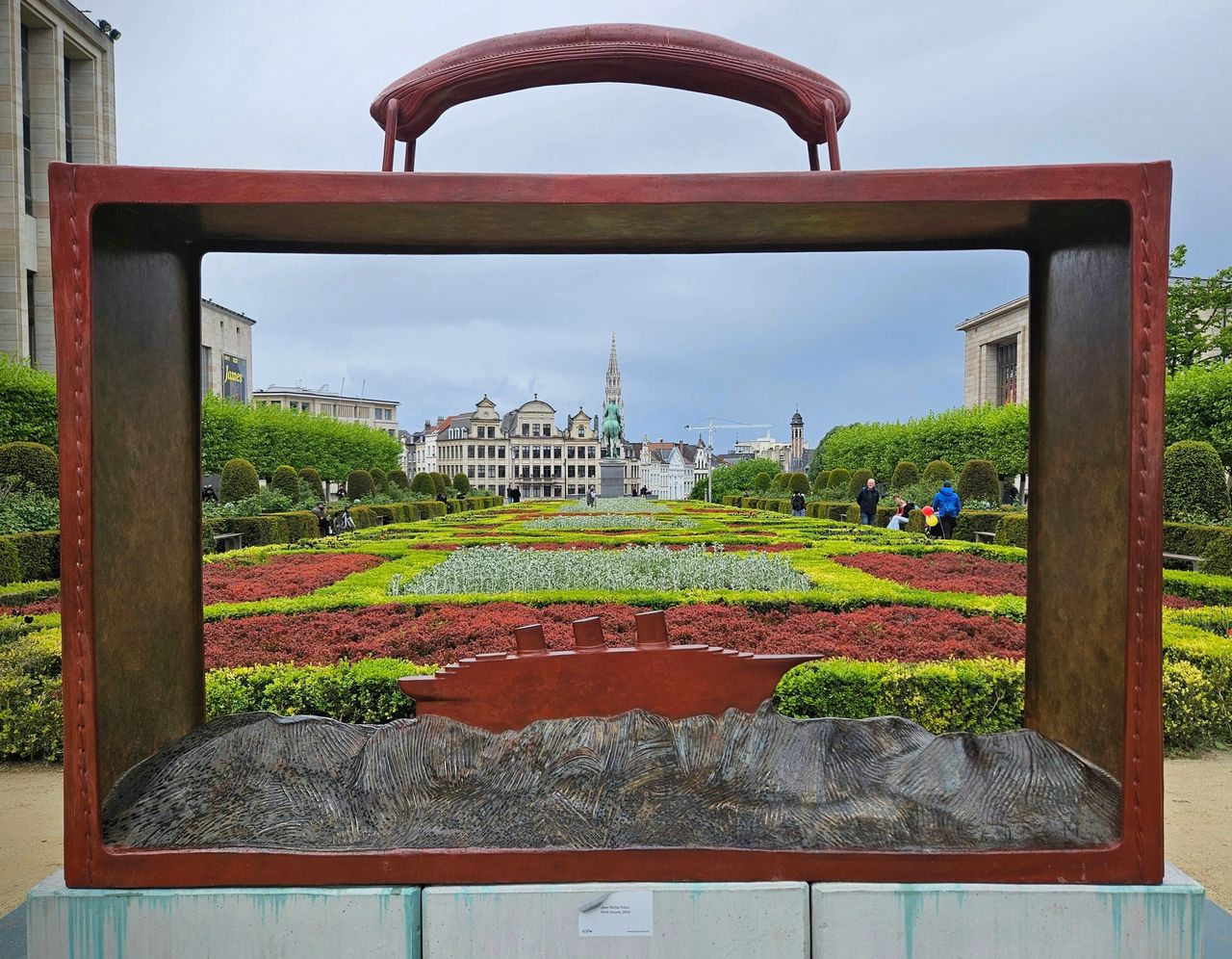
Modern art can be diverse and sometimes challenging to interpret, so it’s understandable if it’s not your cup of tea. I sometime struggle to understand what artist trying to convey always feel like i need modern art for dummies to help me digest art in front of me.
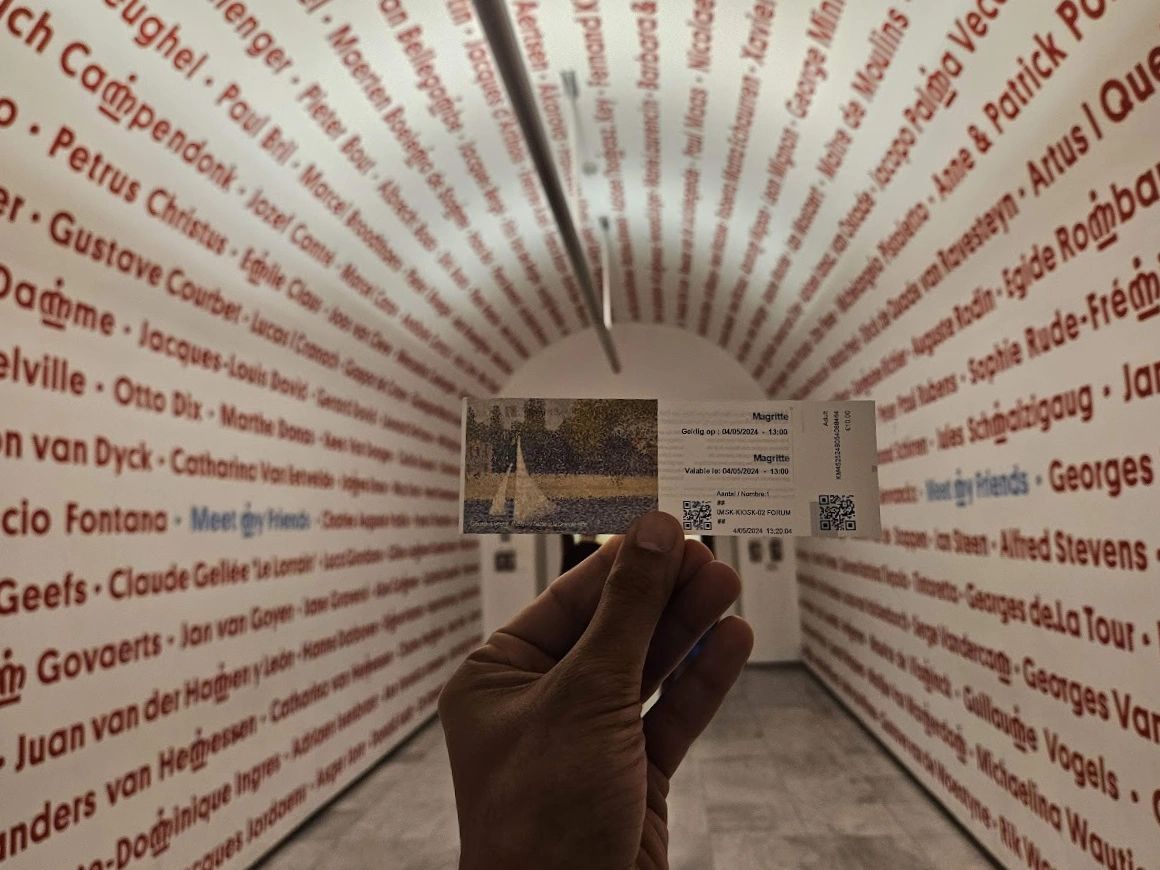
But while visiting the Margerita Modern Art Meausmne that is dedicated to the renowned Belgian surrealist artist René Magritte. Located in Brussels, Belgium, it houses the largest collection of Magritte’s works in the world. I decided to approach each artwork with an open mind and a willingness to engage with it on a deeper level. Embrace the opportunity to explore new ideas, challenge my assumptions, and expand my understanding of art.
The museum showcases a comprehensive collection of René Magritte’s paintings, drawings, sculptures, and personal belongings. Visitors can explore the artist’s evolution and his distinctive style, characterized by thought-provoking imagery, juxtapositions of ordinary objects, and playful surrounding. The museum presents rotating exhibitions that delve into various aspects of Magritte’s life and work, as well as thematic exhibitions that explore connections between his art and other artistic movements or historical events.
After spending couple of hour we decided to grab a lunch and visit famous delerium beer at Delirium Café is a famous beer destination in Brussels, Belgium, renowned for its extensive selection of beers. Delirium Café is located in the historic city center of Brussels, not far from the Grand-Place. One of the main draws of Delirium Café is its vast selection of beers. With over 2000 different types of beer from around the world, it holds the Guinness World Record for the most varieties of beer available in one place. From Belgian classics like Trappist ales and lambics to international favorites and rare brews, there’s something for every beer enthusiast to enjoy.
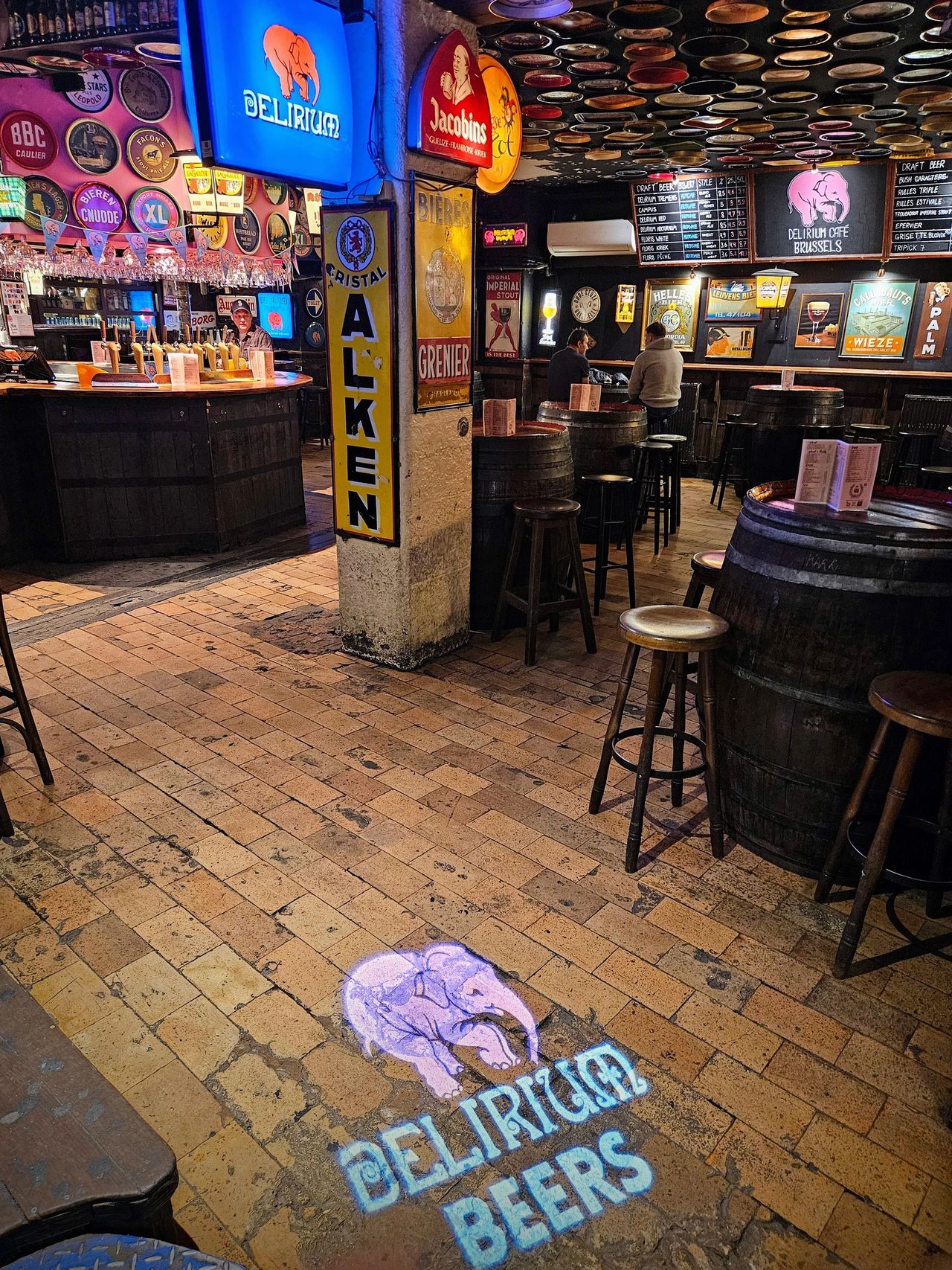
The atmosphere at Delirium Café is lively and convivial, making it a popular spot for locals and tourists alike. The interior is cozy and rustic, with wooden beams, eclectic decor, and plenty of seating options. The café also has a spacious outdoor terrace where guests can enjoy their drinks al fresco.
Our next destination was Atomium, which was more than an hour’s walk away. We could have taken the easy route by catching a cab or bus, but it’s always more enjoyable to wander and explore a new city and stumble upon the unknowns along the way, such as being entertained by people dancing on the street or discovering street art on the buildings.”
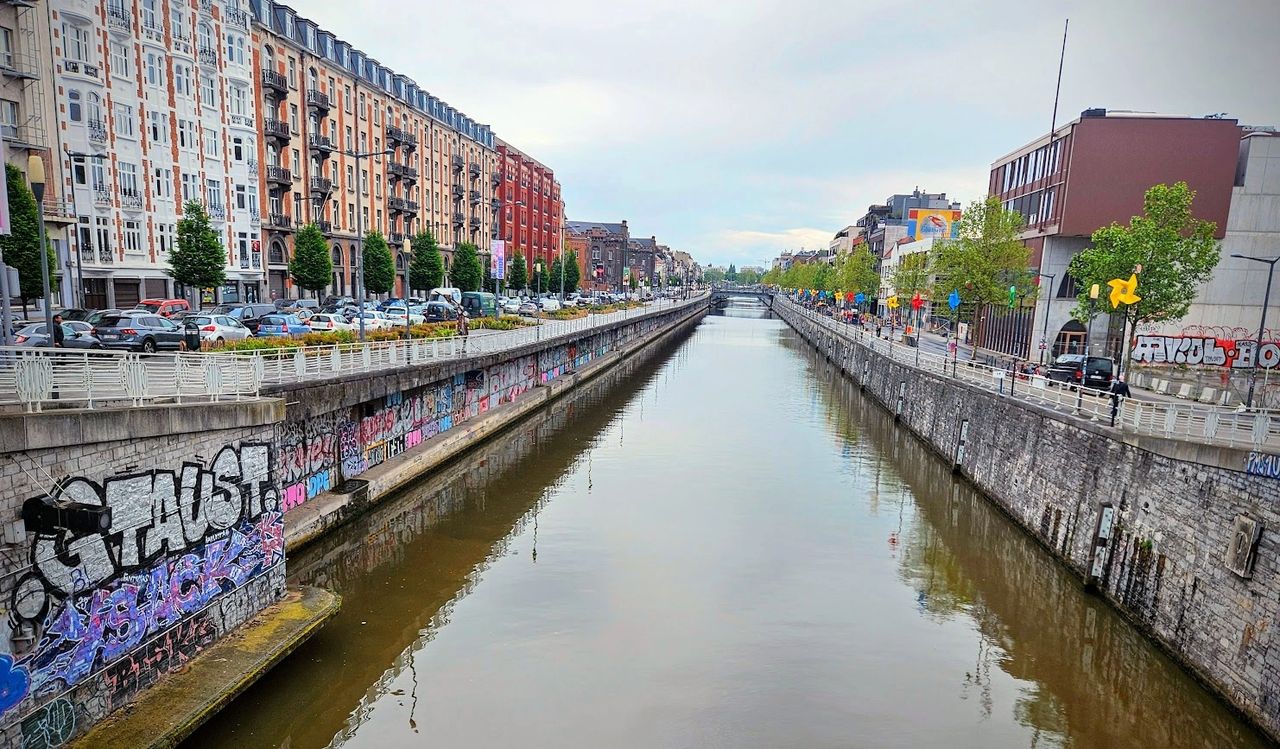
Brussels, a city often synonymous with grand historical landmarks and quaint cobblestone streets, harbors a parallel narrative that’s equally rich and vibrant—the evolution of its urban art. Once dismissed as mere vandalism, graffiti has transcended its rebellious origins to become a celebrated form of cultural expression, showcasing the dynamic shift in how we perceive and engage with public art.
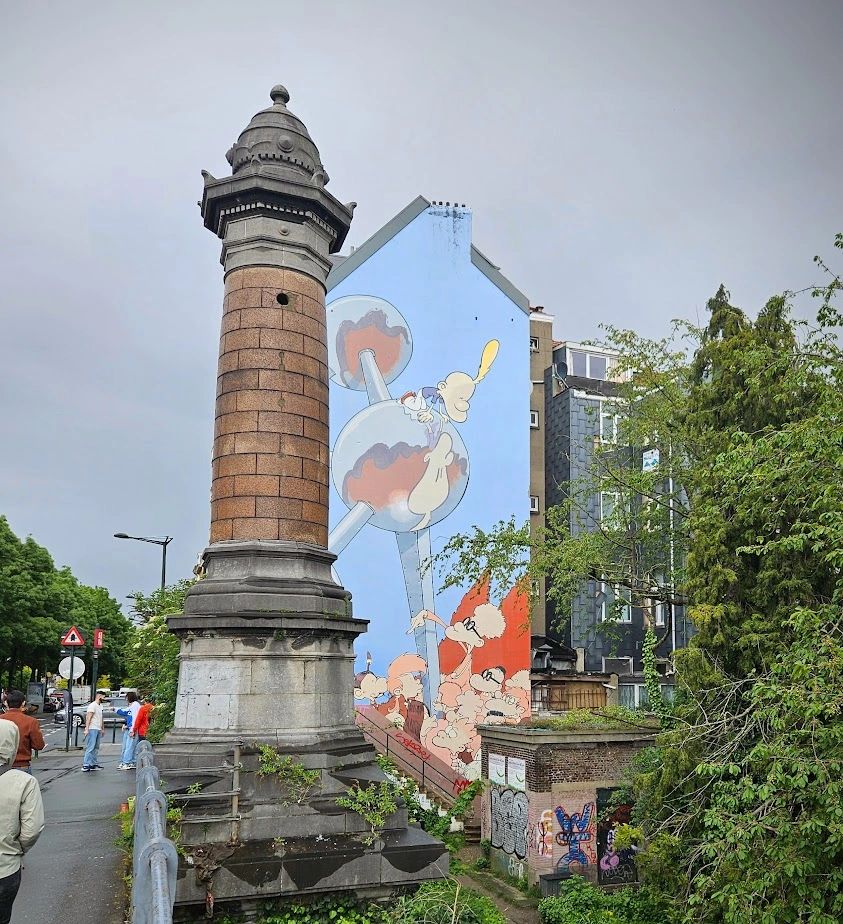
The journey of Brussels’ urban street art from the shadows of illegality to the spotlight of galleries is a testament to the city’s progressive spirit and its embrace of contemporary artistic movements. Initially, graffiti in Brussels, like in many cities worldwide, was an underground activity—a form of street-level dissent that painted the city’s walls with messages of resistance, identity, and social critique. These early tags and pieces, often created under the cover of darkness, laid the groundwork for the flourishing street art scene that would follow.
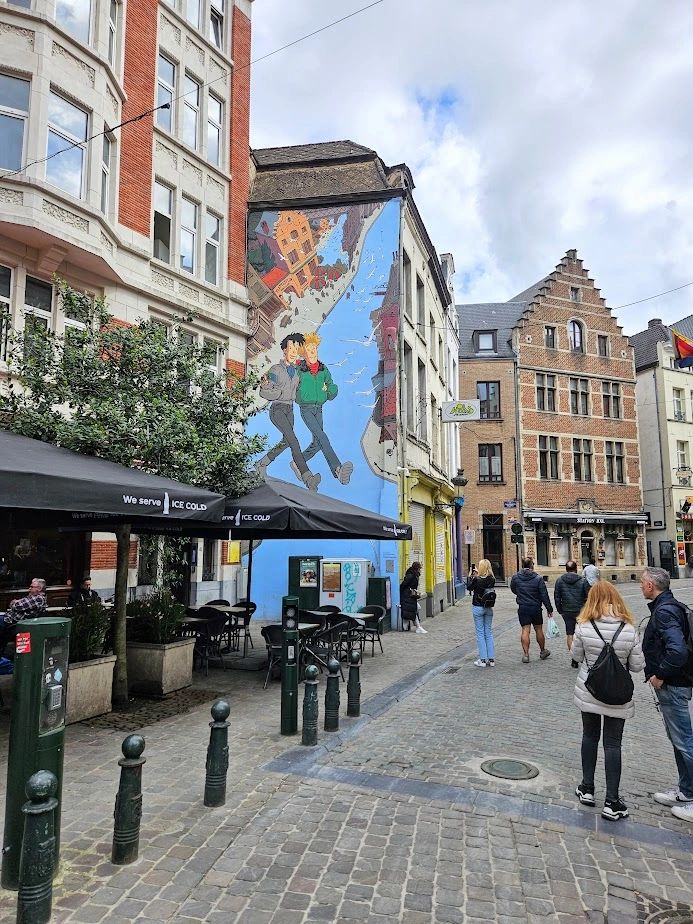
In recent years, Brussels has witnessed a remarkable transformation. By actively incorporating street art into its urban fabric, the city recognized its potential to rejuvenate neighborhoods, foster community identity, and amplify tourism. Initiatives like the Parcours Street Art project have legitimized street art, creating sanctioned spaces for murals and installations that attract both local and international artists. This shift has not only elevated the status of graffiti artists but has also enriched Brussels’ cultural landscape, making it a premier destination for urban art enthusiasts.
The evolution of Brussels’ street art is reflected in the diversity of styles and subjects explored by artists. From the fantastical to the politically charged, the city’s walls serve as a canvas for a wide array of artistic expressions. This diversity demonstrates the genre’s maturity and continued evolution, moving beyond simple tags to complex, large-scale murals that rival traditional artworks in depth and craftsmanship.”
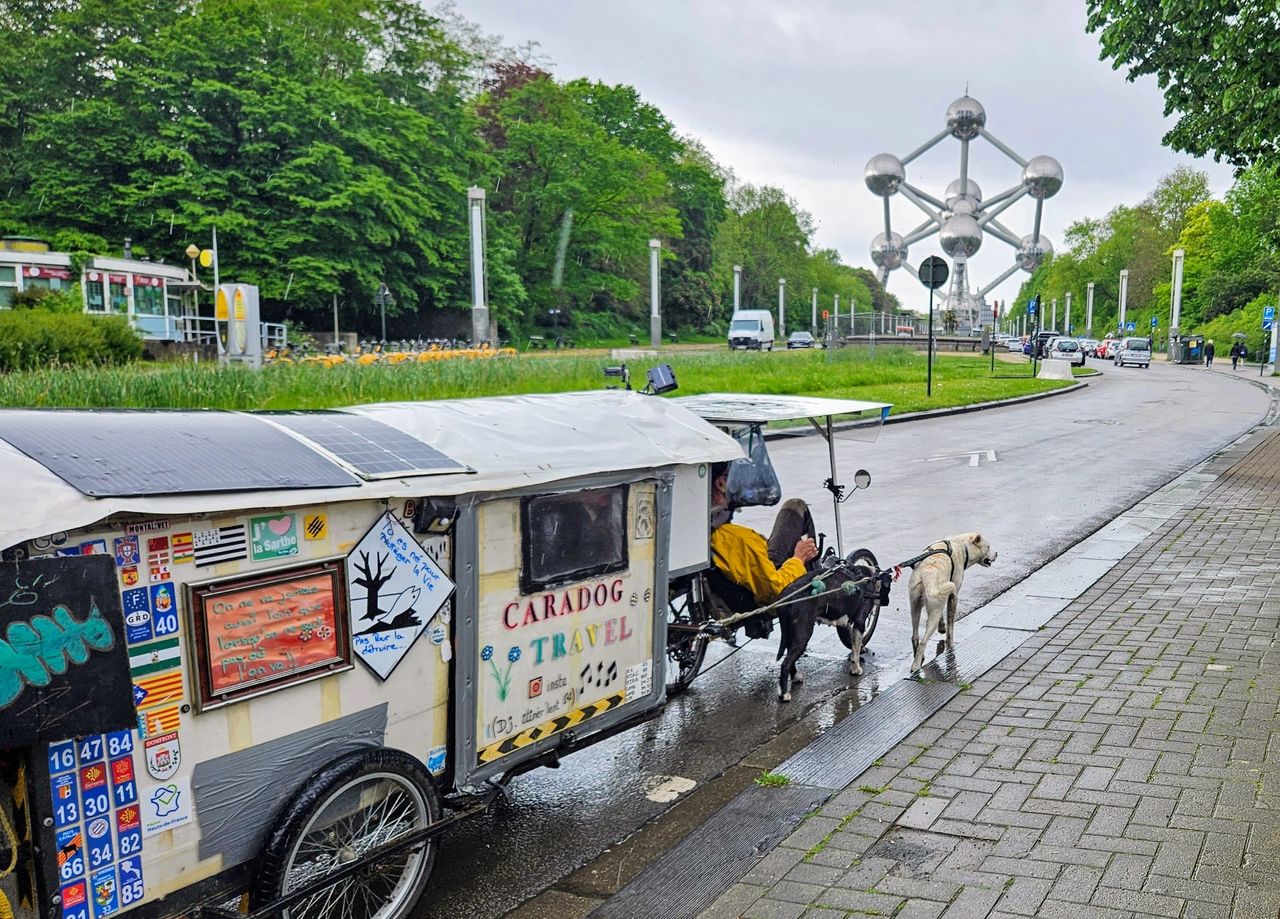
Our visit to Atomium was a remarkable journey into architectural and historical wonder. Atomium, an iconic structure in Brussels, symbolizes the spirit of innovation and scientific progress. Shaped like a magnified iron crystal, it stands tall as a testament to Belgium’s post-war modernism and optimism for the future.
Upon arrival, we were greeted by Atomium’s striking exterior, composed of interconnected spheres and tubes that gleamed under the Belgian sun. We opted to explore both the exterior and interior of Atomium, starting with a panoramic elevator ride to the top sphere, offering breathtaking views of Brussels and its surroundings.
Inside, each sphere of Atomium houses exhibits that delve into its history, design, and the era it represents. From multimedia displays to historical artifacts, the experience provided insights into Belgium’s cultural and technological advancements during the mid-20th century.
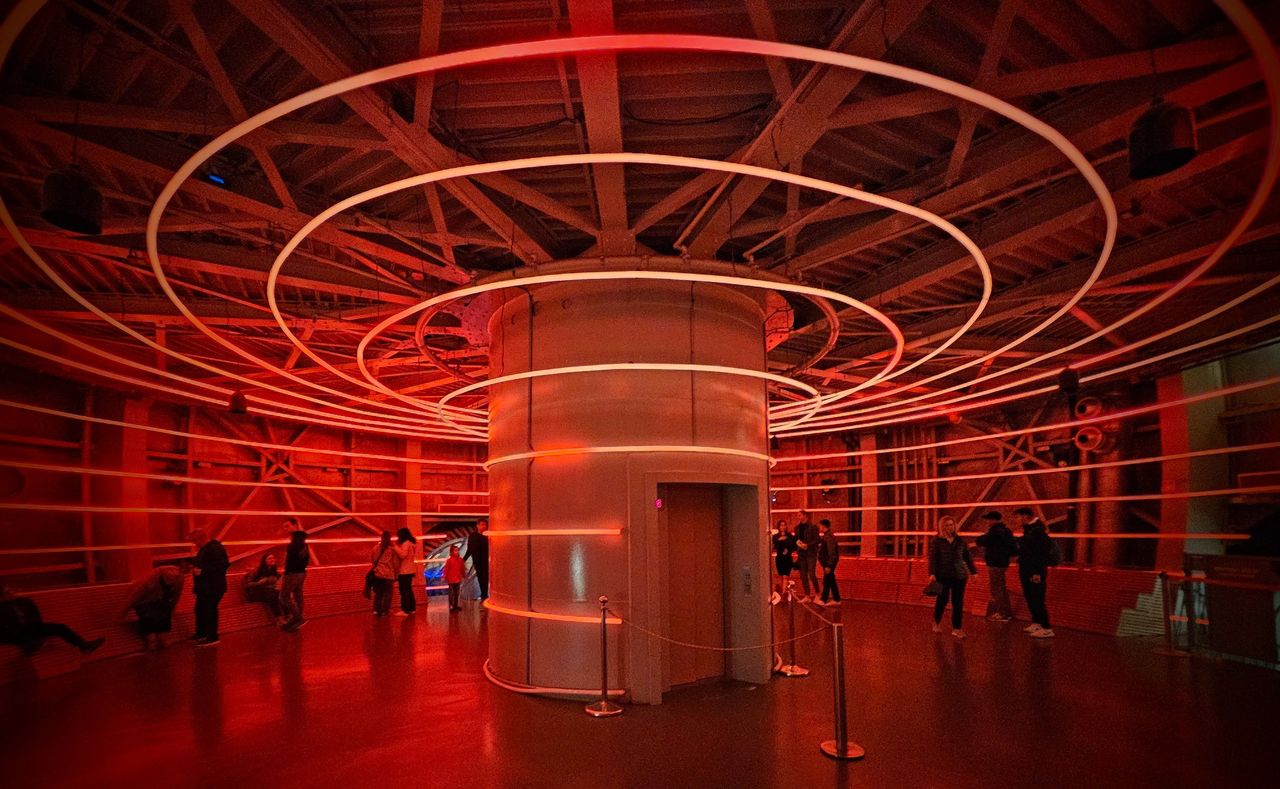
Highlights : Panoramic Views: The view from the top sphere was unparalleled, offering a 360-degree panorama of Brussels’ skyline and beyond.
Exhibits: The exhibits inside Atomium were informative and engaging, shedding light on its construction, purpose, and historical significance.
Architecture: The futuristic design of Atomium itself was a highlight, blending seamlessly with the surrounding urban landscape.
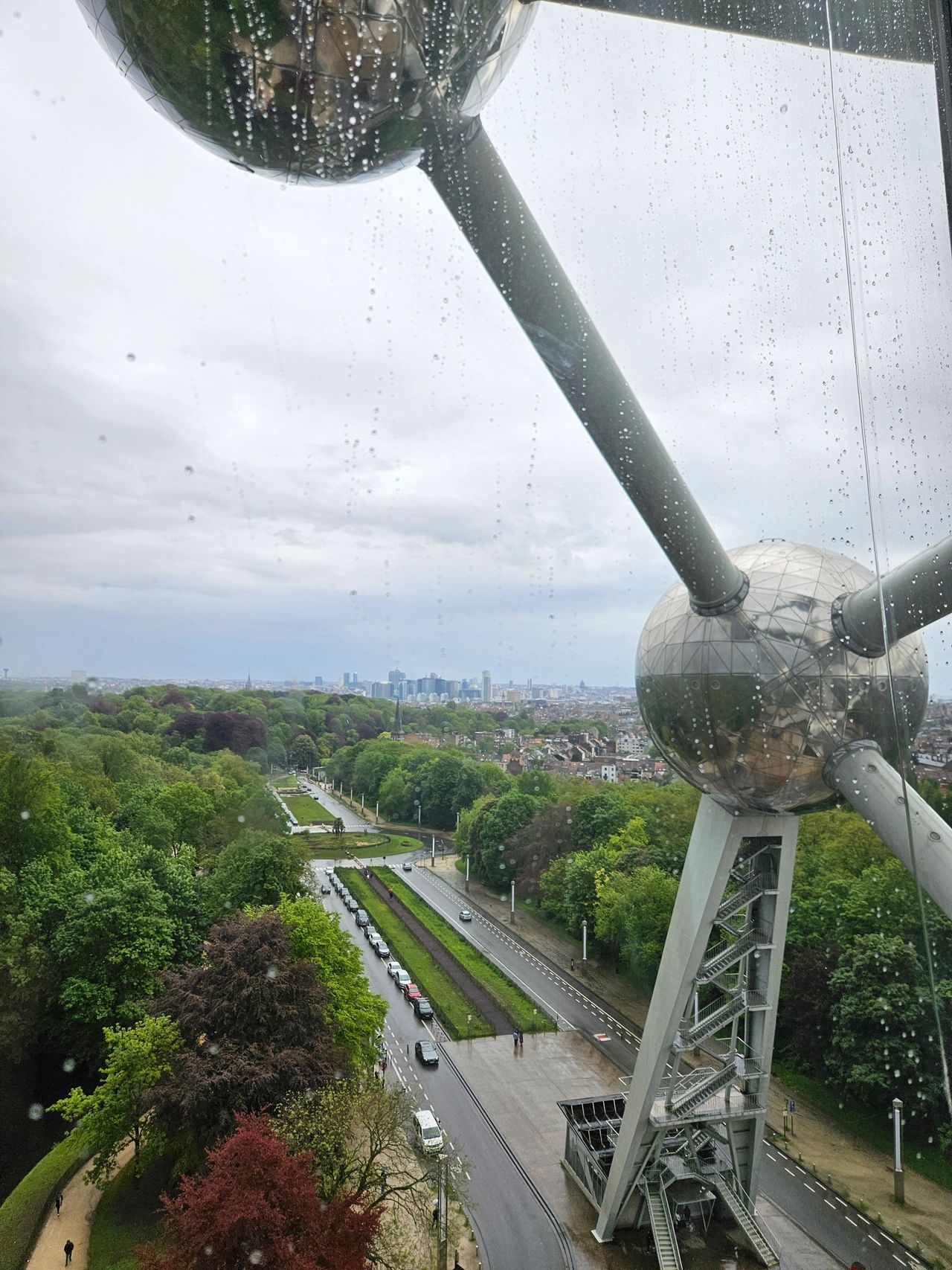
I highly recommend visiting Atomium to anyone interested in architecture, history, and science. Whether you’re a solo traveler, a family, or a group of friends, Atomium promises a memorable experience that combines education with awe-inspiring views.
At end after 30k+ steps we concluded our traveling day. A day in Brussels offered us with a blend of history, art, gastronomy, and a glimpse into Belgian culture. Whether you’re a history buff, art enthusiast, foodie, or simply curious traveler, Brussels’ attractions promise a memorable experience that captures the essence of this dynamic European capital.
Enjoy your journey through Brussels, where every corner reveals a new story, and a delightful surprise awaits!